
Discovering Where Key Topics Are Mentioned in the Bible
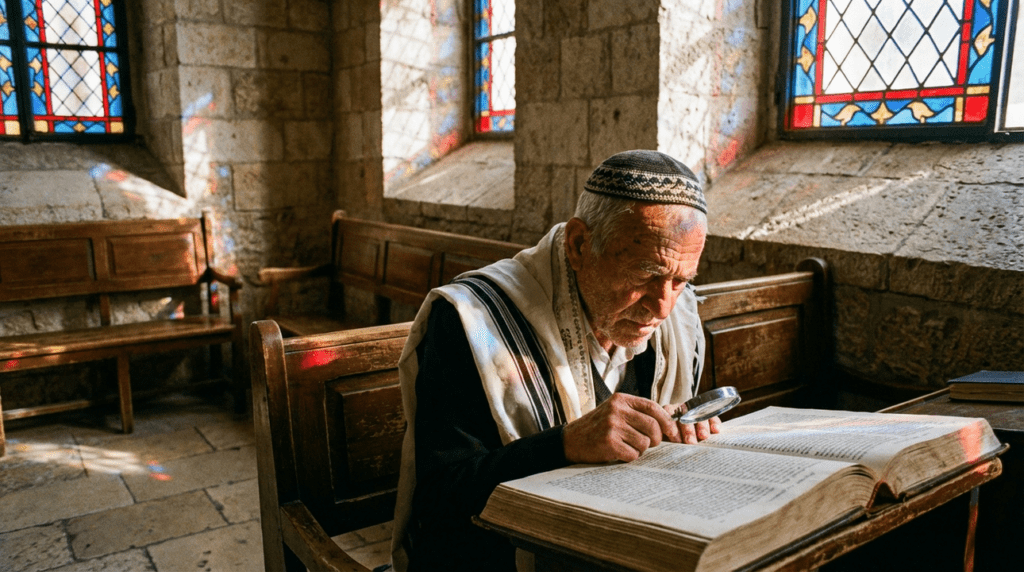

The Bible is a foundational text that traces the journey of the Jewish people and the formation of Israel. It includes stories like the Exodus, where Moses leads the Israelites out of Egypt (Exodus 12:31-42), and the conquest of Canaan under Joshua (Joshua 6:1-27). These narratives illustrate pivotal moments such as the giving of the Ten Commandments at Mount Sinai (Exodus 20:1-17), which shaped Jewish identity and cultural heritage.
The Bible offers a historical framework for Jewish identity, detailing key events like the Exodus and the giving of the Ten Commandments.
from the Western Wall to Masada.

The Genesis of Israel
Genesis introduces the patriarchs, with Abraham’s covenant establishing the promise of a great nation.
Exodus and the Formation of Identity
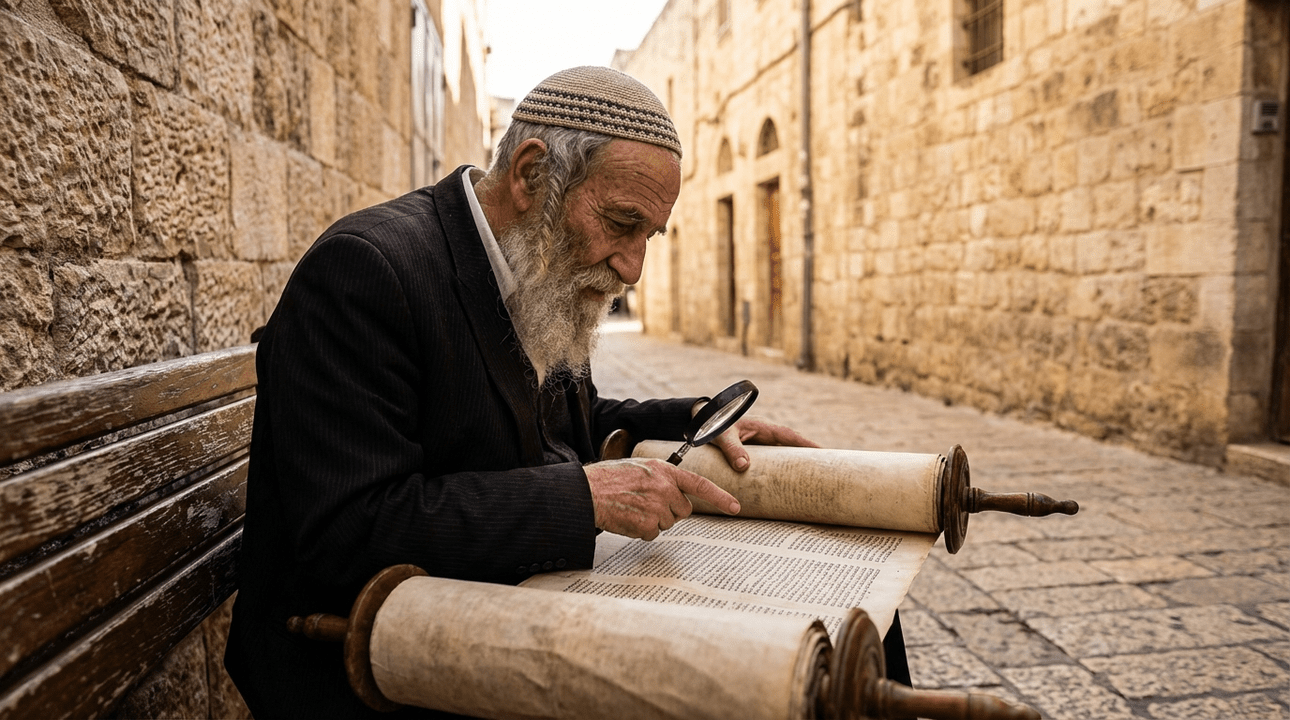
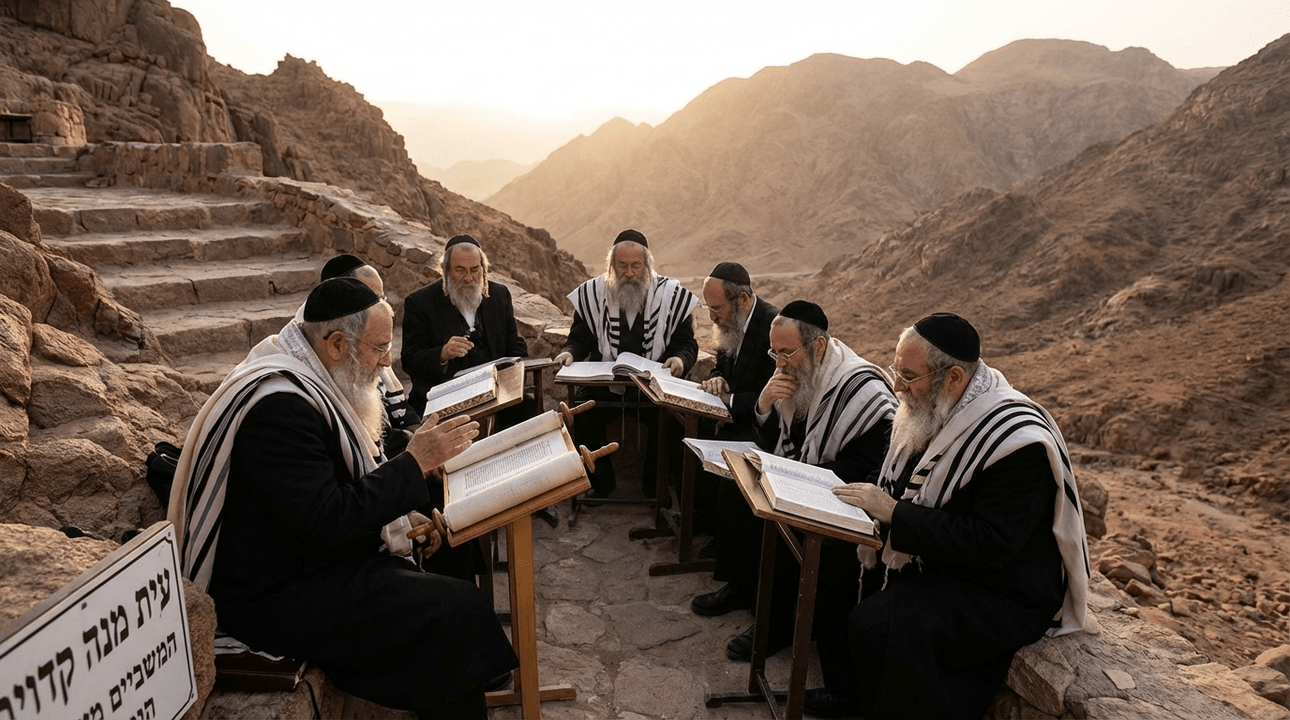
Exodus chronicles the departure from Egypt, with Moses leading the transformation into a unified people. Central to this part of the Bible is the revelation at Mount Sinai, as described in Exodus 19:17-20. The Israelites receive the Ten Commandments, providing a moral and legal framework.
The revelation at Mount Sinai offers moral guidance and structure to Jewish life. The revelation at Mount Sinai, detailed in Exodus 19:17-20, is a pivotal moment where the Ten Commandments are given, offering enduring moral guidance.
The revelation at Mount Sinai offers enduring moral guidance and structure to Jewish life.
The Kingdom of Israel
The shift to a monarchy begins with Saul’s anointing, and David’s rise shapes the political landscape. David’s son, Solomon, is renowned for constructing the First Temple in Jerusalem, a monumental task completed in 957 BCE, as noted in 1 Kings 6:1.
Solomon’s Temple centralized worship and symbolized unity, becoming a pivotal spiritual and cultural center. Solomon’s Temple, constructed in 957 BCE as described in 1 Kings 6:1, centralized worship and symbolized unity in ancient Israel.
Solomon’s Temple centralized worship and symbolized unity, becoming a pivotal spiritual and cultural center in ancient Israel.
Prophets and the Call for Justice
Prophets emphasize justice and ethics, urging a return to covenantal values. Jeremiah 25:11 warns of a 70-year exile for Judah due to abandoning core principles. Despite this, prophets like Isaiah offer hope, foretelling a return to the land in Isaiah 40:1-2.
Jeremiah warns of exile, yet prophets offer hope of redemption and return to Israel. Jeremiah warns of exile due to forsaken principles, particularly in Jeremiah 25:11-12, where he predicts a 70-year exile in Babylon. This reflects the consequences of abandoning core values.
from the Western Wall to Masada.

Exile and the Hope of Return
The Babylonian Exile, detailed in 2 Kings 25:8-12, marks a pivotal moment in Jewish history with the destruction of Jerusalem and the Temple in 586 BCE. This event led to profound reflection and adaptation among the exiled community. Prophets like Ezekiel provided visions of restoration, such as the promise of a new heart and spirit (Ezekiel 36:26), offering hope for renewal and a future return to their homeland.
The Babylonian Exile prompted reflection and adaptation, with prophets like Ezekiel offering visions of renewal and hope. Ezekiel 37:21 speaks of the reunification of Israel, promising to gather the people from among the nations and bring them back to their land. This vision is part of a larger prophecy that includes the famous vision of the dry bones (Ezekiel 37:1-14), symbolizing national revival.
Such promises foster resilience and hope, encouraging both spiritual and physical return to the homeland, reinforcing a sense of unity and purpose among the people.
Ezekiel’s prophecy inspires hope and unity, encouraging a return to the homeland.
Post-Exilic Restoration
The return from exile marks a new chapter, blending past traditions with renewed community spirit. The return from exile and rebuilding efforts in Ezra and Nehemiah mark a new chapter for the Jewish people. Ezra 1:1-4 describes the decree of Cyrus allowing the Jews to return and rebuild.
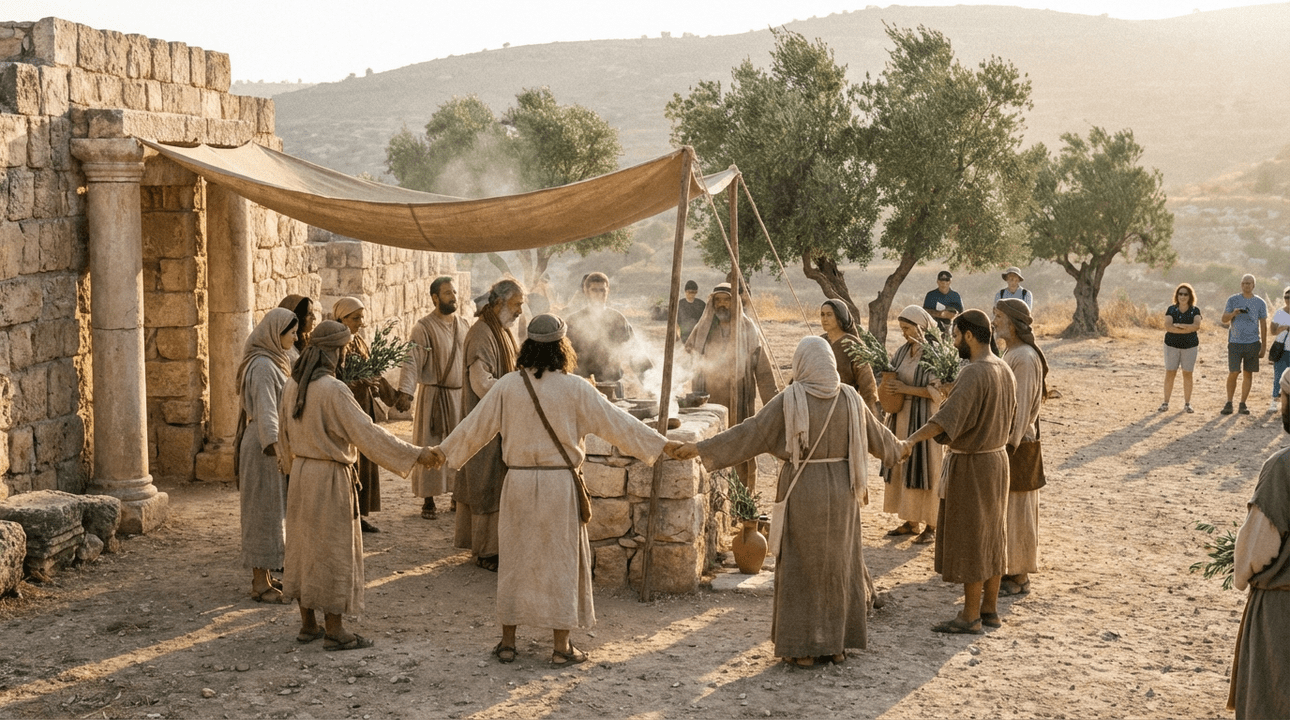
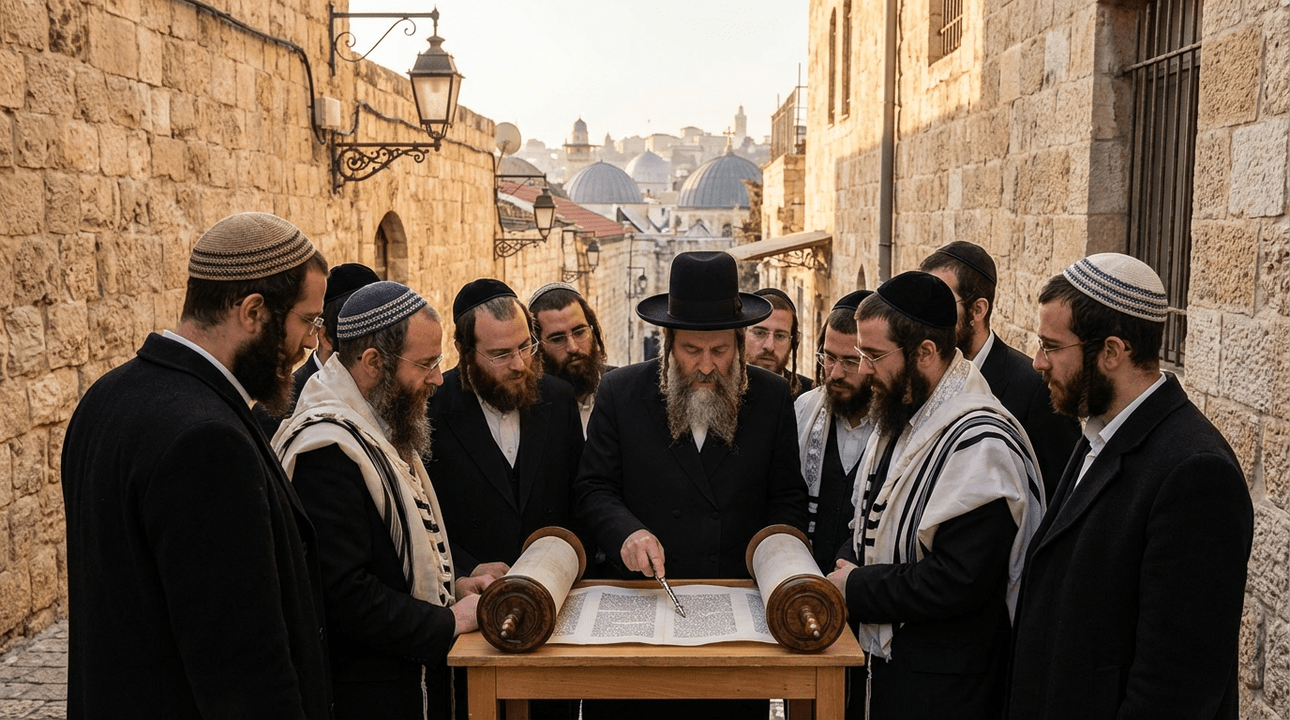
The return from exile and rebuilding efforts in Ezra and Nehemiah mark a new chapter, blending tradition with renewed community spirit. Nehemiah 8:1-3 describes a significant event where Ezra the scribe reads the Torah to the assembly, which included men, women, and all who could understand. This public reading took place on the first day of the seventh month, marking a time of communal reflection and renewal.
The event underscores the importance of scripture in daily life, as the people stood attentive from morning until midday, demonstrating their dedication to the covenant and the reawakening of their faith.
Nehemiah highlights how public Torah reading was central to community life, emphasizing faith renewal and covenant dedication.
Key Biblical Events and Their Locations
