Understanding the Meaning of Meshech in the Bible


The name ‘Meshech’ appears multiple times in the Bible and has intrigued scholars and readers for centuries. It is one of the names listed among the descendants of Noah’s son Japheth, found in the Table of Nations in Genesis 10:2.
This table is significant as it outlines the genealogies of the nations that emerged after the flood. Understanding its historical and cultural context offers insights into biblical geography and ancient peoples, particularly those mentioned alongside Meshech, such as Tubal and Magog.
Meshech is often associated with a region in Anatolia, known today as Turkey. This connection is supported by historical texts and archaeological findings that suggest a link between Meshech and the Mushki, an ancient people mentioned in Assyrian records.
Such connections help us map the movements and interactions of ancient civilizations, as seen in Ezekiel 27:13, providing a richer understanding of the world described in the Bible.
The Mushki, identified by some scholars as the Phrygians, played a significant role in the cultural and political landscape of the region.
from the Western Wall to Masada.
Meshech in the Table of Nations
Meshech is first mentioned in Genesis 10:2, as one of the sons of Japheth. This passage, known as the Table of Nations, outlines the genealogy of Noah’s descendants after the flood. Meshech, along with other names from Japheth’s line, is believed to represent distinct ancient groups or tribes.
This genealogical record is essential for tracing the migration and settlement patterns of these early peoples, providing a framework for understanding biblical history. It highlights the interconnectedness of human societies.
Identifying the Historical Meshech
The identification of Meshech has been the subject of much scholarly debate. Some historians link Meshech to a group known as the Mushki, a people who lived in Anatolia.
This connection is supported by historical evidence that points to interactions between Meshech and other ancient civilizations, as mentioned in Ezekiel 27:13.
Understanding these historical ties offers deeper insights into the geopolitical landscape of the ancient Near East, where trade routes and alliances shaped the development of societies.
Meshech in the Prophetic Books
Meshech makes notable appearances in the prophetic texts of Ezekiel, outlining its interactions with other tribes. In Ezekiel 27:13, Meshech is mentioned as one of the trading partners of Tyre, highlighting its role in ancient trade networks.
Ezekiel 38 describes Meshech as part of a coalition led by Gog, a figure associated with apocalyptic visions. These passages provide a glimpse into Meshech’s strategic importance in biblical narratives, emphasizing its influence in regional politics and trade.
The Mishnah and Rabbinic Literature
In later Jewish texts like the Mishnah, Meshech appears within discussions on ethical and legal topics. These references often reflect rabbinic interpretations of biblical events and characters.
Meshech’s association with trade in Ezekiel 27:13, for instance, is explored in rabbinic literature, highlighting its continuing influence on Jewish thought and law as rabbis sought to draw moral and legal lessons from the narratives of the Torah.
This engagement with Meshech’s story illustrates the dynamic nature of Jewish scholarship.
Such mentions provide a bridge between ancient scriptural references and contemporary religious practice. By examining how Meshech is portrayed in these texts, we gain insight into the ways Jewish scholars have engaged with and interpreted biblical stories.
For instance, Meshech is referenced in Ezekiel 27:13, where it is noted for trading in slaves and bronze, highlighting its role in ancient commerce. This ensures their relevance and application in daily life, demonstrating how historical narratives inform modern ethical considerations.

Cultural Reflections of Meshech
The legacy of Meshech extends beyond religious texts into cultural expressions. From historical records to literary works, Meshech symbolizes ancient wisdom and complexities.
Its mention in Ezekiel 38:2, where Meshech is part of a prophecy involving nations, illustrates how biblical figures and places have influenced literature, art, and cultural identity through the ages.
Ezekiel’s prophecy mentions Meshech alongside Tubal, Gog, and Magog, creating a vivid picture of alliances and conflicts. This has inspired numerous interpretations in art and literature, reflecting the enduring impact of these ancient narratives.
By exploring Meshech, we gain a broader appreciation for the cultural dynamics of the Bible. The integration of Meshech into various forms of cultural expression demonstrates the lasting impact of biblical narratives.
For instance, Meshech’s mention in Ezekiel 32:26, where it is associated with other nations, shows how these stories have shaped and been shaped by the societies that embraced them, offering insights into human thought and creativity.
This passage depicts Meshech among the fallen warriors, symbolizing the transient nature of power.
from the Western Wall to Masada.
Meshech in Christian and Jewish Thought
Christian interpretations of Meshech often focus on its role in biblical prophecy, particularly in the context of Ezekiel 38:2-3, where Meshech is mentioned alongside Gog and Magog.
These interpretations underscore themes of divine justice and eschatology, exploring the idea of a final confrontation between good and evil.
In Jewish thought, Meshech represents historical identities and moral lessons, often seen as a symbol of distant lands and peoples, reflecting the diversity of interpretations surrounding this enigmatic figure.
Reflecting on these perspectives enriches our understanding of Meshech within a broad theological framework. While Christian interpretations may emphasize prophetic elements, Jewish interpretations often focus on the historical and ethical dimensions.
In Jewish tradition, Meshech is seen as part of the lineage from Noah, as noted in Genesis 10:2, offering a multifaceted view of Meshech’s place in biblical literature. This lineage connects Meshech to the broader narrative of humanity’s spread across the earth after the flood.

Modern Research on Meshech
Recent archaeological and linguistic studies provide new insights into Meshech’s identity. These discoveries contribute to an ever-evolving understanding of biblical history.
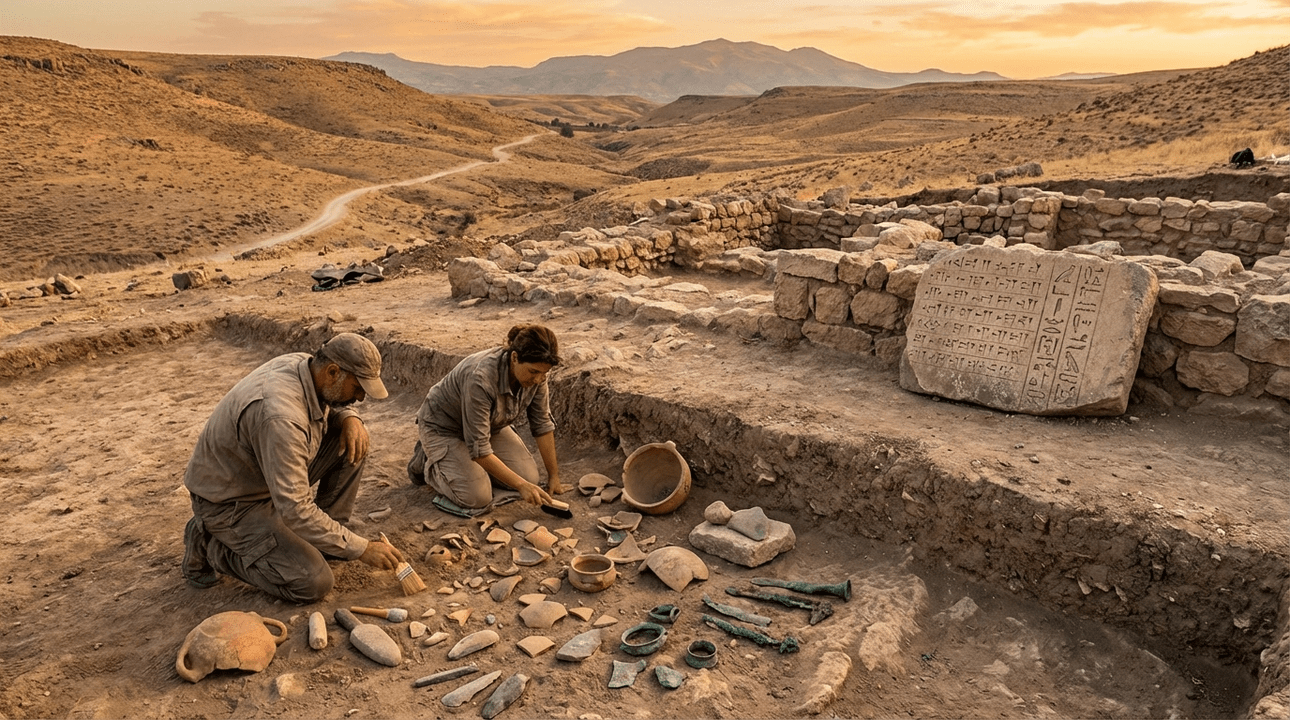
Excavations in regions historically associated with Meshech, such as those mentioned in Ezekiel 27:13, have uncovered artifacts that offer clues about the lifestyle and interactions of these ancient peoples, enriching our comprehension of their role in history.
These findings help bridge the gap between biblical text and historical reality.
Continuous research helps to unravel Meshech’s place within the complex tapestry of ancient societies. By bridging ancient text with modern scholarship, we deepen our knowledge of this fascinating figure.
Listed among the descendants of Japheth in Genesis 10:2, Meshech’s historical significance becomes evident. This allows us to appreciate the intricate connections between biblical accounts and historical realities, enhancing our understanding of ancient cultures.
Exploring Meshech’s Significance Today
In today’s world, the study of Meshech encourages reflection on identity and heritage. Its story fosters connections between past and present, enriching our appreciation of shared histories.
This exploration reveals how ancient narratives, like those in Ezekiel 27:13, continue to resonate in contemporary life, reminding us of the universal themes found in biblical stories, such as the search for belonging and understanding.
Ezekiel 27:13 highlights Meshech’s role in trade, connecting it to broader themes of commerce and cultural exchange.
Reflecting on Meshech reminds us of the enduring power of biblical stories. These narratives, while rooted in specific historical contexts, speak to timeless human experiences and emotions.
For instance, Meshech is mentioned in Ezekiel 38:2-3, where it is part of a prophecy concerning Gog and Magog, illustrating the interconnectedness of nations and peoples. Such stories bridge the gap between ancient and modern times, highlighting the ongoing relevance of biblical teachings.
Meshech and Its Biblical Context