
Unveiling the Symbolism of Frankincense in Jewish Rituals
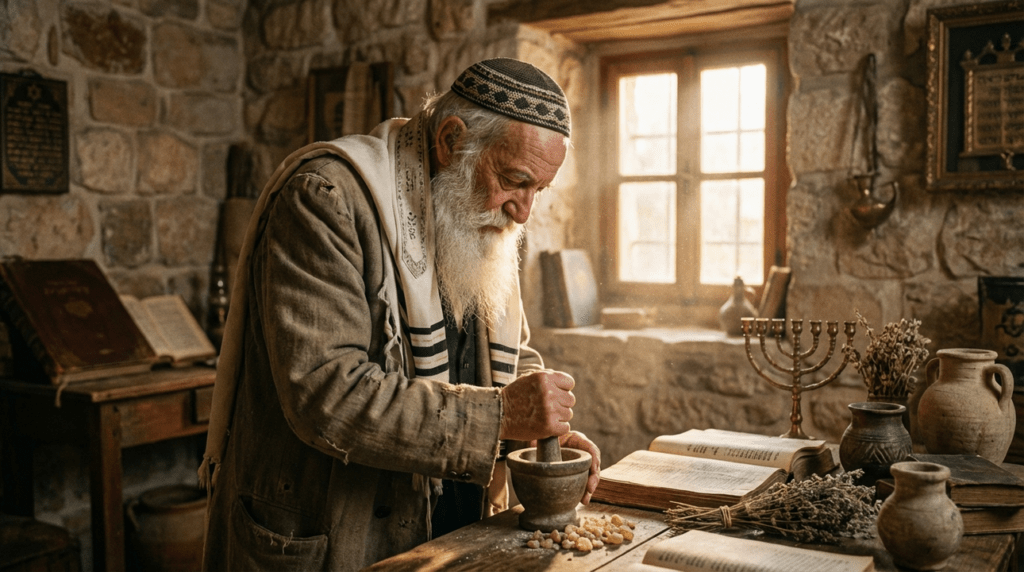

Frankincense has been a treasured substance for millennia, tracing its roots back to ancient rituals. In Jewish mysticism, it provides profound insights into spiritual practices and beliefs. Historically, frankincense was part of the sacred incense in the Temple, as described in Exodus 30:34-38.
This sacred incense was used in daily offerings, signifying its importance in worship. This article explores how frankincense is symbolically integrated within Jewish traditions, examining its significance in both historical and mystical contexts.
The significance of frankincense in Jewish mysticism is further illustrated by its mention in the Talmud, where it is associated with divine service and spiritual elevation. This connection underscores its role in fostering a deeper understanding of spiritual truths.
By examining its historical and mystical applications, we gain insight into how frankincense has shaped religious practices and beliefs over the centuries. Its enduring presence in these traditions highlights its importance as a symbol of devotion and spiritual enlightenment.
from the Western Wall to Masada.
Through this exploration, we aim to connect you with the deep cultural and spiritual heritage that surrounds this aromatic resin. Frankincense’s role in Jewish mysticism, particularly in Kabbalistic practices, reveals its importance in meditation and spiritual enlightenment.
The Zohar, a foundational text of Kabbalah, often references scents like frankincense to elevate spiritual awareness. This exploration seeks to illuminate how this ancient resin continues to inspire spiritual journeys and cultural appreciation, bridging past and present.
In Kabbalistic practices, frankincense is believed to enhance one’s spiritual perception, allowing for a deeper connection to the divine. Used in meditation, it is said to facilitate a heightened state of awareness, promoting introspection and personal growth.
Understanding the role of frankincense in these mystical traditions provides insight into its enduring significance. This ancient resin continues to inspire and guide individuals on their spiritual journeys, offering a bridge between the physical and spiritual realms.
The Role of Frankincense in Ancient Jewish Rituals
Frankincense was a key component in the Temple incense, known as ‘ketoret,’ used in sacred offerings. This incense held spiritual symbolism, representing prayers rising to the heavens.
According to Exodus 30:34-35, the specially formulated incense included frankincense alongside other spices, underscoring its significance. By incorporating frankincense, the offerings emphasized purity and reverence.
The presence of this resin in sacred practices highlights its role in creating a bridge between the earthly and the divine, deepening the spiritual experience for worshippers.
Frankincense in the Temple incense underscores its importance in maintaining the sanctity of worship. Its inclusion in the ‘ketoret’ reflects the desire to create a pure and sacred space for spiritual communion.
This practice emphasizes the role of frankincense in facilitating a deeper connection with the divine, enhancing the spiritual atmosphere of worship. Its continued use in religious rituals highlights its enduring significance as a symbol of devotion and reverence.
Frankincense in the Bible
The Bible references frankincense multiple times, particularly in the context of offerings. In Leviticus 2:1-2, it describes frankincense being used in grain offerings, signaling the divine acceptance of gifts. This resin symbolizes devotion and the desire to connect with holiness.
Beyond ritual sacrifices, frankincense also features in poetic texts like Song of Songs, where its fragrance signifies love and yearning. The aromatic quality of frankincense, integral to its biblical mentions, illustrates its spiritual and sensory impact.
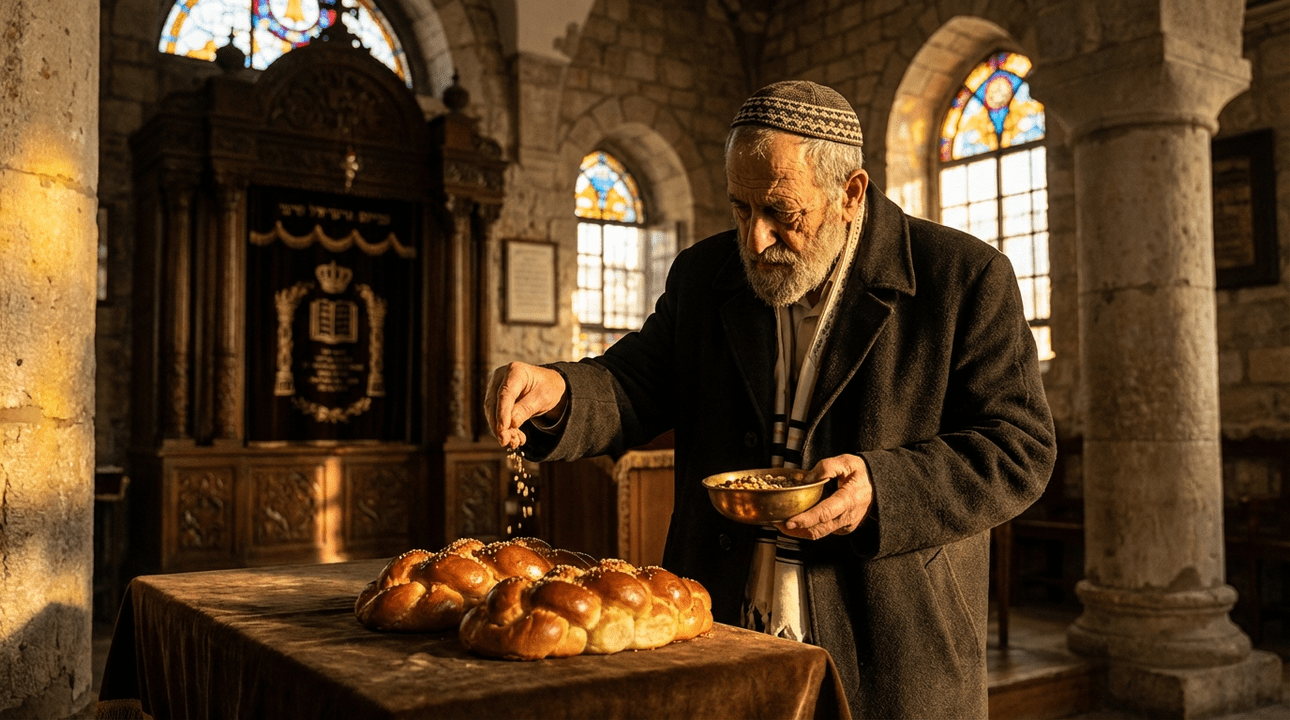
In Leviticus 24:7, frankincense is placed on the bread of the Presence, further highlighting its role in sacred rituals. This practice emphasizes the importance of purity and holiness in worship.
Frankincense’s inclusion in these offerings underscores its significance as a symbol of dedication and reverence. Its role in these contexts reflects a broader cultural appreciation for its spiritual and aromatic qualities, which have been cherished for generations.
Its presence in biblical texts reveals a deep connection to spiritual practices.
Symbolic Interpretations in Jewish Mysticism
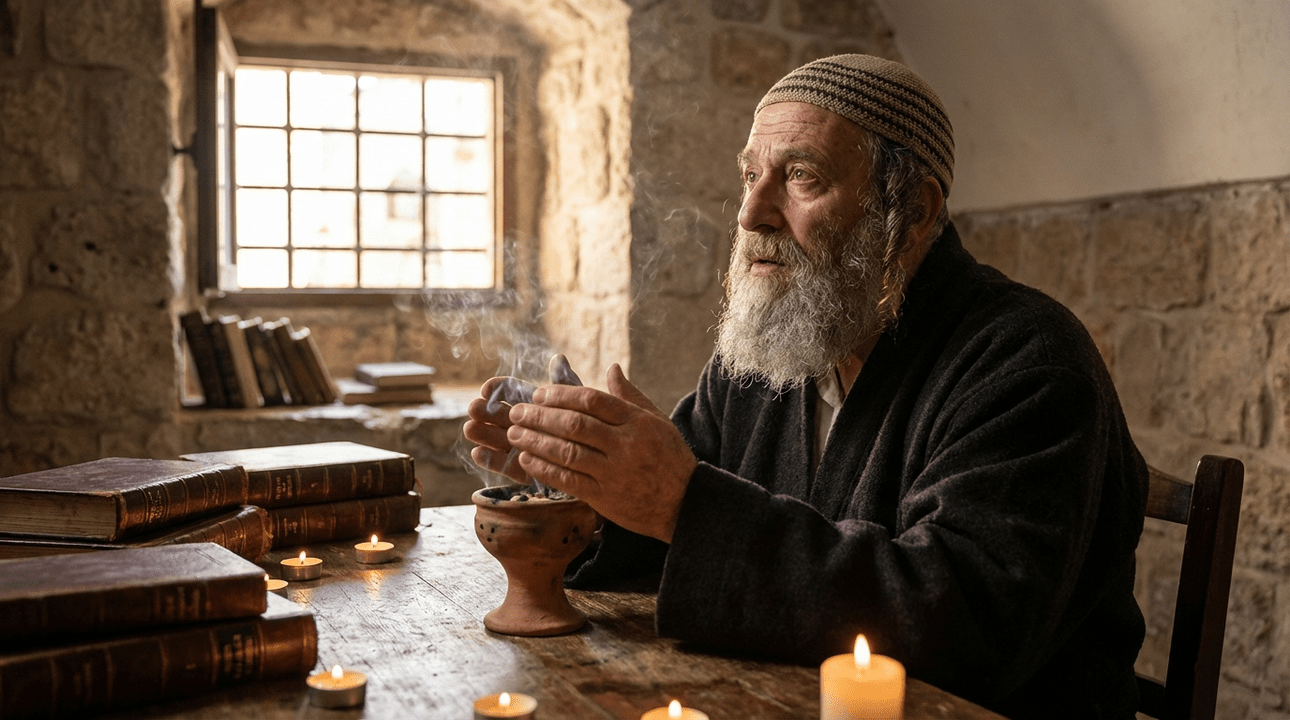
In Jewish mystical thought, frankincense symbolizes transformation and elevation. Kabbalistic interpretations view its smoke as a metaphor for the soul’s ascension. This perspective aligns with the broader concept of using scents to elevate spiritual awareness.
The Zohar, a key text in Kabbalah, often discusses the transformative power of incense in spiritual practices. Frankincense’s transformative qualities connect the physical and spiritual realms, representing an individual’s journey toward enlightenment.
This embodiment of spiritual ascent illustrates the profound role it’s believed to play within mystical practices.
Frankincense as a Symbol of Purity
Purity is a central theme in the symbolism of frankincense. The resin’s role in religious ceremonies underscores a commitment to inner cleanliness. In Leviticus 24:7, frankincense was placed on the bread of the Presence, symbolizing purity and holiness.
This practice was integral to the rituals in the Tabernacle, where maintaining holiness was paramount. Its fragrance aids in creating an environment conducive to introspection and sacred communion.
This association with purity extends to personal spirituality, encouraging practitioners to seek moral clarity and deeper connection with their faith.
Frankincense in purification rituals highlights its role in fostering an atmosphere of spiritual renewal. Its aromatic qualities are believed to cleanse the mind and spirit, promoting a sense of inner peace and clarity.
This enduring symbolism of purity and holiness continues to inspire individuals on their spiritual journeys. By incorporating frankincense into their practices, individuals can cultivate a deeper connection to their faith and seek a more profound understanding of their spiritual path.
Frankincense continually serves as a reminder of the importance of purification in spiritual pursuits. Historically, it was believed to purify spaces and individuals, a practice still observed in modern spiritual rituals.
In Exodus 30:34-38, frankincense is mentioned as part of the sacred incense, highlighting its role in purification.
This enduring symbolism of purity and spiritual cleansing highlights frankincense’s role in guiding individuals toward a more profound spiritual journey, fostering an environment for reflection and inner peace.
In addition to its purifying properties, frankincense is also associated with protection and healing. Used in rituals, it is believed to ward off negative energies, creating a safe and sacred space for spiritual exploration.
The continued reverence for frankincense in purification practices underscores its importance in spiritual traditions. It serves as a powerful symbol of renewal and transformation, encouraging individuals to seek clarity and balance in their spiritual lives.
Frankincense and Community in Jewish Rituals
Rituals involving frankincense often reinforce community bonds. The shared experience of its aromatic presence during ceremonies builds a collective sense of purpose and spirituality.
In the Torah, communal offerings often included frankincense, as seen in Numbers 5:15, highlighting its role in unifying the community. These offerings were a vital part of communal worship and spiritual expression.
Communal settings that feature frankincense invite participants to unite in their spiritual aspirations. This aspect of gathering underscores the importance of community in preserving and celebrating Jewish traditions.
from the Western Wall to Masada.
Frankincense in communal rituals is a testament to its enduring role in fostering a shared spiritual journey. During significant Jewish festivals, such as Sukkot, its aroma helps create an atmosphere of reverence and unity.
In the Torah, frankincense was a key component in offerings, as seen in Numbers 5:15, emphasizing its communal significance. This communal act of faith through frankincense serves as a reminder of the collective commitment to spiritual growth and the preservation of cultural heritage.
In addition to Sukkot, frankincense is also associated with other Jewish celebrations, where it enhances the sensory experience of worship. Its fragrance is believed to elevate the spiritual atmosphere, encouraging reflection and connection among participants.
The historical use of frankincense in these communal settings highlights its role in uniting people through shared traditions and beliefs. It serves as a bridge between past and present, connecting individuals to their cultural and spiritual roots.
Frankincense and Offerings: A Bridge to the Divine
Offerings that include frankincense serve as a metaphorical bridge, bringing the faithful closer to the divine presence. The act of offering this resin is both a literal and symbolic gesture of devotion.
In the Bible, frankincense was part of the incense used in the Tabernacle (Exodus 30:7-8), representing the prayers of the people. The smoke rising from the incense symbolized the ascent of prayers to the divine. In essence, frankincense embodies the hope for divine favor and acceptance.
It extends beyond mere tradition, becoming a spiritual offering that transcends time.
Frankincense in offerings highlights its role in fostering a sense of connection and communication with the divine. Its aromatic qualities are believed to create a sacred atmosphere, enhancing the spiritual experience for worshippers.
This symbolic act of offering frankincense serves as a reminder of the enduring desire for spiritual connection and divine acceptance. It continues to inspire individuals to seek a deeper understanding of their faith and to engage in meaningful spiritual practices.
Frankincense maintains a powerful connection between humanity and the divine. In ancient times, it was considered a precious commodity, often traded along routes like the Incense Road, which connected the Arabian Peninsula with the Mediterranean.
This trade route was vital for the economic and cultural exchanges between regions, dating back to the 3rd century BCE.
This historical context enriches its symbolic meaning, illustrating how frankincense has been valued for its spiritual and economic significance, reinforcing its role as a timeless symbol of devotion.
The Incense Road facilitated the exchange of not only goods but also ideas and cultural practices, further enhancing the significance of frankincense in ancient societies. Its trade helped to spread its use in religious and spiritual rituals across different cultures.
Understanding the historical importance of frankincense trade highlights its role in shaping cultural and spiritual landscapes. This ancient resin continues to be cherished for its ability to connect people with their spiritual heritage, transcending geographical and cultural boundaries.
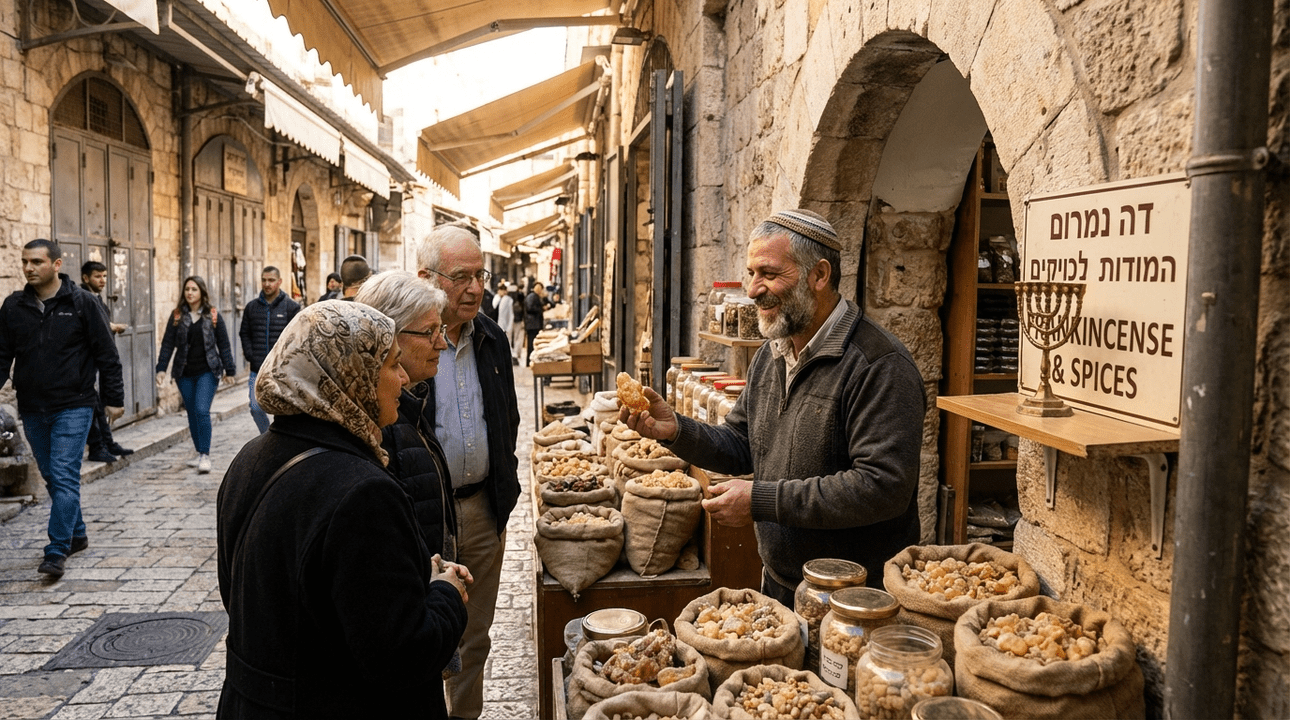
Modern Reflections on Frankincense
Today, frankincense continues to symbolize universal themes of spirituality and connection. Its historical role in Judaism offers a lens through which to view personal faith journeys. In the Torah, frankincense was used in offerings as described in Exodus 30:34-38, highlighting its sacred status.
This sacred use underscores its role in connecting the community with their spiritual roots. Modern use of frankincense in spiritual practices affirms its lasting impact. It bridges ancient tradition with contemporary spiritual exploration, inviting individuals to explore its rich symbolic landscape.
The continued reverence for frankincense in modern spiritual practices reflects its enduring significance. Used in meditation and prayer, it serves as a reminder of the timeless connection between individuals and their faith.
By exploring the symbolic landscape of frankincense, individuals can gain a deeper understanding of their spiritual heritage. This ancient resin continues to inspire and guide spiritual journeys, offering a bridge between the past and present.
In contemporary settings, frankincense is often used in meditation and prayer, reflecting its enduring spiritual significance. The aroma of frankincense, mentioned in Leviticus 2:1-2, was believed to carry prayers to the divine, symbolizing a connection between the earthly and the sacred.
This practice dates back to the time of the Tabernacle, where incense played a crucial role in worship. This enduring tradition invites individuals to engage with their spirituality in a tangible way, fostering a sense of peace and introspection that transcends time.
Modern practitioners often incorporate frankincense into their spiritual routines, using it to enhance meditation and create a serene environment. Its calming fragrance is said to promote focus and clarity, aiding individuals in their pursuit of spiritual growth.
The continued use of frankincense in these practices demonstrates its lasting impact on spiritual exploration. It serves as a reminder of the timeless connection between humans and the divine, encouraging a deeper understanding of one’s faith and beliefs.
Common Questions
