
Understanding the Symbolism of the Olive Branch in the Bible
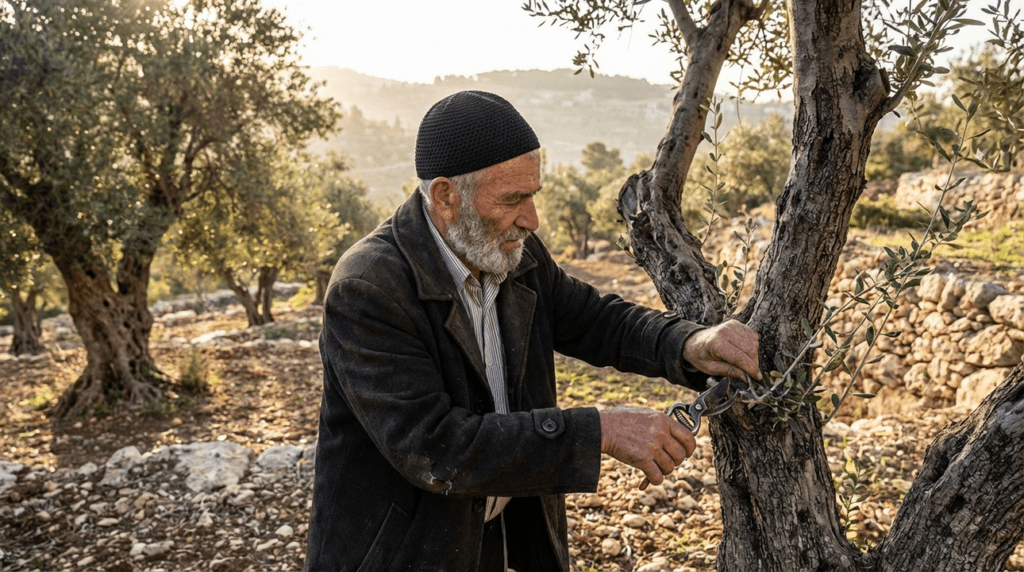

The olive branch carries deep meanings within the Bible, often symbolizing peace and hope. In the story of Noah, the dove’s return with this branch marked the end of the flood, symbolizing renewal and divine promise (Genesis 8:11).
Its presence in biblical stories invites us to explore the reasons and contexts for its enduring symbolism. As we delve into the rich layers of this sacred symbol, we’ll discover its significance in Jewish mysticism, where it represents divine harmony and protection.
The symbolism of the olive branch extends beyond peace, encompassing themes of reconciliation and unity. In Jewish mysticism, it is seen as a symbol of divine protection, offering a sense of security and comfort.
This multifaceted symbol encourages us to reflect on the importance of peace in our lives and communities. By understanding its historical and spiritual significance, we can appreciate its role in fostering harmony and connection among people.
from the Western Wall to Masada.
The First Appearance of the Olive Branch in Scripture
The olive branch first appears in the story of Noah. In Genesis 8:11, a dove brings back an olive leaf to Noah, signifying the end of the flood. This simple gesture of the dove has come to symbolize peace, renewal, and new beginnings.
The olive tree itself was known for its resilience and long life, characteristics that enhanced its symbolic power. The story of Noah and the flood is a foundational narrative that highlights this branch as a sign of hope and a fresh start for humanity.
The role of the olive branch in this story has made it a universal symbol of peace, transcending religious boundaries. It is often depicted in art and literature as a representation of reconciliation and the possibility of a brighter future.
In Jewish tradition, its symbolism is further enriched by its connection to the land of Israel, where olive trees have been cultivated for thousands of years. This deep-rooted history adds layers of meaning to the olive branch as a symbol of enduring peace and renewal.
The Peaceful Significance of the Olive Branch
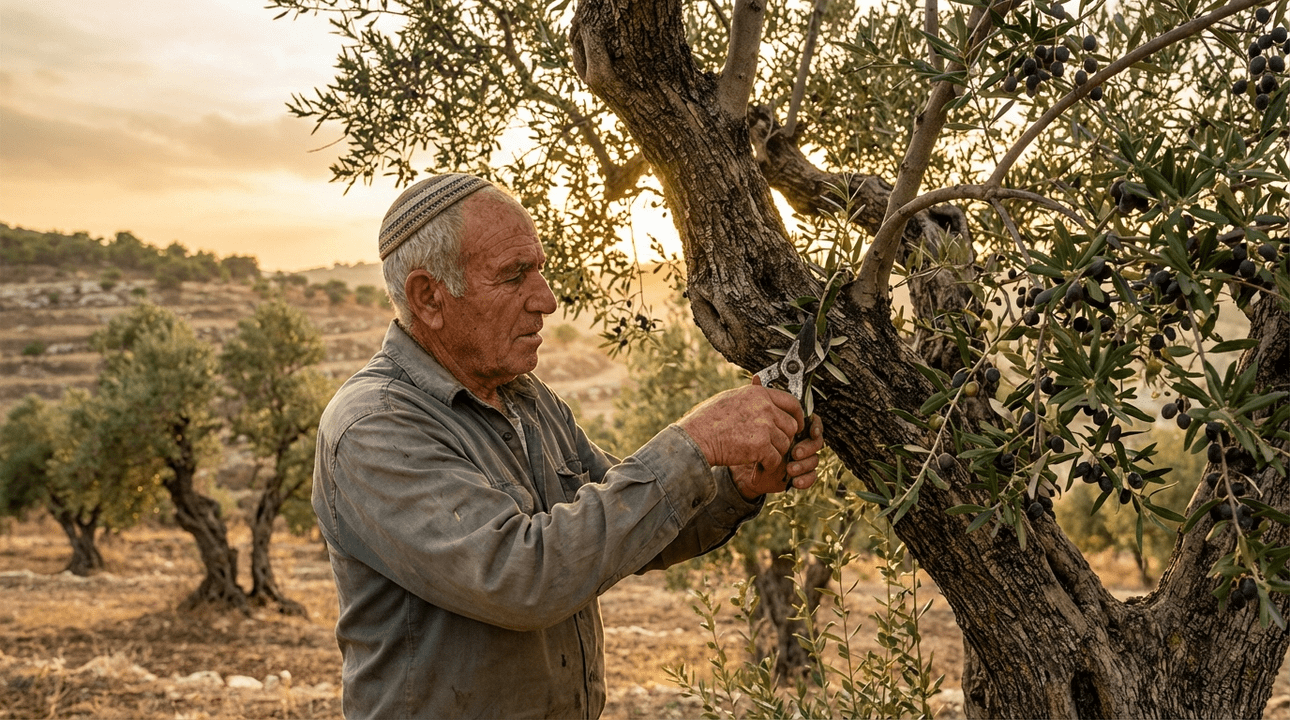
In Jewish mysticism, the olive branch signifies not only peace but also divine harmony and protection. The transformation of the olive tree’s bitter fruit into nourishing oil is seen as a symbol of life’s greater cycles.
This transformation reflects the journey from adversity to enlightenment, embodying the potential for personal and spiritual growth. This process is often related to the belief in the guidance of a higher power, reflecting a journey from adversity to enlightenment.
The olive branch, therefore, embodies the potential for growth and renewal, aligning with the mystical traditions that emphasize spiritual evolution. Its role in these traditions highlights its importance in fostering spiritual harmony and balance.
In Jewish mysticism, the symbolism of the olive branch also includes themes of spiritual protection and guidance. It is believed to offer a sense of safety and comfort, reminding us of the divine presence in our lives.
By understanding its mystical significance, we can appreciate its role in fostering spiritual growth and transformation. This sacred symbol encourages us to seek harmony and balance in our spiritual journey, reflecting the deeper truths of our existence.
According to Chabad, the olive branch’s symbolism of peace ties back to its biblical roots, representing connections and reconciliation. In Genesis 8:11, it is first introduced when a dove brings it to Noah, symbolizing the end of the flood and a new beginning for humanity.
This is one reason why it is often used in rituals and ceremonies tied to peace and unity. The act of offering an olive branch has become synonymous with seeking peace and mending relationships.
It embodies the concept of returning to a state of harmony, both within oneself and among people. This symbolism is reflected in various Jewish traditions where it is used to signify the hope for a peaceful future.
In modern times, the olive branch remains a powerful emblem in international diplomacy, often seen in peace treaties and agreements. This enduring symbol reminds us of the importance of striving for reconciliation and unity in our communities and personal lives.
Olive Symbolism in Jewish Rituals
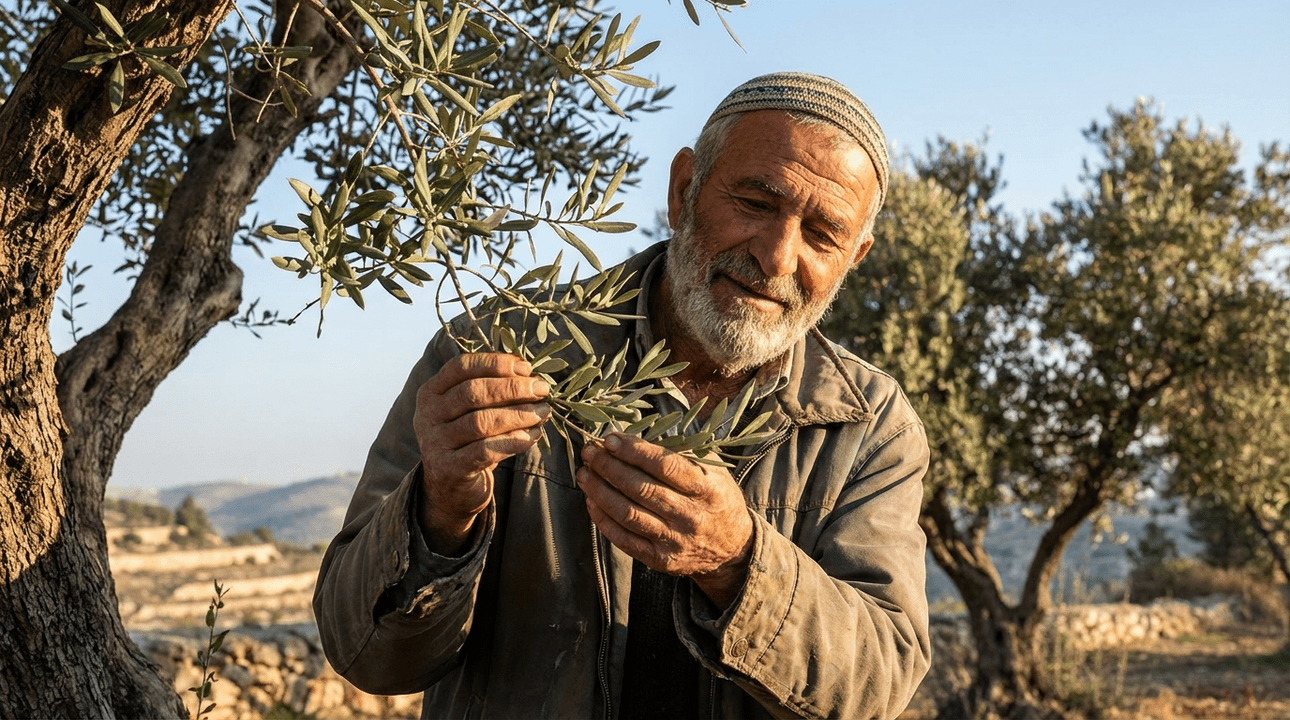
Olive oil holds a special place in Jewish rituals as a symbol of purity and light. It was used to anoint kings and priests, marking them as chosen and set apart, as seen in 1 Samuel 16:13 when Samuel anoints David.
This anointing with olive oil was both a physical act and a spiritual declaration, highlighting the olive’s deep-rooted connections with divine purpose. The use of olive oil in religious ceremonies underscores its significance as a conduit for divine presence and blessing.
from the Western Wall to Masada.
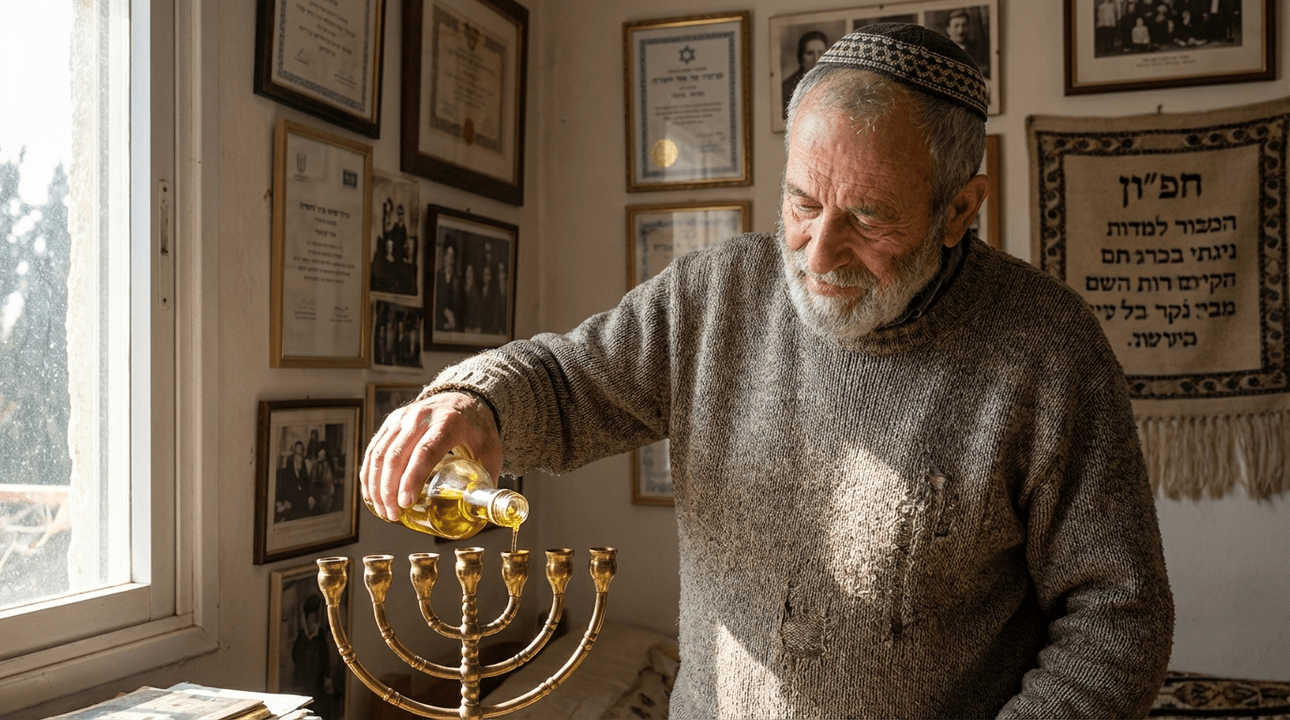
In addition to anointing, olive oil was used in the menorah, the seven-branched lampstand in the Temple, symbolizing eternal light and wisdom. This sacred use of olive oil further emphasizes its importance in Jewish tradition.
The process of producing olive oil, from harvesting to pressing, mirrors the spiritual journey of refinement and purification. This connection to light and purity makes olive oil a powerful symbol in Jewish rituals, representing the divine light that guides and illuminates the path of the faithful.
The Resilient Nature of the Olive Tree
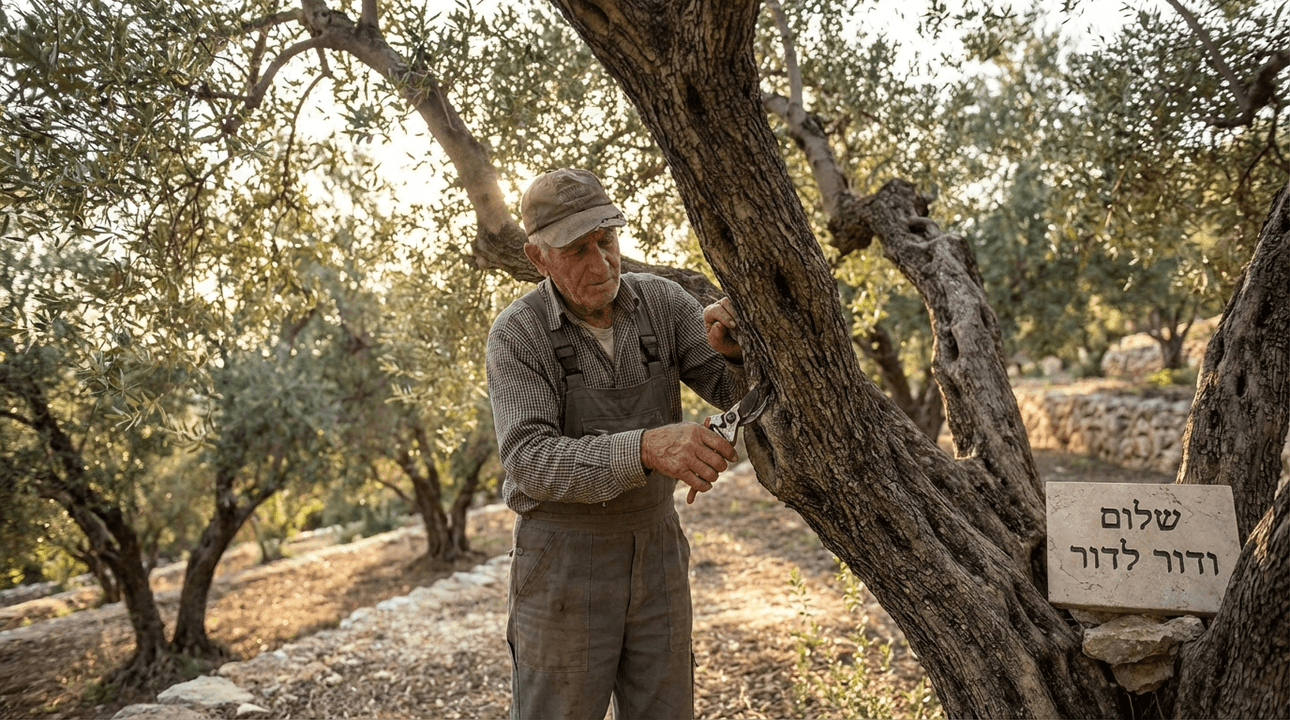
Olive trees are renowned for their long life and resilience, often thriving in harsh conditions. These trees can live for hundreds, even thousands of years, as seen in the ancient olive trees in the Garden of Gethsemane.
This resilience is symbolically linked to perseverance and hope, embodying qualities necessary for spiritual growth. The olive tree’s ability to flourish despite adversity is a testament to the enduring spirit of the Jewish people, who have faced numerous challenges throughout history.
In a broader sense, the olive tree’s ability to endure is mirrored in the enduring nature of the Jewish people through history. This connection is celebrated in Jewish culture, where the olive tree is seen as a symbol of continuity and survival.
The olive tree’s deep roots and ability to regenerate even after being cut down serve as a metaphor for renewal and hope. It reminds us that, like the olive tree, we can overcome difficulties and emerge stronger and more resilient.
Olive Branches in Modern Symbolism
Today, olive branches are universal symbols of peace. They appear on national emblems, such as the United Nations flag, and are often used in diplomatic contexts to signify a commitment to reconciliation and unity.
This modern usage roots back to its ancient biblical symbolism, reflecting continuity and the timeless nature of peace as an ideal. The olive branch’s enduring presence in these contexts underscores its role as a symbol of hope and the enduring human desire for harmony.
Concluding Thoughts on the Olive Branch
The olive branch remains a potent symbol in both religious and secular worlds. Its associations with peace, resilience, and spirituality continue to inspire and unite people globally.
In the Bible, the olive tree is often linked to prosperity and divine favor, as seen in Psalms 52:8, where it represents a flourishing life. Understanding its biblical roots can deepen our appreciation of its role in promoting harmony.
The symbolism of the olive branch extends beyond religious texts, influencing art, literature, and even international diplomacy.
The olive branch is a timeless reminder of peace and unity, with its origins deeply rooted in biblical tradition. In the story of Noah and the flood, the dove returning with it signaled the end of the deluge and the beginning of a new era of peace (Genesis 8:11).
This imagery has transcended religious texts, resonating across diverse cultures and contexts today. It continues to be a beacon of hope and reconciliation, symbolizing the possibility of new beginnings and harmonious relationships.
The symbolism of the olive branch is reflected in its use in modern peace efforts and international diplomacy. Its presence in these contexts highlights the universal desire for peace and the enduring hope for a better future.
The olive branch serves as a powerful reminder of the importance of striving for unity and understanding in our world. By embracing its lessons, we can work towards creating a more harmonious and peaceful society.
Olive Branch Symbolism
