Exploring the Biblical Significance of Jerusalem, Judea, and Samaria
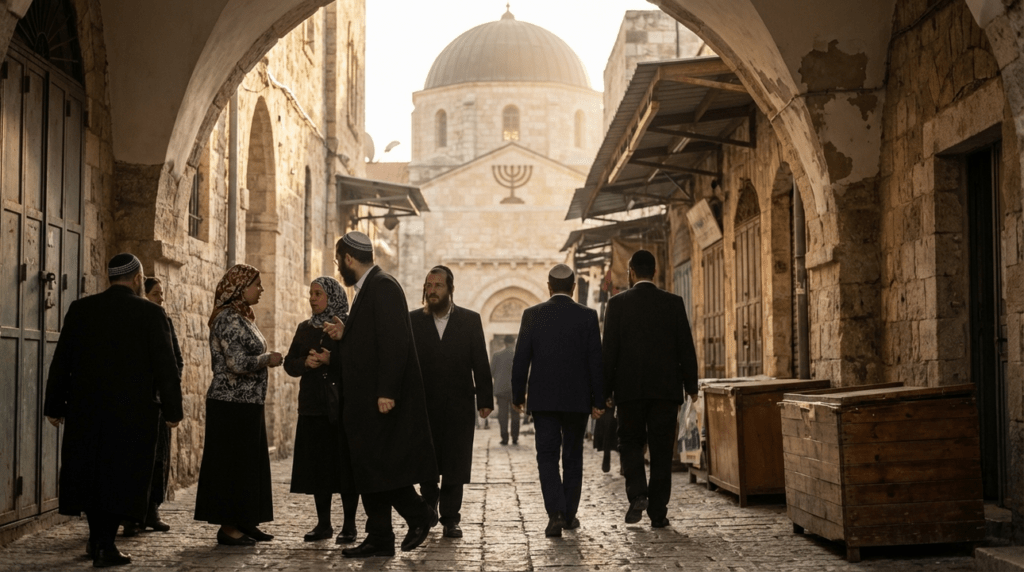

Jerusalem is a name that resonates deeply within the Bible. It is a city that has been at the heart of Jewish history and identity. The city is first mentioned in Genesis 14:18, where Melchizedek, king of Salem, brings out bread and wine to Abram, symbolizing peace and hospitality.
As we explore its significance, alongside Judea and Samaria, we uncover layers of cultural and spiritual meaning. Often regarded as the city of David, he established it as the capital of Israel (2 Samuel 5:6-7), making it a central location for Jewish worship and governance.
Judea and Samaria also hold deep biblical roots. Judea, the southern kingdom, was the heartland of the tribes of Judah and Benjamin. It was here that many prophets, such as Isaiah and Jeremiah, delivered their messages, calling for repentance and faithfulness.
Samaria, to the north, was the capital of the Northern Kingdom, often associated with the prophets Elijah and Elisha (1 Kings 16:24). These regions are not just geographical locations but are imbued with stories of faith and resilience, reflecting the enduring spirit of the Jewish people.
from the Western Wall to Masada.
Jerusalem: The City on a Hill
From its earliest mentions in biblical texts, Jerusalem is depicted as a city of great importance. In 2 Samuel 5:7, David captures it, which becomes the City of David, a significant political and spiritual center.
As the location of Solomon’s Temple, it became a symbol of unity and a place of divine presence. The city rests on a series of hills, making it a natural fortress in antiquity.
The Temple’s construction began in the fourth year of Solomon’s reign (1 Kings 6:1), marking a pivotal moment in Jewish history.
The Role of Jerusalem in Prophecy
In prophetic literature, Jerusalem often symbolizes hope and redemption. Isaiah speaks of a future where peace will radiate from the city (Isaiah 2:3). This vision is echoed in Zechariah 8:3, where it is called the ‘City of Truth,’ emphasizing its role as a center of divine justice.
The city serves as a powerful symbol for the relationship with the divine and the promise of restoration. This prophetic vision highlights its enduring significance in Jewish thought. It is seen as the ultimate destination for spiritual enlightenment.
Judea and Samaria: Regions of Heritage
The regions of Judea and Samaria hold a pivotal place in the Bible. Judea, the southern district, is linked with the Kingdom of Judah. It was home to Jerusalem and many significant biblical events, such as the reign of King Solomon, who built the First Temple (1 Kings 6:1).
Samaria, situated to the north, was the capital of the Northern Kingdom of Israel. It was established by King Omri and later became associated with the prophet Elijah, who confronted the prophets of Baal on Mount Carmel (1 Kings 18:19-40).
These areas are rich with stories of prophets, kings, and patriarchs, each leaving a lasting mark on biblical narrative. The story of the Good Samaritan, for example, highlights the cultural and religious tensions between Judea and Samaria during the time of the divided kingdoms.
The historical and spiritual significance of these regions continues to resonate today, as they are seen as integral parts of the Jewish homeland. The legacy of Judea and Samaria is woven into the fabric of Jewish history and identity, underscoring the deep connection to the land.
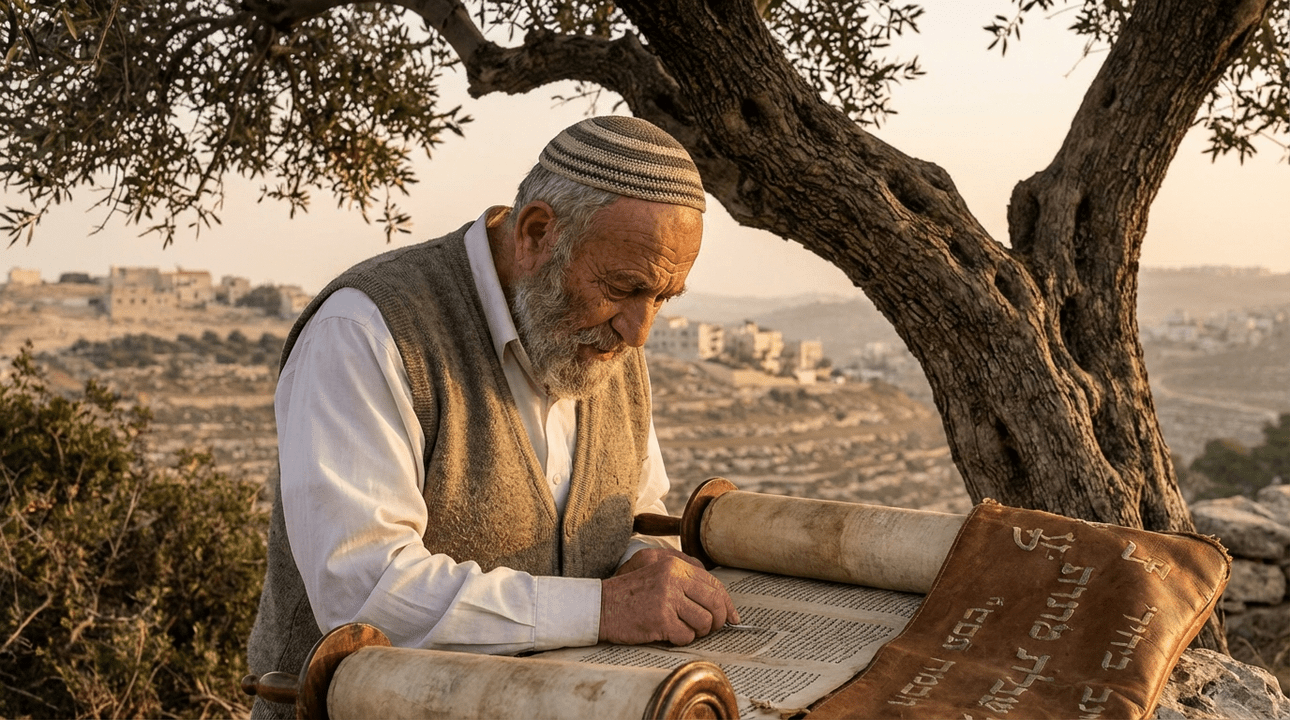
Cultural Significance of Judea and Samaria
Judea and Samaria are not merely locations but storied lands with profound cultural legacy. In the time of the prophets, these regions were central to the spiritual and political struggles of ancient Israel.
They saw the rise and fall of kings, such as King Saul and King David, and were the backdrop for major biblical events. These regions continue to evoke a sense of history and faith, resonating through Jewish consciousness.
The prophets Amos and Hosea delivered their messages in these lands, calling for justice and righteousness, emphasizing the moral responsibilities of the people.
from the Western Wall to Masada.
The significance of Judea and Samaria is further highlighted by the stories of the patriarchs. Abraham, Isaac, and Jacob traveled through these regions, establishing altars and making covenants with the divine (Genesis 12:7, 26:25, 35:1).
Today, Judea and Samaria remain central to Jewish identity, serving as a living link to the past. The connection to these lands is not just historical but deeply spiritual, reflecting the enduring faith and resilience of the Jewish people across generations.
Jerusalem’s history as a spiritual center for Judaism is unparalleled. Its significance has been magnified by its association with key biblical events. Throughout scripture, the city is not only a political capital but also a religious beacon.
King David established Jerusalem as the capital, and his son Solomon built the First Temple there (1 Kings 8:1-11). It serves as the focal point of Jewish worship and a place of pilgrimage. This spiritual resonance continues to draw visitors seeking connection to their faith.
The Western Wall, a remnant of the Second Temple, remains a site of prayer and reflection.
Jerusalem is also the setting for many prophetic visions, such as those in the book of Isaiah, which speak of a future where nations will gather in peace (Isaiah 2:2-4). The city’s name itself means ‘City of Peace,’ though its history has been tumultuous, marked by conquests and rebuilding.
Despite the challenges, it remains a symbol of hope and unity for the Jewish people. Its enduring significance is reflected in the phrase ‘Next year in Jerusalem,’ a traditional expression of longing and aspiration recited during Passover.
Conclusion: The Lasting Impact of Jerusalem, Judea, and Samaria
In this exploration of Jerusalem, Judea, and Samaria, we find a tapestry of history, belief, and identity. Its role as a spiritual epicenter, alongside the cultural narratives of Judea and Samaria, continues to shape Jewish life.
The city is mentioned over 600 times in the Bible, highlighting its central role. These lands hold a mirror to the past and a promise for the future. Their stories speak not only of resilience but also of hope and collective memory.
The prophets often spoke of a future restoration of Israel, with Jerusalem as its heart.
The historical events that took place in these regions, such as the Babylonian exile and the return under Cyrus the Great in 538 BCE, are pivotal.
The return to Jerusalem and the rebuilding of the Temple, as described in the books of Ezra and Nehemiah, symbolize renewal and hope for the Jewish people. These stories continue to inspire those who seek a deeper connection to their heritage and faith.
The enduring legacy of these lands is a testament to the unbroken bond between the Jewish people and their ancestral homeland.
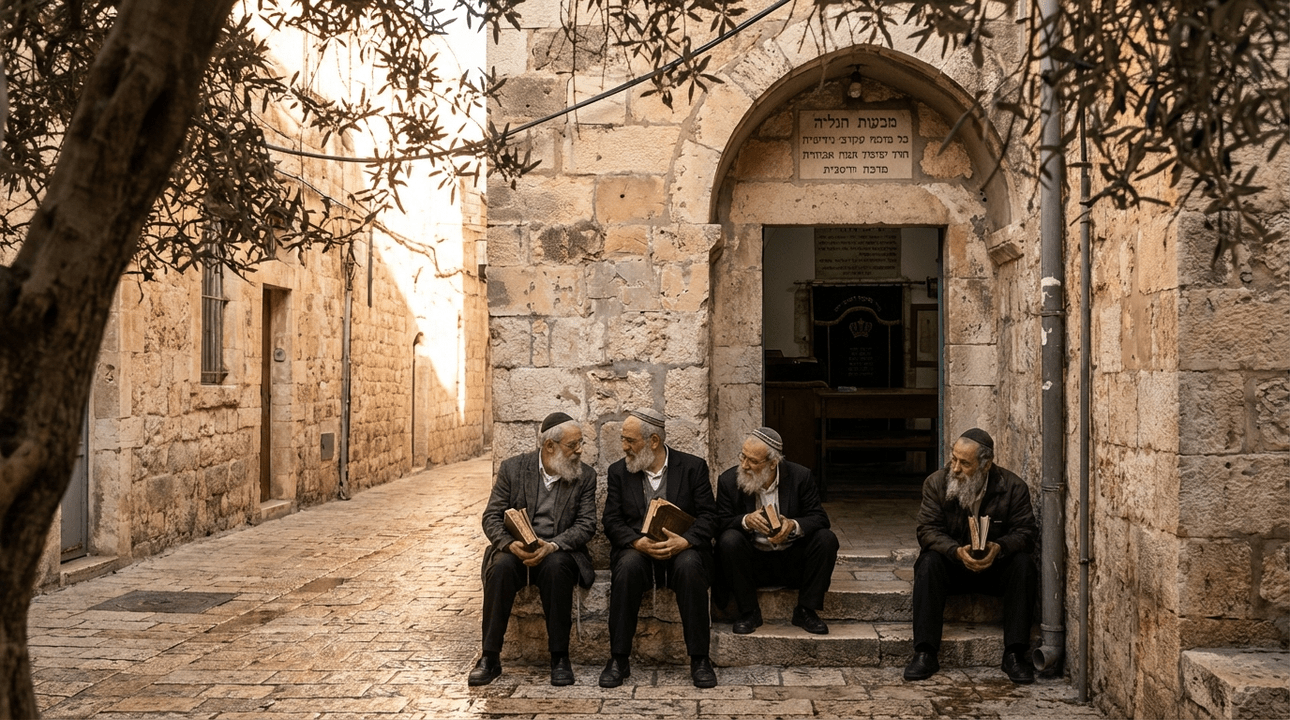
Understanding the Biblical Significance