
Understanding Zion: A Biblical Exploration
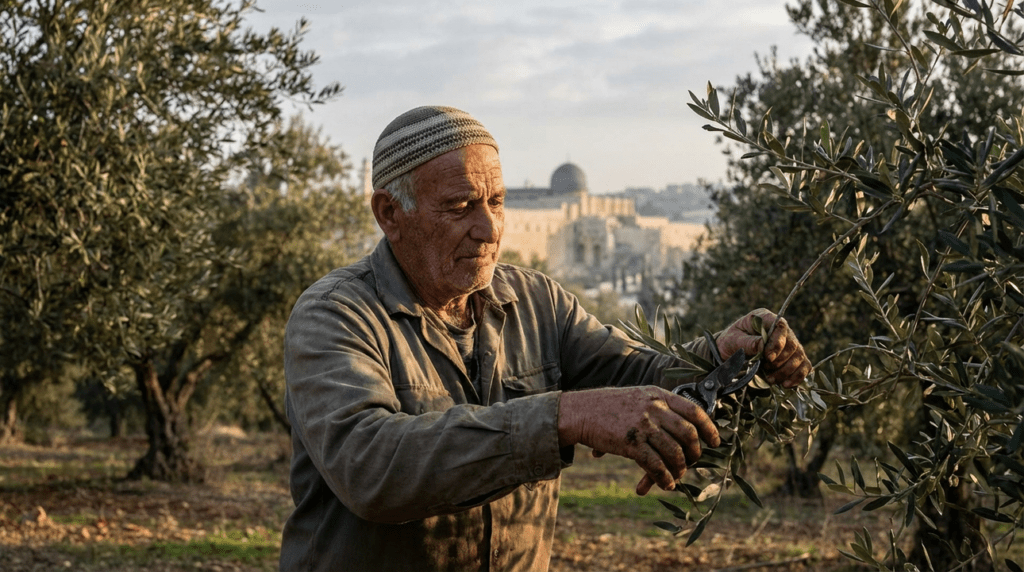

Zion is more than a name in the Hebrew Bible. It is a symbol encapsulating history, identity, and hope for a people deeply connected to their land. Originally, Zion referred to a fortress captured by King David, as mentioned in 2 Samuel 5:7. Over time, it came to symbolize Jerusalem itself and the broader concept of a promised land.
This exploration delves into the multifaceted meaning of Zion, tracing its roots from a fortress to a powerful symbol relevant in Jewish tradition today.
Zion is not just a geographical location; it embodies the spiritual and historical journey of a nation, making it a cornerstone of Jewish faith and culture, deeply rooted in the collective consciousness.
from the Western Wall to Masada.
The Origins of Zion
Zion’s story begins in the Second Book of Samuel. Initially a Jebusite fortress, it was captured by King David as described in 2 Samuel 5:7. Here, Zion established itself as the City of David, marking the heart of his kingdom.
The term itself likely means ‘fortress’ or ‘dry place,’ reflecting its strategic position. This origin is central, grounding Zion in a tangible historical location that would later become a cornerstone of Jewish identity.
Understanding Zion’s geographic significance is essential, as it became synonymous with Jerusalem, reinforcing its status as the spiritual center for the Jewish people.
As the City of David, Zion was more than just a strategic conquest. It became the political and religious nucleus of the nation. Positioned on a hill in Jerusalem, it offered both protection and prominence. The choice of Zion as a capital was strategic, chosen for defense and centrality.
But its role quickly transcended the practical to become a symbol of David’s new unified kingdom. David’s choice established a connection between Zion and the destiny of the people, embedding it in the nation’s collective consciousness.
Zion and the Temple
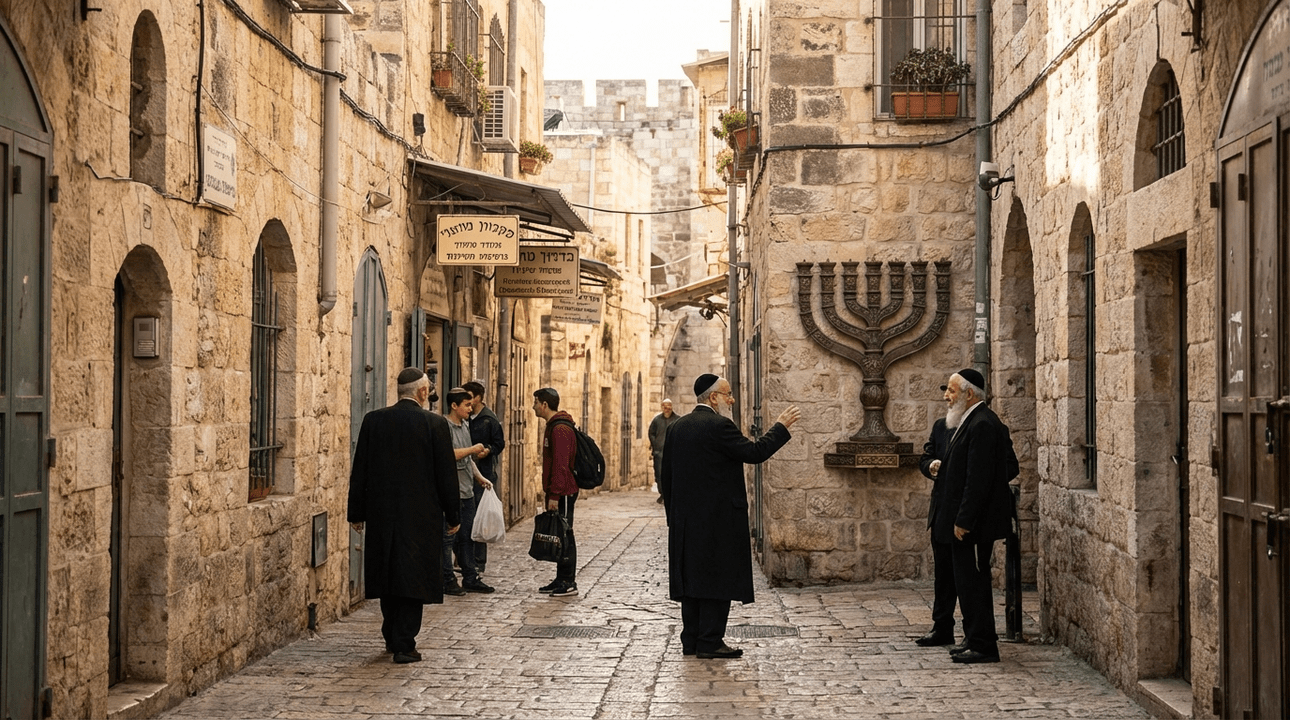
With Solomon’s construction of the First Temple, Zion’s role expanded. Located on Mount Moriah, adjacent to Zion, the Temple became the dwelling of divine presence. The Psalms frequently emphasize this connection, referring to Zion as the place God chose for His presence, such as in Psalm 132:13.
This association transformed Zion into a symbol of divine and spiritual significance, linking it to the broader spiritual identity of the nation, serving as a focal point for worship and connection.
In the Book of Psalms, Zion embodies divine favor and protection. Psalm 48, for example, celebrates Zion as ‘the city of our God,’ highlighting its importance. Such references encouraged a spiritual understanding of Zion as a place of refuge and divine dwelling, far beyond its geographical roots.
Zion’s significance in religious texts reinforced its status as a spiritual center, deeply connecting it to the Jewish faith, serving as a symbol of divine presence and protection.
Zion in the Prophets
Prophetic literature further elevates Zion’s symbolism. For Isaiah and other prophets, Zion represented hope and future redemption. Isaiah 2:3 envisions a time when wisdom and divine word will emanate from Zion, portraying it as a beacon of future peace and justice.
This vision positioned Zion as an eternal symbol of hope, promising renewal and spiritual resilience in troubled times, offering a guiding light for those seeking solace and direction.
Zion in prophetic texts is a symbol of ultimate redemption, offering a vision of a harmonious future and divine guidance, where peace and learning are central to its identity.
In Jeremiah and Zechariah, Zion is both a symbol of lament and a promise of joy. Jeremiah sees it as a place of renewal, while Zechariah speaks of great rejoicing. These prophecies assured the enduring bond between Zion and the people, rooting hope in divine promises.
In Jeremiah and Zechariah, Zion is both a symbol of lament and a promise of joy. Jeremiah sees it as a place of renewal, while Zechariah speaks of great rejoicing. These prophecies assured the enduring bond between Zion and the people, rooting hope in divine promises.
The prophetic vision expands Zion’s significance to encompass renewal and redemption, sustaining its place in the Jewish imagination as a source of eternal hope and divine promise.
Zechariah 8:3 paints a vivid picture of a future where Zion is a city of truth and joy, reflecting a vision of divine restoration. This verse shows Zion as a place where integrity and happiness flourish, a promise of better times.
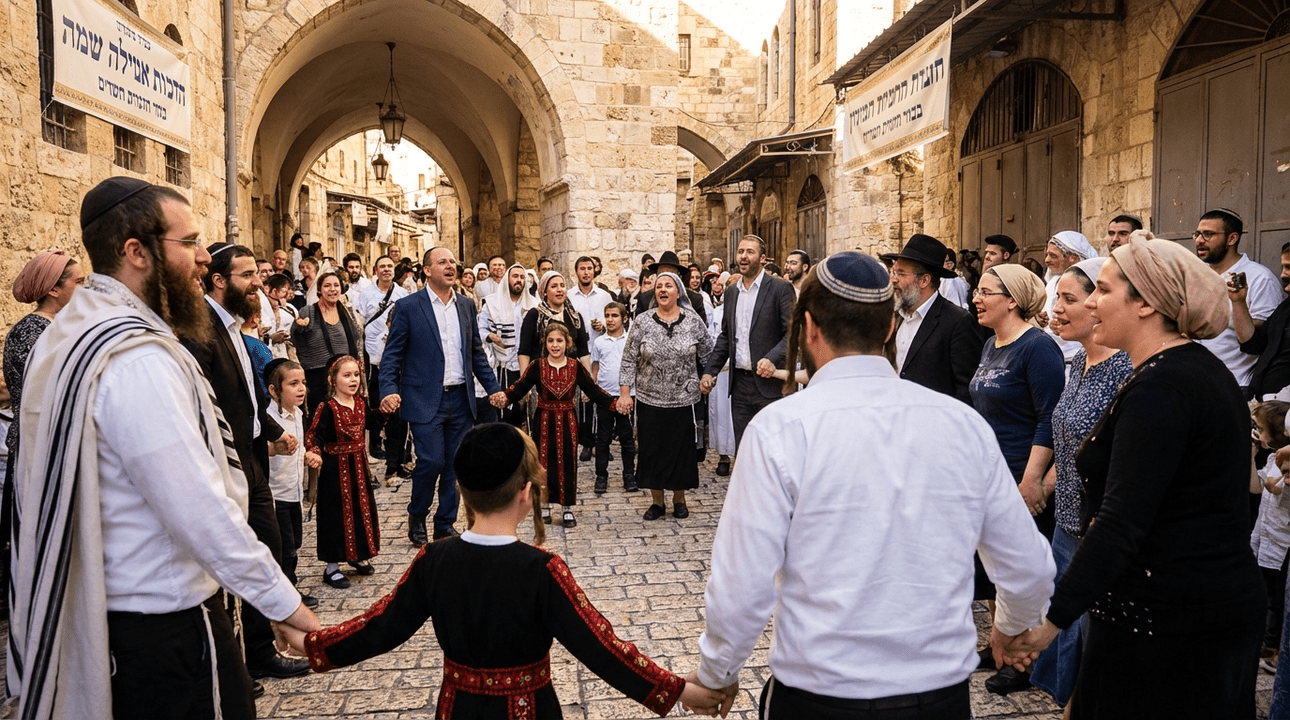
Similarly, Jeremiah 31:12 promises a return to Zion filled with singing and gladness, indicating a time of celebration and renewal. These texts collectively symbolize divine faithfulness, offering hope for a future filled with joy and spiritual renewal.
from the Western Wall to Masada.
The Symbolic Zion
Zion is often referred to as the ‘Daughter of Zion’ in the Bible, personifying its connection to the people. This imagery in Isaiah (Isaiah 1:8) and elsewhere likens Zion to a mother, emphasizing a familial relationship with its inhabitants. The phrase evokes tenderness and protection, suggesting a nurturing bond.
Such linguistic symbolism underlines Zion’s ability to embody the heart and soul of the Jewish people, more than a mere geographical place, representing a deep emotional and spiritual connection.
The ‘Daughter of Zion’ metaphor enriches the understanding of Zion as a symbol of enduring faith and communal identity, embodying the struggles and hopes of a nation.
Beyond biblical times, Zion maintained its role in Jewish thought. In Rabbinic literature, it symbolizes the eternal connection to the land and divine presence. The Talmud, for example, echoes Zion’s importance, keeping its memory alive through prayers and traditions.
Beyond biblical times, Zion maintained its role in Jewish thought. In Rabbinic literature, it symbolizes the eternal connection to the land and divine presence. The Talmud, for example, echoes Zion’s importance, keeping its memory alive through prayers and traditions.
Even in diaspora, Zion provided spiritual sustenance, reinforcing its perpetual role as a symbol of identity and hope, ensuring that the connection to the homeland remained vibrant and meaningful.
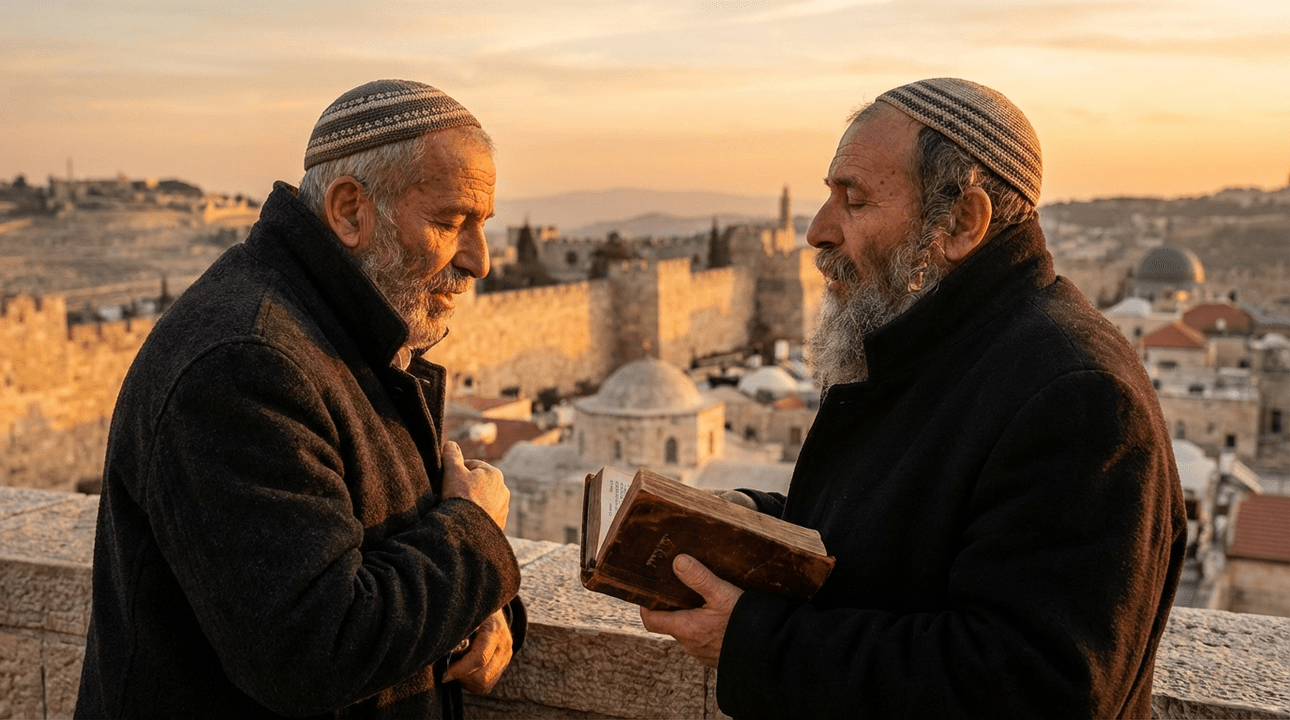
The longing for Zion is deeply embedded in Jewish traditions, particularly evident in the phrase ‘Next year in Jerusalem.’ This phrase is recited during important observances such as Passover and Yom Kippur, symbolizing a heartfelt yearning for return and restoration.
The significance of Zion is not just historical but remains a central theme in Jewish spirituality today, serving as a source of hope and continuity across generations, bridging past aspirations with present faith.
Zion in Modern Context
In the modern era, Zion took on new dimensions with the advent of Zionism. This movement aimed at the physical return to the Jewish homeland. The term ‘Zionism’ reflects the aspiration for Jewish self-determination, transforming a spiritual longing into political action. Theodor Herzl, a key figure, envisioned a Jewish state in his writings.
Modern Israel stands as a testament to this vision, embodying the historical and spiritual essence of Zion afresh, fulfilling the dreams of generations past.
Zionism transformed the ancient hope associated with Zion into a tangible reality, shaping the modern Jewish state and its identity.
Contemporary culture continues to draw inspiration from Zion. In music and literature, it represents freedom and hope. Bob Marley’s song “Zion Train” and the writings of Jewish poets like Yehuda Amichai reflect this enduring symbol.
Contemporary culture continues to draw inspiration from Zion. In music and literature, it represents freedom and hope. Bob Marley’s song “Zion Train” and the writings of Jewish poets like Yehuda Amichai reflect this enduring symbol.
This ongoing legacy reaffirms Zion’s timeless impact, transcending religious and cultural boundaries. Zion’s imagery has been adapted to express universal themes of liberation and unity, resonating with diverse audiences worldwide.
Ultimately, Zion remains a powerful cultural symbol, bridging diverse communities through its themes of hope and resilience, serving as a beacon of inspiration across different cultural narratives.
Understanding Zion
