
Unveiling the Symbolism of Figs in Jewish Mysticism


In Jewish culture, figs hold a special place both as a fruit and as a symbol. They are mentioned throughout biblical texts and carry deep mystical meanings. For instance, in the Torah, figs are often associated with abundance and prosperity, as seen in Deuteronomy 8:8, where they are listed among the Seven Species that characterize the richness of the Land of Israel.
Exploring this symbolism provides insight into Jewish spiritual practices and beliefs. Figs are also linked to wisdom and understanding, often used in Jewish mysticism to represent deeper truths and insights. This article delves into the layers of meaning that figs represent, unraveling their ties to Jewish mysticism and daily life.
Figs in the Hebrew Bible
Figs rank among the earliest cultivated fruits, appearing in numerous biblical passages. Genesis 3:7 describes Adam and Eve sewing fig leaves together, symbolizing awareness and the beginning of human self-consciousness. The fig leaf represents the first step towards knowledge and moral understanding. Figs also appear in prophetic visions, symbolizing peace and prosperity in each person resting under their vine and fig tree (Micah 4:4).
This imagery conveys security and divine blessing, making figs a potent symbol in Jewish thought.
from the Western Wall to Masada.

Beyond their role in Genesis, figs are mentioned in other biblical contexts, such as in Jeremiah 24, where they represent the fate of the people of Judah. This highlights their importance as a symbol of divine promise and judgment, further enriching their significance within Jewish tradition.
The vision of everyone sitting under their own fig tree is a powerful image of peace and contentment. In 1 Kings 4:25, during King Solomon’s reign, this imagery describes a period of peace and prosperity in Israel, reflecting a time when people lived in harmony with each other and the land.
More than just a fruit, figs symbolize hope and the promise of a better future, embodying the deep yearning for peace and stability in Jewish tradition, as seen in prophetic visions like Micah 4:4.
In addition to their symbolic role in peace and prosperity, figs appear in other biblical contexts. For example, in Jeremiah 24, they represent the fate of the people of Judah, illustrating their importance as a symbol of divine promise and judgment. Through varied references, figs continue to hold a significant place in Jewish thought, offering a symbol of hope and the promise of a better future.
The Seven Species and Figs
Figs are part of the shiv’at ha-minim (Seven Species) listed in Deuteronomy 8:8. These species are considered special products of the Land of Israel. They are not merely agricultural products but hold spiritual significance, representing attributes of the divine. Each of the Seven Species, including figs, is associated with different qualities and blessings.
Figs, in particular, symbolize sweetness and abundance, reflecting the richness of the land and Jewish heritage.
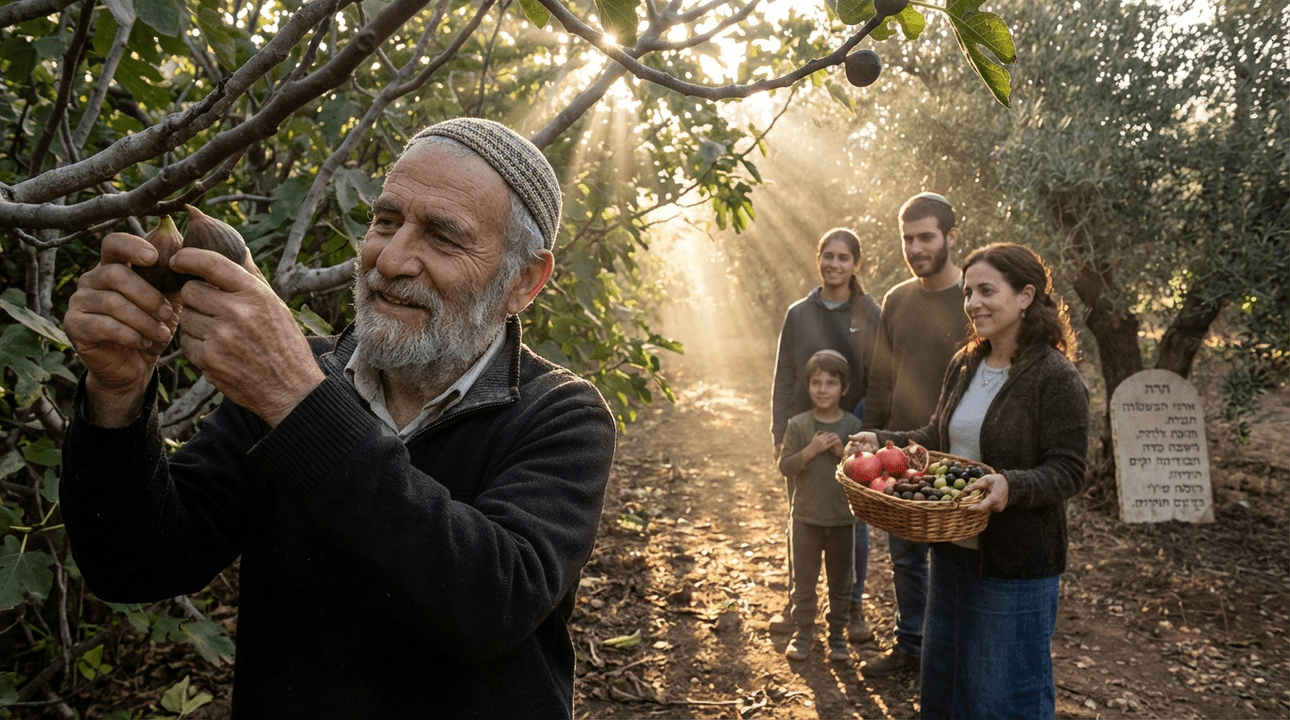
The association of figs with the Torah highlights the balance between physical and spiritual sustenance. Celebrated during festivals like Tu Bishvat, figs serve as a reminder of divine blessings and the richness of the land. Through these traditions, figs continue to play a vital role in Jewish culture, symbolizing the harmony between nature and spirituality.
In Jewish tradition, the sweetness of figs is often likened to the sweetness of the Torah, encouraging the study and appreciation of sacred texts. This link underscores the idea that just as figs nourish the body, the Torah nourishes the soul. The Seven Species, including figs, are central to the celebration of Tu Bishvat, where they are eaten as a reminder of the connection to the land and the divine blessings it provides.
During Tu Bishvat, figs are enjoyed alongside other fruits, symbolizing the bounty of the land and the spiritual nourishment it offers. This celebration reinforces the importance of gratitude and the recognition of the divine in everyday life, highlighting the role of figs in fostering a deeper connection to both the land and spiritual heritage.
Mystical Interpretations of Figs
In mystical traditions, figs are analyzed for their deeper, spiritual symbolism. The Zohar, a foundational work of Jewish mysticism, provides insights into the symbolic nature of figs. They are seen as symbols of wisdom and knowledge, representing layers of understanding hidden within sacred texts.
The fruit’s numerous seeds symbolize an abundance of wisdom, while its sweet taste suggests the sweetness of divine revelations. This multifaceted symbolism makes figs a subject of spiritual contemplation and meditation.
Within the context of the Zohar, figs are also associated with the concept of divine emanations, representing the flow of spiritual energy and enlightenment. This link further enriches their symbolism, making figs a powerful tool for meditation and reflection on the mysteries of the universe and the divine.
Figs in Rabbinic Literature
Rabbinic literature offers numerous interpretations of figs, reflecting their importance in Jewish culture. The Midrash often portrays figs as symbols of the righteous, noting their ability to grow and thrive even amidst challenges. For example, Rabbi Akiva’s metaphor of the fig tree represents perseverance and learning, an enduring legacy within Jewish education.
The Talmud discusses figs’ significance in connection to spiritual growth, emphasizing patience and gradual development, much like the slow ripening of the fruit itself.
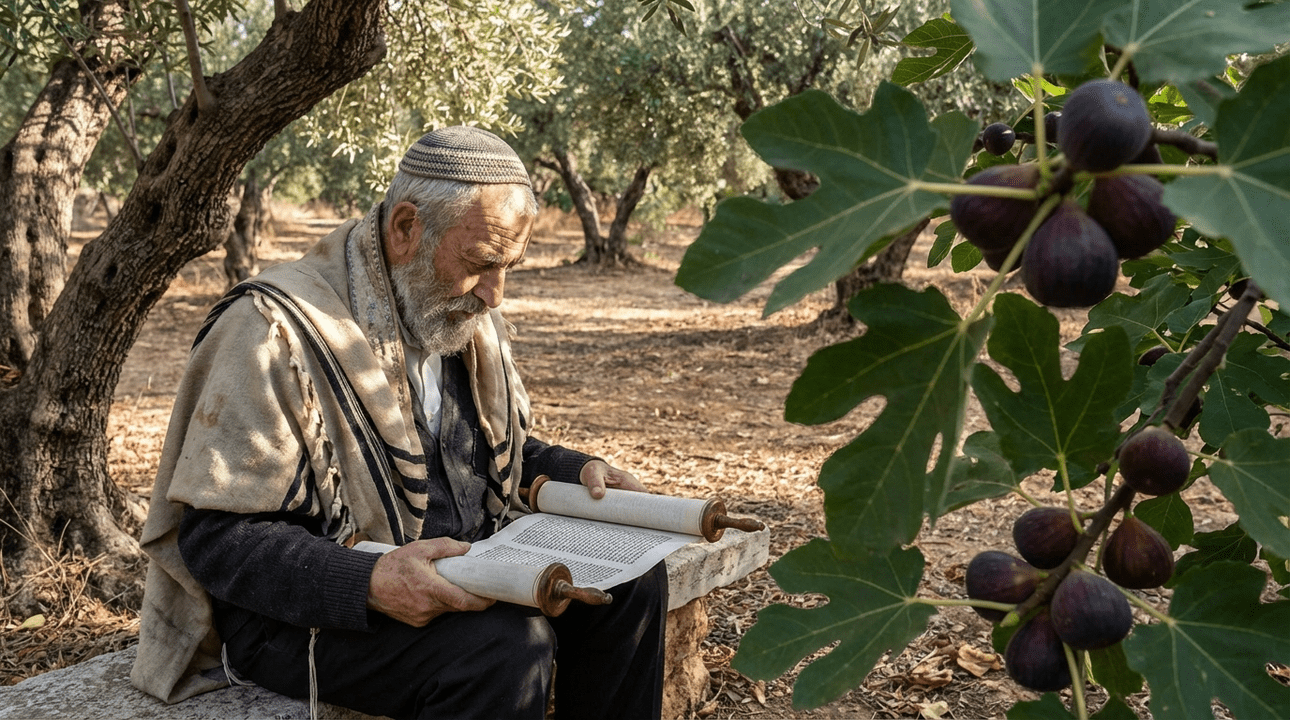
In another example, the Talmud compares the study of Torah to the enjoyment of figs, suggesting that just as one picks figs daily, so should one engage with the Torah regularly. This metaphor highlights the importance of continuous learning and growth, reinforcing the role of figs as a symbol of spiritual development and resilience.
from the Western Wall to Masada.
Figs in Jewish Festivals
Figs feature prominently in Jewish celebrations, particularly during harvest festivals like Sukkot. They symbolize joy and gratitude, aligning with themes of abundance and divine provision. During Sukkot, the temporary booths are decorated with fruits, including figs, to celebrate the harvest and God’s protection during the Israelites’ journey in the desert.
During Tu Bishvat, the New Year for Trees, figs represent renewal and environmental consciousness. This festival emphasizes the importance of trees and fruits in Jewish life, and figs, as one of the Seven Species, highlight the connection between nature and spirituality.
Their inclusion in these festivals highlights the role of figs as a bridge between physical nourishment and spiritual reflection. The act of eating figs during these celebrations is not just about enjoying their sweetness but also about recognizing the blessings of the land and the cycles of nature.
Figs serve as a reminder of the interconnectedness of all life and the importance of gratitude for the earth’s bounty, a central theme in Jewish thought, emphasizing stewardship and care for creation.
In addition to their role in festivals, figs are used in various Jewish rituals, symbolizing the abundance and blessings of the land. This connection to the land and its produce is a central theme in Jewish thought, emphasizing the importance of stewardship and care for creation, reflecting the deep spiritual and cultural significance of figs.
Cultural Significance of Figs Today
In contemporary Jewish culture, figs continue to hold symbolic meaning, representing a connection to heritage and tradition. They offer a tangible link to the past, as seen in their mention in ancient texts like the Talmud. The presence of figs in Israeli cuisine reinforces this bond, with dishes like fig jam and salads celebrating their rich history.
Their symbolic associations enrich Jewish identity, inspiring culinary creativity that blends ancient traditions with modern tastes. This symbolizes enduring creativity and innovation, embodying spiritual and cultural richness.
Figs are featured in Jewish festivals such as Tu Bishvat, where they are enjoyed as part of the Seven Species. This tradition highlights the importance of figs in connecting individuals to the land and its bounty. Through these celebrations, figs continue to embody the spiritual and cultural richness that defines Jewish identity, serving as a reminder of the enduring legacy of creativity and tradition.

Conclusion: The Enduring Symbolism of Figs
Figs offer a profound example of how a simple fruit can embody layers of meaning within Jewish tradition. From biblical times to modern celebrations, figs symbolize wisdom, abundance, and spiritual growth. In Proverbs 27:18, tending to a fig tree is likened to caring for one’s master, illustrating the rewards of diligence and devotion.
Their continued presence in Jewish culture serves as a reminder of the shared spiritual heritage that unites generations.
Figs are often seen as a metaphor for the Torah, with their sweet fruit representing the sweetness of wisdom and learning. This symbolism is reinforced through their inclusion in festivals and rituals, highlighting the importance of figs in fostering a deeper connection to spiritual and cultural heritage. These associations continue to inspire reflection and growth within Jewish tradition.
Figs have long been cherished in Jewish tradition, symbolizing the deep connection between past and present. They are often associated with the lessons of patience and care, reflecting the nurturing required for both spiritual and physical growth. In the Bible, figs are mentioned in several contexts, such as in Jeremiah 24, where they symbolize the fate of the people of Judah.
This association encourages individuals to reflect on their personal growth, much like the careful cultivation of a fig tree, which requires time and dedication.
Figs also appear in the Song of Solomon 2:13, where they symbolize love and fertility, further emphasizing their role in personal and spiritual development. The process of nurturing a fig tree mirrors the journey of nurturing one’s spiritual life, offering insights into the rewards of diligence and care. These associations ensure that figs remain a powerful symbol within Jewish culture, inspiring reflection and growth.

Understanding the Symbolism of Figs
