
Understanding the Meaning of Yerushalayim
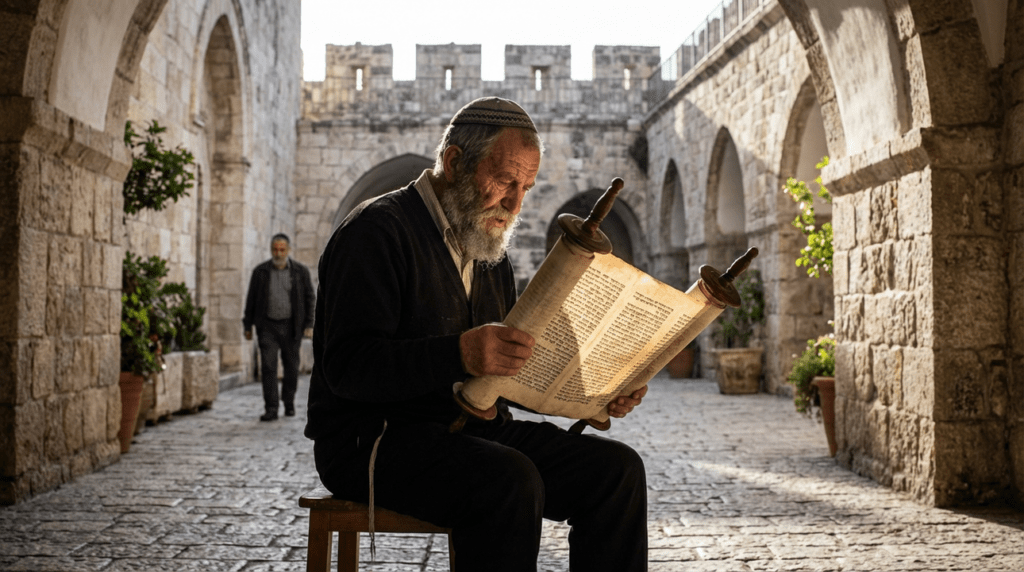

Yerushalayim, known worldwide as Jerusalem, is a city steeped in history and significance. Its name and meaning have captivated people for centuries, symbolizing peace and unity. This city is mentioned numerous times in the Hebrew Bible, including in the book of Psalms, where it is described as a place of great beauty and joy (Psalm 48:2).
Let’s explore its origins and cultural impact. As the capital of ancient Israel, it was the site of King Solomon’s Temple, a central place of worship and pilgrimage for the Jewish people.
Yerushalayim has witnessed many historical events, from King David’s conquest around 1000 BCE to the Babylonian exile in 586 BCE. These events have left an indelible mark on its identity. The name Yerushalayim itself evokes a sense of reverence and longing, drawing people from all walks of life to its ancient streets.
Its cultural and spiritual significance continues to inspire those who visit, offering a connection to a shared past and a hopeful future. The return from exile, as described in Ezra and Nehemiah, marks a period of rebuilding and renewal.
The construction of the Second Temple, completed in 516 BCE, was a pivotal moment in Yerushalayim’s history, symbolizing restoration and hope. Its walls, rebuilt under Nehemiah’s leadership, further illustrate resilience.
These historical milestones highlight Yerushalayim’s enduring role as a center of Jewish life and faith, inspiring generations to maintain their connection to this sacred place, which continues to be a source of spiritual and cultural enrichment.
The Name Yerushalayim in Historical Context
The name Yerushalayim derives from early Semitic roots and has profound historical implications. It’s believed to combine two words: “Yeru,” meaning foundation, and “Shalayim,” a form of Shalom, indicating peace. This etymology reflects its established role as a foundation of peace in the ancient world.
In Genesis 14:18, Melchizedek, king of Salem, is mentioned, which some scholars associate with Jerusalem, further linking it to peace and righteousness.
Yerushalayim’s name appears in ancient Egyptian texts, such as the Amarna letters, dating back to the 14th century BCE, highlighting its historical significance. These letters mention a place called “Urusalim,” believed to be an early reference to Jerusalem.
This historical context underscores its longstanding importance as a center of political and spiritual influence, reinforcing its identity as a place of peace and stability in a turbulent region.
Throughout history, Yerushalayim has been a center for spiritual and cultural gatherings, reinforcing its role as a foundation of peace. Its name serves as a reminder of its enduring mission to foster harmony among its inhabitants and visitors alike.
This legacy is reflected in its diverse population and the coexistence of various traditions, making it a unique symbol of unity in a complex world. The pilgrimage festivals, such as Passover, Shavuot, and Sukkot, historically drew people to Yerushalayim, emphasizing its unifying role.
The Tower of David Museum chronicles Yerushalayim’s rich history, showcasing its evolution over millennia. Its architecture, from the ancient City of David to the modern skyline, tells a story of resilience and adaptation.
These elements collectively highlight Yerushalayim’s significance as a place where diverse cultures and traditions converge, fostering an environment of mutual respect and understanding that continues to inspire those who visit.
In biblical texts, Yerushalayim is often associated with milestones of Jewish history. It is mentioned numerous times, encapsulating its significance in religious tradition. For instance, 2 Chronicles 6:6 states, “But I have chosen Jerusalem, that My name might be there.”
This verse underscores its chosen status, a theme echoed throughout scripture. Yerushalayim was the site of King Solomon’s Temple, as described in 1 Kings 6, which further solidifies its central role in Jewish worship and identity.
The Psalms also celebrate Yerushalayim’s importance, with Psalm 122:6 urging, “Pray for the peace of Jerusalem.” This call to prayer reflects its enduring spiritual significance. Moreover, the prophet Jeremiah, in Jeremiah 3:17, envisioned it as a throne of justice, highlighting its role as a center of moral guidance.
These biblical references collectively portray Yerushalayim as a symbol of divine favor and a focal point for the Jewish people across generations.
Yerushalayim as a Symbol of Peace
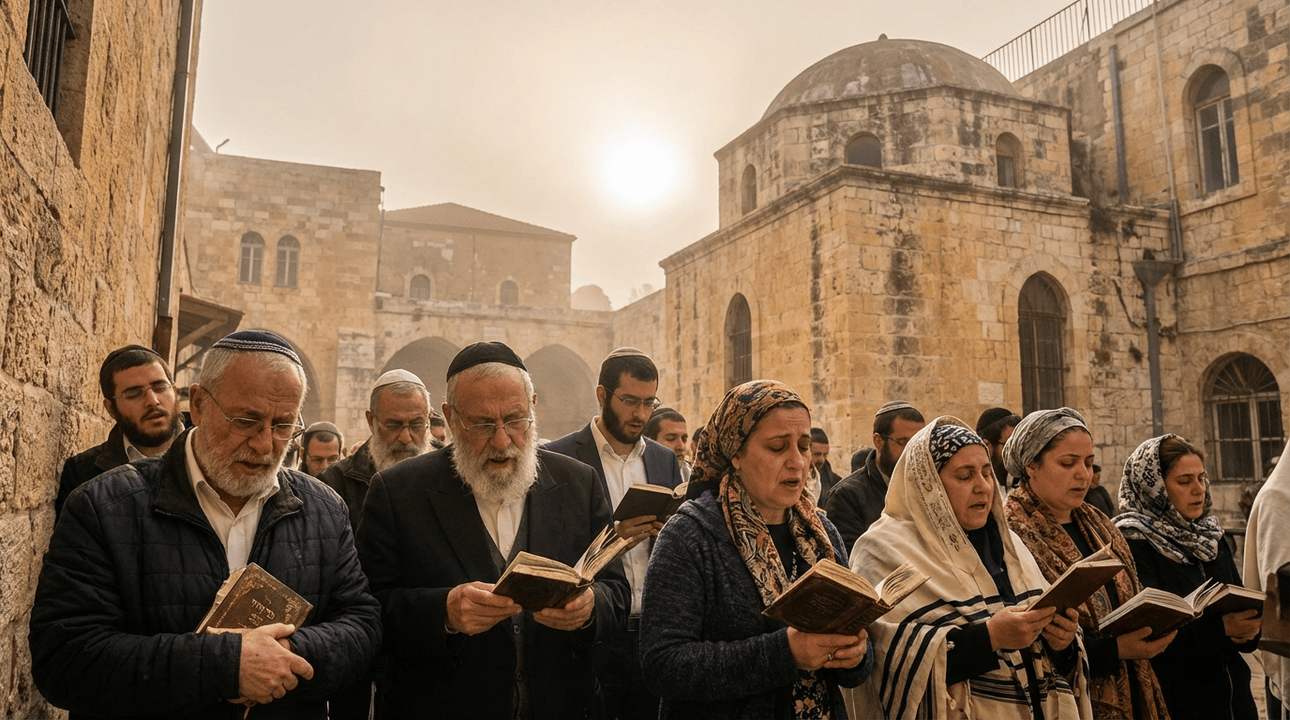
The name Yerushalayim signifies not just a place, but an ideal of peace. This symbolism is deeply embedded in Jewish thought and tradition. Throughout various trials and tribulations, Jerusalem stood as a beacon of hope and faith. Prophets like Isaiah envisioned it as a center of world peace.
In Isaiah 2:4, it is written, “Nation shall not lift up sword against nation.” This vision of peace is mirrored in the teachings of Micah 4:3, which echoes the hope for a future where conflicts are resolved peacefully.
The prophet Zechariah also speaks of a time when Yerushalayim will be a place of truth and holiness (Zechariah 8:3). This prophetic vision inspires those who view it as a symbol of spiritual aspiration.
These biblical passages collectively emphasize Yerushalayim’s role as a harbinger of peace, encouraging people to strive for harmony and understanding in their own lives, inspired by its enduring legacy.
This vision of peace has inspired countless generations. Even today, Yerushalayim remains a focal point of spiritual and cultural aspirations. Its religious heritage continues to bind Jews around the world to their ancestral homeland. Its resilience mirrors the enduring spirit of its people and their pursuit of harmony.
In the book of Zechariah, Yerushalayim is described as a city of truth and holiness (Zechariah 8:3), embodying the hopes and dreams of those who cherish its legacy.
The prophet Isaiah also envisions a future where Yerushalayim will be a beacon of light for all nations (Isaiah 60:3). This prophetic vision continues to inspire those who view it as a symbol of spiritual aspiration and unity.
These biblical references collectively emphasize Yerushalayim’s role as a harbinger of peace, encouraging people to strive for harmony and understanding in their own lives, inspired by its enduring legacy.
Cultural Significance of Yerushalayim
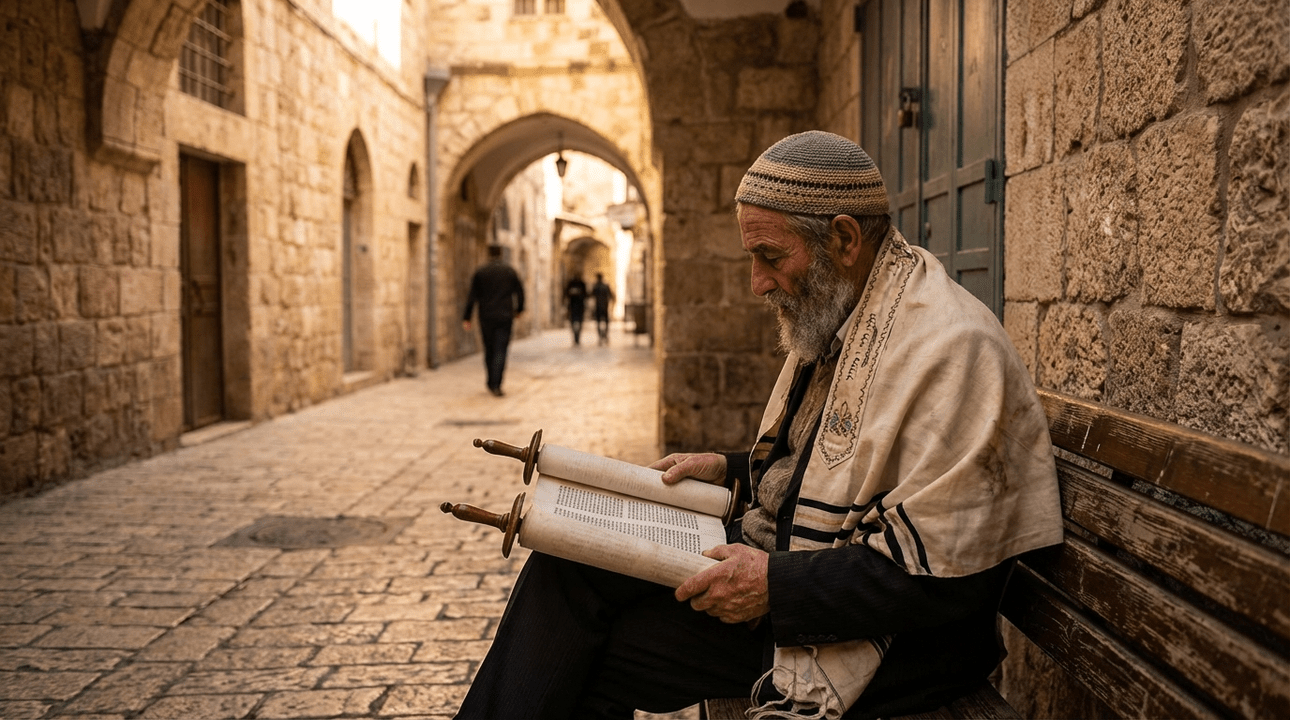
Culturally, Yerushalayim holds a unique place in Jewish life. From liturgy to literature, it permeates everyday expressions of faith. The phrase ‘Next year in Jerusalem’ concludes the Passover Seder, encapsulating yearnings for return and renewal. This ongoing connection reinforces Jewish identity and shared history.
Yerushalayim is also a central theme in the book of Lamentations, which mourns its destruction and expresses hope for its restoration (Lamentations 5:21).
The annual Tisha B’Av observance, commemorating the destruction of the First and Second Temples, further emphasizes Yerushalayim’s significance in Jewish memory. This day of mourning reflects the deep longing for its restoration.
These cultural and religious practices highlight Yerushalayim’s role as a focal point of Jewish life, serving as a source of inspiration and continuity for those who cherish its legacy and seek to maintain their connection to this sacred place.
Apart from religious significance, Yerushalayim’s cultural impact is immense. Poets and authors throughout history have drawn upon its mystique. Its streets, walls, and people inspire a diverse tapestry of stories and songs. Modern Israeli literature often pays tribute to its lasting influence, preserving its memory across generations.
The works of poets like Yehuda Amichai capture its essence, blending personal reflection with historical context to create a rich narrative that resonates with readers worldwide.
Yerushalayim in Modern Times
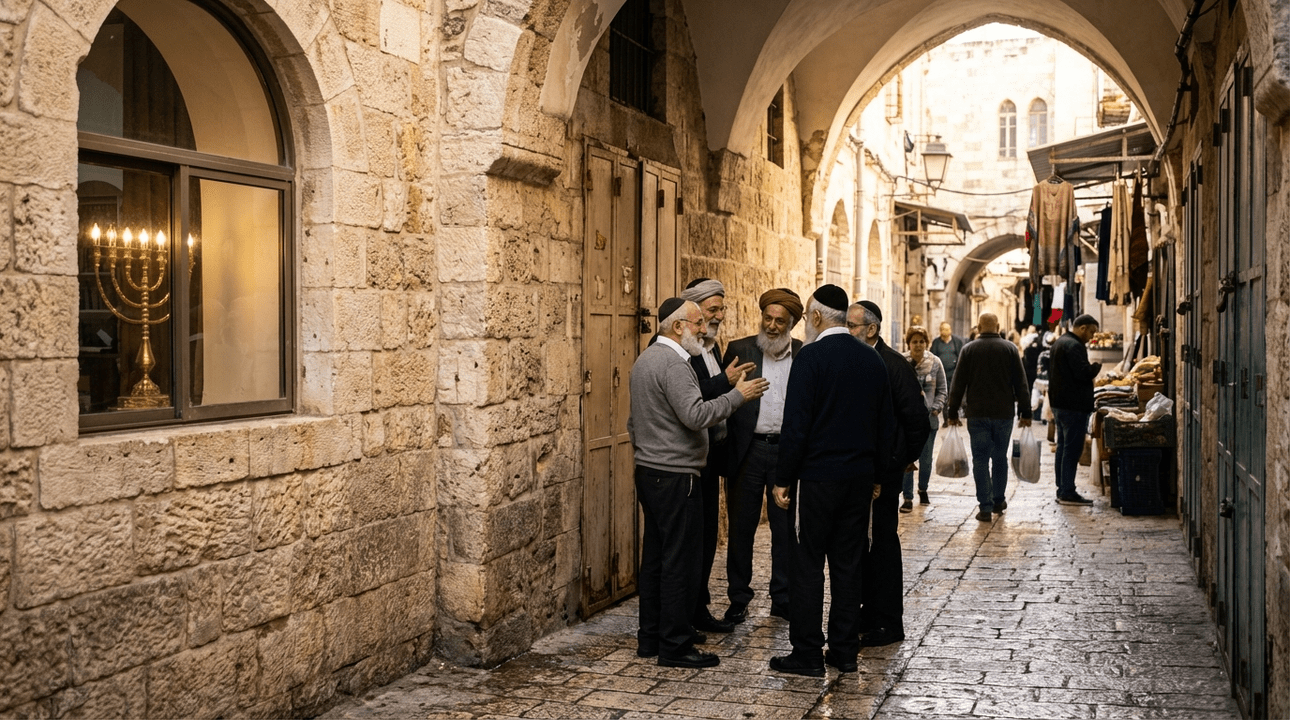
In contemporary times, Yerushalayim remains a vibrant hub for various faiths. It serves as a crucial site for Judaism, Christianity, and Islam, demonstrating its universal appeal. Despite historical conflicts, it embodies a vision for shared peace and understanding.
This coexistence within Yerushalayim highlights its role in global dialogue and mutual respect. The Old City, with its Jewish, Christian, Muslim, and Armenian quarters, exemplifies this diversity, fostering an environment of interfaith interaction.
The annual Jerusalem Day celebrations commemorate its reunification in 1967, marking a pivotal moment in its modern history. This event underscores Yerushalayim’s significance as a symbol of unity and resilience.
Additionally, the Jerusalem International Book Fair attracts authors and readers from around the world, further emphasizing its role as a cultural and intellectual center, bridging different cultures and traditions.
Today, Yerushalayim stands as a testament to resilience and renewal. Its dynamic blend of ancient heritage and modern innovation captivates millions of visitors each year. Its unique ability to integrate the old with the new continues to intrigue and educate people worldwide.
Every sunset over its walls leaves an indelible mark on those who witness it. The Western Wall, a remnant of the Second Temple, draws people seeking spiritual connection, while the Israel Museum showcases artifacts from various periods.
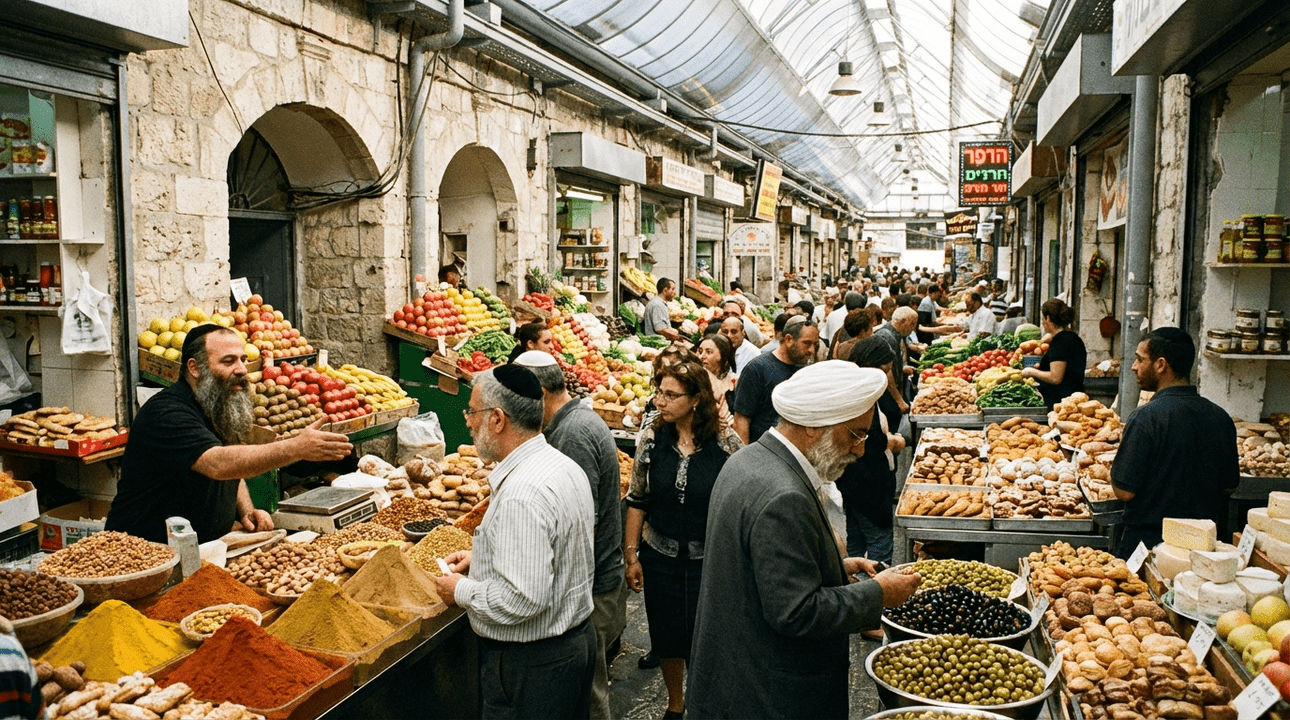
The vibrant Mahane Yehuda Market offers a taste of local culture, reflecting Yerushalayim’s lively atmosphere. The annual Jerusalem Film Festival highlights its cultural renaissance, attracting filmmakers and audiences globally.
These diverse elements contribute to Yerushalayim’s reputation as a city of contrasts, where ancient stones and modern life coexist, offering a unique experience that resonates with visitors from all walks of life.
The Ongoing Legacy of Yerushalayim
Yerushalayim’s legacy extends beyond its physical location. It remains a cornerstone of Jewish heritage, symbolizing hope and perseverance. Throughout tumultuous periods, its name invokes strength and unity among the Jewish diaspora. The Babylonian exile and subsequent return to rebuild are pivotal moments that highlight its resilience.
This enduring legacy continues to inspire acts of cultural and spiritual connection to Israel, fostering a sense of belonging and identity among Jewish communities worldwide.
Yerushalayim’s significance is further illustrated by the annual Jerusalem March, which brings together people from around the world to celebrate its heritage and unity. This event underscores its role as a symbol of global solidarity.
Through its rich history and cultural significance, Yerushalayim remains a source of inspiration, encouraging individuals to explore their own journeys of faith and identity, inspired by its enduring legacy and timeless message.
The meaning of Yerushalayim evolves, yet its core message persists. As a city that bridges past and future, it invites reflection and renewal. In the book of Isaiah, it is envisioned as a place of peace and prosperity (Isaiah 2:3-4).
In exploring its meaning, we discover not only historical insights but also personal enrichment. Yerushalayim inspires all who seek understanding, heritage, and peace, offering a timeless message that resonates with people across generations.
The prophet Ezekiel also speaks of a future where Yerushalayim will be restored and filled with glory (Ezekiel 48:35). This vision of renewal continues to inspire those who yearn for a deeper connection to their heritage.
Through its rich history and cultural significance, Yerushalayim remains a symbol of hope and perseverance, encouraging individuals to explore their own journeys of faith and identity, inspired by its enduring legacy.
Meaning and Cultural Significance
