
A Journey Through Edom and Moab: Ancient Kingdoms Today
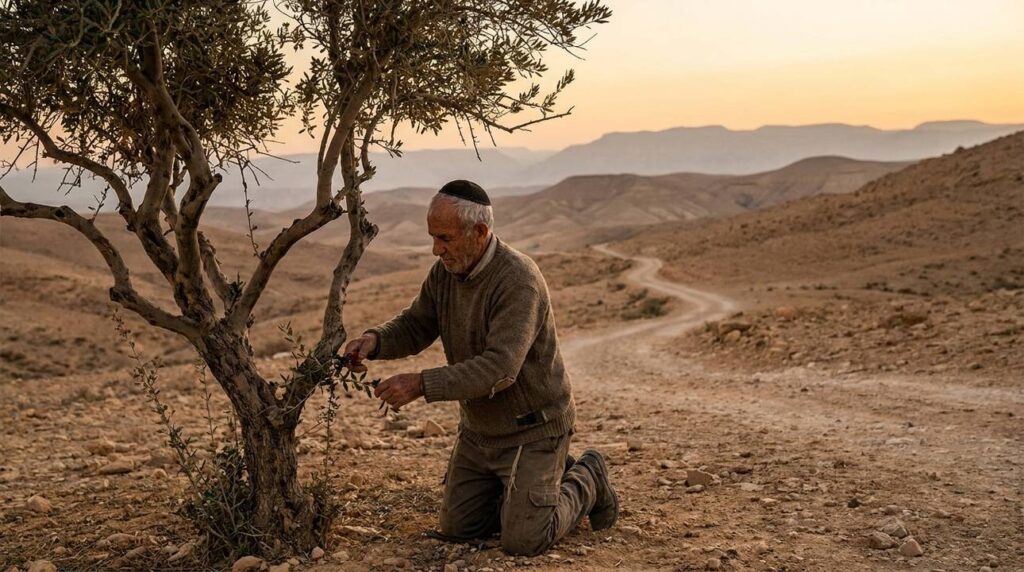

Edom and Moab, two notable kingdoms from ancient times, are frequently mentioned in biblical texts. Edom, the land of Esau’s descendants, and Moab, the descendants of Lot, both played significant roles in these narratives.
Their interactions with Israel, often marked by conflict and diplomacy, are well-documented. Today, the historical and cultural remnants of these kingdoms continue to captivate those interested in the rich tapestry of the past.
Archaeological sites in these regions provide insights into their societies, economies, and religious practices.
The stories of Edom and Moab are intertwined with key biblical events, such as the Israelites’ journey through the wilderness and the conflicts with neighboring kingdoms. These narratives, found in books like Genesis and Numbers, provide a window into the complex relationships and cultural exchanges that shaped the ancient Near East.
The stories of Edom and Moab are intertwined with those of biblical figures such as Ruth, a Moabite woman whose loyalty and faithfulness are celebrated in the Book of Ruth.
These narratives not only enrich our understanding of biblical history but also highlight the enduring cultural significance of these ancient kingdoms.
Ruth’s story, found in Ruth 1:16-17, is a poignant tale of devotion and integration into the Israelite community, symbolizing the potential for unity and acceptance across cultural boundaries.
Her lineage is significant as she becomes the great-grandmother of King David, linking Moab to the royal lineage of Israel. This connection underscores the complex and often intertwined histories of these neighboring peoples, demonstrating how personal stories can reflect broader historical and cultural dynamics.
The Historical Significance of Edom
Edom, located south of the Dead Sea, was an ancient kingdom referred to as ‘Idumea’ in Roman times. In Genesis 36, Edom is described as the land of Esau’s descendants, emphasizing its biblical importance.
Known for its strategic location and trade routes, Edom played a significant role in regional politics and economy. The kingdom’s capital, Bozrah, was a major center of commerce and culture. Edom’s control over vital trade routes, such as the King’s Highway, allowed it to prosper economically.
The Edomites‘ interactions with Israel are well-documented, including their refusal to allow passage to the Israelites during their journey to the Promised Land (Numbers 20:14-21). This act of defiance set the stage for future hostilities and alliances, reflecting the complex political landscape of the region.
Edom’s influence extended beyond trade, as it was often involved in regional conflicts. Historical accounts recount battles between Edom and Israel, such as the rebellion against King David’s rule (2 Samuel 8:13-14).
These events highlight Edom’s significance in the ancient Near East, shaping the geopolitical landscape of the time.
Edom’s strategic location made it a frequent ally or adversary in regional power struggles, as seen in the alliance with Babylon against Judah (Psalm 137:7), which led to tensions and hostilities.
The Edomites’ participation in these conflicts, often motivated by territorial ambitions and control over trade routes, underscores their role as a formidable power in the region. Their interactions with neighboring kingdoms were complex, involving both warfare and diplomacy.
The Rise and Fall of Moab
Moab lay east of the Dead Sea, a region rich in history and biblical significance. According to Numbers 21, the Moabites had complex relations with Israel, often marked by conflict and alliances. King Balak of Moab, for instance, sought to curse Israel through Balaam (Numbers 22-24).
King Mesha of Moab is famous for the Mesha Stele, an ancient inscription that provides valuable insights into Moabite history and their conflicts with Israel. This stele, dating back to the 9th century BCE, is a crucial artifact for historians.
The Mesha Stele records King Mesha’s victories and religious dedications, offering a rare glimpse into the Moabite perspective on their interactions with Israel. This artifact is a key piece of evidence for understanding the political and religious dynamics of the region during that time.
Moab’s legacy continues through archaeological discoveries, which include remnants of ancient cities and temples. Artifacts unearthed help us understand the Moabite culture and their interactions with neighboring peoples.
The region’s archaeological sites, like Dhiban, offer a glimpse into the daily life and religious practices of the Moabites, enriching our understanding of this ancient civilization.
Excavations have revealed pottery, tools, and religious icons, providing evidence of Moabite craftsmanship and trade connections.
The temples discovered in Moab suggest a complex religious system, possibly involving the worship of the deity Chemosh, as mentioned in 2 Kings 3:27. Such discoveries contribute to a fuller picture of the spiritual and cultural life in Moab.
Edom’s Legacy in Modern Times
Today, the land once known as Edom is part of southern Jordan. This region is home to Petra, a UNESCO World Heritage Site, renowned for its rock-cut architecture and water conduit system. Petra was a thriving trade center, and its history offers a glimpse into Edomite civilization.
The Jewish Virtual Library provides further reading on Edom’s influence, noting its role in biblical narratives such as the story of Esau and Jacob (Genesis 25:30). Petra’s architectural marvels continue to attract visitors, showcasing the ingenuity of its ancient builders.
The Nabataeans, who later inhabited Petra, built upon the legacy of the Edomites, creating a city that became a hub of commerce and culture.
The intricate carvings and structures of Petra reflect the blend of influences from surrounding regions, highlighting the cultural exchanges that took place in this vibrant center.
Petra, known as the ‘Rose City’ due to its pink sandstone cliffs, was strategically located on the trade routes that connected Arabia, Egypt, and the Mediterranean. This positioning allowed the Nabataeans to control and profit from the lucrative incense trade.
The city’s architectural marvels, such as the Treasury (Al-Khazneh), showcase the Nabataeans’ advanced engineering skills and their ability to integrate Hellenistic and Eastern artistic influences.
Petra’s significance is further underscored by its mention in historical texts, including the works of Strabo and Pliny the Elder, who noted its importance as a trading hub.
Moab’s Cultural Contributions
Moab’s cultural impact extends into modern Jordan, where archaeological efforts have unearthed significant artifacts and structures. Discoveries in the area provide a window into the society of Moab, offering clues about their daily life and governance.
For instance, the Mesha Stele, an inscribed stone, details the victories of King Mesha of Moab over Israel (2 Kings 3:4-27). The Moabite language, closely related to Hebrew and Phoenician, and their religious practices are subjects of scholarly study, revealing connections to neighboring cultures.
Exploring Edom and Moab through Archaeology
Archaeology plays a crucial role in understanding Edom and Moab’s histories. Excavations reveal details about their economies, societal structures, and conflicts.
For instance, findings at Khirbat en-Nahas in southern Jordan indicate extensive copper mining and smelting, suggesting a complex economic system that was vital to Edom’s prosperity.
These discoveries help paint a vivid picture of life in these ancient regions, illustrating how trade and warfare shaped their development. The archaeological evidence complements biblical accounts, providing a fuller picture of these societies.
In Moab, archaeological sites such as Dhiban have uncovered remnants of ancient fortifications and inscriptions, shedding light on Moabite society and its interactions with neighboring kingdoms.
These discoveries offer valuable insights into the daily lives, religious practices, and political structures of the Moabites, enhancing our understanding of their place in history.
The Dhiban Inscription, for instance, details Moab’s victories and religious dedications, providing a rare glimpse into the Moabite worldview and their interactions with Israel.
The site also reveals evidence of urban planning and defensive structures, indicating a well-organized society capable of sustaining military and economic activities. Such findings are crucial for reconstructing the historical narrative of Moab and its role in the ancient Near East.
Edom and Moab in Biblical Context
Edom and Moab are referenced various times in biblical texts, often highlighting their interactions with Israel. For example, the book of Kings mentions conflicts with these kingdoms, such as the battle against Moab led by King Jehoshaphat of Judah (2 Kings 3).
This battle, involving a coalition of Israel, Judah, and Edom, underscores the complex alliances and enmities of the period. Understanding these interactions enriches biblical studies and historical comprehension, offering insights into the geopolitical landscape of the time.
These narratives reveal the shifting power dynamics and the strategic importance of alliances in the ancient Near East. The cooperation and conflicts between these kingdoms shaped the political and cultural development of the region, leaving a legacy that is still studied by historians and biblical scholars today.
The cultural exchanges that occurred between these kingdoms and Israel reveal a tapestry of shared and contested histories. Recorded interactions in biblical texts provide a deeper understanding of the social and political dynamics of the ancient Near East.
The narratives of Edom and Moab serve as a window into the past, illustrating the intricate relationships between neighboring peoples.
Passages such as Judges 3:12-30 recount the story of Ehud’s deliverance of Israel from Moabite oppression, highlighting the cycles of conflict and cooperation.
These stories illustrate the fluid nature of alliances and enmities, as well as the cultural exchanges that occurred through trade and intermarriage. Such exchanges enriched the cultural and economic landscapes of the region, leaving a lasting impact on the development of ancient societies.
Rediscovering Edom and Moab Today
Modern explorers and historians continue to uncover layers of Edom and Moab’s pasts, each discovery offering new insights into these ancient cultures.
For example, recent excavations in the region have revealed ancient fortifications and pottery, indicating the strategic importance and daily life of these societies.
Their legacies endure, contributing to our understanding of regional history, with Edom noted in biblical texts as a land of conflict and trade (Numbers 20:14-21).
Archaeological discoveries not only illuminate the historical narratives found in biblical texts but also enhance our knowledge of the technological and artistic achievements of these ancient peoples. Ongoing research in these areas continues to shed light on the complex histories of Edom and Moab.
The artifacts unearthed from these sites provide a tangible connection to the past, revealing the complexities of Edomite and Moabite societies.
These discoveries help historians piece together the cultural and economic networks that once flourished in the region, offering a deeper appreciation of the ancient Near East’s history.
Archaeological finds, such as pottery, inscriptions, and tools, offer insights into daily life, trade practices, and social structures. For example, the discovery of Edomite pottery styles helps date and identify trade patterns and cultural influences.
In Moab, the Mesha Stele, an inscribed stone slab, provides valuable information about Moabite kings and their conflicts with Israel, particularly King Mesha’s rebellion against Israelite control. Such artifacts are crucial for understanding the political and military history of the region.
Current Implications of Edom and Moab
Even today, the regions of Edom and Moab carry historical significance, with their ancient narratives contributing to the cultural richness of modern Jordan.
These areas continue to be of interest to scholars, tourists, and enthusiasts alike, drawn by the stories of figures like Ruth, a Moabite woman whose loyalty is celebrated in biblical texts (Ruth 1:16-17).
The regions offer a tapestry of history that enriches our understanding of the ancient Near East, providing a backdrop for the biblical stories that continue to inspire.
The historical sites in these areas, such as Petra and the ruins at Dhiban, attract visitors who seek to connect with the past and explore the remnants of these once-great kingdoms. These locations serve as living museums, preserving the stories and achievements of Edom and Moab for future generations.
The landscapes of Edom and Moab, with their rugged mountains and fertile valleys, have witnessed countless historical events.
These regions, once home to powerful kingdoms, now serve as a testament to the enduring legacy of the past, inviting exploration and reflection on the interconnectedness of ancient civilizations.
Edom, located south of the Dead Sea, was known for its strategic position on the King’s Highway, a major trade route. Moab, east of the Dead Sea, was fertile and agriculturally rich, often clashing with its neighbors over territory and resources.
These lands are mentioned in various biblical accounts, such as the journey of the Israelites through the wilderness in Numbers 20-21, where they sought passage through Edom and Moab. The refusal of passage by Edom led to tensions, illustrating the complex relationships between these ancient peoples.
Edom and Moab Today
