Understanding the Connection Between Zion and Jerusalem
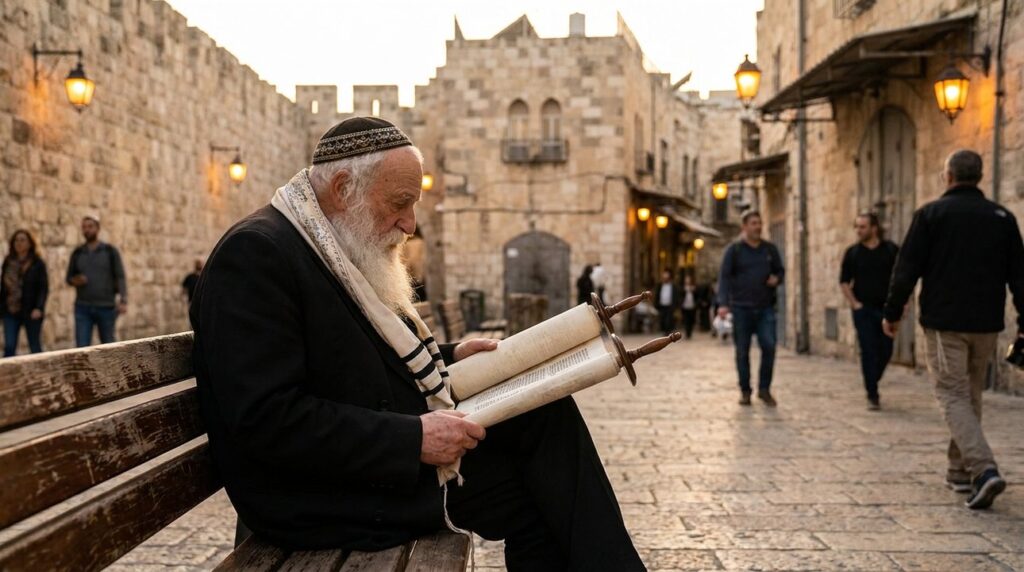

The terms ‘Zion’ and ‘Jerusalem’ appear almost interchangeably in many contexts, yet each holds unique significance. To many, these names inspire profound emotional connections and spiritual resonance.
By delving into their distinct roles and intertwined histories, we can uncover a richer understanding of their places within both geography and faith. This exploration highlights how these locations have influenced Jewish heritage and Israel’s physical and cultural landscape.
The profound spiritual significance of Zion and Jerusalem is deeply embedded in Jewish tradition.
Zion, originally a fortress captured by King David, became synonymous with spiritual ideals, while Jerusalem, as the city of the temple, represented the heart of Jewish worship. Together, they form a narrative that has shaped Jewish identity and inspired generations. Their intertwined histories offer insights into the resilience and hope that define the Jewish experience.
The Geographical and Historical Basis of Zion
Zion originally referred to a specific part of Jerusalem, identified as a fortress in the City of David. Captured by King David and designated as the political center of his kingdom, Zion’s historical origin is rooted in sturdy walls and ancient sovereignty.
This original reference formed the cornerstone of Zion’s identity, emphasizing its importance not just as a physical locale but also as a seat of national and spiritual governance. The capture of Zion is detailed in 2 Samuel 5:7.
Zion’s role as a fortress and political center is further highlighted by King David’s establishment of Jerusalem as the capital of Israel.
This decision marked a pivotal moment in Jewish history, as it solidified Zion’s status as a symbol of unity and strength. The context of Zion’s capture and its transformation into a spiritual and political hub underscores its enduring importance in Jewish identity and heritage.
Over time, significant events unfolded on this hill. The construction of the First Temple by Solomon expanded Zion’s meaning beyond its geographical boundaries. This temple, completed in the 10th century BCE, became a focal point for worship.
The term began to symbolically represent the spiritual center of Jerusalem. This change laid the groundwork for its enduring significance throughout the ages, as seen in Psalms 48:2, which speaks of Zion as the city of the great King.
The First Temple’s construction marked a turning point in the history of Zion, transforming it from a physical location to a symbol of spiritual and religious significance.
King Solomon’s dedication of the temple, as described in 1 Kings 8:22-53, emphasized its role as a house of prayer and a place where the divine presence dwelled. This event solidified Zion’s status as a central pillar of Jewish faith, shaping its legacy for generations to come.
Jerusalem: The Eternal City
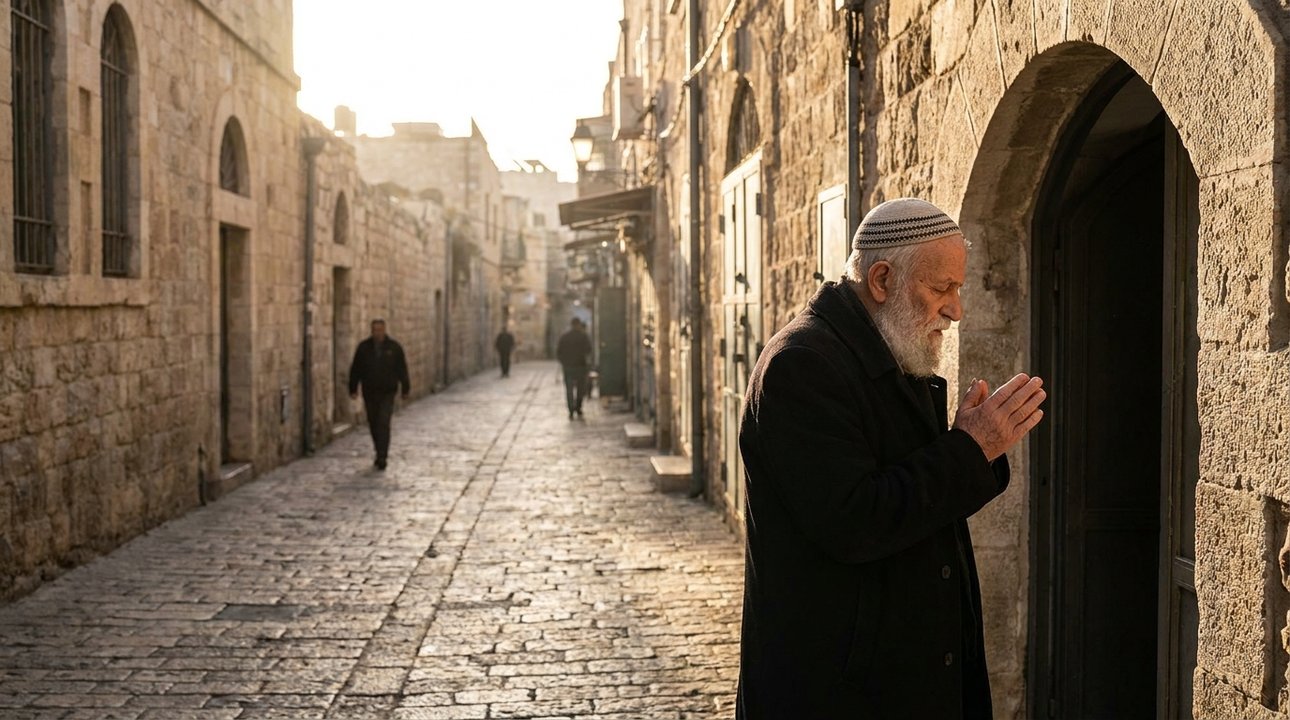
Jerusalem holds a diverse history, detailed in archaeological records and biblical accounts. As the capital of ancient Israel, it was strategically positioned between significant trade routes, allowing it to flourish. King David established it as the capital around 1000 BCE.
The city is recognized for its centuries of religious significance and its role as a home to various peoples and cultures. The Temple Mount, for example, has been a focal point for Jewish worship since the days of the First Temple.
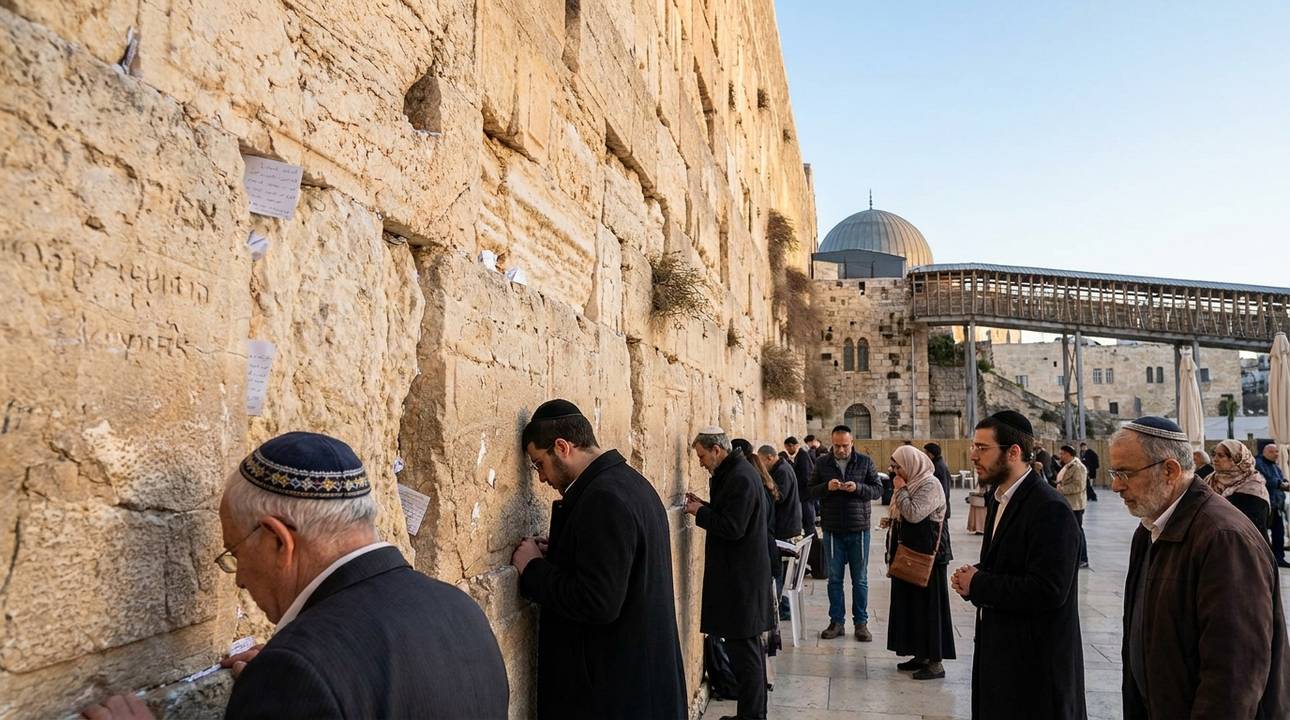
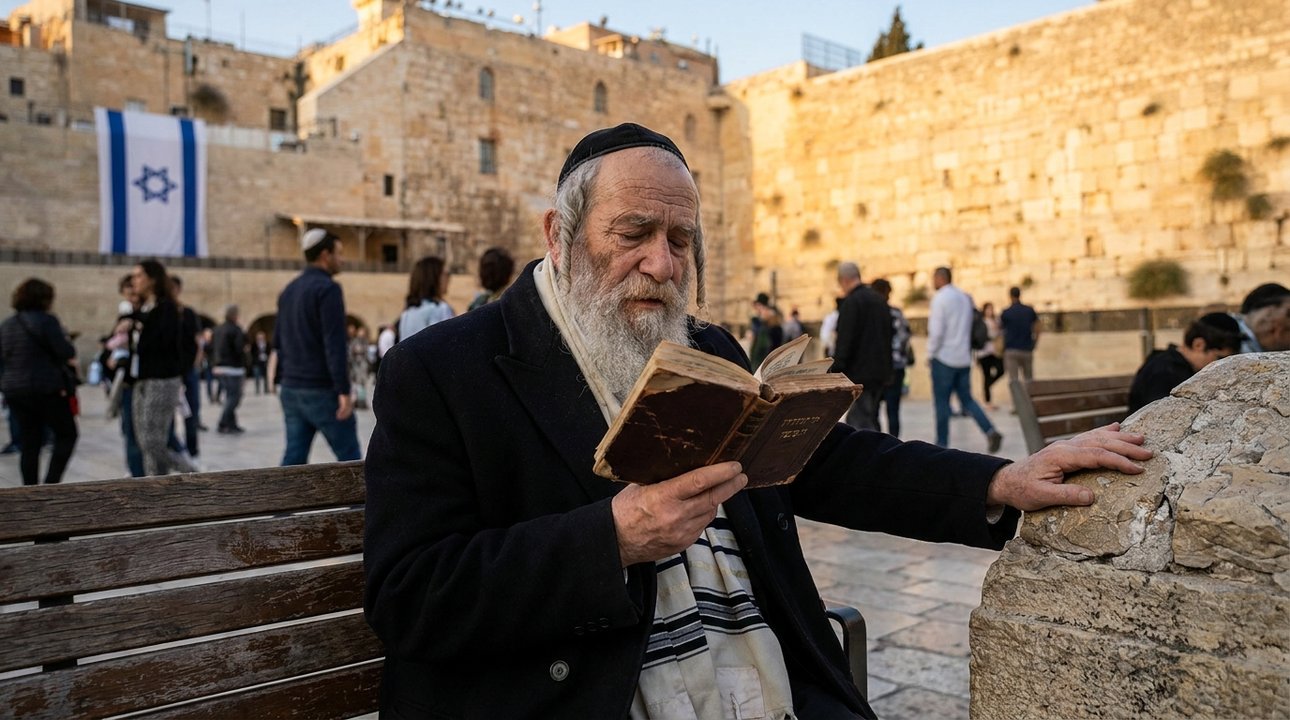
Jerusalem’s architecture and inscriptions reveal layers of history, reflecting challenges and triumphs. The Western Wall, a remnant of the Second Temple, stands as a testament to the city’s enduring spirit.
From the time of King Solomon’s Temple, built around 957 BCE, to the Second Temple period, Jerusalem has been woven into the fabric of Judaism. This city is marked by spiritual fervor, as seen in the dedication of the First Temple (1 Kings 8:22-53), and zealous protection of sacred traditions.
Jerusalem’s significance is further highlighted by its role as a center of religious and cultural life.
The city’s rich history is evident in its ancient structures and inscriptions, which tell stories of resilience and faith. The Western Wall, a remnant of the Second Temple, serves as a powerful symbol of Jewish identity and continuity, drawing visitors from around the world to connect with their heritage and reflect on the city’s enduring legacy.
Zion’s Spiritual Dimensions
Zion’s role evolved significantly in Jewish thought, becoming synonymous with spiritual ideals. It represents the divine promise of hope and continuity. The land upon which temples were built came to symbolize a connection between humanity and the divine.
In Psalms and prophetic literature, Zion is depicted as a place where prayers and divine presence meet, encapsulating spiritual aspirations and devotions. For instance, Isaiah 2:3 speaks of Zion as a source of divine teaching and wisdom.
The evolution of Zion’s significance is also reflected in the writings of the prophets, who envisioned it as a center of justice and peace.
In the Book of Isaiah, Zion is portrayed as a place where nations will gather to seek guidance and learn the ways of righteousness (Isaiah 2:4). This vision underscores Zion’s role as a symbol of hope and a beacon for future redemption, resonating with the Jewish diaspora’s enduring connection to their ancestral homeland.
For many, Zion encapsulates the universal yearning for peace and salvation. It is more than a hill in Jerusalem; it is an enduring symbol of cultural and religious identity, embraced across the diaspora.
Zion’s spiritual significance is noted in texts such as Isaiah 2:3, where it’s seen as a beacon of future redemption and justice. The prophet Isaiah’s visions of Zion portray it as a place where nations will seek wisdom and guidance. This highlights Zion’s role as a source of moral and spiritual insight.
The concept of Zion as a symbol of hope is deeply rooted in Jewish tradition and resonates with communities worldwide.
In the Hebrew Bible, Zion is often associated with the idea of a divine promise, a place where peace and righteousness prevail. This is reflected in the writings of the prophets, who envisioned Zion as a center of learning and spiritual renewal, drawing people from all nations to seek wisdom and understanding (Isaiah 2:3).
How Jerusalem and Zion Interact
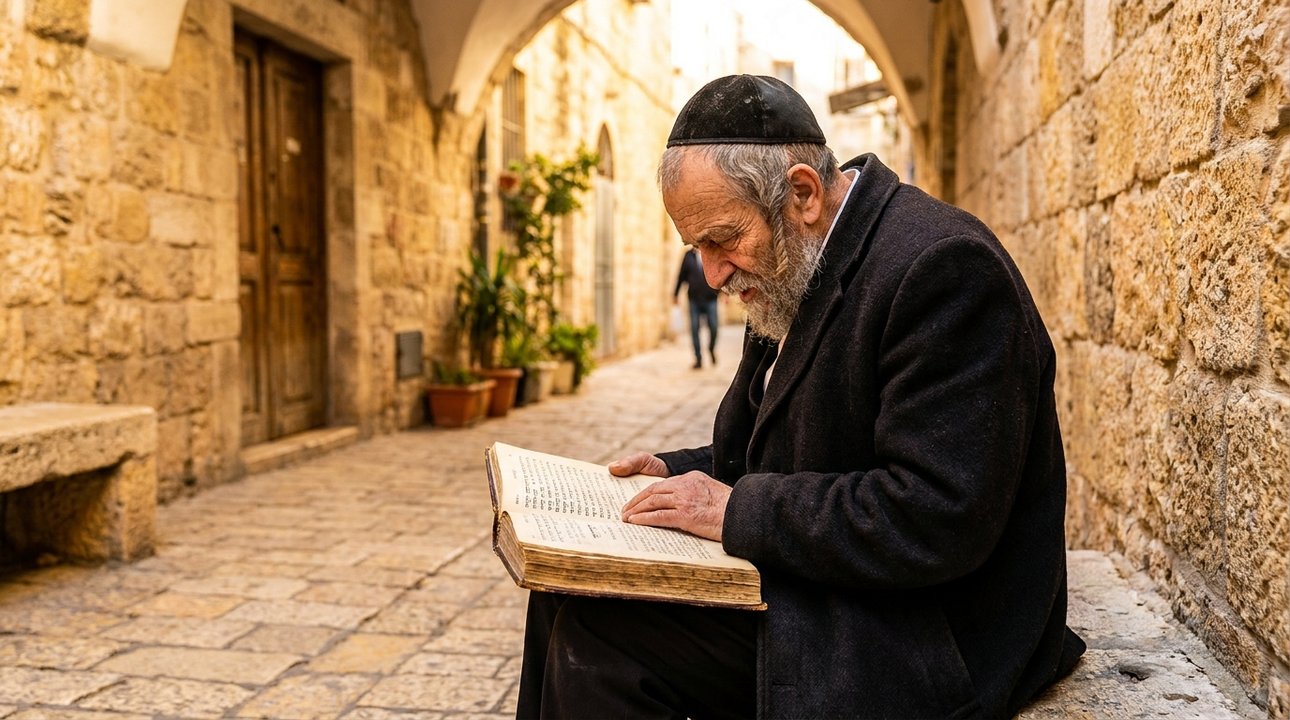
The interplay between Zion and Jerusalem has created a complex tapestry of meaning. Over time, the names have been used interchangeably, yet their distinct characteristics remain vital to Jewish heritage. Zion represents the spiritual and Jerusalem the physical heartbeat of Jewish tradition.
Together, their synergy captures the essence of community, culture, and spirit. The Book of Lamentations mourns the loss of Jerusalem, highlighting its significance as both a city and a symbol.
The relationship between Zion and Jerusalem is a testament to the enduring power of symbols in shaping cultural and spiritual narratives.
As one delves into their intertwined histories, the rich tapestry of Jewish tradition and identity becomes evident. This connection invites individuals to reflect on their own journeys and the values that guide them, drawing inspiration from the resilience and hope embodied by these ancient symbols.
In modern Israel, these terms inspire not only religious devotion but also national pride and identity. They are referenced in national anthems and literature, underlining their continued relevance in shaping collective consciousness.
By understanding their historical roots and evolution, one gains a deeper appreciation for their symbolic power and the legacy they carry. The Hatikvah, Israel’s national anthem, reflects this longing for Zion and the hope for a return to the ancestral homeland.
The significance of Zion and Jerusalem in modern Israeli culture is evident in their presence in literature, music, and national symbols.
These terms evoke a sense of belonging and connection to the land, resonating with the hopes and dreams of generations past and present. The enduring legacy of Zion and Jerusalem continues to inspire and unite people, reflecting the deep bond between the Jewish people and their ancestral homeland.
Cultural Representations of Zion and Jerusalem
Throughout the centuries, Zion and Jerusalem have inspired countless works of art, music, and literature. Jewish poets like Yehuda Halevi have penned verses longing for Zion not just as a destination, but as a spiritual homeland. His famous poem, “My Heart is in the East,” expresses a deep yearning for Jerusalem.
These representations have allowed the symbols to permeate wider cultures, even serving as metaphors for broader spiritual and political themes. The longing for Zion has become a universal theme of hope and return.
Within global perspectives, these symbols resonate with themes of freedom and justice, reflected, for instance, in African American spirituals. Zion and Jerusalem thus continue to inspire generations, demonstrating their power to transcend specific identity and speak to broader human experiences.
This cultural currency underscores the dynamic way these symbols have shaped human narratives of hope and belonging. The resonance of Zion in spirituals highlights its universal appeal as a symbol of liberation and spiritual yearning.
The influence of Zion and Jerusalem extends beyond Jewish culture, as seen in their impact on various movements and communities worldwide.
For example, during the Civil Rights Movement, Zion was often invoked in songs and speeches as a metaphor for the promised land of equality and justice. This illustrates how these ancient symbols continue to inspire and unite people across different backgrounds, emphasizing their timeless relevance in the pursuit of freedom and human dignity.
Conclusion: The Enduring Legacy of Zion and Jerusalem
The complex interplay between Zion and Jerusalem provides insight into the shared history and spiritual tradition that define Jewish identity today. These symbols guide understanding and impart lessons of perseverance, unity, and hope.
For example, the Book of Psalms frequently references Zion as a place of refuge and divine presence (Psalm 132:13-14). Their significance is not static but continually redefined by each generation, reflecting unwavering faith and a resilient bond with the Land of Israel.
The context of Zion and Jerusalem further enriches their meaning. King David’s conquest of Jerusalem, establishing it as the capital, marked the beginning of Zion’s association with the Jewish people (2 Samuel 5:7).
This connection has evolved, with Zion becoming synonymous with spiritual ideals and Jerusalem symbolizing the physical heart of Jewish tradition. Together, they embody a narrative of faith and resilience that continues to inspire.
Understanding Zion and Jerusalem as both distinct and interlinked enriches the connection one feels toward these eternal symbols. They live on as vibrant testimonies of culture, faith, and human aspiration.
In embracing their stories, one finds not only historical truth but a timeless invitation to explore deeper meanings within oneself and the world. This exploration is echoed in the Psalms, where Zion is often celebrated as the city of refuge and hope (Psalm 137:5-6).
The relationship between Zion and Jerusalem is a testament to the enduring power of symbols in shaping cultural and spiritual narratives.
As one delves into their intertwined histories, the rich tapestry of Jewish tradition and identity becomes evident. This connection invites individuals to reflect on their own journeys and the values that guide them, drawing inspiration from the resilience and hope embodied by these ancient symbols.
Key Questions About Zion and Jerusalem