
Discovering the Mountains of Jerusalem
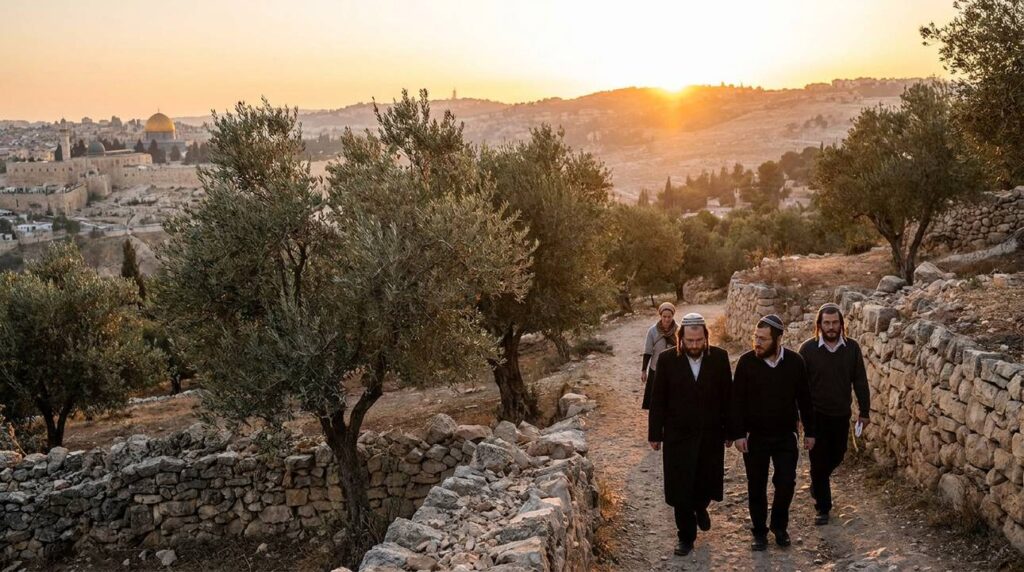

Jerusalem is a city steeped in history and wonder, perched among a fascinating network of mountains and hills. These landscapes are not just beautiful vistas but also hold deep spiritual and historical importance.
For instance, the Mount of Olives is mentioned in Zechariah 14:4 as a significant site in prophecy. Exploring the surrounding elevations of this ancient city offers a deeper connection to the stories and heritage of Israel, as well as a profound appreciation for its geographical setting.
The hills of Jerusalem have witnessed the footsteps of prophets and kings, each leaving their mark on the land. Mount Moriah, for example, is traditionally identified as the site of the binding of Isaac (Genesis 22:2), underscoring its spiritual significance.
These elevations continue to be a source of inspiration and reflection, drawing visitors who seek to understand the rich tapestry of history and faith that defines Jerusalem.
Insider's Guide to Israel
and can't-miss places most tourists never find.

The hills and mountains have played a crucial role in the defense and development of Jerusalem, offering natural fortifications against invaders. The strategic importance of these elevations has been recognized throughout history, from the time of King David to the present day.
In 2 Samuel 5:7, we learn that David captured the stronghold of Zion, which became the City of David. These natural features continue to shape the cultural and spiritual landscape of Jerusalem, providing a tangible link to the past and a source of inspiration for future generations.
The natural fortifications provided by these hills have been crucial in many historical conflicts, including during the Crusades and the Ottoman Empire’s rule. The mountains not only served as defense but also as places of refuge and contemplation for those seeking solace.
Today, these elevations continue to inspire artists, writers, and pilgrims who find in them a connection to the ancient world and a source of creative and spiritual inspiration.
Is Jerusalem on a Mountain?
Contrary to common belief, Jerusalem itself is situated on several hills rather than a single mountain. These include Mount Zion, Mount Moriah, and the Mount of Olives. Each offers its own unique history.
Mount Zion and Mount Moriah hold significance in Jewish tradition, with Mount Moriah traditionally identified as the location of the biblical binding of Isaac (Genesis 22:2), while Mount Zion symbolizes the city of David.
The city’s location has always provided a strategic advantage, with these elevated sites playing critical roles throughout history. The Mount of Olives, mentioned in Zechariah 14:4, also holds prophetic importance.
The Mountains Surrounding Jerusalem
The mountains around Jerusalem provide a magnificent natural barrier and have been witnesses to much of the region’s history. Some of the key surrounding heights include the Mount of Olives and the Hill of Evil Counsel.
Renowned for its biblical connections, the Mount of Olives stands east of the city. Mentioned in Zechariah 14:4, it has been a key location in many religious narratives, offering panoramic views of Jerusalem.
These natural elevations not only define the geography of Jerusalem but have shaped its culture and spiritual life over millennia. The hills have been a place of refuge, contemplation, and revelation for countless individuals throughout history.
Strategic positioning has also played a crucial role in the defense and development of the city, making them an integral part of Jerusalem’s story.
The Hill of Evil Counsel, known for its ominous name, is believed to be the site where Caiaphas, the high priest, plotted against significant figures in history. This hill, along with others, forms a protective circle around Jerusalem, contributing to its strategic importance.
Throughout history, these mountains have been silent witnesses to the unfolding of countless events, from biblical times to modern-day conflicts. Each has left an indelible mark on the landscape and the people who inhabit it.
The strategic positioning of these hills has been crucial in many historical battles, including during the Roman siege of Jerusalem in 70 CE. The elevations provided a natural defense, making them key to the city’s survival.
Today, the Hill of Evil Counsel stands as a reminder of the complex history of Jerusalem, where political and religious narratives have intertwined over the centuries, shaping the city’s destiny.
The Historical Importance of Jerusalem’s Mountains
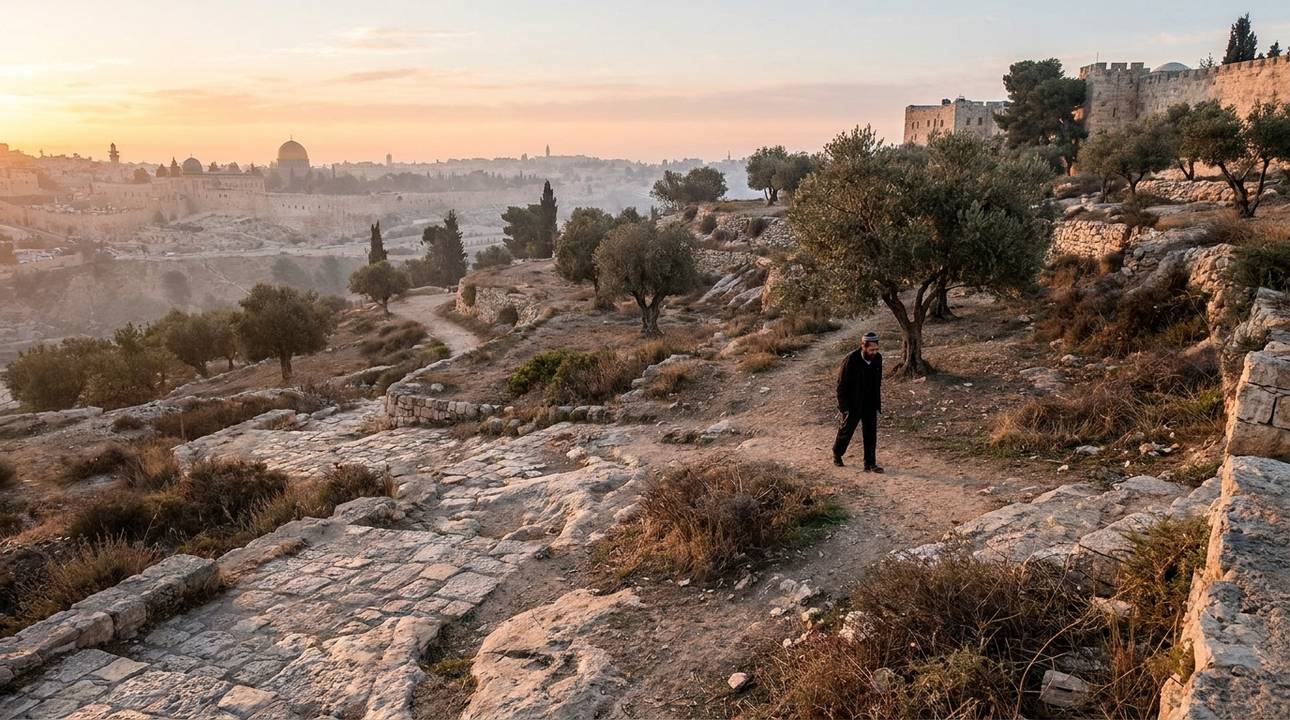
Jerusalem’s geographical features have always impacted its development. In ancient times, the city’s hilltop location provided a natural defense against invaders. Mount Zion, for example, was a key site during King David’s reign, as mentioned in 2 Samuel 5:7.
The area now known as the ‘City of David’ became the center of his kingdom, rooted in these strategic elevations.
Moreover, the mountains have served as sacred spaces, with numerous stories of prophets seeking solitude and revelation on these heights, indicating their continual spiritual significance.
The strategic importance of these elevations is evident in their use during various historical periods, including the Byzantine and Ottoman eras. The mountains have been both a refuge and a place of worship, shaping the religious landscape of Jerusalem.
Today, these hills continue to be a source of inspiration and reflection for those who visit, offering a glimpse into the rich history and spiritual heritage of the city.
The prophets, such as Elijah, often found refuge in the mountains, seeking divine guidance and solitude. In 1 Kings 19:8-9, Elijah traveled to Mount Horeb, where he experienced a profound encounter.
These elevations have been places of meditation and spiritual encounters, providing a backdrop for many pivotal biblical events. The hills and mountains around Jerusalem are not just geographical features but are intertwined with the spiritual and historical tapestry of the city.
They offer insights into the ancient world and its enduring legacy.
Mount Moriah, where the binding of Isaac took place (Genesis 22:2), is another example of a mountain with deep spiritual significance. These elevations have witnessed countless stories of faith and devotion, making them integral to understanding Jerusalem’s history.
For those who walk these paths today, the sense of connection to the past is palpable. The mountains serve as a reminder of the enduring faith and resilience of the people who have called this land home.
Modern Implications: Tourism and Travel
Today, the mountains of Jerusalem attract tourists and pilgrims from around the world. Visitors come to experience not just the breathtaking views, but the intense historical and spiritual atmosphere that permeates these sites.
The Mount of Olives, for example, offers a view that has been cherished for centuries. People walking there can reflect on its rich history while marveling at the present-day cityscape.
These sites are now hubs of cultural exchange, providing glimpses into the multi-layered history of the region through walking tours and educational programs.
Insider's Guide to Israel
and can't-miss places most tourists never find.
The Mount of Olives has been a site of pilgrimage for centuries, attracting those seeking spiritual renewal and connection. It is a place where history and faith intertwine, offering visitors a chance to walk in the footsteps of prophets and kings.
The educational programs available in these areas provide a deeper understanding of the historical and cultural significance of the mountains, enriching the experience for all who visit.
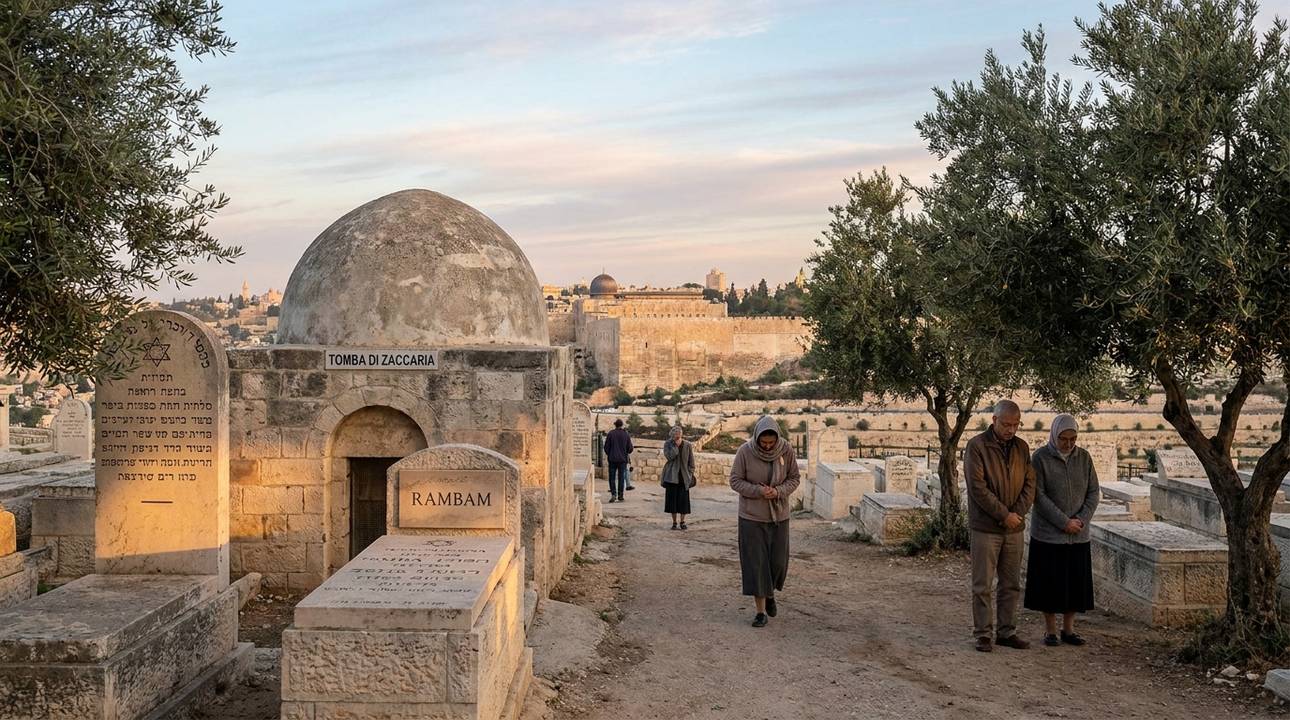
The Mount of Olives is home to the oldest Jewish cemetery in the world, with graves dating back over 3,000 years. This cemetery is a testament to the enduring connection between the Jewish people and this sacred land.
It is mentioned in 2 Kings 23:13 as a site of significant historical and religious events. Visitors can explore the numerous historical sites scattered across these elevations. Each site tells a story of the past, offering a unique perspective on the cultural and religious significance of Jerusalem.
The cemetery includes the tombs of notable figures such as the prophet Zechariah and the medieval Jewish philosopher Maimonides. These graves reflect the deep historical roots and the reverence held for this land.
Walking through this ancient burial ground, one can feel the weight of history and the spiritual connection that has drawn people to this place for millennia. The Mount of Olives continues to be a place of pilgrimage and reflection for many who visit Jerusalem.
Experiencing Jerusalem’s Mountains
For many, visiting these mountains is a deeply personal journey. The connection to ancient traditions can be felt while hiking these trails, providing a unique perspective not seen in more urban settings.
The Mount of Olives, for example, is a place where many believe significant future events will unfold, as noted in Zechariah 14:4. Tourists often share stories of feeling a sense of timelessness, as if walking alongside historical figures of the past.
This blend of history, religion, and natural beauty makes the mountains around Jerusalem a compelling destination for travelers seeking insight into the heart of Israel.
The trails winding through these mountains offer not only physical challenges but also spiritual and emotional reflections. As one walks these paths, the history of the land seems to come alive, whispering stories of ancient times and sacred events.
The journey through the mountains is not just a physical trek but a spiritual pilgrimage. Visitors connect with the rich tapestry of Jerusalem’s history and its enduring significance in the world today.
The paths are reminiscent of those walked by prophets and pilgrims, each step echoing with history.
The Mount of Olives, for example, is a site where many have sought spiritual renewal. It is said that King David fled there during Absalom’s rebellion (2 Samuel 15:30), finding solace in its heights.
Walking these trails, one is reminded of the countless individuals who have found peace and inspiration here, making the mountains a timeless symbol of faith and perseverance.
Conclusion: The Mountains of Jerusalem
The mountains surrounding Jerusalem are more than just geographical features; they are living monuments to the city’s soul. They have witnessed pivotal events and serve as a bridge between the past and present.
Those who climb these hills are not simply adventurers but partakers in a journey through time. They explore the layers of history and faith that continue to define this remarkable city.
The Mount of Olives, for example, has been a site of significant historical events, including its mention in Ezekiel 11:23.
Mount Scopus, another prominent elevation, has served as a vantage point for armies and pilgrims alike. It offers sweeping views of Jerusalem, allowing one to appreciate the city’s unique geography.
These mountains are not just physical landmarks but are imbued with the stories and struggles of those who have lived and journeyed here. They remain a testament to the enduring spirit of Jerusalem and its people.
Exploring these mountains offers a rare opportunity to connect deeply with the heritage of Jerusalem, making each visit a story of discovery and inspiration. The hills have borne witness to the footsteps of prophets and pilgrims alike, each leaving their mark on the land.
These natural elevations continue to inspire and draw people from all over the world. Each visitor seeks to understand and experience the profound history and culture that Jerusalem embodies, often finding a personal connection to the stories of the past.
The Mount of Olives, with its panoramic views and historical significance, serves as a bridge between the past and present. It is a place where one can reflect on the enduring legacy of Jerusalem and its impact on the world.
For many, the journey to these mountains is a pilgrimage of the heart, offering a chance to walk in the footsteps of those who have come before and to find inspiration in the timeless stories that continue to unfold.
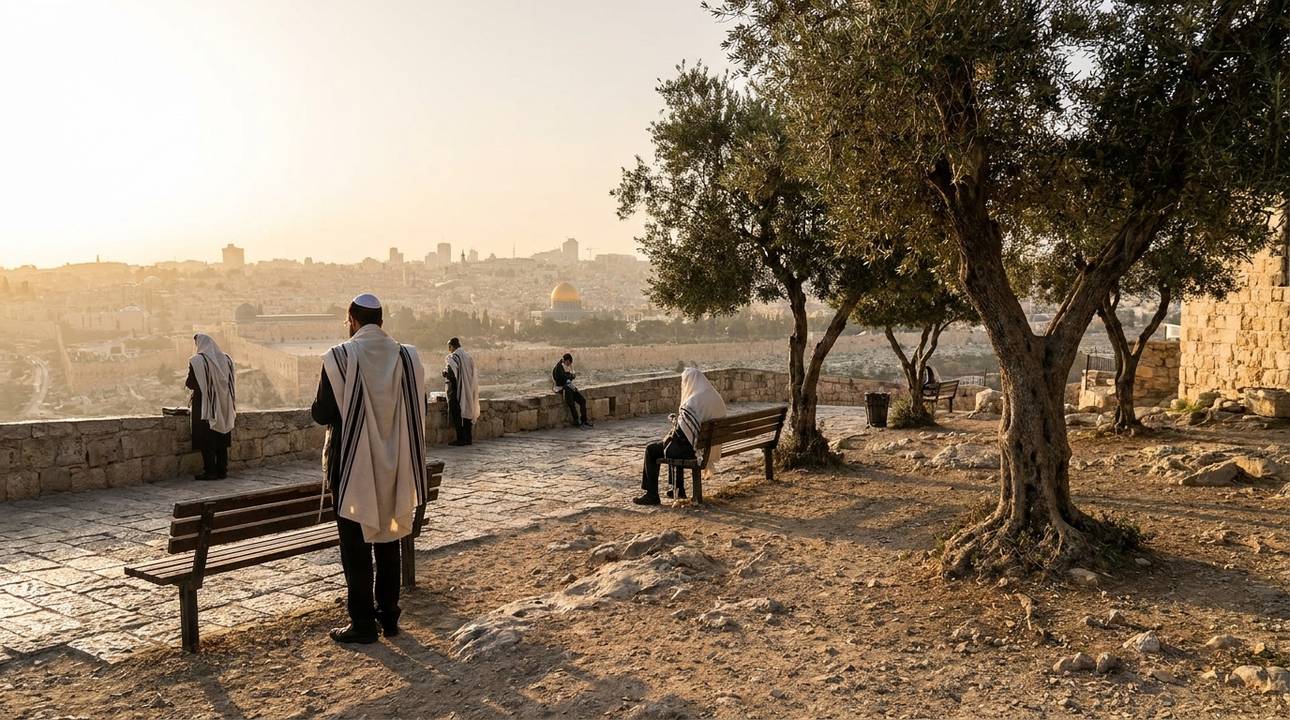
Understanding Jerusalem's Geography
