
Discovering the Life and Times of King David
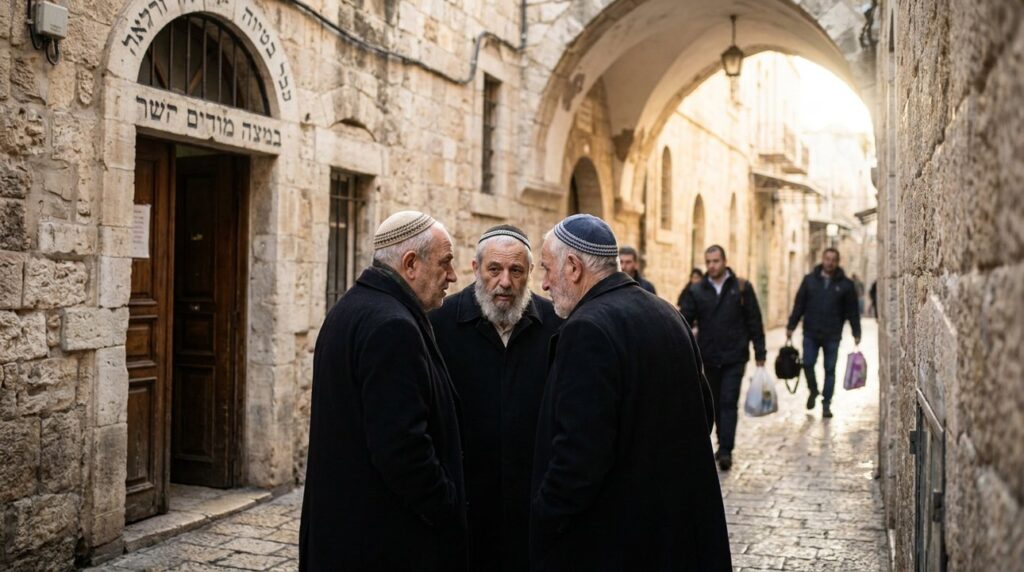

King David is one of the central figures in the Hebrew Bible, renowned for his leadership, his poetry, and his profound impact on Israel’s history. He is celebrated for his role in uniting the tribes of Israel and establishing Jerusalem as the nation’s capital.
His reign is chronicled in books such as 2 Samuel and 1 Chronicles, which detail his military and political achievements. This article explores the timeline of his life, where he grew up, and the cities that played significant roles during his reign.
From his humble beginnings in Bethlehem (1 Samuel 16:1), where he was anointed by the prophet Samuel, to his reign in Jerusalem, David’s journey is both captivating and instructive.
David’s early life in Bethlehem set the stage for his future as a leader. Known for his shepherding skills, David’s upbringing in this small town provided him with the grounding and resilience necessary for his later challenges.
Bethlehem, a town in the Judean hills, was not just his birthplace but also a significant location in his anointing as king. His journey from shepherd to king is a testament to his enduring legacy and the pivotal moments that defined his path.
The story of David’s life continues to inspire those who seek to understand the complexities of leadership and faith.
The Early Life of David
David’s journey begins in Bethlehem, a small town in the tribe of Judah. He was the youngest son of Jesse, and his early years were spent as a shepherd. This rural upbringing was crucial in shaping his character and faith, often reflected in his Psalms.
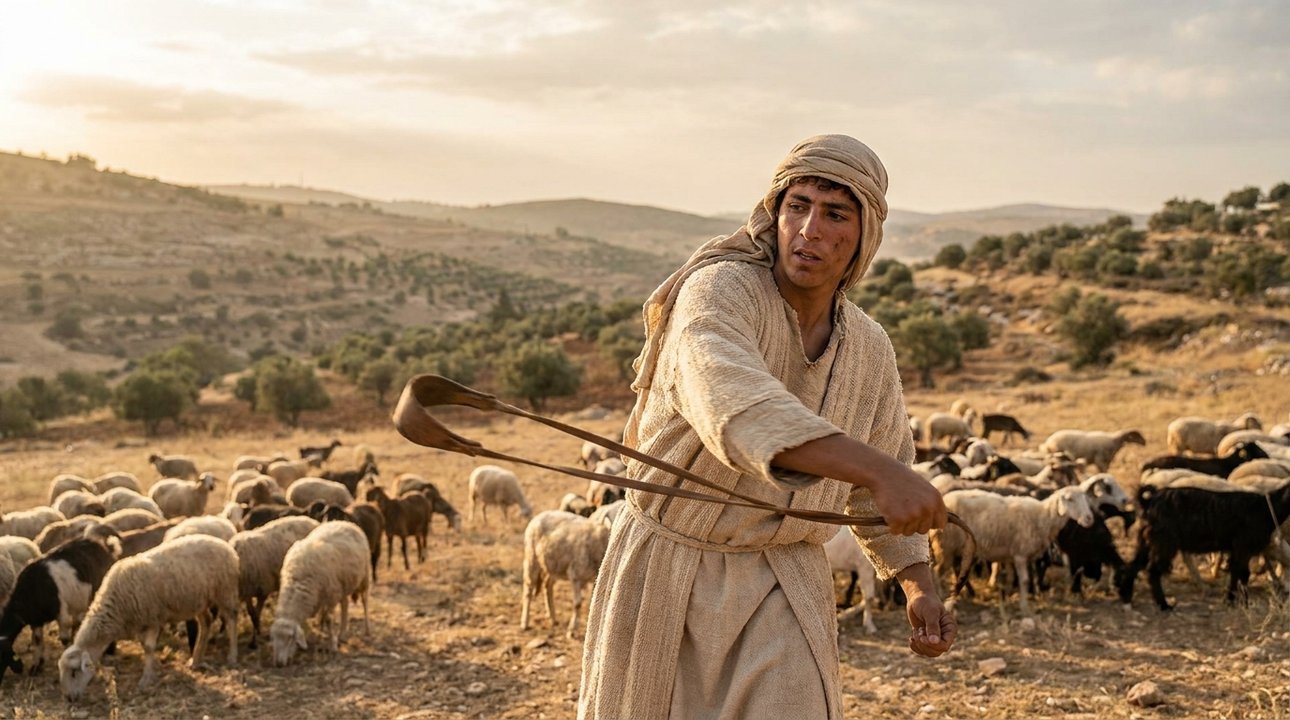
The fields of Bethlehem were where he developed a deep sense of spirituality and connection to the land. While tending sheep, David developed skills with the sling, a talent that would later define his battle with Goliath.
This skill is highlighted in 1 Samuel 17:34-36, where David recounts defending his flock from lions and bears. By understanding David’s humble beginnings in Bethlehem, we can grasp how pivotal his journey was from shepherd to king.
David’s Rise to Power
David was anointed by the prophet Samuel, marking the beginning of his path to kingship (1 Samuel 16:13). His rise in Saul’s court began as a musician; he played the lyre to soothe King Saul’s troubled spirit.
This musical talent was not only a source of comfort but also a strategic entry into the royal court. His victory over the Philistine giant, Goliath, made him a celebrated figure and raised his profile in the Israelite community.
This battle is detailed in 1 Samuel 17, where David’s faith and skill with a sling led to an improbable victory. However, his growing popularity created tension with Saul, eventually leading to David fleeing to avoid Saul’s wrath.
David’s relationship with Saul became increasingly strained, as Saul’s jealousy grew over David’s successes. This tension is evident in 1 Samuel 18:7-9, where the people’s praise of David’s victories fueled Saul’s animosity.
David’s escape from Saul’s court marked the beginning of a period of exile and survival. During this time, David’s leadership qualities emerged as he gathered a loyal group of followers. His ability to inspire and lead even in adversity laid the groundwork for his future reign.
These experiences shaped David into a resilient leader, capable of uniting the tribes of Israel.
During his time as a fugitive, David lived in Ziklag among the Philistines and later settled in Hebron. In Ziklag, he found refuge from King Saul’s pursuit, as noted in 1 Samuel 27:6. This period allowed David to gather a loyal following and build alliances that would later prove essential.
Later, Hebron became pivotal when he was crowned king of Judah. Here, he was crowned king of Judah, and after Saul’s death, he became king over a united Israel. Hebron was not just his place of refuge, but also his first stronghold as a ruler, indicating his strategic acumen and leadership abilities.
This period in Hebron set the stage for his eventual establishment in Jerusalem.
David’s time in Hebron was marked by significant developments, including his anointing as king over Judah, as described in 2 Samuel 2:4. This marked the beginning of his formal rule and the consolidation of his power base.
Hebron’s role as the initial capital of David’s kingdom underscores its importance in his rise to power. The city served as a launching point for David’s eventual unification of Israel, demonstrating his ability to navigate complex political landscapes.
His leadership during this time was crucial in establishing the stability needed for his future reign over the united kingdom.
The Establishment of Jerusalem
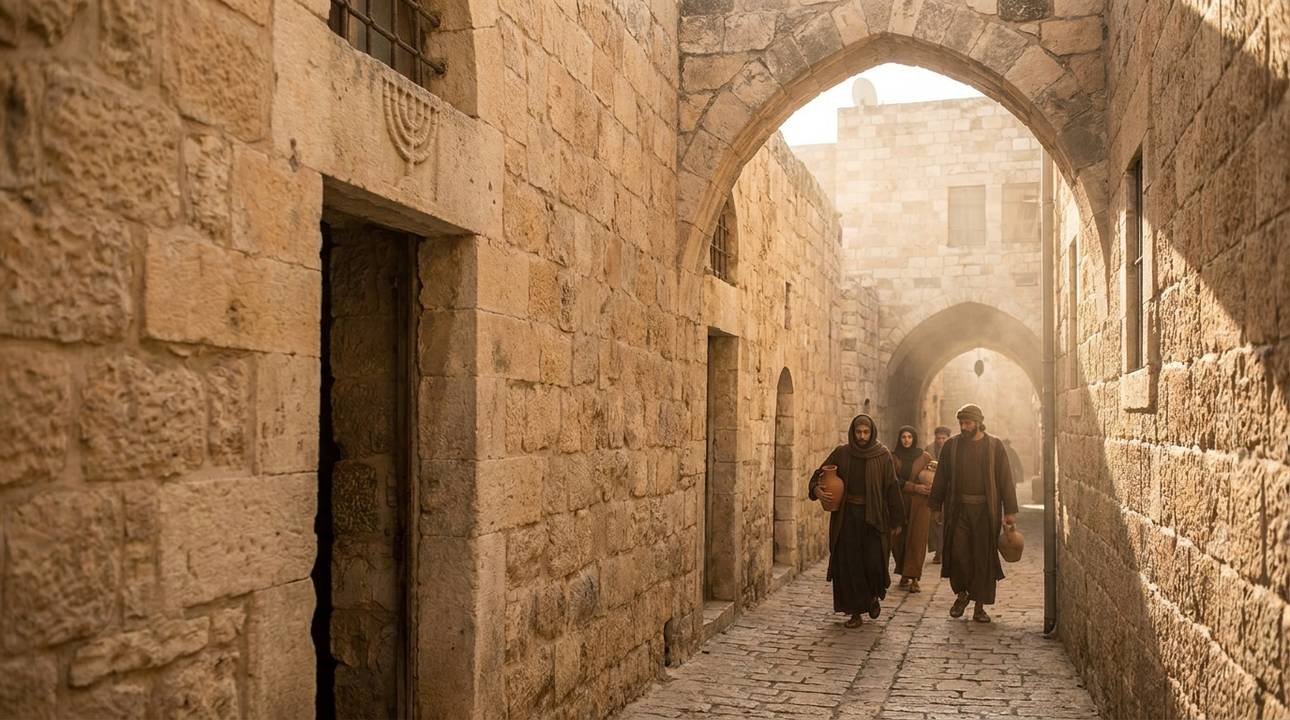
David captured Jerusalem, making it the political and spiritual center of Israel (2 Samuel 5:7). Known as the City of David, Jerusalem became the heart of his kingdom, symbolizing his unifying role in Israel’s history. His conquest of the Jebusite city was a strategic move that solidified his rule.
He brought the Ark of the Covenant to Jerusalem, reinforcing its religious significance and aligning it as the nation’s central place of worship. This act strengthened David’s legacy as a king deeply connected to his people’s faith.
The event is detailed in 2 Samuel 6:12-15, highlighting the joy and celebration it brought to the people.
The Ark’s arrival in Jerusalem was marked by a grand procession, with David himself dancing before it, wearing a linen ephod. This moment is captured vividly in 2 Samuel 6:14, illustrating David’s deep devotion and the communal joy it inspired.
The city’s transformation into a religious hub under David’s leadership laid the foundation for its enduring significance in Jewish history.
Jerusalem’s establishment as the capital was not only a political triumph but also a spiritual milestone, reflecting David’s vision for a unified and devout nation. His actions in Jerusalem continue to be celebrated as pivotal in shaping Israel’s identity.
David’s Legacy and Later Life
David’s reign lasted for 40 years, a time marked by military successes and complex personal challenges. Though he was a revered king, his life was also rife with conflict, including family strife and political intrigue.
His victories over the Philistines and other enemies are well-documented in 2 Samuel 8:1-14. David’s deep relationship with God and his heartfelt psalms continue to influence Jewish worship and cultural heritage.
His burial in the City of David marks his lifelong connection to the land and its people. The Psalms, attributed to him, reflect his spiritual journey and continue to be a source of comfort and inspiration.
David’s family life was tumultuous, with notable incidents such as the rebellion of his son Absalom, which is detailed in 2 Samuel 15-18. This period of internal conflict tested David’s leadership and personal resilience.
Despite these challenges, his legacy endured, largely due to his ability to navigate both political and personal trials. His psalms, many of which express deep emotional and spiritual reflections, have become integral to Jewish liturgy.
These writings, attributed to David, offer insight into his inner life and continue to resonate with people seeking solace and inspiration.
In brief, David’s life was marked by his unwavering faith and decisive leadership. His legacy lives on in stories of his courage, his devotion, and his significant contributions to the Jewish nation.
His military campaigns expanded Israel’s territory, as seen in 1 Chronicles 18:1-13, where he secured victories over the Philistines, Moabites, and other neighboring peoples. Today, he is remembered not just as a king, but as a man after God’s own heart, whose life remains a source of inspiration.
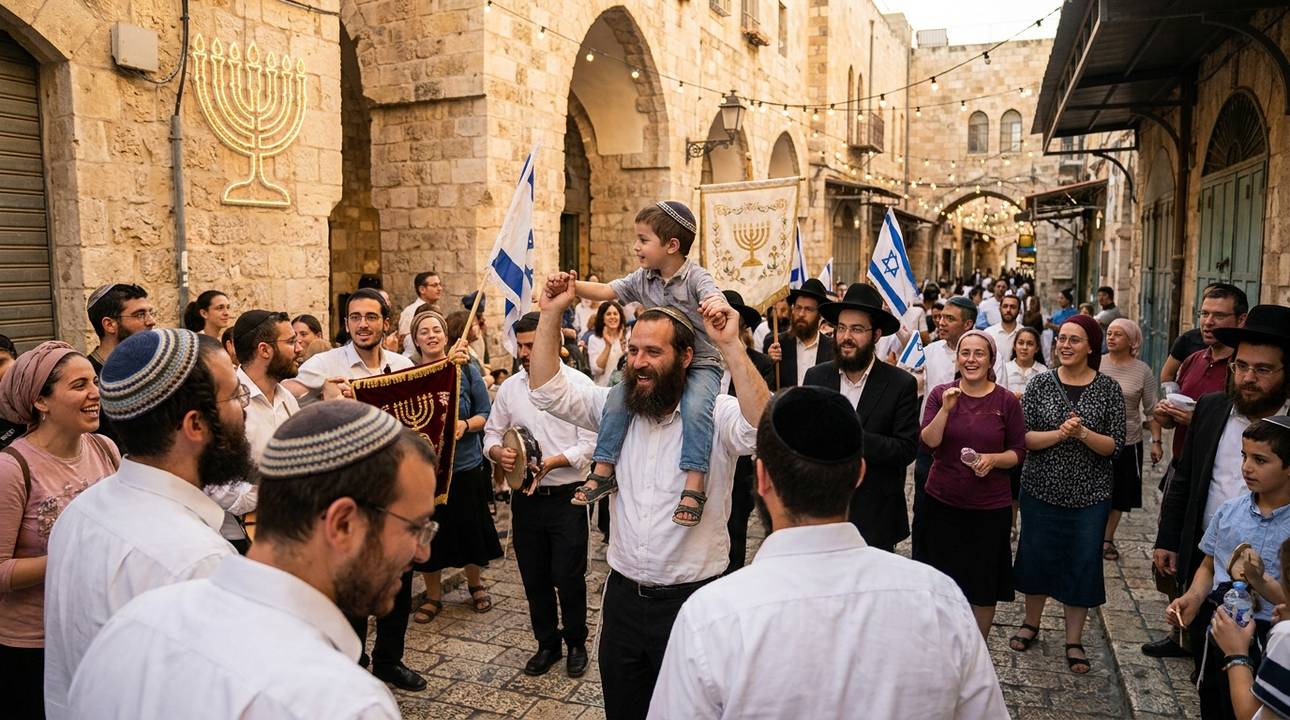
David’s impact can still be felt in modern Israel, where his story resonates with a sense of history and identity. The city of Jerusalem, with its rich history, stands as a testament to his lasting influence.
David’s influence extends beyond his military and political achievements. His contributions to music and poetry, particularly through the Psalms, have left a lasting cultural legacy.
These writings, attributed to David, offer insights into his spiritual life and continue to be a source of comfort and guidance. His ability to express deep emotions through his psalms has made them a cornerstone of Jewish worship.
David’s multifaceted legacy as a warrior, poet, and leader continues to inspire and resonate with those who seek to understand the depth of his impact on history.
David's Life and Legacy
