
Exploring the Mystical Symbolism of Eagles in the Bible


Eagles are more than just majestic birds in biblical narratives. They symbolize strength, vision, and divine protection in Jewish tradition. In Deuteronomy 32:11, the eagle is described as stirring up its nest and hovering over its young, illustrating God’s nurturing care for Israel. This article delves into the layers of meaning behind these powerful symbols, exploring their roles in scripture and mystical thought. The eagle’s ability to soar high is often likened to the spiritual elevation sought by the faithful.
Eagles are mentioned in Isaiah 40:31, where those who hope in the divine will “renew their strength; they will soar on wings like eagles.” This verse highlights renewal and strength, offering comfort and encouragement to believers. These biblical references underscore the eagle’s significance as a symbol of divine intervention and support, emphasizing the enduring bond between the Jewish people and their spiritual journey. This imagery invites individuals to embrace renewal and strength in their faith.
from the Western Wall to Masada.

The eagle in the Bible serves as a reminder of the divine support available to those who remain faithful. This symbolism encourages individuals to seek spiritual renewal and strength, drawing inspiration from the eagle’s ability to overcome challenges. By looking to the eagle as a model of resilience and strength, believers are invited to deepen their connection to their spiritual heritage and embrace the divine guidance available to them.
The Eagle as a Symbol of Strength and Protection
In biblical tradition, the eagle frequently represents strength and protection. In Exodus 19:4, God tells the Israelites, ‘I carried you on eagles’ wings and brought you to myself.’ This metaphor emphasizes God’s guidance and the protective power akin to an eagle’s caring nature towards its young. The imagery of an eagle confirms the presence of divine guardianship, offering reassurance and hope to those who follow the path of righteousness. The eagle’s nurturing aspect is further highlighted in its role as a symbol of care and support.
The eagle’s ability to soar high above the earth is often seen as a metaphor for spiritual elevation and the pursuit of higher understanding. In Deuteronomy 32:11, the eagle’s care for its young is likened to divine protection, reinforcing the theme of nurturing guidance. This powerful imagery serves as a reminder of the strength and support available to those who seek spiritual growth and remain faithful to their beliefs, encouraging perseverance and trust in divine guidance.
The eagle in the Bible serves as a reminder of divine protection and guidance available to believers. This symbolism encourages individuals to seek spiritual elevation and understanding, drawing inspiration from the eagle’s ability to rise above challenges. By looking to the eagle as a model of strength and resilience, individuals are invited to deepen their connection to their spiritual beliefs and embrace the divine guidance available to them.
The keen vision of eagles symbolizes insight and perception. Isaiah declares, ‘But they that wait upon the Lord shall renew their strength; they shall mount up with wings as eagles’ (Isaiah 40:31). Here, the eagle’s flight elevates a person spiritually, conveying the idea of rising above challenges with renewed strength and perspective. This biblical image encourages spiritual resilience and an enhanced view of one’s purpose, inspiring individuals to seek deeper understanding and insight.
The eagle’s vision is a metaphor for spiritual insight, encouraging believers to look beyond the surface and seek deeper truths. This imagery is reflected in the Bible, where the eagle is often associated with wisdom and perception. By embodying the qualities of the eagle, individuals are encouraged to develop their spiritual insight and understanding, drawing inspiration from the eagle’s ability to see clearly and navigate challenges with grace and strength.

Eagles in Jewish Mysticism: Symbols of Transformation
In Jewish mystical thought, eagles are seen as symbols of transformation and elevation. Within the context of Kabbalah, eagles are likened to higher spiritual states that one can attain through personal growth. This association represents the journey toward enlightenment and the pursuit of deeper knowledge in spiritual practice. The transformative power of eagles invites individuals to rise above mundane limits towards greater understanding and divine connection, encouraging a deeper exploration of spiritual truths.
The eagle’s ability to soar high above the earth is a metaphor for spiritual elevation and the pursuit of higher understanding. This imagery is reflected in Jewish mystical thought, where eagles are seen as symbols of spiritual enlightenment and transformation. By embodying the qualities of the eagle, individuals are encouraged to seek higher spiritual states and deepen their connection to their spiritual beliefs, drawing inspiration from the eagle’s ability to rise above earthly concerns.
The eagle’s transformation is not only metaphorical but also a literal journey as observed in nature. The Bible draws parallels between the eagle’s life cycles and the human quest for renewal and change. This parallel speaks to the essence of growth, illustrating the universal pattern of struggle followed by rejuvenation and upliftment. The mysticism surrounding eagles signifies hope and the promise of a renewed self in the ongoing spiritual journey. This transformation is akin to the spiritual renewal sought by believers.
Isaiah uses the eagle as a symbol of renewal and strength, emphasizing the transformative power of faith (Isaiah 40:31). This imagery invites individuals to embrace change and growth as part of their spiritual journey. The eagle’s life cycle serves as a metaphor for the human experience, highlighting the potential for renewal and transformation through faith and perseverance. This symbolism encourages individuals to seek spiritual growth and renewal in their lives.
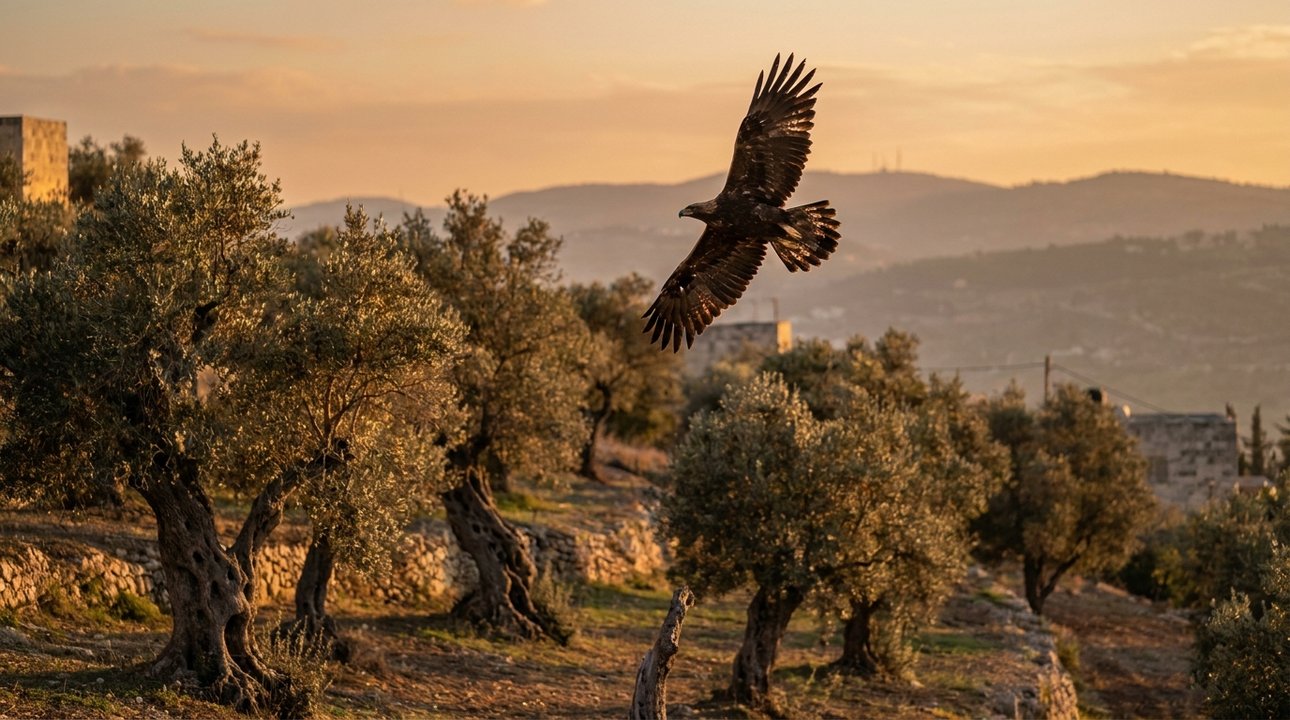
Eagles as Symbols of Prophecy and Divine Messengers
Eagles are often depicted as divine messengers in the Bible, bridging the earthly and the heavenly. In Ezekiel, the eagle is part of the prophet’s vision, symbolizing the presence of divine messengers (Ezekiel 1:10). Their majestic flight symbolizes the communication between mankind and the divine realm. In prophetic visions, eagles appear as emissaries that convey divine messages, as witnessed in Ezekiel. This imagery underscores the sacred role of eagles in spiritual narratives.
In Revelation, eagles are depicted as symbols of divine intervention, highlighting their role as carriers of important messages. These biblical references emphasize the eagle’s role in connecting the earthly with the divine, serving as a bridge between human understanding and spiritual insight. The eagle’s presence in these texts invites believers to remain open to spiritual guidance and the profound wisdom conveyed through such divine messengers.
This symbolism highlights the eagle as a powerful medium of divine will and a harbinger of spiritual truths. The eagle’s role in these visions emphasizes the importance of remaining attuned to spiritual guidance and the messages conveyed through prophetic insights. Isaiah uses the eagle to symbolize renewal and strength, urging believers to maintain their spiritual journey. By understanding the eagle’s symbolism, individuals are encouraged to embrace their spiritual journey and remain open to the divine messages that guide their path.
from the Western Wall to Masada.
The eagle in biblical texts serves as a reminder of the divine wisdom that guides believers. Through the imagery of eagles, the Bible invites individuals to seek spiritual truths with sincerity and openness. This connection between the eagle and divine guidance reinforces the value of spiritual awareness and the pursuit of truth, urging individuals to remain open to divine inspiration and guidance in their lives.
The prophetic representation of eagles serves as a reminder of the sanctity and significance of divine messages in biblical texts. In Ezekiel, the prophet’s vision of an eagle signifies divine revelation and guidance. The eagle stands as a symbol of revelation, a powerful icon that underscores the sacred duty of prophets to deliver divine guidance to the people. This imagery encourages individuals to seek spiritual truths and divine insights with reverence and sincerity.
Isaiah uses the eagle as a symbol of renewal and strength, highlighting its role as a messenger of divine wisdom (Isaiah 40:31). This reinforces the importance of heeding divine guidance and remaining open to spiritual insights. The eagle’s presence in these texts invites individuals to seek a deeper connection with their spiritual beliefs and embrace the divine messages that guide their path, encouraging spiritual growth and understanding.
By understanding this imagery, one is encouraged to seek spiritual truths and divine insights with reverence and sincerity. The eagle’s role as a messenger in biblical prophecy highlights the importance of heeding divine wisdom and maintaining a connection to spiritual teachings. This symbolism reinforces the value of spiritual awareness and the pursuit of truth, urging individuals to remain open to divine inspiration and guidance. The eagle’s flight is a metaphor for spiritual elevation, encouraging believers to rise above earthly concerns.
In Deuteronomy, the eagle is compared to divine protection, symbolizing the nurturing guidance provided by the divine (Deuteronomy 32:11). This reinforces the idea that spiritual growth is supported by divine care and wisdom. The eagle’s ability to soar high above the earth serves as a metaphor for spiritual elevation and the pursuit of higher understanding, encouraging individuals to seek a deeper connection with their spiritual beliefs.
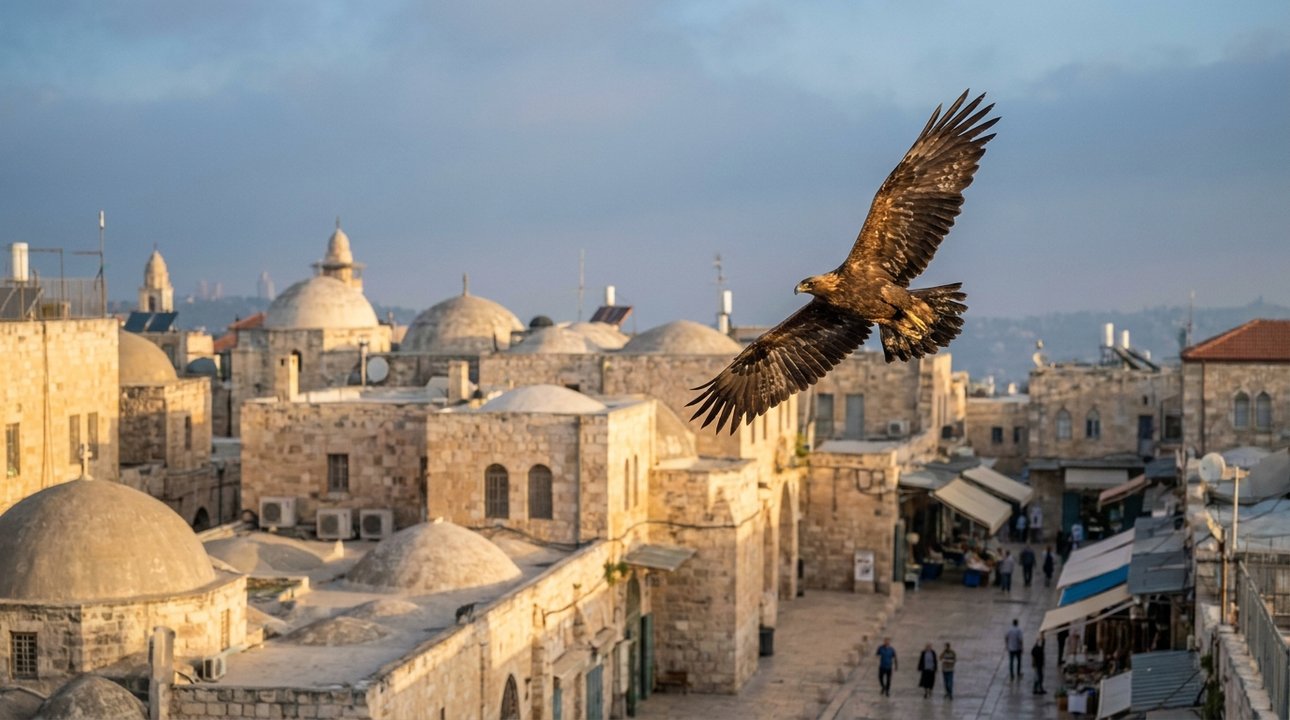
The Cultural Impact of Eagles in Jewish Tradition
Eagles have left a lasting cultural imprint within Jewish tradition, symbolizing the bond between the Jewish people and their spiritual heritage. In Jewish art, eagles often appear in synagogue decorations, symbolizing protection and divine presence. Their inclusion in Jewish art and literature emphasizes themes of liberation, strength, and the protection of the divine. The eagle’s role in the Exodus narrative as a symbol of deliverance further highlights its importance in Jewish cultural memory.
The eagle in Jewish tradition serves as a reminder of divine protection and guidance available to believers.
These representations inspire generations to embrace their heritage and personal resilience. By embodying the qualities of the eagle, individuals are encouraged to rise above challenges and remain steadfast in their faith. The eagle’s enduring presence in Jewish tradition serves as a testament to the resilience and perseverance of the Jewish people. This symbolism is evident in the story of the Exodus, where the eagle represents liberation and divine support, inspiring future generations to uphold their spiritual and cultural legacy.
The eagle’s role in Jewish tradition is not just symbolic but also a call to action, encouraging individuals to embody strength and courage. The imagery of eagles in biblical narratives serves as a reminder of the divine protection and guidance available to those who remain faithful. By looking to the eagle as a model of resilience, individuals are inspired to persevere through life’s challenges, drawing strength from their heritage and spiritual beliefs.

Summary: The Multifaceted Symbolism of Eagles
Eagles represent strength, vision, and divine protection throughout biblical and mystical traditions. In Ezekiel 17:3, a great eagle with powerful wings is a metaphor for a mighty kingdom, reflecting the eagle’s association with power and authority. Mirroring physical traits, they illuminate pathways to spiritual resilience and transformation while maintaining cultural significance. The eagle’s keen eyesight is often seen as a symbol of prophetic vision, guiding individuals to deeper understanding.
Their mystery and majesty continue to invoke inspiration and introspection in all who explore their symbolism. The Talmud also references eagles, noting their ability to fly higher than other birds, symbolizing the pursuit of higher knowledge and spiritual enlightenment. This majestic bird serves as a reminder of the heights one can achieve through faith and perseverance, encouraging introspection and a deeper connection to one’s spiritual path. The eagle’s flight is a metaphor for reaching new spiritual heights, inviting believers to explore deeper truths.
In Jewish tradition, the eagle’s ability to soar is seen as a symbol of spiritual elevation and the pursuit of higher understanding. This imagery is reflected in Jewish art and literature, where eagles often appear as symbols of protection and divine presence. The eagle’s role in these contexts emphasizes themes of liberation, strength, and the protection of the divine, inviting individuals to seek a deeper connection with their spiritual heritage.
Exploring Eagle Symbolism
