
The Importance and Role of Incense in Biblical Times
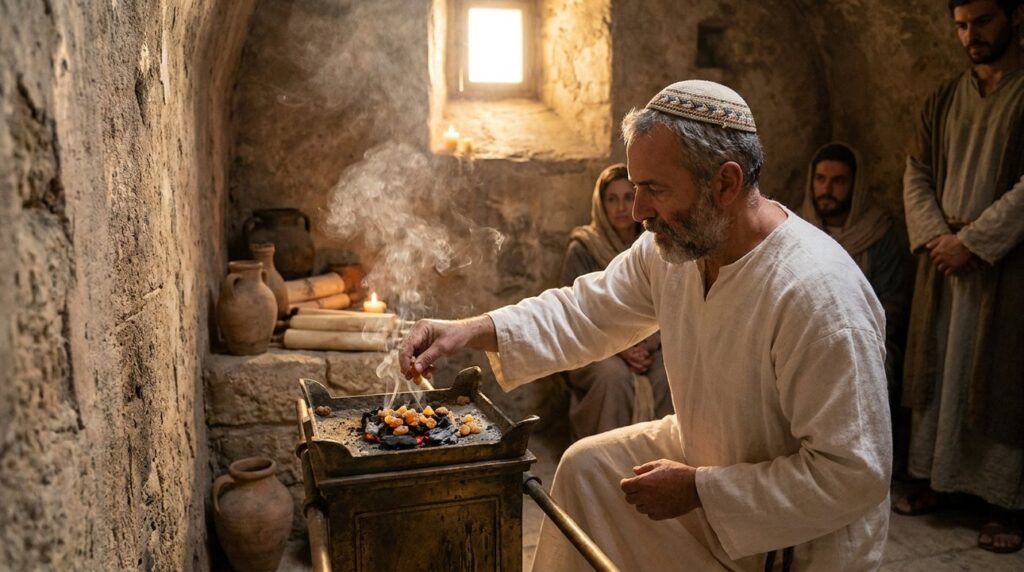

Incense, a fragrant offering mentioned frequently in the Bible, plays a significant role in rituals and worship. It creates an atmosphere of sanctity and connects the physical to the spiritual.
In the Bible, incense is often linked to prayer, as seen in Psalm 141:2, where prayers are likened to incense rising to the heavens. Throughout the scriptures, incense is more than just a delightful aroma; it embodies a deeper connection to the divine.
This connection is emphasized in various biblical texts, where incense serves as a symbol of purity and devotion.
Incense in biblical rituals underscores its role as a bridge between the physical and spiritual realms. By creating an atmosphere of sanctity, it helped worshippers feel closer to the divine presence, enhancing their spiritual experience.
In this way, incense served as a powerful symbol of the community’s devotion and their desire to maintain a continuous connection with the divine, reinforcing the importance of purity and reverence in their worship practices.
from the Western Wall to Masada.

Introduction to Incense in Biblical Texts
Incense in the Bible is both symbolic and practical. It is most notably associated with the offering rituals in the Temple. Exodus 30:34-38 describes a specific recipe for the sacred incense, which includes ingredients like stacte, onycha, galbanum, and pure frankincense.
This emphasizes its importance as something holy and set apart, not to be replicated outside worship. The sacred incense was meant to be used only in the context of worship, highlighting its unique role in the spiritual practices of ancient Israel.
The unique formula of sacred incense underscores its special role in religious practices, as it was reserved exclusively for worship. This exclusivity emphasized the sanctity of the incense and its significance in maintaining the holiness of the Temple.
By adhering to this divine recipe, the Israelites demonstrated their commitment to preserving the sanctity of their worship and their desire to maintain a close connection with the divine presence.
Significance of Incense in Worship
In the sanctuary, incense was burned on the altar of incense, a sacred object placed before the veil of the Most Holy Place. This altar was made of acacia wood and overlaid with gold, as described in Exodus 30:1-10, signifying its importance in the worship practices of ancient Israel.
This act symbolized prayers ascending to heaven, as noted in Psalm 141:2: ‘May my prayer be set before you like incense. ‘ The burning of incense was a daily ritual performed by the priests, serving as a reminder of the constant need for communication with the divine.
The altar of incense, with its gold overlay, was a critical component of the sanctuary, representing the community’s devotion and reverence. The daily burning of incense by the priests emphasized the importance of maintaining a continuous connection with the divine presence.
This ritual served as a reminder of the community’s commitment to their faith and their desire to uphold the sanctity of their worship practices, ensuring that their prayers were always heard.
The sweet aroma of incense was believed to enhance the sacred atmosphere of the sanctuary, pleasing to the divine presence. In Exodus 30:7, the daily burning of incense by Aaron symbolized the Israelites’ devotion and their desire to maintain a continuous connection with the divine.
This integral practice reinforced the sanctity of the Temple and the importance of ritual purity. Incense served as a constant reminder of the community’s commitment to their faith.
The burning of incense was not just a ritualistic act but a profound expression of faith and devotion. It was a way for the Israelites to demonstrate their reverence and maintain a sense of holiness within their community.
The fragrance of the incense filled the sanctuary, creating an environment conducive to prayer and reflection. In this way, incense played a crucial role in the spiritual life of ancient Israel, serving as a bridge between the physical and spiritual realms.
Incense and the Priestly Role
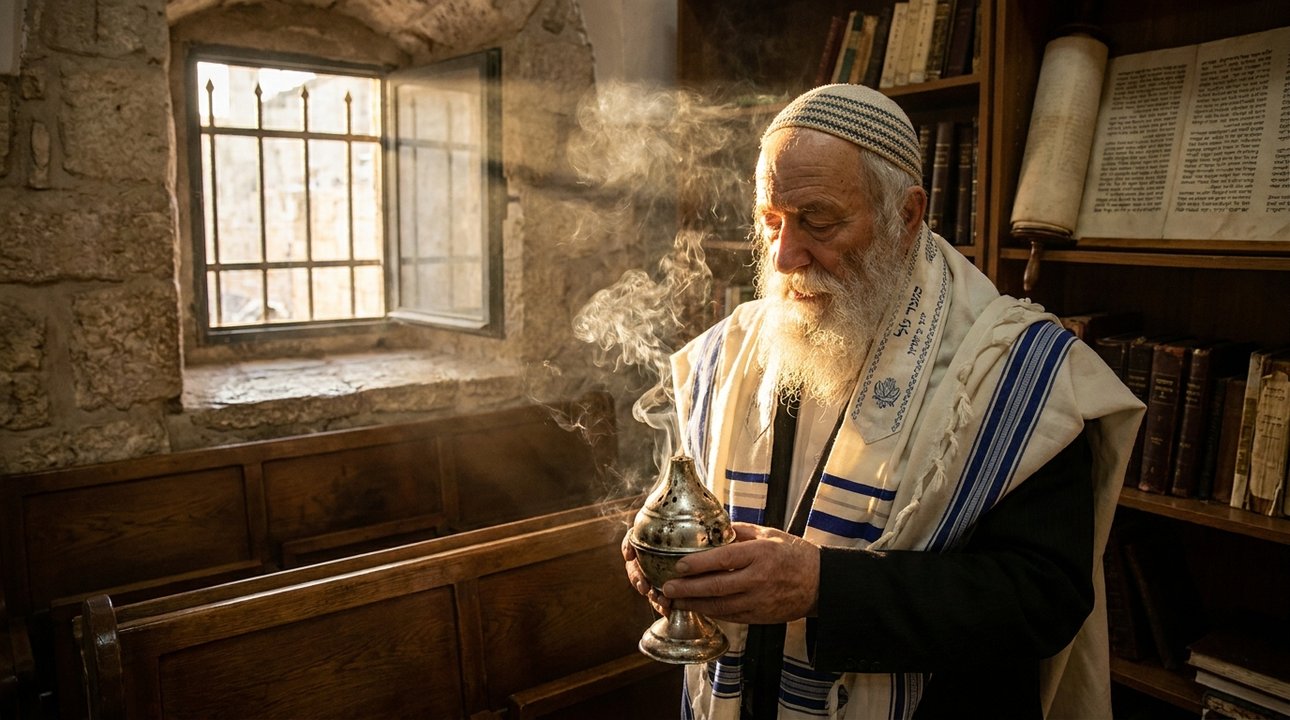
The priests in charge of the Temple had the exclusive role of offering incense. This duty required meticulous attention to detail, as seen in Leviticus 16:12-13.
They were required to take burning coals from the altar and place incense on them, creating a cloud of smoke that filled the sanctuary. A ritual so significant that unauthorized offerings, as in the case of Nadab and Abihu (Leviticus 10:1-2), were met with dire consequences.
This incident underscores the importance of following divine instructions precisely in the sacred rituals of the Temple.
The Composition of Sacred Incense
The specific ingredients for the sacred incense included stacte, onycha, galbanum, and pure frankincense. Each component held symbolic meaning and contributed to the unique scent that marked divine worship.
Stacte, for instance, was a resin known for its soothing properties, while onycha, derived from mollusk shells, added a distinct aroma. Exodus 30:34 lays out this divine formula, underscoring its sanctity.
The combination of these ingredients created a fragrance that was exclusive to the sacred rituals.
The unique formula of sacred incense was not to be replicated outside of worship, highlighting its special role in religious practices. Galbanum, another ingredient, was known for its pungent aroma, adding depth to the incense’s fragrance.
The careful selection of these ingredients reflects the importance of adhering to divine instructions in the practice of worship. The sacred incense served as a constant reminder of the holiness required in approaching the divine presence.
Incense was forbidden for personal use, as stated in Exodus 30:37-38, highlighting its exclusive role in worship. This exclusivity underscored its role in maintaining the sanctity of worship and the separation between the sacred and the mundane.
The careful selection and preparation of these ingredients reflect the importance of adhering to divine instructions in the practice of worship. The sacred incense served as a constant reminder of the holiness required in approaching the divine presence.
The prohibition against personal use of incense emphasized its sacred nature and the need for reverence in worship. By restricting its use to the sanctuary, the community was reminded of the importance of maintaining a clear distinction between the sacred and the everyday.
This practice reinforced the idea that certain elements of worship were to be held in high regard, reserved exclusively for honoring the divine presence and maintaining the sanctity of religious rituals.
Incense in Daily Jewish Practice
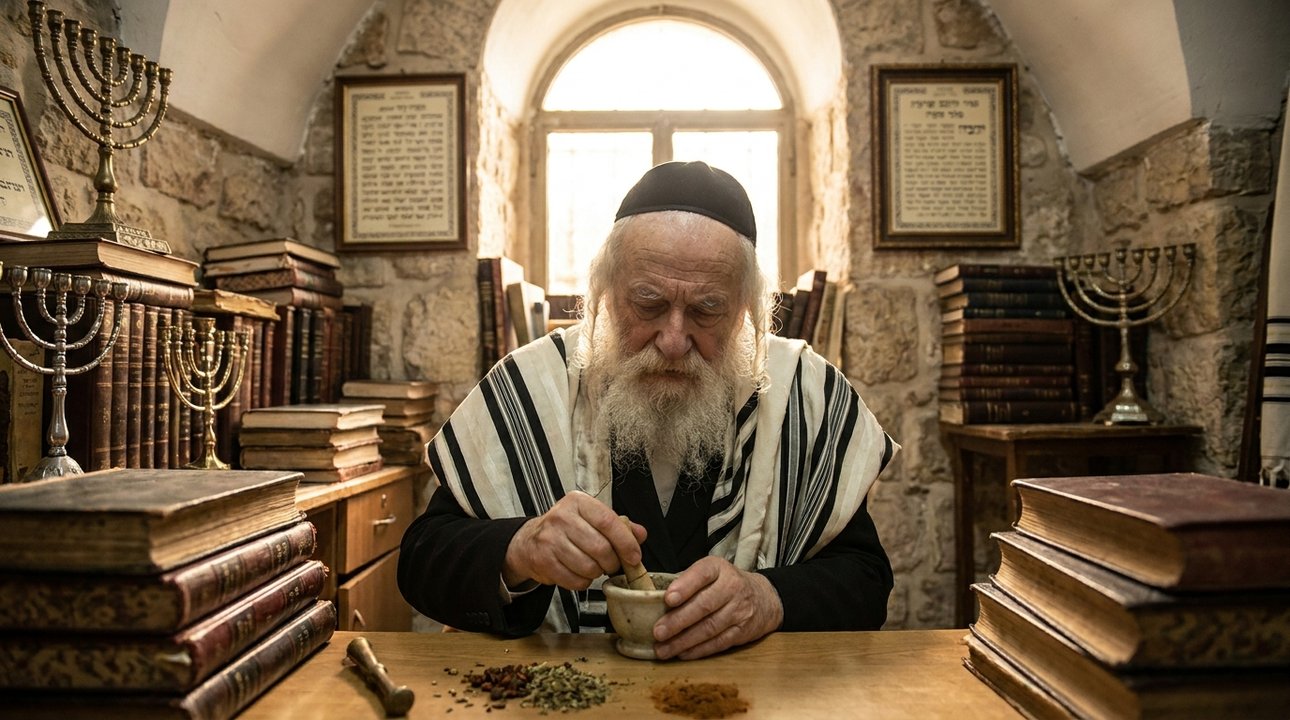
While incense was a formal part of Temple worship, its presence extended into daily life for many Jewish communities. It symbolizes purity and divine favor, maintaining its presence even beyond the sacred precincts.
Incense was often used in homes during special occasions, such as weddings and festivals, to create a sacred atmosphere. Today, it remains a powerful cultural symbol. It continues to be used in various religious and cultural ceremonies, serving as a link to the past.
Using incense in homes during special occasions highlights its role as a symbol of continuity and cultural heritage. By incorporating it into these events, individuals can create a sacred atmosphere that honors their traditions and connects them to their spiritual roots.
This practice reflects the enduring significance of incense in Jewish culture, where it serves as a reminder of the community’s shared history and values.
from the Western Wall to Masada.
In modern times, incense serves as a bridge to the spiritual heritage of ancient Israel. This practice connects contemporary Jewish communities with traditions that have shaped their identity for millennia.
The enduring presence of incense in both sacred and secular contexts underscores its significance as a symbol of continuity and cultural heritage.
For many, burning incense is a way to honor the past and maintain a tangible link to the traditions that have influenced Jewish religious life throughout history.
Incense is often used in modern Jewish ceremonies, such as weddings and festivals, to create a sacred atmosphere. This practice reflects the desire to maintain a connection with the spiritual practices of the past while adapting them to contemporary life.
Using incense in these settings highlights its role as a symbol of purity and divine favor. By incorporating it into modern rituals, individuals can experience a sense of continuity with their ancestors and the rich traditions of their faith.
Incense as a Cultural and Religious Symbol
Throughout Jewish tradition, incense has been more than just an aromatic offering. It features prominently in various ceremonies, reflecting its ongoing symbolic role. In the Torah, incense is described as a mixture of specific ingredients, each with its own significance.
For instance, in Exodus 30:34-38, the recipe for incense includes stacte, onycha, galbanum, and pure frankincense, highlighting its sacred nature. The incense’s smoke rises like a prayer, bridging the human and divine.
This imagery is echoed in Psalm 141:2, where the psalmist likens his prayers to incense, emphasizing the connection between the physical act of burning incense and the spiritual act of prayer.
The rising smoke symbolizes the ascent of prayers to the heavens, creating a tangible link between worshippers and the divine presence.
Contemporary Understanding of Biblical Incense
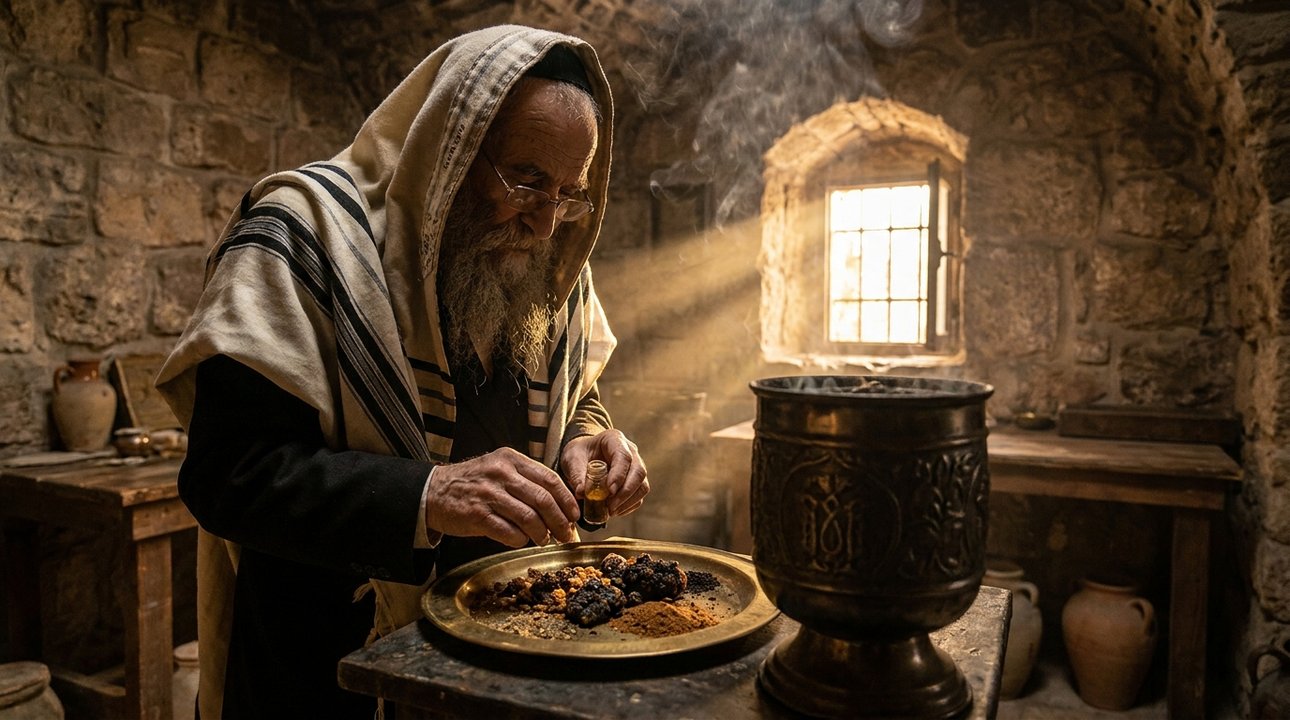
Today, biblical incense inspires both religious and cultural interest. Historical reconstructions in museums and religious communities seek to understand its composition and use.
For example, the Temple Institute in Jerusalem has made efforts to recreate the ancient incense, using historical texts and archaeological findings. This exploration underscores its timeless appeal and spiritual significance.
The study of incense offers insights into the daily lives of ancient Israelites and their relationship with the divine.
The Temple Institute’s work in recreating ancient incense highlights the ongoing fascination with biblical practices and their relevance today. By studying historical texts and archaeological evidence, researchers can gain a deeper understanding of the spiritual life of ancient Israel.
This exploration not only preserves historical knowledge but also fosters a connection with the cultural and spiritual heritage of the past, enriching contemporary religious practices.
By examining the ingredients and methods used in biblical times, researchers aim to connect modern audiences with the rich traditions of the past. The study of incense involves understanding the specific components mentioned in Exodus 30:34, such as stacte, onycha, galbanum, and frankincense.
These efforts not only preserve historical knowledge but also foster a deeper appreciation for the cultural and spiritual heritage of ancient Israel. The ongoing interest in biblical incense reflects a desire to maintain a connection with the spiritual practices of the past.
The reconstruction of biblical incense recipes allows modern individuals to experience the scents that were integral to ancient worship. This exploration of historical practices provides insight into the daily lives of the Israelites and their relationship with the divine.
By recreating these ancient aromas, researchers can offer a sensory experience that connects people to the spiritual traditions of their ancestors, enriching their understanding of biblical history and culture.
Exploring the Meaning of Incense
Understanding incense in the Bible reveals much about historical practices and spiritual life in ancient Israel. Its role transcends mere ritual, embodying a deeper connection with the divine.
Incense is mentioned in several biblical books, including Leviticus and Numbers, where it is associated with purification and consecration. By exploring these biblical references, we gain insight into ancient worship.
It was not only a part of temple rituals but also played a role in personal and communal prayer.
In Leviticus 16:12-13, incense is used during the Day of Atonement, symbolizing purification and the community’s desire for divine favor. This practice underscores the significance of incense in maintaining a connection with the divine and ensuring the sanctity of worship.
Through these references, we can appreciate the multifaceted role of incense in ancient Israelite religion, where it served as a bridge between the physical and spiritual realms.
The fragrant smoke of incense was not merely a sensory experience but a profound symbol of holiness within the religious practices of ancient Israel. It was a tangible representation of the community’s devotion, reflecting their ongoing relationship with the divine.
In Exodus 30:7-8, Aaron is instructed to burn incense every morning and evening, signifying the perpetual nature of this sacred ritual. This practice highlights the importance of maintaining a sacred atmosphere, emphasizing the role of sensory experiences in spiritual life.
Incense in religious ceremonies was integral to creating an environment that fostered reverence and awe. The sweet aroma served as a reminder of the sanctity required in worship and the community’s dedication to their faith.
By engaging the senses, incense helped to elevate the spiritual experience, making the divine presence more palpable to the worshippers. In this way, it was more than just a ritualistic element; it was a bridge connecting the physical and spiritual realms.
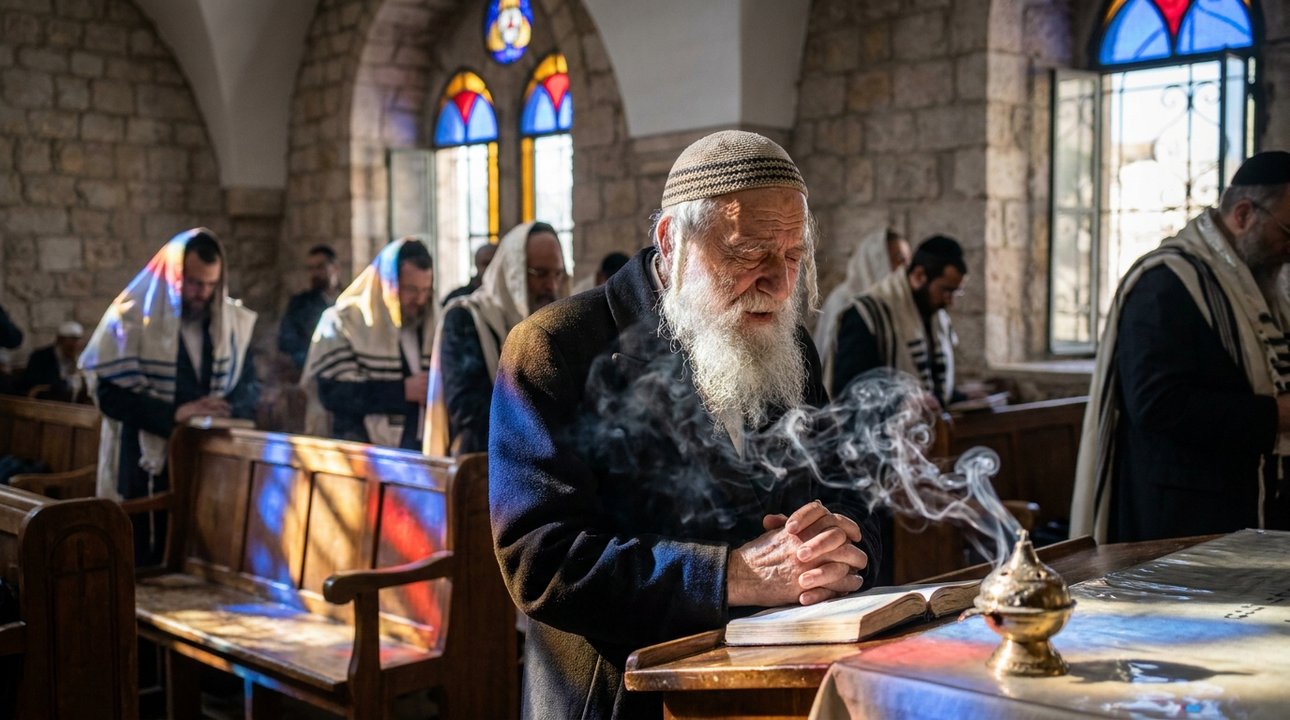
Incense in Biblical Context
