
Exploring the Depths of the Dead Sea and Its Scrolls


Nestled at the lowest point on Earth, this unique body of water captivates not only with its salty waters but also with its hidden meanings and treasures. From the serene landscape to the profound Scrolls found nearby, this location offers both natural beauty and historical significance.
The Scrolls, discovered in the Qumran Caves between 1947 and 1956, include texts that date back to the Second Temple period, providing invaluable insights into Jewish history and religious practices.
The discovery of these ancient manuscripts has been pivotal in shaping our understanding of ancient Jewish life and beliefs. These texts, which include some of the oldest known copies of the Hebrew Bible, offer a rare glimpse into the religious and cultural practices of the time.
As a result, this area has become a symbol of both historical discovery and spiritual exploration, drawing scholars and seekers alike to its shores.
Insider's Guide to Israel
and can't-miss places most tourists never find.

Join us on a journey to uncover these unique aspects and understand their meanings, enriching your connection to Israel’s geography and heritage.
The Scrolls contain parts of the Hebrew Bible, including the books of Isaiah and Psalms, and have been pivotal in understanding the development of Judaism. This blend of natural wonder and historical depth makes this region a place of endless fascination.
The discovery of the Scrolls between 1947 and 1956 in the Qumran Caves marked a significant milestone in biblical archaeology. These ancient texts, dating back to the Second Temple period, offer invaluable insights into Jewish religious practices and community life.
For scholars and enthusiasts alike, the Scrolls provide a window into the past, deepening our understanding of the historical and spiritual landscape of the region.
The Enigmatic Dead Sea: A Natural Wonder
Located in the Jordan Rift Valley, this famous site is known for being the Earth’s lowest elevation on land, sitting at 430.5 meters below sea level. Its salinity, ten times that of most oceans, creates a natural buoyancy that draws visitors from around the globe.
Historically referred to as the ‘Salt Sea’ in biblical texts, it offers a unique environment that fosters rare minerals and healing properties. Understanding its geographic and historical essence allows us to appreciate its place in both ancient and modern narratives.
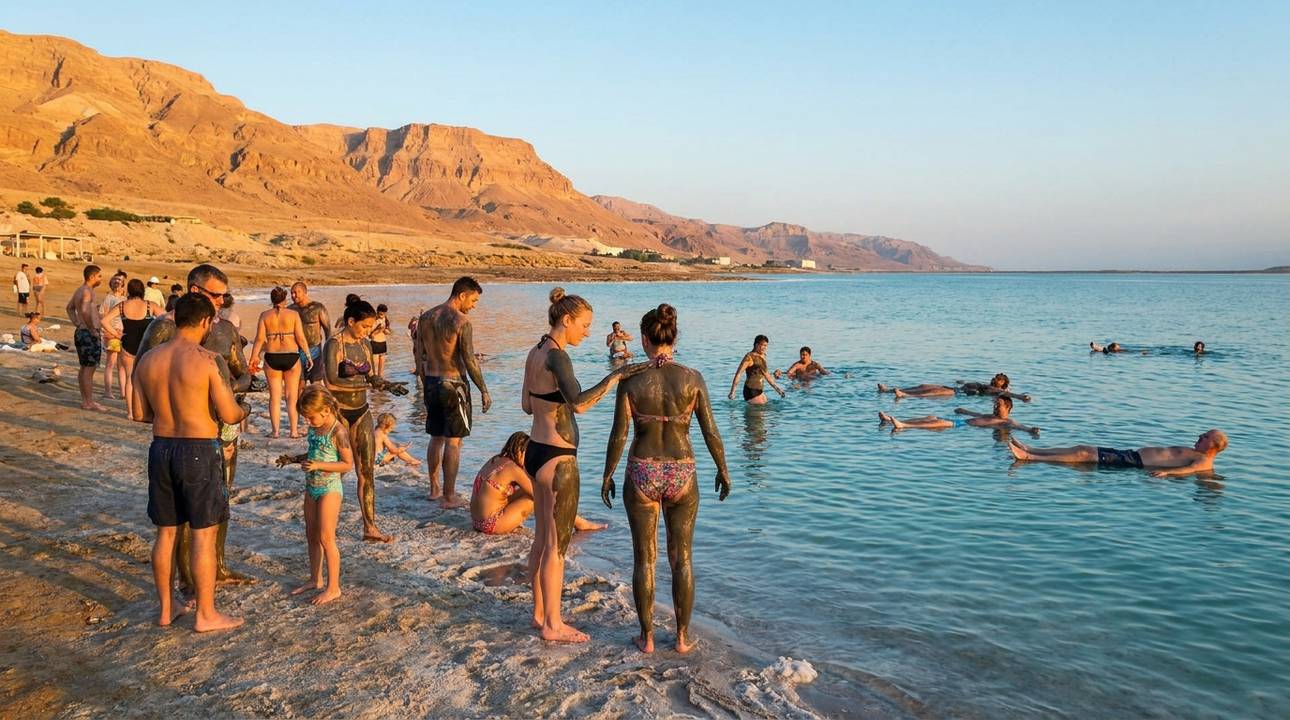
Visitors can experience its therapeutic benefits, indulging in mud baths and salt treatments that have been prized for centuries.
The unique mineral composition of this area is a source of fascination. Rich in magnesium, sodium, and potassium, it has supported local industries for millennia. Products derived from these minerals have been exported worldwide, contributing to the region’s economy.
These resources have long been recognized for their medicinal and cosmetic purposes, contributing to their economic potential.
King Herod’s use of this area’s resources is a testament to its long-standing economic significance. The minerals harvested from its waters were highly prized in ancient markets, used in everything from health treatments to beauty products.
Today, the region continues to be a hub for wellness tourism, drawing visitors seeking the therapeutic benefits of its mineral-rich waters and mud.
The area around this body of water is also dotted with freshwater springs, illustrating the contrast between the barren landscape and life-sustaining waters. This interplay of desolation and fertility makes it an enduring point of intrigue.
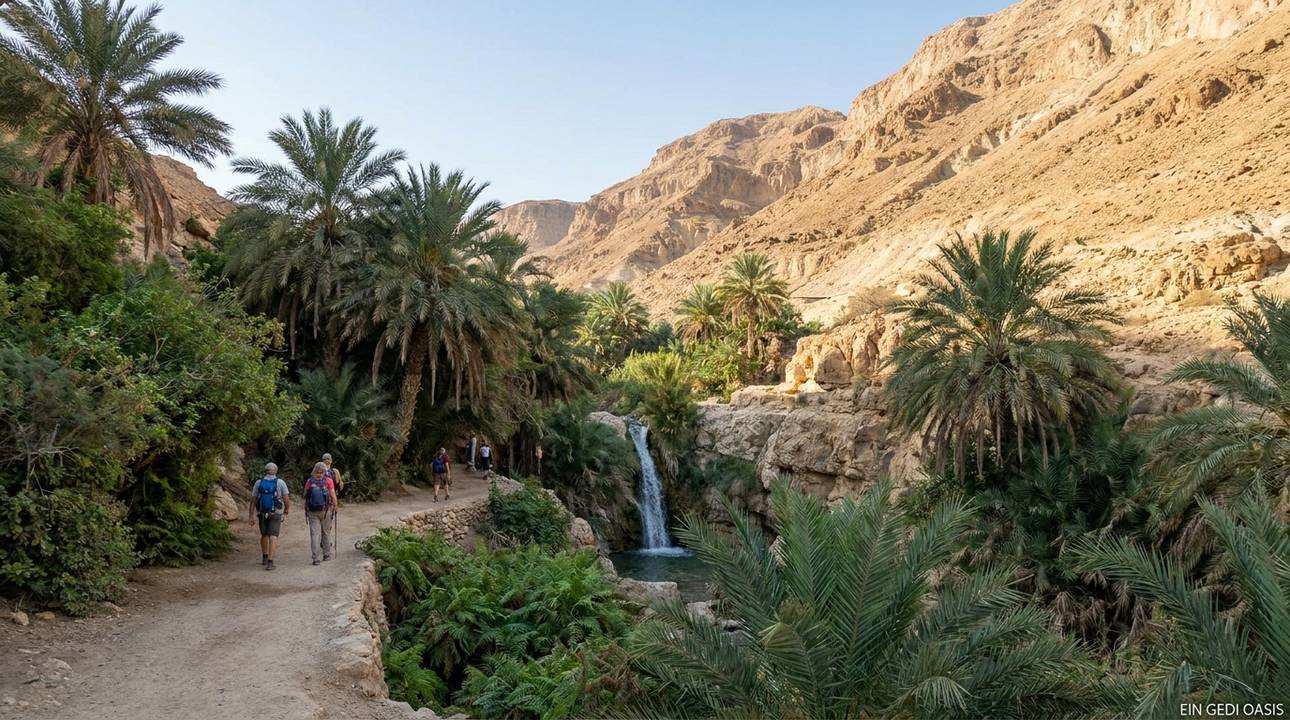
Ein Gedi, an oasis nearby, is mentioned in the Bible (1 Samuel 24:1-2) as a place of refuge for David, showcasing the region’s historical and spiritual significance.
Ein Gedi’s lush greenery amidst the arid surroundings highlights the unique ecological balance of the region. This oasis, with its rich biblical history, offers a glimpse into the life-sustaining power of nature in an otherwise harsh environment.
Visitors to Ein Gedi can explore its natural beauty while reflecting on its historical role as a sanctuary and source of inspiration for biblical figures.
The Meaning Behind the Scrolls of Qumran
Discovered in the mid-20th century, the Scrolls are among the most significant archaeological finds of the last century. Stored in the Qumran Caves, these ancient manuscripts include some of the earliest known copies of biblical texts.
Dating from the third century BCE to the first century CE, they provide critical insights into Jewish history and religion during a formative period. The scrolls cover a variety of subjects, from legal documents to apocalyptic prophecies, highlighting the diversity of Jewish thought.
Their discovery near this area underscores its importance as a center of ancient intellectual life.
The content of the Scrolls has challenged previous understandings of Jewish theology and biblical canon formation. Scholars have identified fragments from every book of the Hebrew Bible, except Esther, along with many non-canonical texts.
These findings demonstrate the rich diversity and complexity of early Judaism, influencing debates about religious practices and beliefs. The scrolls’ preservation and study continue to offer profound insights into the ancient world and its belief systems.
Their impact extends beyond religious scholarship, sparking interest among historians, linguists, and cultural anthropologists.

Cultural and Spiritual Significance of the Dead Sea
This region holds a significant place in various cultural and religious traditions. In the Bible, it is associated with stories of refuge and divine intervention, such as the flight of Lot from Sodom.
Genesis 19:23-26 recounts the story of Lot’s escape from Sodom, with his wife turning into a pillar of salt, a narrative that adds a layer of mystique to the landscape. This story underscores the themes of judgment and transformation that are often linked to the region.
The connection to these biblical narratives enhances the area’s spiritual significance, inviting reflection on themes of salvation and consequence. The stark landscape, with its salt formations, serves as a reminder of these ancient tales and their moral lessons.
This blend of natural wonder and religious history makes the region a site of pilgrimage for many seeking a deeper understanding of their faith and heritage.
Its harsh environment symbolizes both punishment and redemption, offering a backdrop for spiritual reflection. The salt pillars and barren landscape invite contemplation on the fragility and resilience of life.
Today, this area continues to inspire artists, writers, and devotees seeking peace and insight within its stark beauty, much like the biblical figures who once walked its shores. The interplay of desolation and beauty serves as a powerful metaphor for life’s trials and triumphs.
The unique landscape has been a muse for many, inspiring works of art and literature that capture its enigmatic charm. This region, steeped in history and natural beauty, offers a space for contemplation and creativity.
As visitors explore its shores, they often find themselves reflecting on the deeper meanings of life, much like the prophets and poets who have drawn inspiration from this remarkable place throughout history.
For locals and visitors alike, this area is not only a tourist destination but a place of healing. The mineral-rich waters and mud are believed to alleviate skin ailments and improve overall health.
This reputation has drawn tourists seeking wellness, further integrating the region into global culture. Its magnetic allure combines natural wonders and spiritual quests in one of Earth’s most remarkable settings.
The therapeutic benefits of this area have been celebrated for centuries, attracting those seeking relief from various ailments. Its high mineral content is said to promote relaxation and rejuvenation, making it a popular destination for wellness retreats.
As visitors immerse themselves in its waters, they experience a unique blend of physical healing and spiritual renewal, connecting with the ancient traditions that have long revered this extraordinary place.
Each visit offers a chance to connect more deeply with the elements, linking the ancient with the modern in a journey of discovery.
The therapeutic properties of this area were recognized as early as the time of Cleopatra, who is said to have used its minerals for beauty treatments, highlighting its longstanding appeal. Cleopatra’s interest in these minerals is well-documented, as she reportedly built cosmetic factories in the region to harness these natural resources.
The appeal of these minerals continues today, drawing visitors from around the world seeking its reputed healing properties. The high concentration of magnesium and bromide is believed to help with skin conditions such as psoriasis and eczema, making it a popular destination for those seeking natural remedies.
This unique combination of historical allure and modern health benefits keeps the region a place of enduring fascination.
Insider's Guide to Israel
and can't-miss places most tourists never find.
Historical Impressions of the Dead Sea
This area has intrigued historians and explorers for centuries. Accounts from ancient times describe its unusual buoyancy and highly saline waters. Greek geographers were among the first to document its properties, labeling it a site of exploration and wonder.
Strabo, a Greek geographer, wrote about this region in his work ‘Geographica’, emphasizing its unique characteristics and the mysterious nature of its waters.
Strabo’s observations highlight the area’s enigmatic qualities, capturing the imagination of explorers and scholars throughout history. Its dense, mineral-rich waters create a buoyancy that allows swimmers to float effortlessly, adding to its allure.
These accounts have contributed to its reputation as a natural wonder, drawing visitors from around the world to experience its unique properties firsthand.
Jewish historians also noted its geographical importance, preserving its story in religious texts and chronicles. Throughout history, this area has remained an enigmatic natural wonder attracting global curiosity and reverence.
Josephus, a first-century Jewish historian, referred to it as ‘Asphaltitis’ due to its deposits of asphalt, further illustrating its historical significance. His writings provide valuable insights into the region’s role in ancient trade and commerce.
Josephus’ accounts highlight the area’s economic importance in antiquity, where its resources were traded across the Roman Empire. The asphalt was used in construction and mummification, underscoring its value to ancient civilizations.
This historical context enriches our understanding of the region as not only a natural wonder but also a pivotal player in the economic and cultural exchanges of the past.
Modern scientific studies continue to uncover secrets of the region’s past. Through geological and environmental research, scientists seek to understand climate patterns and ecological changes over millennia.
These studies not only deepen our knowledge of the region but also inform broader environmental conservation efforts. With each discovery, its historical significance as a natural archive grows, offering a window into Earth’s distant past.
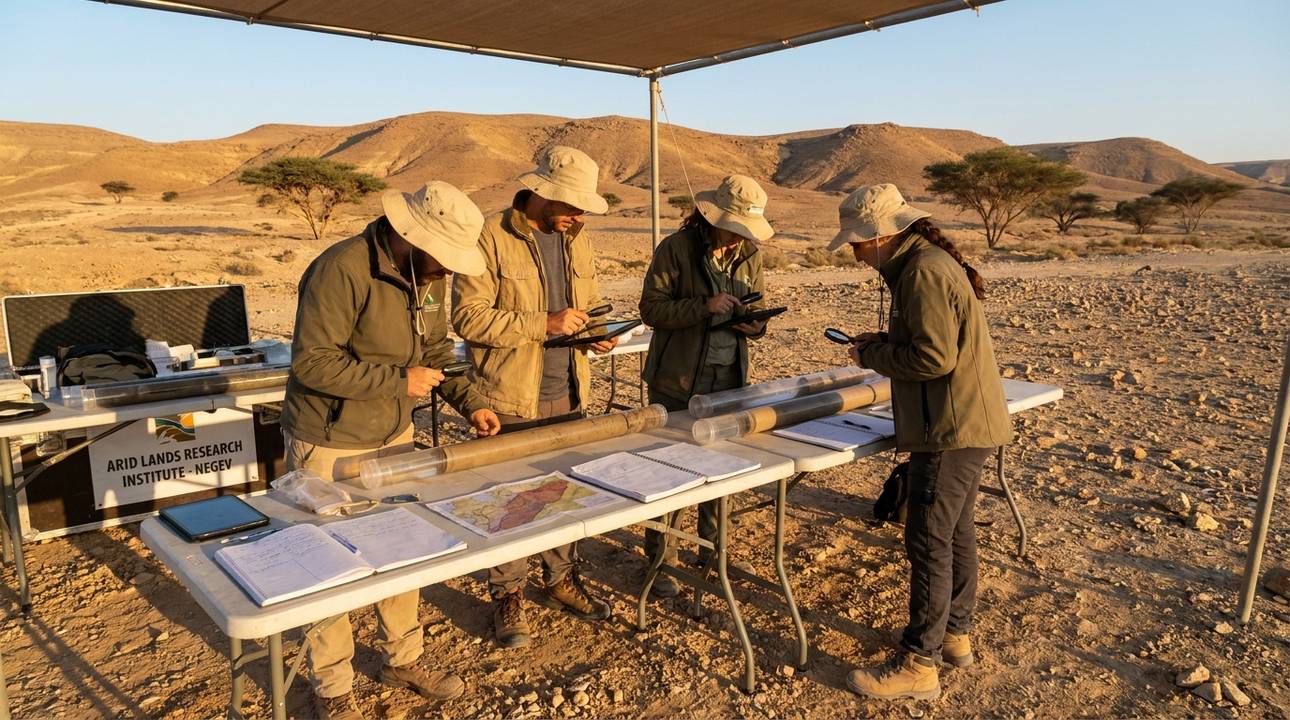
Scientific research in this area has revealed valuable information about historical climate shifts and environmental changes. By analyzing sediment cores and other geological data, scientists can reconstruct past climates and better predict future trends.
This ongoing research highlights the region’s role as a natural laboratory, providing critical insights into the Earth’s climatic history and informing conservation strategies.
Modern Day Challenges and Conservation Efforts
Today, the region faces ecological challenges due to diminishing water levels. Increased mineral extraction and reduced inflows from the Jordan River contribute to this decline. International cooperation is crucial in developing sustainable solutions to preserve this unique ecosystem.
In 2013, Israel, Jordan, and Palestine signed a water-sharing agreement to help replenish the area, showcasing a rare moment of regional collaboration.
The 2013 water-sharing agreement represents a significant step towards addressing the environmental challenges facing the region. By working together, the countries involved aim to stabilize water levels and protect the region’s delicate ecosystem.
Such collaborative efforts are essential in ensuring the area remains a vibrant and sustainable natural wonder for future generations to enjoy.
Efforts include water sharing agreements and conservation initiatives to stabilize the region. Through these endeavors, the goal is to protect the area for future generations to appreciate and enjoy.
The Red Sea-Dead Sea Conveyance project, proposed to bring water from the Red Sea, aims to address water scarcity and environmental concerns, highlighting the importance of joint efforts in conservation.
The Red Sea-Dead Sea Conveyance project represents a collaborative approach to addressing the environmental challenges facing the region. By replenishing water levels, the project seeks to preserve its unique ecosystem while supporting regional development.
Such initiatives underscore the need for cooperation and innovation in tackling the complex issues surrounding this natural wonder.
Awareness campaigns and educational programs aim to highlight the global significance of this area. Visitors are encouraged to practice responsible tourism, respecting the delicate balance of the region’s environment.
Organizations like EcoPeace Middle East work to promote sustainable tourism and environmental education, emphasizing the importance of preserving this natural wonder. Their efforts focus on fostering cooperation among neighboring countries to ensure the area’s ecological health is maintained.
EcoPeace Middle East’s initiatives include educational workshops and collaborative projects that engage local communities in conservation efforts. By raising awareness about the environmental challenges facing the region, these programs aim to inspire action and foster a sense of stewardship among both locals and visitors.
Through these efforts, the area can continue to be a source of inspiration and learning for generations to come.
With a collective effort, this region can continue to inspire and sustain its cultural and natural heritage. Ultimately, these initiatives ensure it remains a source of fascination, research, and wonder for years to come.
By prioritizing conservation, we honor this ancient landscape as a vital part of our shared global legacy, ensuring its stories and secrets endure for future generations.
Conservation efforts focus on balancing human activity with the preservation of the area’s unique ecosystem. These initiatives aim to protect the area’s biodiversity while allowing for sustainable tourism and economic development.
Through collaboration and innovation, we can safeguard the region’s natural and cultural treasures, ensuring they remain accessible and inspiring for all who visit.
Understanding the Dead Sea
The Qumran Scrolls
