
Exploring Clothing Traditions and Modern Styles in Israel
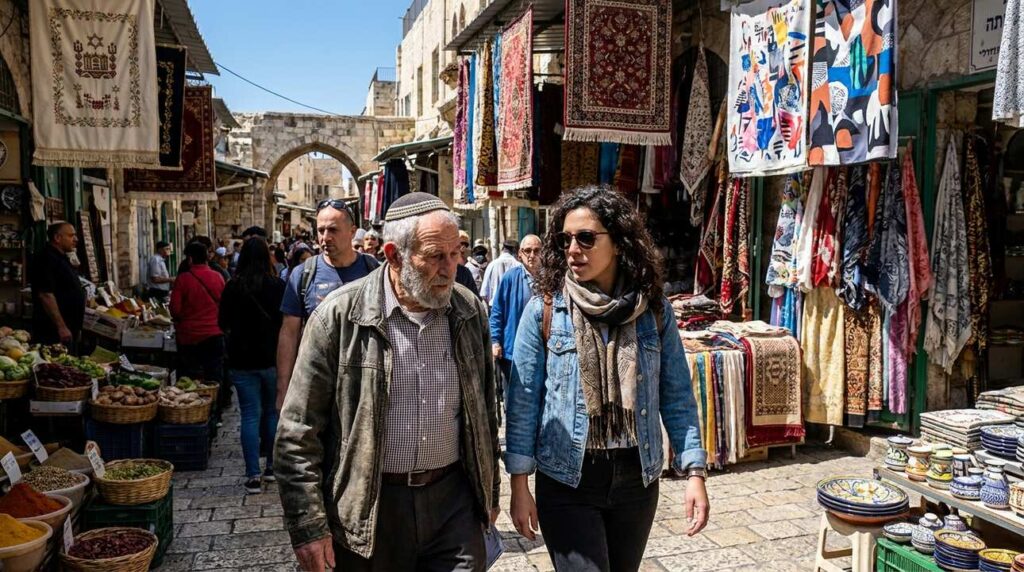

Israel is a land where ancient traditions seamlessly blend with modern innovations, a dynamic reflected in its clothing. From historical garments like the tallit, a prayer shawl mentioned in Numbers 15:38-39, to contemporary designs, Israeli fashion tells a unique story.
Join us on a journey to explore how cultural influences shape clothing in Israel, revealing a tapestry of history, faith, and creativity.
The tallit, a traditional prayer shawl, is a key element of Jewish attire. It serves as a physical reminder of the commandments, worn during prayer and religious ceremonies.
This garment, along with others, illustrates how Israeli fashion is a living narrative, connecting past and present through threads of tradition. The tallit is often adorned with tzitzit, as instructed in Numbers 15:38-39, serving as a reminder of the 613 commandments.
The tallit’s four corners and fringes symbolize the Jewish people’s connection to the divine and their commitment to follow the commandments. The act of wrapping oneself in the tallit during prayer creates a personal space for reflection and devotion.
In modern Israel, the tallit is often passed down through generations, becoming a cherished family heirloom that connects individuals to their heritage.
Historical Roots of Israeli Clothing
The roots of Israeli clothing reach deep into the historical sands of the Middle East. Traditional garments worn by Jewish communities in biblical times often included simple, functional pieces like tunics, cloaks, and head coverings.
These styles were influenced by the practical needs of a desert environment and the cultural interactions within ancient trade routes. The tunic, a staple garment, is mentioned in Genesis 37:3, where Joseph’s coat signifies his favored status.
Cloaks and head coverings provided protection from the harsh sun and sand, essential for survival in the desert climate. These garments were often made from locally sourced materials, such as wool and linen, reflecting the resourcefulness of ancient communities.
The interplay between function and symbolism in these garments laid the foundation for the rich tapestry of Israeli fashion that continues to evolve today.
In ancient Israel, clothing was not only practical but also symbolic of one’s status and role in society. For example, the tunic was a common garment, mentioned in Exodus 28:4 as part of the priestly attire.
Such garments were often made from wool or linen, materials well-suited to the region’s climate. The tunic’s significance is further highlighted in the story of Tamar, who wore a special robe as a sign of her virginity (2 Samuel 13:18).
This illustrates how clothing could convey personal and social messages.
Moreover, the high priest’s garments, described in detail in Exodus 28:2-39, were adorned with precious stones and gold, symbolizing holiness and authority. These garments were not merely functional but served as a visual representation of the wearer’s sacred duties.
The use of specific colors and materials, such as the blue, purple, and scarlet yarns, was significant in distinguishing roles within the community, reflecting a structured social hierarchy.
The Bible frequently references clothing, highlighting its cultural and symbolic roles. In Genesis 37:3, Joseph’s coat of many colors symbolizes his father’s favoritism and sets the stage for significant family dynamics.
Such garments are more than functional; they carry deep cultural and familial significance, contributing to the evolving story of clothing in Israel. The coat’s vibrant colors marked Joseph as special, inciting jealousy among his brothers and leading to pivotal events.
Clothing in biblical narratives often serves as a symbol of identity and status, influencing relationships and shaping destinies. The story of Joseph and his coat exemplifies the power of attire to convey meaning and impact lives.
These themes continue to resonate in Israeli fashion, where garments are seen as expressions of personal and cultural identity, connecting individuals to their heritage.
Biblical references to clothing often reveal social and familial hierarchies. Joseph’s coat, for instance, was a gift from Jacob, indicating a special status among his brothers.
These historical references enrich the narrative of Israeli clothing, showing how attire can influence and reflect personal and communal identity. The coat, described in Genesis 37:3, was a symbol of Jacob’s favoritism, sparking jealousy and conflict among the brothers.
This garment’s significance is further underscored by the pivotal role it played in Joseph’s story, ultimately leading to his journey to Egypt and eventual rise to power.
Clothing in biblical narratives often serves as a catalyst for events, illustrating its power to shape destinies and relationships. Such stories continue to influence Israeli fashion, where garments are seen as expressions of personal and cultural identity.
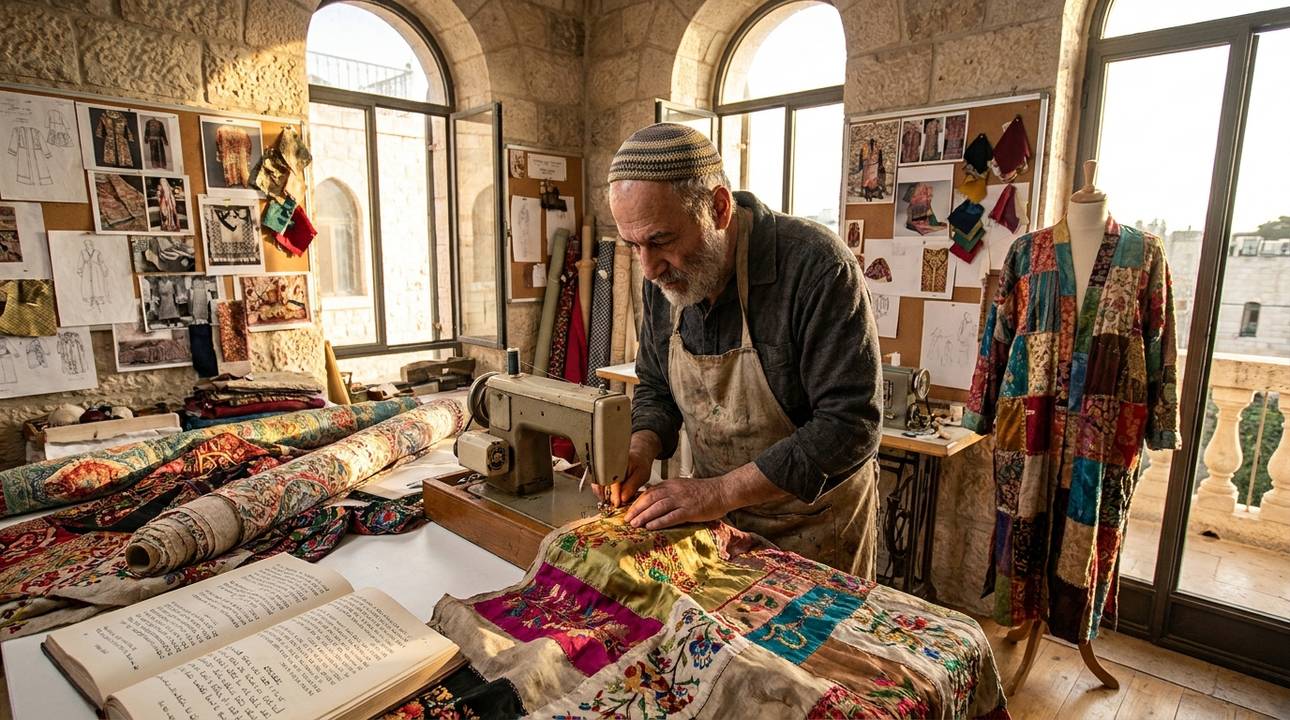
Influence of Jewish Traditions on Clothing
Jewish traditions profoundly impact clothing styles, with religious laws outlining specific guidelines. Garments such as tzitzit, mentioned in Numbers 15:38-39, and kippot are expressions of faith and symbols of identity.
These items distinguish the wearer and connect them to a history spanning centuries, similar to the Israelites’ distinctive attire described in Leviticus 19:19. The tzitzit serve as a tangible reminder of the commandments, worn as a sign of devotion.
The kippah, worn as a sign of reverence, underscores the wearer’s connection to their faith and community. These traditional garments are often seamlessly integrated into modern Israeli fashion, reflecting a society that values its heritage while embracing contemporary trends.
This harmonious blend of tradition and modernity is a hallmark of Israeli fashion, showcasing the country’s unique cultural landscape.
The wearing of tzitzit and kippot is deeply rooted in Jewish law and tradition. These garments serve as constant reminders of faith and identity, linking the wearer to their heritage.
Such practices are a testament to the enduring nature of Jewish customs, which continue to influence modern Israeli clothing. Tzitzit, mentioned in Numbers 15:38-39, are tassels attached to the corners of garments, symbolizing the commandments.
The kippah, or skullcap, is worn as a sign of reverence and humility before the divine. This practice, while not explicitly mentioned in the Torah, has become a widespread expression of Jewish identity. In contemporary Israel, these traditional items are often integrated into modern fashion, reflecting a blend of ancient customs and current trends.
The Talmud, a central text of Rabbinic Judaism, explains the significance of garments in Jewish life. For instance, Numbers 15:38 outlines the requirement to wear fringes, or tzitzit, as a reminder of the commandments given to the Israelites.
This practice serves as a daily reminder of faith and duty. These traditions continue to influence Israeli clothing today, blending ancient customs with modern expressions.
In the Talmud, discussions about clothing often reflect the values and identity of the Jewish people. The tzitzit, for example, are not merely decorative but serve a spiritual purpose, reminding the wearer of their connection to the divine laws.
This blend of tradition and modernity is evident in contemporary Israeli fashion, where ancient symbols are reimagined in new ways. Tzitzit, rooted in Numbers 15:38-39, symbolize the commandments and are worn as a sign of faith.
The Talmud’s emphasis on clothing as a reflection of identity and values highlights the importance of attire in Jewish culture. In modern Israel, designers often incorporate traditional elements into contemporary styles, creating a fashion scene that honors its roots while embracing innovation.
This dynamic interplay between past and present is a defining feature of Israeli fashion, showcasing the country’s rich cultural heritage.
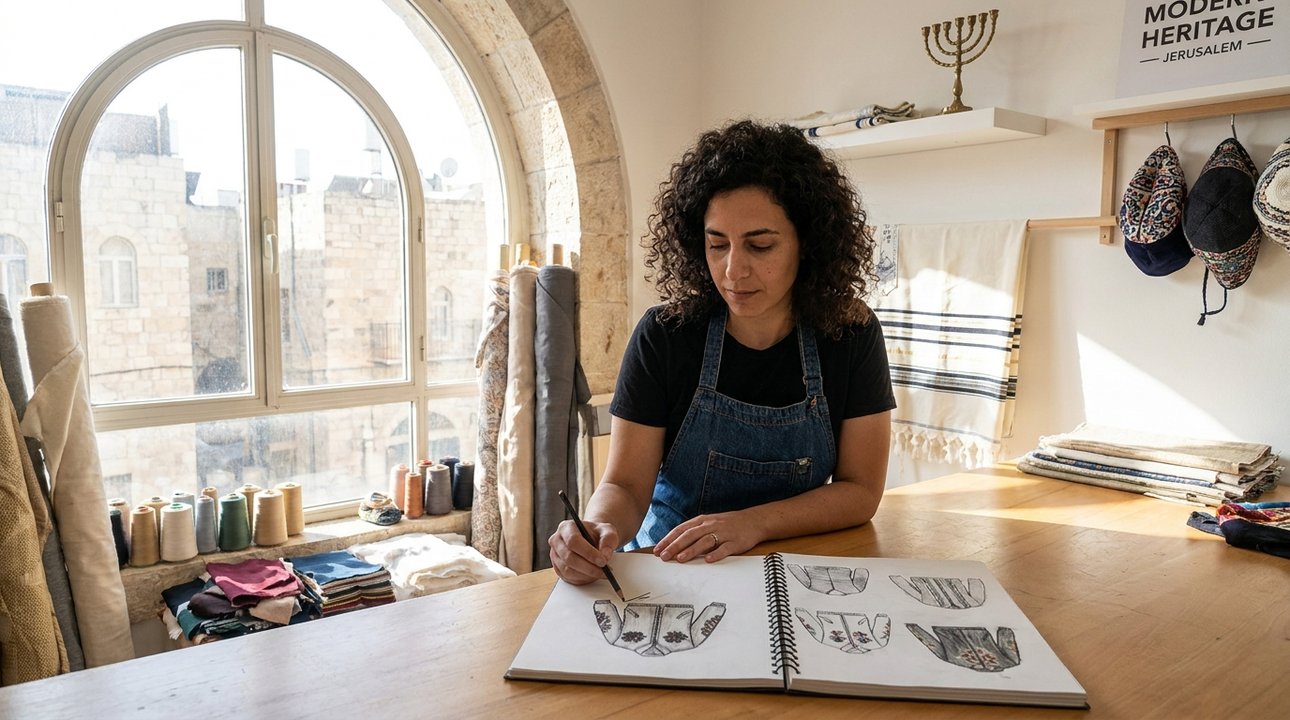
Cultural Diversity and Modern Fashion
Israel’s rich cultural diversity is mirrored in its vibrant fashion scene. From Tel Aviv’s cosmopolitan streets to Jerusalem’s historic lanes, style is as varied as the people themselves.
Modern fashion creators in Israel draw inspiration from their diverse heritage, crafting innovative designs that respect tradition while embracing the contemporary. Tel Aviv, known for its modernity and creativity, is a hub for emerging fashion trends.
The city’s designers often experiment with bold patterns and colors, reflecting the vibrant energy of its urban landscape. Meanwhile, Jerusalem’s fashion scene tends to incorporate more traditional elements, paying homage to the city’s historical and religious significance.
This contrast between the two cities highlights the diversity within Israeli fashion, where each region contributes its unique voice to the national narrative.
The fashion scene in Israel is a tapestry of influences from various cultures and traditions. Designers often incorporate elements from Jewish, Arab, and Mediterranean styles, creating a unique blend that is distinctly Israeli.
This diversity is celebrated in fashion shows and design exhibitions across the country, showcasing the creative spirit of local talents. The integration of different cultural motifs results in innovative designs that resonate with a wide audience.
Creative minds in Israel frequently draw inspiration from the country’s multicultural society, using fashion as a medium to express unity and diversity. This approach not only enriches the local fashion scene but also positions Israel as a hub for creative innovation.
The blending of traditional and contemporary elements in Israeli fashion reflects the country’s ability to honor its past while embracing the future.
Tel Aviv’s international fashion weeks are a platform for showcasing local talent and creativity. Renowned designers such as Alber Elbaz, known for his work with Lanvin, and Ronen Chen, who blends traditional motifs with modern materials, are prominent figures.
Their creations reflect Israel’s unique position at the crossroads of history, geography, and culture. Elbaz’s innovative designs have earned him global recognition, highlighting the international appeal of Israeli fashion.
Ronen Chen’s work, characterized by clean lines and elegant simplicity, draws inspiration from his Israeli roots, creating pieces that resonate with audiences worldwide. These fashion events not only celebrate individual talent but also promote Israel’s vibrant fashion scene on the global stage.
The fusion of diverse influences and the emphasis on creativity make Tel Aviv’s fashion weeks a must-see for fashion enthusiasts.
The diverse influences seen in the biblical city of Jerusalem (1 Kings 10:1-13) are mirrored in the fashion world of Israel. Designers draw on a rich tapestry of cultural and historical elements to create innovative styles.
This fusion of past and present is celebrated in fashion events, highlighting the dynamic nature of Israeli design. Jerusalem, a city with a history of diverse cultural exchanges, serves as a constant source of inspiration.
The city’s ancient marketplaces and historical sites provide a backdrop for creativity, where traditional motifs are reimagined in contemporary designs. Fashion weeks in Israel showcase this blend, drawing international attention and celebrating the country’s unique cultural heritage.
Designers in Israel often incorporate elements from various cultures, creating a fashion scene that is both diverse and unified in its expression.
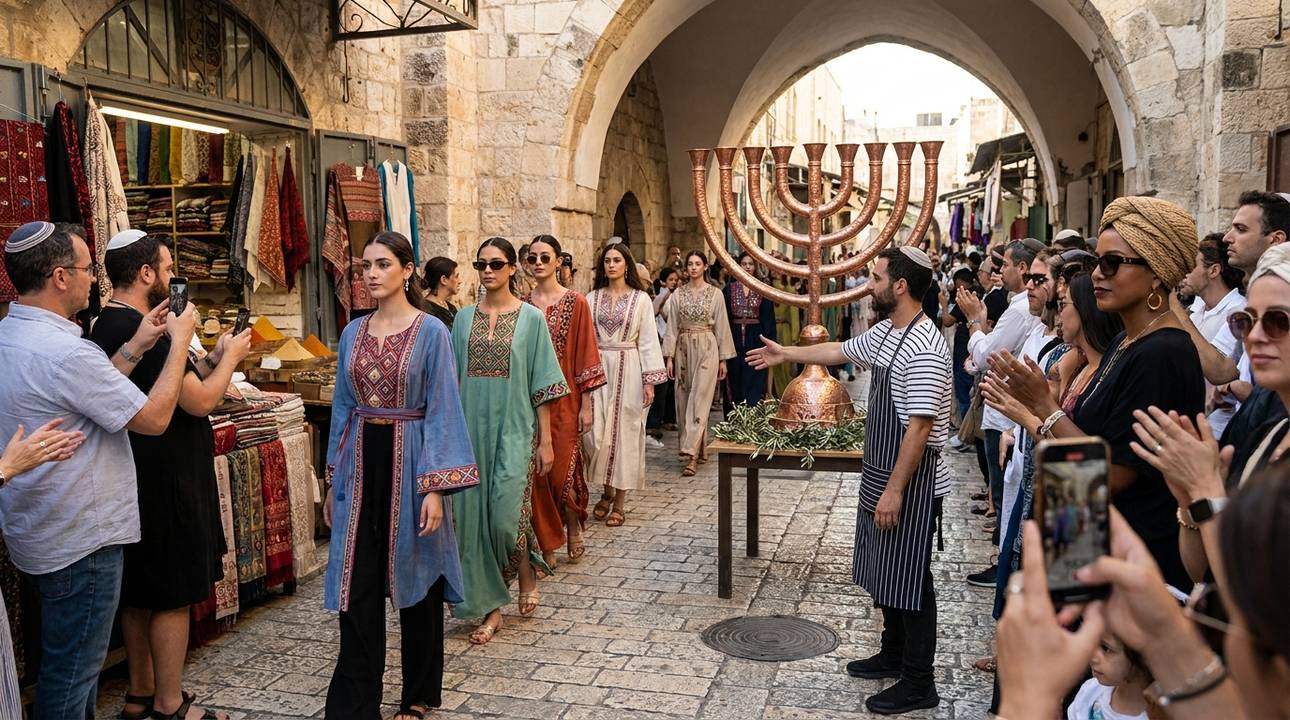
Everyday Clothing in Modern Israel
Today’s Israeli clothing strikes a balance between comfort and style, with casual attire often including jeans, t-shirts, and sandals. Traditional garments, such as the kittel worn during religious ceremonies like Yom Kippur, remain integral to cultural identity.
This blend allows Israelis to navigate diverse social settings while maintaining cultural ties. The kittel, symbolizing purity and humility, is worn during significant occasions, reflecting the wearer’s spiritual devotion.
In everyday life, Israelis often opt for practical, comfortable clothing that suits the country’s warm climate. This versatility in fashion reflects the dynamic nature of Israeli society, where tradition and modernity coexist harmoniously.
The ability to seamlessly integrate traditional and contemporary styles is a hallmark of Israeli fashion, showcasing the country’s adaptability and creativity.
The kittel, a simple white garment, is traditionally worn during significant religious occasions. It symbolizes purity and humility, reflecting the spiritual themes of the ceremonies.
This garment, alongside modern attire, highlights the duality of Israeli fashion, where tradition and contemporary life coexist. Worn during Yom Kippur and Passover, the kittel serves as a reminder of mortality and the need for atonement.
The white color of the kittel is reminiscent of the biblical command in Ecclesiastes 9:8 to always wear white garments, symbolizing joy and purity. In weddings, the groom often wears a kittel, symbolizing new beginnings and spiritual readiness.
This garment’s simplicity contrasts with the vibrant, diverse styles seen in everyday Israeli fashion, reflecting a society that honors its roots while embracing modernity.
The climate in Israel plays a significant role in shaping clothing choices, particularly due to its warm, Mediterranean weather. Light fabrics such as cotton and linen are favored, allowing for breathability and comfort in the heat.
This practical approach to fashion ensures that style is not compromised, reflecting a lifestyle that harmonizes tradition with modernity. In Genesis 18:1, Abraham was visited by three men in the heat of the day, highlighting the region’s warm climate.

Israeli Fashion on the Global Stage
Local fashion creators are gaining recognition on the global fashion stage, with brands like Maskit and Sabon leading the way. These brands emphasize sustainability and ethical practices, aligning with global values while staying rooted in Israeli craftsmanship.
Maskit, founded in 1954 by Ruth Dayan, showcases traditional embroidery and modern design, echoing the timeless beauty of the land, much like the Proverbs 31 woman who is described as ‘clothed with strength and dignity’ (Proverbs 31:25).
Israeli fashion houses often draw inspiration from the country’s stunning natural landscapes. The vibrant blues of the Mediterranean Sea and the warm, earthy tones of the Negev Desert frequently influence the color palettes used by designers.
This connection to the land ensures that Israeli fashion maintains a distinctive voice in the global fashion arena. The Mediterranean’s deep blues and greens inspire designs that evoke a sense of calm and serenity.
Meanwhile, the Negev’s earthy tones are reflected in collections that emphasize warmth and resilience. This interplay between the natural world and fashion creates a unique aesthetic that is both grounded and innovative.
Local designers often use materials such as cotton and wool, further strengthening the bond between their creations and the land they come from.
The landscapes of Israel, from the lush Galilee to the arid Negev, provide a rich source of inspiration for designers. These natural elements are reflected in the textures and colors of Israeli fashion, creating a unique aesthetic.
This approach mirrors the poetic descriptions found in the Song of Songs 4:1, celebrating the beauty of the land. The Galilee, with its verdant hills and fertile valleys, inspires soft, flowing fabrics and earthy tones.
In contrast, the Negev Desert’s stark beauty is captured through minimalist designs and warm, sandy hues. Designers often draw parallels between the land’s diverse landscapes and the multifaceted nature of Israeli society.
This connection to the land is a defining feature of Israeli fashion, where garments tell stories of the country’s natural and cultural richness.

General Questions
