
Must-See Places in Jerusalem for Every Visitor

Jerusalem is a city that resonates with history, spirituality, and cultural richness. Whether you’re exploring its ancient streets or admiring its modern art, there’s no shortage of incredible places to see.
The Western Wall, a remnant of the Second Temple, is a site of prayer and pilgrimage mentioned in Lamentations 2:9. In this guide, we’ll take you through some of the most iconic and meaningful sites you can visit in Jerusalem, each telling its own story.
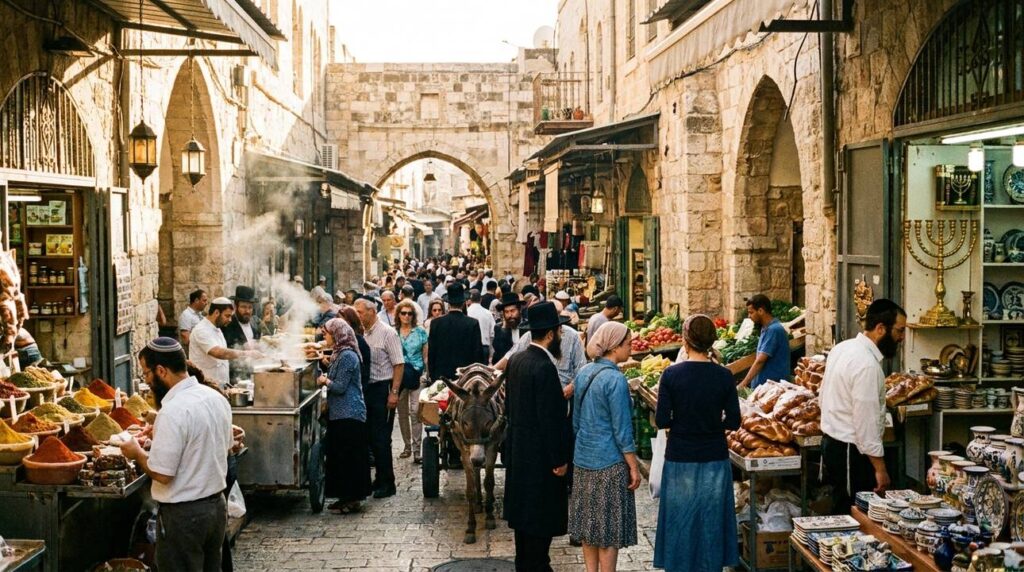
This vibrant city offers an unforgettable experience, combining sacred sites with bustling markets and serene parks. The Mahane Yehuda Market, known for its vibrant atmosphere, is a must-visit for its fresh produce and local delicacies.
Join us as we discover what to see in Jerusalem, ensuring your visit is memorable and fulfilling. From historical landmarks to cultural experiences, Jerusalem offers something for everyone, making it a city of endless exploration.
The Old City: A Journey Through Time
The Old City of Jerusalem is a historically and spiritually significant area, featuring prominent sites from religious history. Visitors can explore the Western Wall, a remnant of the Second Temple and a sacred place of prayer. Nearby, the Dome of the Rock stands out with its stunning golden dome.
This Islamic shrine sits atop the Temple Mount, a site revered in Judaism, Christianity, and Islam.
Walking through the Old City, one encounters a blend of cultures across its four quarters: Jewish, Christian, Muslim, and Armenian. Each quarter offers unique experiences. The bustling markets of the Muslim Quarter contrast with the serene courtyards of the Armenian Quarter.
The Jewish Quarter is home to the Cardo, an ancient Roman street, while the Christian Quarter features the Via Dolorosa, a path of pilgrimage, each reflecting Jerusalem’s diverse heritage.
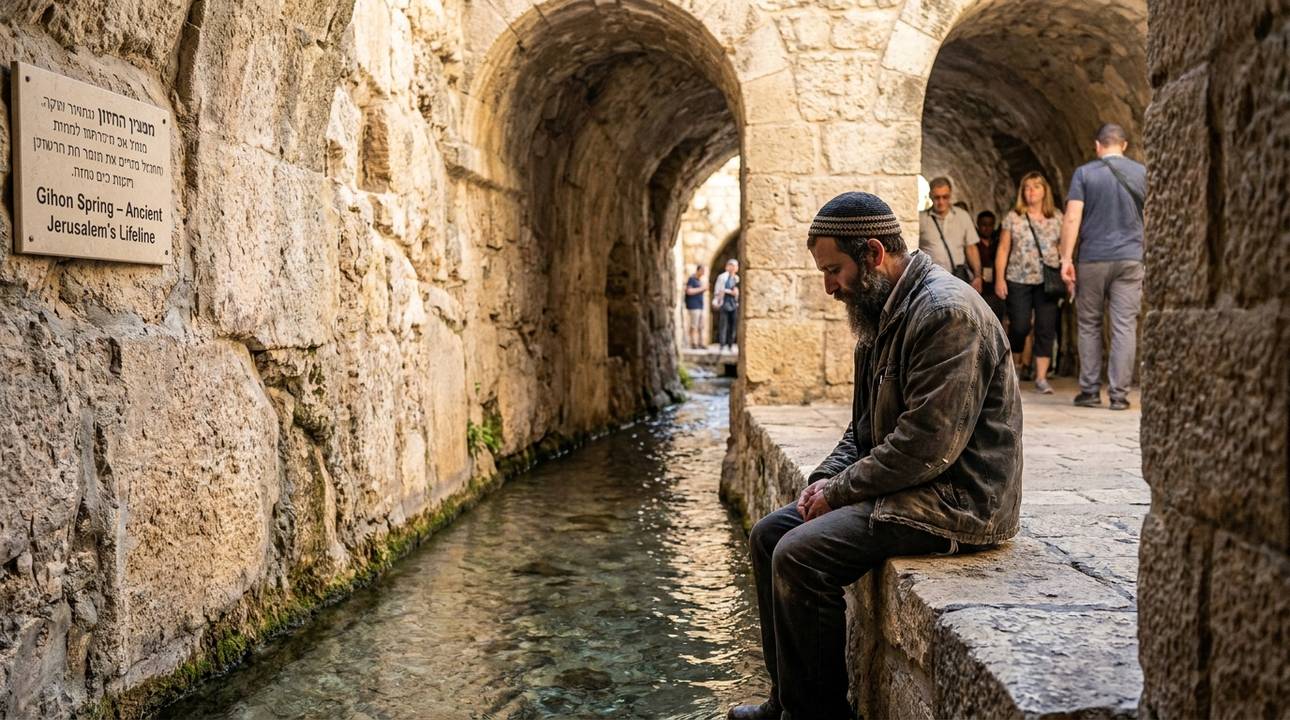
The City of David is an area where you can delve even deeper into Jerusalem’s past. It offers archaeological sites that bring history to life, such as the Pool of Siloam.
Visitors can wander through an ancient water channel built to protect the city’s water supply during the Assyrian siege. This site offers a tangible connection to the city’s rich history.
The Gihon Spring, a crucial element of Jerusalem’s ancient water supply, can also be explored. Meanwhile, the Tower of David Museum provides insights into the city’s complex history through interactive exhibits.
Located near the Jaffa Gate, it offers breathtaking views from its battlements and a journey through Jerusalem’s 3,000-year history, highlighting events like the Babylonian exile.
Modern Jerusalem: Embracing New and Old
Venturing beyond the Old City reveals a vibrant, modern Jerusalem. Ben Yehuda Street is a bustling pedestrian area filled with shops, cafes, and street performers. The Israel Museum, home to a vast collection of art and artifacts, is an essential stop.
For those interested in contemporary Israeli culture, the Mahane Yehuda Market offers local foods, spices, and handicrafts, providing a true taste of Jerusalem’s culinary diversity. Consider visiting the Yad Vashem Holocaust Memorial.
This poignant museum educates visitors about the Holocaust history and honors the memories of its victims. Opened in 1953, Yad Vashem stands as a solemn reminder of the past. Exhibits include personal stories and historical documents, such as diaries and letters.
The museum’s Hall of Names contains pages of testimony commemorating millions of Holocaust victims, offering a deeply moving experience for all who visit, ensuring their stories are never forgotten.
For a touch of nature, the Jerusalem Biblical Zoo offers a delightful family destination. It features animals mentioned in the Bible, such as the lion, which appears in Judges 14:5-6 when Samson encounters one. History lovers will appreciate the Knesset, Israel’s parliament building.
Guided tours are available, and the Knesset has been the center of Israeli government since 1966, playing a crucial role in the nation’s legislative processes.
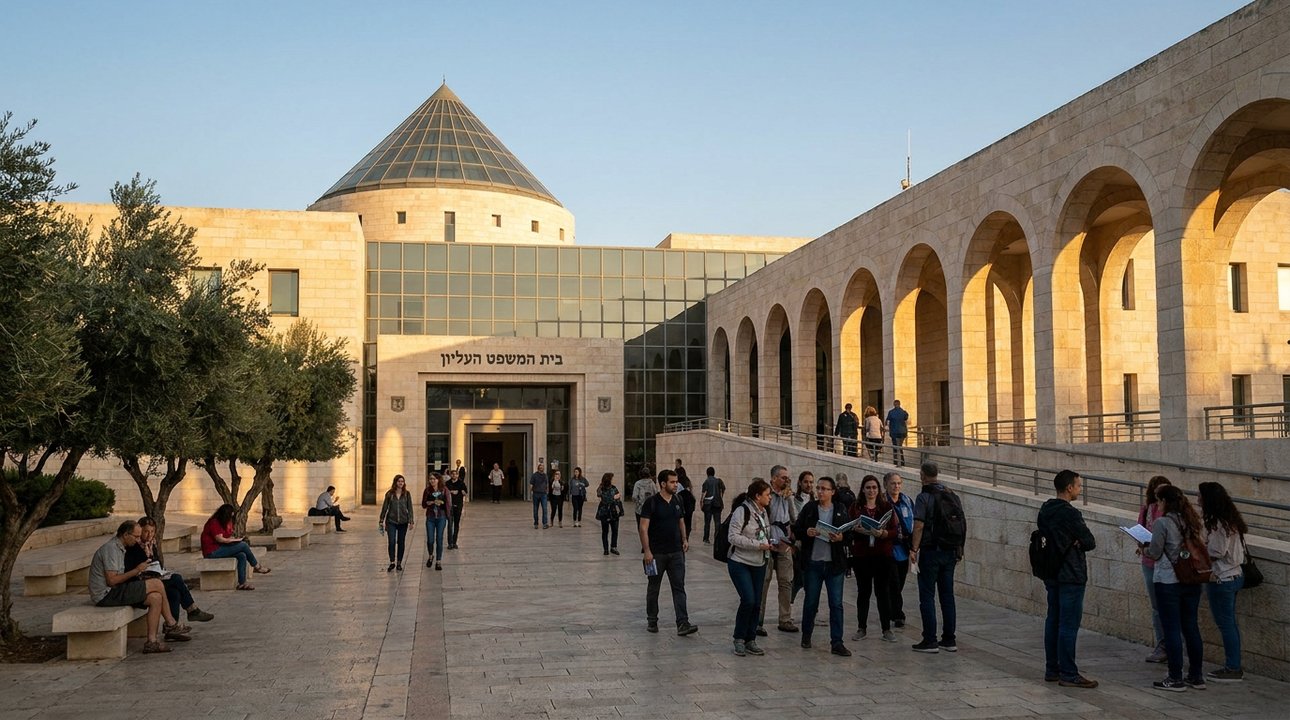
The Supreme Court of Israel, renowned for its architecture, is a must-visit. Guided tours explain its design and judicial functions. The building, designed by Ram Karmi and Ada Karmi-Melamede, opened in 1992. Its unique design symbolizes the balance between law and justice.
Together, these locations present a Jerusalem that honors its past while embracing its present and future, reflecting the city’s dynamic blend of tradition and modernity.
Cultural Experiences and Local Life
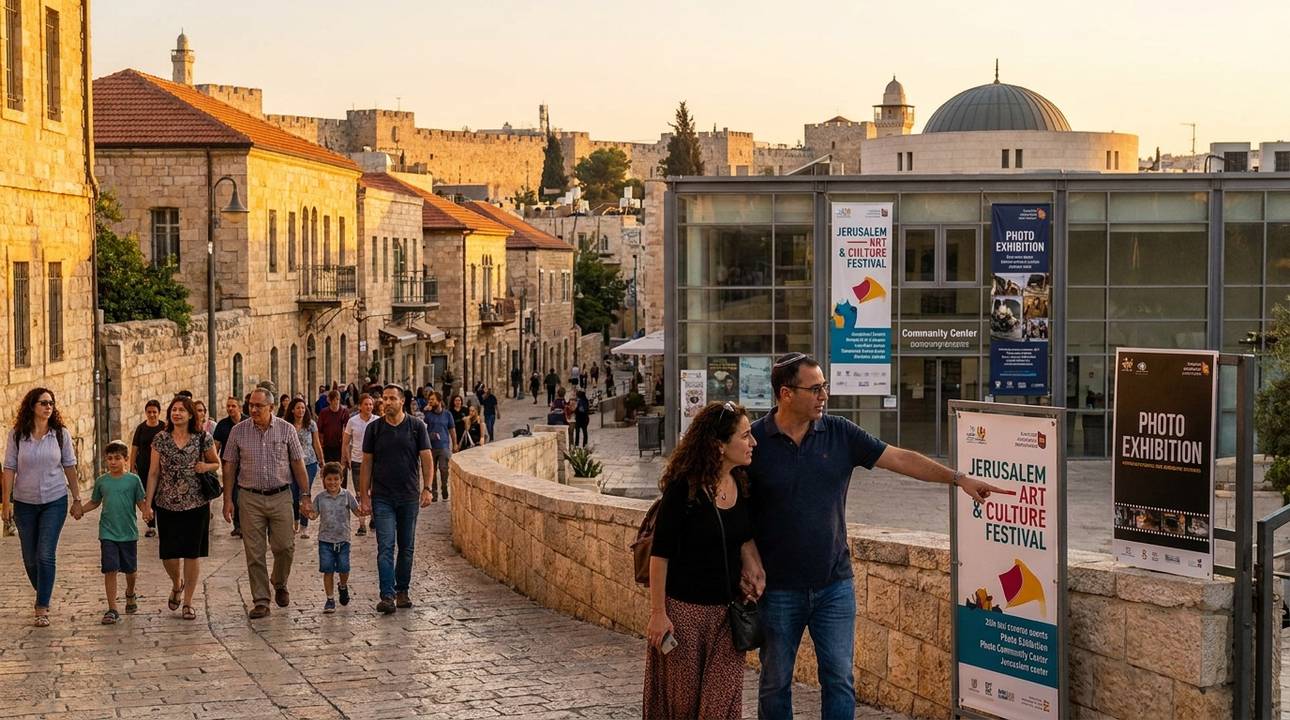
Jerusalem is not only about history and religion; it also celebrates art and culture. The Jerusalem Theater hosts a variety of performances, including classical music, drama, and dance. Opened in 1971, it has become a cultural hub for the city.
For art enthusiasts, the Ein Kerem neighborhood attracts visitors with its galleries and studios, nestled in a picturesque village setting. This area is known for its artistic community and historical charm, offering a unique cultural experience.
Music lovers can enjoy the Jerusalem Symphony Orchestra, which offers an array of concerts throughout the year. Performing at the Henry Crown Symphony Hall, the orchestra was founded in 1936.
It has a rich history and continues to bring classical music to life in Jerusalem, showcasing works by composers like Beethoven and Mozart. These experiences provide a glimpse into the vibrant local life and artistic expressions of Jerusalem’s residents.
Participation in community events such as the Jerusalem March or the annual Light Festival can also enrich your visit. These events offer unique cultural perspectives, celebrating both tradition and innovation.
The Jerusalem March, held during Sukkot, attracts thousands of participants from around the world. Visiting the local markets provides an authentic experience of Jerusalem’s daily life and the opportunity to interact with its residents, enhancing your understanding of the city’s culture.
At Mishkenot Sha’ananim, visitors can learn about the city’s transformation. This neighborhood, the first Jewish settlement built outside the Old City walls in 1860, offers scenic views. The area now hosts cultural events and exhibitions, making it a vibrant part of Jerusalem’s community life.
These experiences connect you to the heart of Jerusalem’s vibrant community life, reflecting its evolution from a historic enclave to a cultural hub.
Jerusalem as a Symbolic Journey
For many visitors, Jerusalem is more than just a location; it is a symbol of hope, faith, and unity. Its streets tell stories spanning thousands of years, and its landmarks embody spiritual and historical significance.
The Mount of Olives offers a panoramic view of the city and is significant in Jewish tradition.
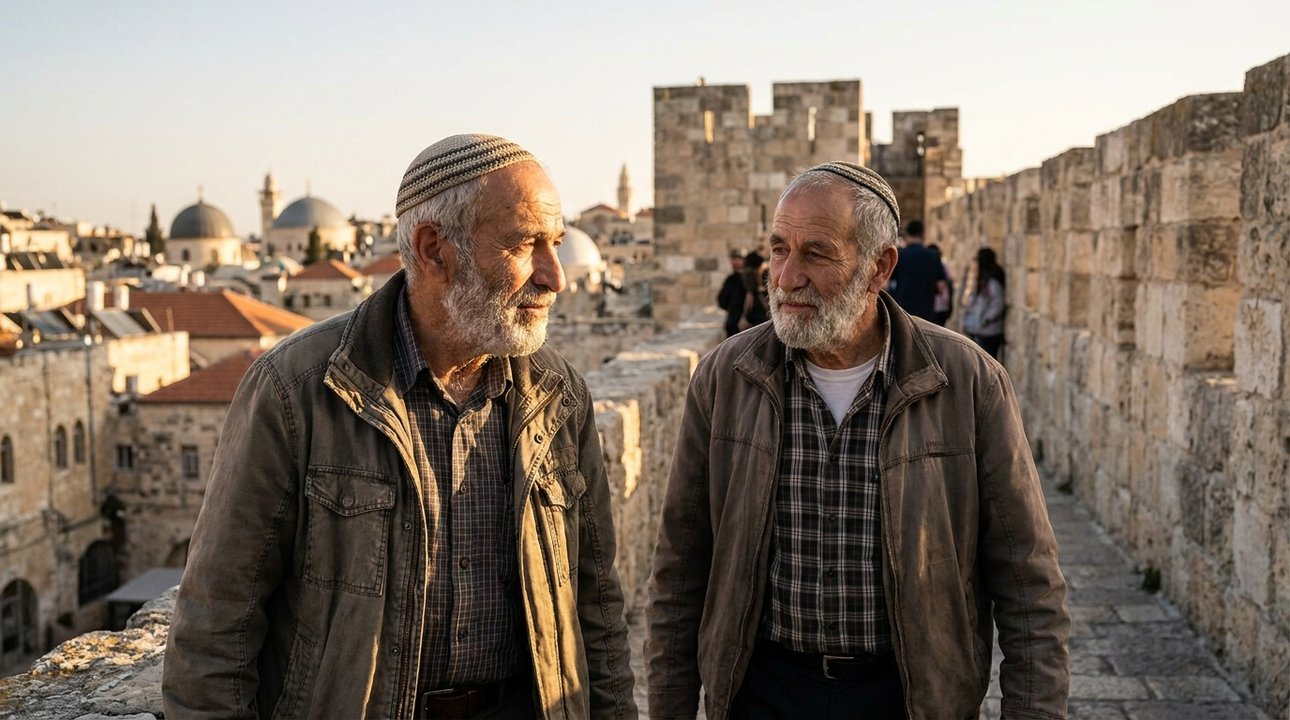
Walking along the Ramparts Walk gives a fantastic vantage point to view Jerusalem’s landscape and connect with its layered history. This walkway provides a unique perspective of the Old City’s walls, originally built by Suleiman the Magnificent in the 16th century.
Whether you’re exploring ancient sites or engaging with modern culture, Jerusalem offers a journey into the heart of a timeless city.
Conclusion: Making Your Visit Meaningful
Jerusalem’s rich tapestry of history and culture offers countless places to explore and memories to make. Whether you are visiting sacred sites or enjoying the vibrant street life, there is always something new to discover.
Join a guided tour to deepen your understanding, engage with locals to hear their stories, and capture the essence of this remarkable city in your heart. Each site tells a unique story, contributing to the city’s overall narrative, making every visit special.
Consider supporting local artisans and experiencing the true character of Jerusalem by bringing home a piece of its beauty through Lev Haolam’s thoughtfully curated gift boxes. These boxes feature handmade items from Israeli families, offering a connection to the land and its people.
Each purchase supports small businesses and helps preserve the cultural heritage of this extraordinary city, fostering a sense of community and tradition.
Visitor Information
