
Exploring the Most Famous Landmarks in Israel
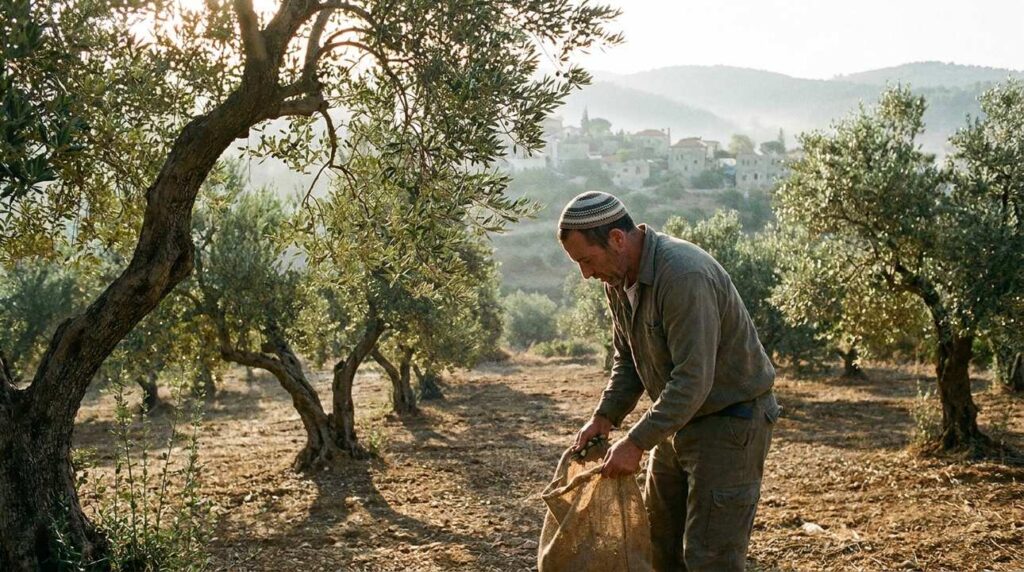

Israel is a land steeped in history, offering a unique blend of ancient landmarks and natural wonders. From the ancient city of Jerusalem, mentioned in the Bible as the city of David (2 Samuel 5:7), to the Sea of Galilee, where many biblical events unfolded, each site tells its own story.
Travelers can explore the ruins of Jericho, one of the oldest cities in the world, or visit the ancient port city of Jaffa, known for its association with the prophet Jonah.
These landmarks invite travelers to explore and connect with the past, experiencing the layers of history that have shaped the nation. The Western Wall in Jerusalem, a remnant of the Second Temple, is a place of prayer and reflection, symbolizing the enduring spirit of the Jewish people. The Wall is a focal point for Jewish prayer and pilgrimage.
Israel’s natural wonders, such as the Negev Desert, offer a stark contrast to its historical sites, providing a backdrop of beauty and serenity. The desert’s vastness and quietude offer a space for contemplation and connection.
Jerusalem: The Heart of History
Jerusalem stands as a beacon of history with significant sites such as the Western Wall. This iconic structure is a remnant of the Second Temple, a sacred place for Jews worldwide. Visitors come to offer prayers and reflect on its enduring significance. The Western Wall is mentioned in the Bible as part of the Temple Mount, a central site in Jewish history.
Nearby, the Tower of David provides insight into Jerusalem’s storied past, showcasing its role across centuries. This citadel has witnessed many historical events, from ancient times to the present.
Another significant site is the Dome of the Rock, an impressive Islamic shrine with its stunning golden dome and rich architectural design. This landmark is essential for understanding the city’s diverse religious heritage. The Dome of the Rock is located on the Temple Mount, a site sacred to Judaism, Islam, and Christianity.
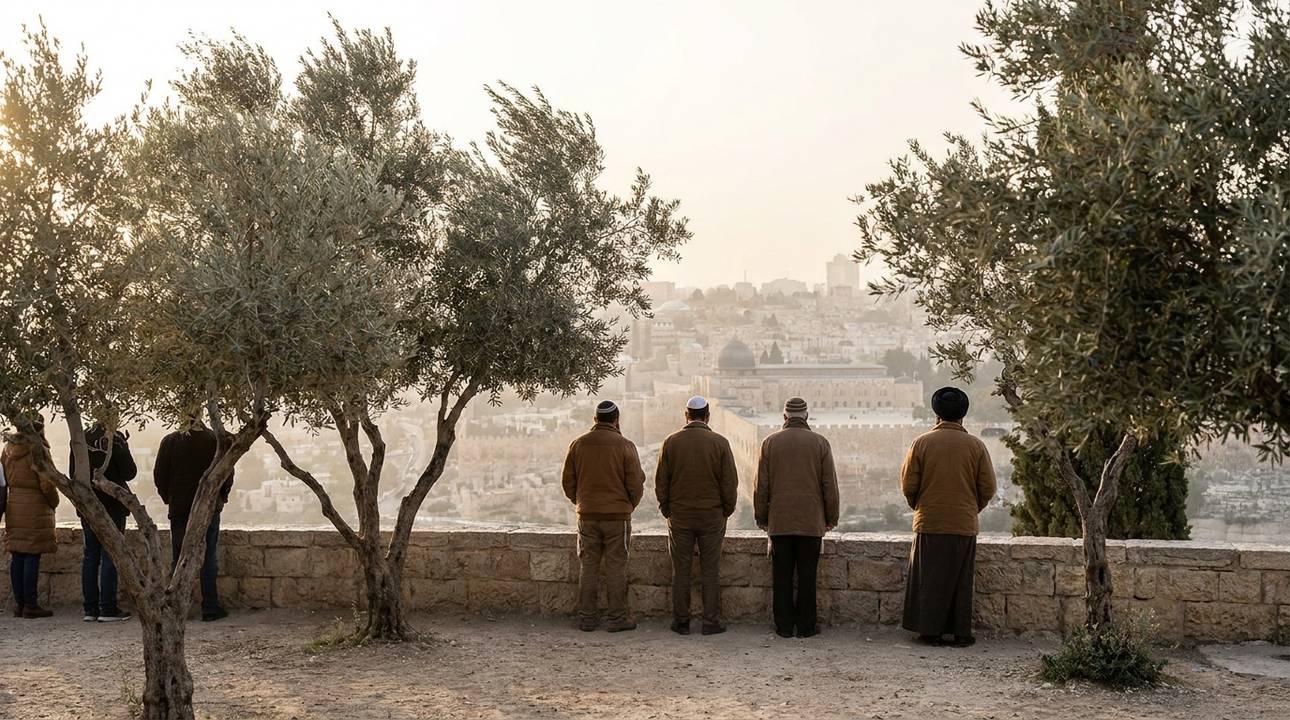
The panoramic views from the Mount of Olives also offer a breathtaking perspective of Jerusalem’s old cityscape. These sites together portray a city that has been at the center of human history for millennia, with layers of spiritual and cultural significance.
Masada: A Fortress of Courage
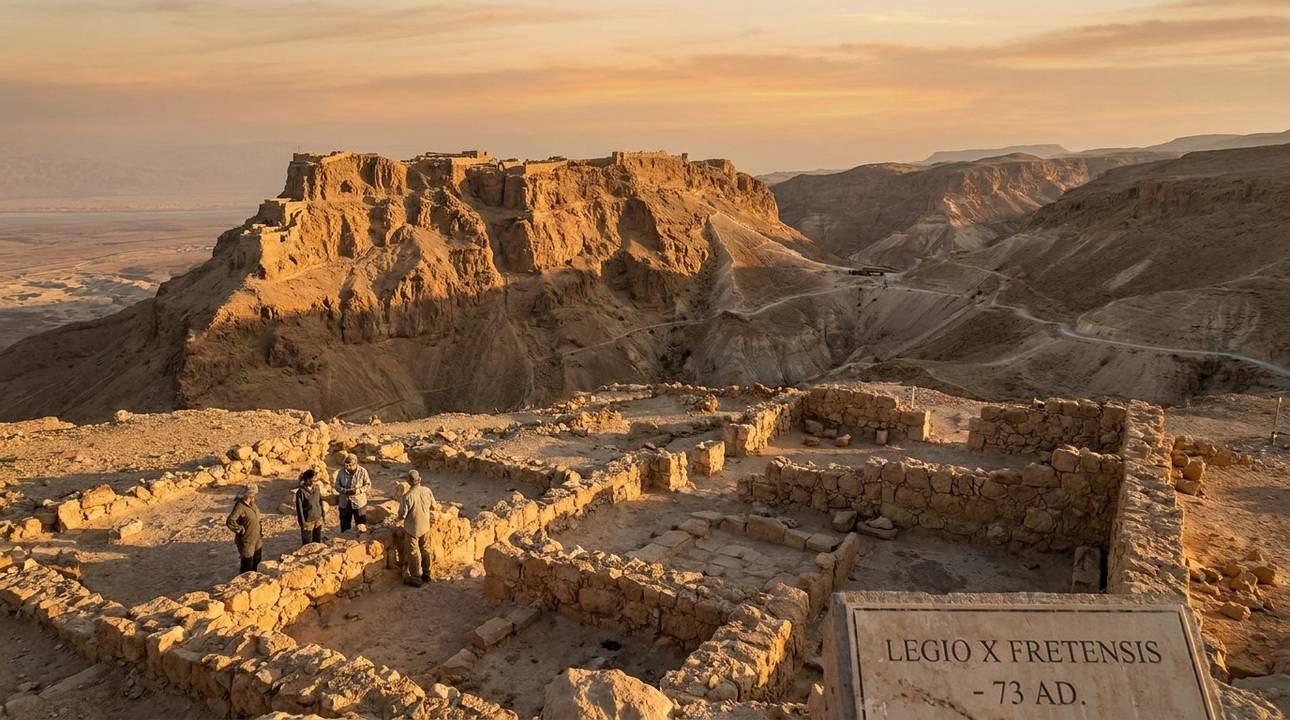
Perched on an isolated rock plateau, Masada is an emblem of bravery. The ancient fortress, famously besieged by Roman troops in 73-74 CE, tells a tale of resilience and sacrifice. According to historian Josephus, the defenders chose death over enslavement. This act of defiance has become a symbol of Jewish courage and determination.
The site is accessible by foot via the Snake Path or by cable car. From the top, the views of the surrounding Judean Desert are truly awe-inspiring, offering a glimpse into the harsh yet beautiful landscape.
Visitors can explore the remains of Herod’s palace, storerooms, and a synagogue, gaining insight into the lives of those who once inhabited this fortress. Herod’s palace was a marvel of engineering, featuring luxurious amenities such as bathhouses. The story of Masada is a powerful reminder of the enduring spirit of the Jewish people, inspiring all who visit. According to Josephus, the defenders of Masada chose to take their own lives rather than face enslavement by the Romans.
This act of courage has become a symbol of Jewish resilience.
Masada is not only a symbol of Jewish bravery but also a UNESCO World Heritage Site. The ruins include palaces, a bathhouse, and storerooms, revealing insights into its historical significance. Herod the Great built the fortress as a refuge against potential threats. The architecture reflects both luxury and practicality, with storerooms that could sustain a long siege.
Understanding Masada’s past adds depth to the experience of visiting. It remains a popular destination, drawing those intrigued by its dramatic history and the stories of those who lived there.
The site’s strategic location and architectural ingenuity reflect the challenges and triumphs of its builders. Herod the Great, known for his massive building projects, chose this location for its natural defenses and commanding views. Visitors can walk through the remains of the Roman siege camps, gaining a deeper appreciation for the historical events that unfolded here during the First Jewish-Roman War, around 73-74 CE.
This war was a pivotal moment in Jewish history, as documented by the historian Josephus.
Natural Wonders: The Dead Sea
The Dead Sea, known for its medicinal properties and mineral-rich waters, offers a unique experience. Floating effortlessly on its surface is a favorite activity for visitors. The surrounding Ein Gedi Nature Reserve is a lush oasis in contrast to the desert.
Hiking trails lead to waterfalls and historical sites, providing a full day of exploration. The reserve is home to diverse wildlife, including ibex and hyrax, adding to the area’s natural charm.
The therapeutic benefits of the Dead Sea’s mud and minerals have been recognized since the time of Cleopatra, who is said to have visited the region. These minerals, including magnesium and potassium, are known for their skin-healing properties. Visitors can indulge in spa treatments or simply relax by the water, taking in the stunning desert landscape. The Dead Sea, at 430 meters below sea level, is the Earth’s lowest elevation on land.
Its unique environment offers a serene escape from the hustle and bustle of daily life.
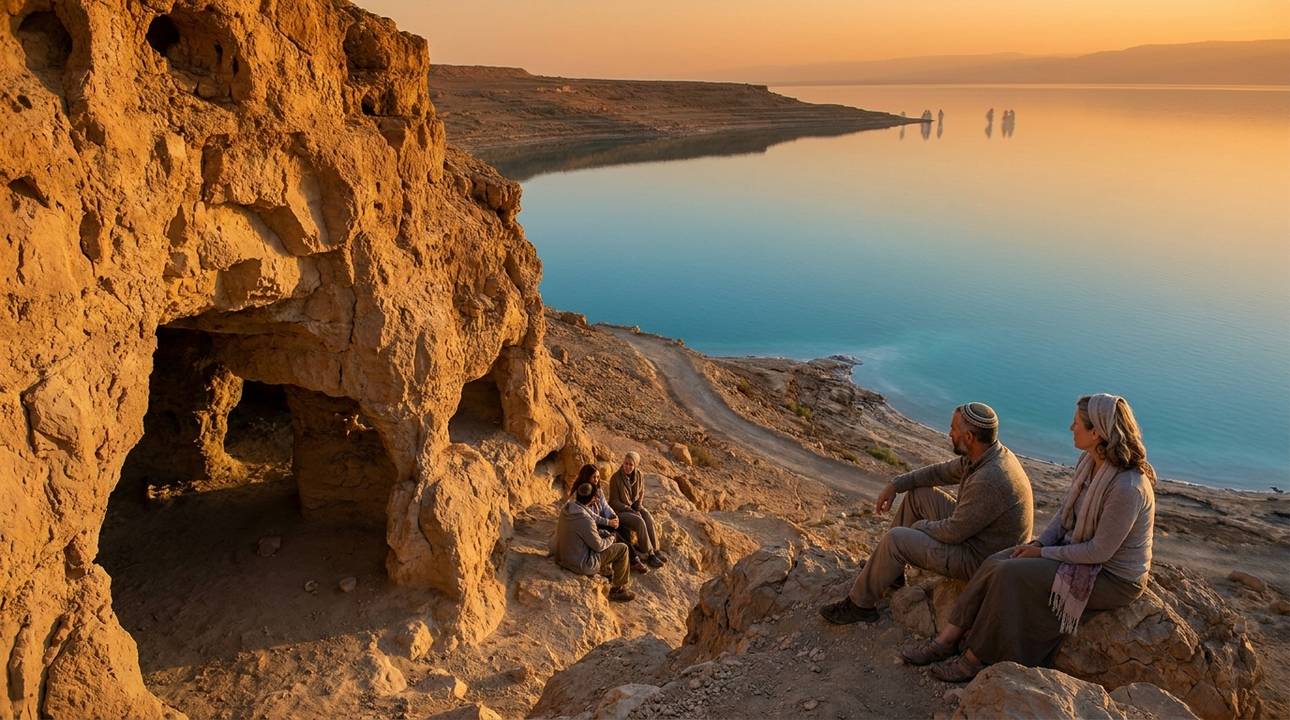
Beyond its natural beauty, the Dead Sea region holds historical importance. The Qumran Caves offer archaeological intrigue, providing insight into the Second Temple period. This area exemplifies Israel’s diverse landscapes and deep historical layers, inviting a unique blend of relaxation and adventure for all who visit. The combination of history and natural wonder makes it a compelling destination.
The discovery of the scrolls in 1947 was a monumental event, shedding light on the religious practices and beliefs of ancient Jewish communities. The scrolls, found in the Qumran Caves, include some of the oldest known manuscripts of the Hebrew Bible. The surrounding landscape, with its mineral-rich waters, provides a stark contrast to the arid desert, offering visitors a chance to unwind and reflect. The Dead Sea’s unique properties make it a natural wonder, attracting those seeking both relaxation and historical insight.
Tel Aviv: A Modern Metropolis with Ancient Roots
Tel Aviv merges modernity with history, offering bustling markets and a vibrant cultural scene. The ancient port city of Jaffa is part of Tel Aviv’s charm, boasting a history that spans thousands of years. Jaffa is mentioned in the Bible as the port from which Jonah set sail (Jonah 1:3). Art galleries and eclectic cafes line its narrow streets, providing a rich cultural experience.
The city’s Bauhaus architecture, a UNESCO World Heritage Site, reflects its 20th-century development and is a testament to its innovative spirit.
Tel Aviv’s beaches, nightlife, and art scene attract visitors from around the globe. This metropolis celebrates diversity, blending innovation with tradition. Founded in 1909, Tel Aviv has grown into a vibrant city known for its Bauhaus architecture, earning it the nickname “The White City.”
Its dynamic environment offers a glimpse into Israel’s future while acknowledging its past. The city’s museums, such as the Tel Aviv Museum of Art, showcase both contemporary and classical works.
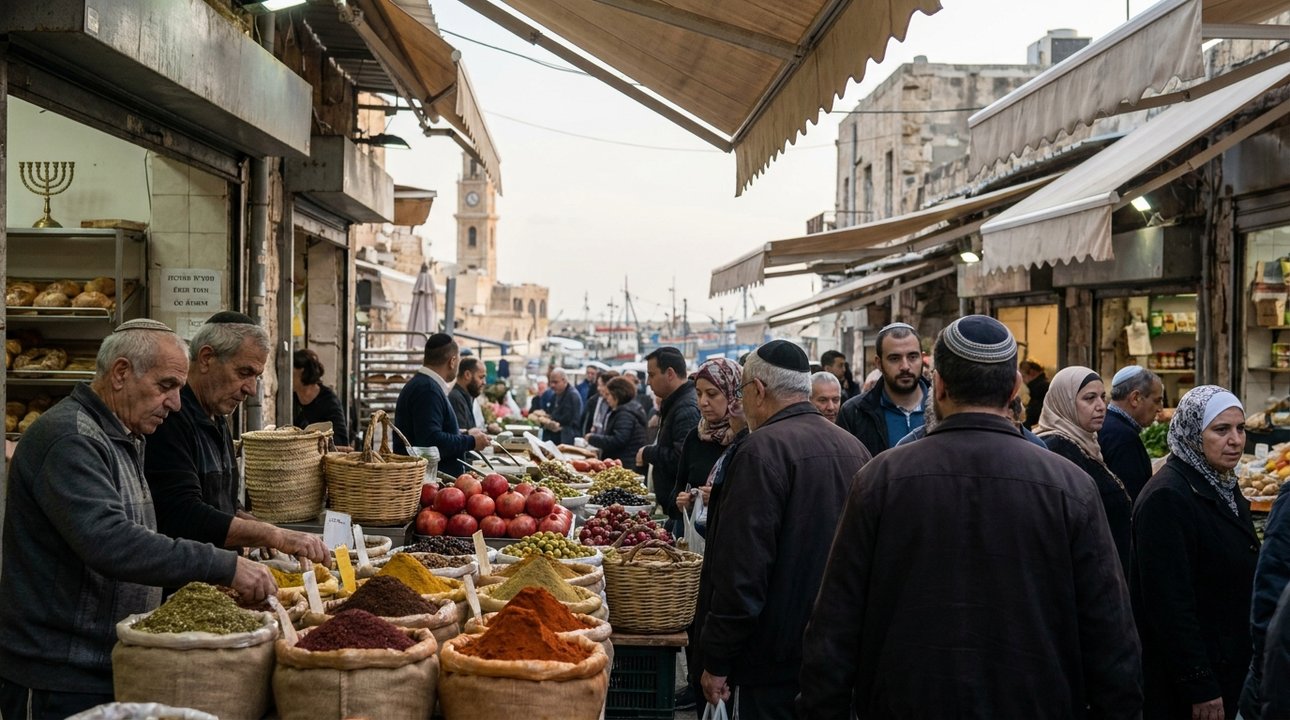
It’s a city where every traveler can find something to enjoy, whether history, art, or relaxation. Tel Aviv’s vibrant cultural scene is complemented by its historical richness, with the bustling Carmel Market offering a taste of local culture. This market is a sensory delight, filled with the aromas of spices and the sounds of vendors. Meanwhile, the historic port of Jaffa provides a window into the region’s ancient maritime history, dating back to the Bronze Age.
Jaffa is mentioned in the Bible in the story of Jonah (Jonah 1:3).
The Galilee: Nature and Spirituality
The Galilee region offers lush landscapes and significant religious sites like the Sea of Galilee. It is associated with various biblical events, attracting pilgrims and tourists alike. The Sea of Galilee is where many significant events in the Bible took place, including the story of Jesus walking on water (Matthew 14:22-33). Nazareth, known as the childhood home of Jesus, provides a deep spiritual experience.
The region’s natural beauty is complemented by its cultural richness and historical importance, making it a must-visit for those interested in biblical history.
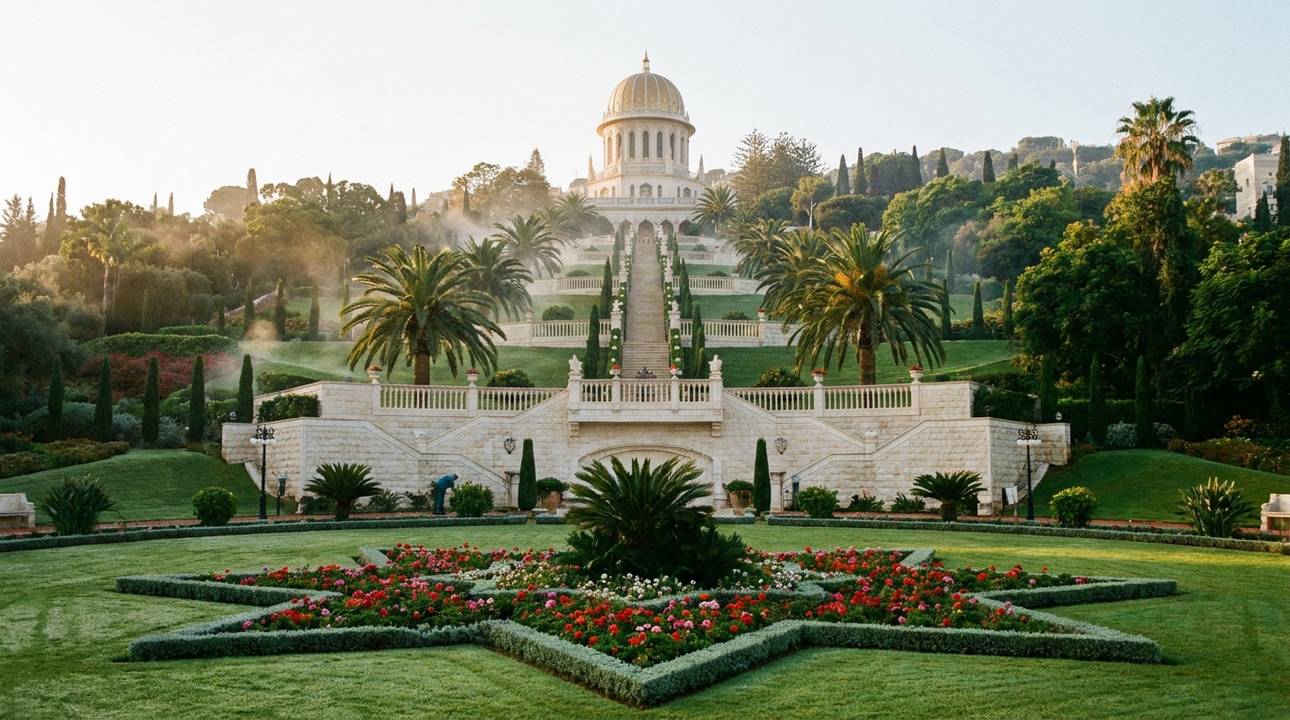
Mount Carmel provides breathtaking views of the Jezreel Valley, combining scenic beauty with biblical history. The prophet Elijah famously confronted the prophets of Baal here, as recounted in 1 Kings 18:20-40. This dramatic showdown demonstrated the power of faith and the triumph of monotheism. The Bahá’í Gardens in Haifa are another must-visit landmark, reflecting peace and harmony. These gardens, part of a UNESCO World Heritage Site, are meticulously maintained and offer a serene escape from the bustling city.
The gardens, a UNESCO World Heritage Site, are meticulously maintained and offer a serene escape from the bustling city. The Bahá’í Gardens in Haifa are a testament to the beauty of harmony and peace, with their symmetrical design and lush greenery. The Galilee’s appeal lies in its seamless blend of nature, history, and spirituality.
Visitors leave with a profound connection to the land and its stories, having walked in the footsteps of biblical figures and experienced the region’s natural wonders. This connection is both spiritual and educational.
Travel Insights
