
Discovering the Taste and Ingredients of Falafel
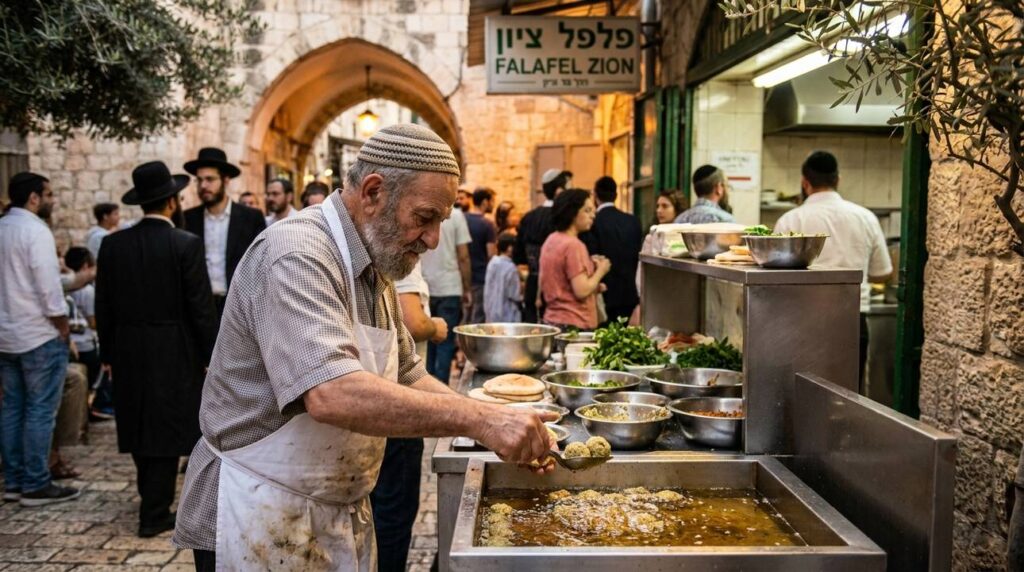

Falafel holds a special place in the heart of Middle Eastern cuisine. Known for its flavorful profile, this dish is beloved by many. Historically, chickpeas have been a vital part of the diet in this region, with archaeological evidence of their cultivation dating back to 7,500 years ago in the Levant.
In this article, we will explore what makes falafel unique, its delicious taste, and cultural significance in Israel and beyond. Join us as we dive into the rich history and flavor profile of this exquisite dish, cherished by many across the globe.
Falafel’s popularity has transcended borders, becoming a global favorite while retaining its roots in Middle Eastern culinary traditions. The dish’s appeal lies in its simplicity and the ability to adapt to various tastes and preferences.
In cities like London, falafel is often served in wraps with fresh salads, catering to the city’s diverse population. As we explore falafel’s journey, we will uncover the stories and traditions that have shaped its place in the hearts and kitchens of people worldwide.
Israeli Cookbook
Inspired by the Farms of Israel

Offering a glimpse into the cultural tapestry of the Middle East. The dish’s global journey illustrates how traditional foods can evolve and thrive in new environments, bringing a taste of the Middle East to tables around the world. This culinary evolution reflects the enduring appeal of falafel’s simple yet flavorful ingredients.
What is Falafel Made Of?
At its core, falafel is a deep-fried ball or patty made primarily from ground chickpeas or fava beans. Chickpeas, also known as garbanzo beans, have been cultivated in the Middle East for thousands of years, with evidence of their use dating back to ancient times.
These are mixed with herbs and spices, lending the dish its signature taste and aroma that is both earthy and fresh. The delightful texture balances a crisp outer layer with a moist, crumbly interior.
Reminiscent of the diverse culinary traditions of the region, chickpeas have long been a staple food, adding depth to falafel’s cultural significance. This makes it more than just a meal but a celebration of Middle Eastern heritage.
The use of spices like cumin and coriander is deeply rooted in Middle Eastern cuisine, with references found in ancient texts such as the Torah, where spices were used in offerings (Exodus 30:23-24).
These aromatic spices were highly valued in ancient trade, often exchanged along routes like the Silk Road. The combination of these spices with chickpeas creates a harmonious blend that is both satisfying and nourishing.
This unique texture and flavor have made falafel a beloved dish not only in its region of origin but also around the world. In countries like the United States, falafel has been embraced as a healthy and flavorful vegetarian option, often featured in health-conscious eateries. This global embrace underscores the timeless appeal of falafel’s simple yet rich ingredients.
The Origins of Falafel
Falafel’s exact origins are debated, with various regions claiming it as their own. Some suggest it originated in Egypt, where it may have been eaten by the Copts as a replacement for meat during Lent.
Others state Lebanon or Palestine as its birthplace. Historical records show that similar dishes were enjoyed in these regions, reflecting the shared culinary traditions of the area. Regardless of its beginnings, falafel has become a ubiquitous dish across the Middle East.
A beloved staple in Israel, falafel signifies not just a meal but a shared culinary heritage, reflecting the diverse history and culture of the region. The debate over its origins underscores the interconnectedness of Middle Eastern cultures, where food serves as a common thread, weaving together the rich tapestry of the region’s history.
Falafel’s journey across the Middle East and its establishment as a staple in Israeli cuisine is a testament to the dish’s adaptability and appeal. The spread of falafel can be linked to historical trade routes and migrations, which facilitated the exchange of culinary practices.
During the Ottoman Empire, falafel’s popularity grew, reaching new regions and adapting to local tastes. This has allowed falafel to evolve while maintaining its core ingredients.
Falafel serves as a symbol of cultural unity and shared traditions among various communities. Often considered a national dish in Israel, it reflects the country’s melting pot of cultures and influences. This culinary journey highlights how food can serve as a bridge, connecting diverse people through shared flavors and experiences.
How Does Falafel Taste?
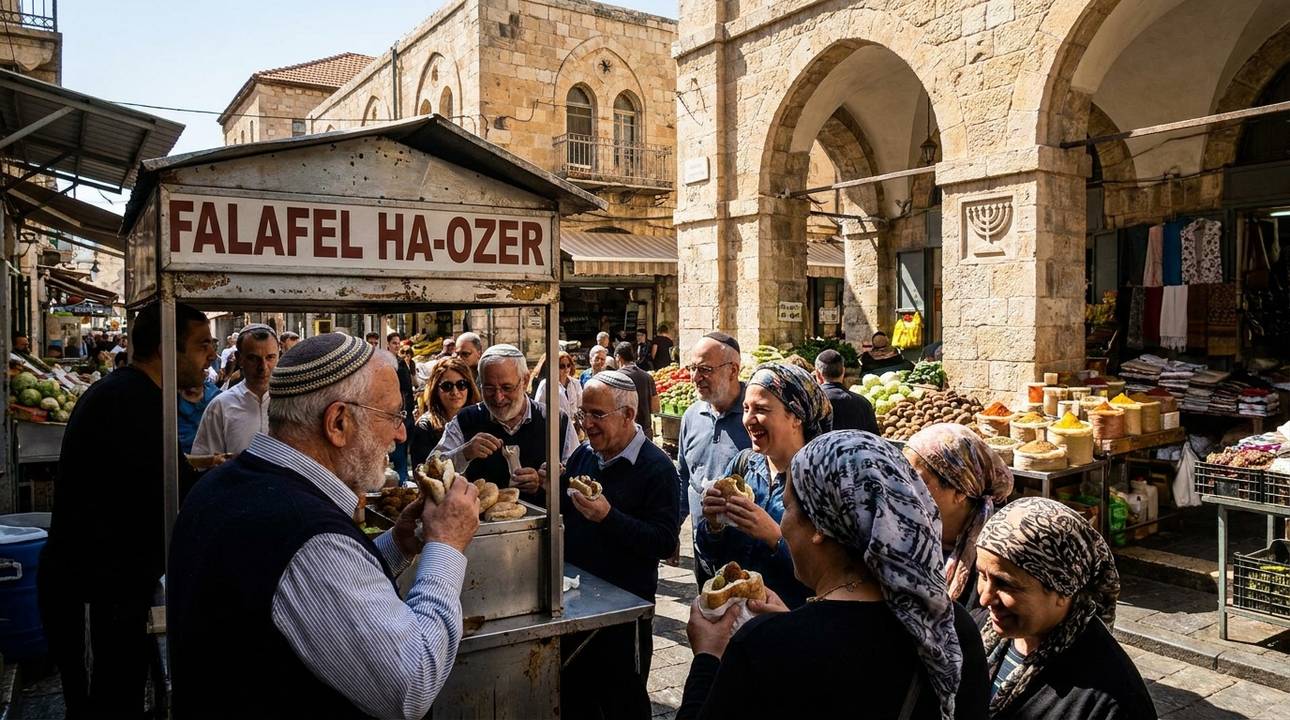
The taste of falafel is a harmonious blend of chickpeas’ nutty undertones and the vibrant flavors of herbs like parsley and cilantro. These herbs, often used in Middle Eastern cooking, are mentioned in the Bible, such as in Numbers 11:5, where herbs are part of the diet of the Israelites.
Spices such as cumin and coriander add warmth, while garlic and onions provide depth and complexity. The result is a savory and aromatic delight that is both satisfying and nourishing, offering a taste of the region’s rich culinary heritage.
The inclusion of garlic and onions, staples in many diets, adds layers of flavor that make falafel a truly unique dish. These ingredients have been used for centuries, with garlic even mentioned in the Torah during the Israelites’ exodus from Egypt (Numbers 11:5).
Garlic and onions were prized for their health benefits and robust flavors. This combination of ingredients results in a dish that is not only flavorful but also deeply connected to the history and culture of the Middle East.
Making it a favorite among many. In modern times, falafel’s rich flavors continue to delight palates worldwide, often featured in vegetarian and vegan diets for its plant-based protein content. This historical and contemporary appreciation highlights falafel’s enduring appeal as a flavorful and nutritious dish.
Falafel in Israeli Cuisine
Falafel is more than just food in Israel—it is a symbol of identity. Often enjoyed in a pita with salads, pickles, and tahini sauce, it is a common street food. This portable meal is not only delicious but also allows for endless customization based on personal taste and tradition.
Falafel’s popularity reflects the diverse culinary influences present in the region. In cities like Jerusalem, falafel stands are a staple, offering a taste of local culture to residents and visitors alike.
Israeli Cookbook
Inspired by the Farms of Israel
The dish’s widespread availability and adaptability have made it an integral part of Israeli street food culture, enjoyed by people from all walks of life. Its presence in daily life underscores its role as a culinary symbol of unity, bringing together people from different backgrounds through a shared love of food.
The customization of falafel with various toppings and sauces speaks to the dish’s versatility and its ability to bring people together. In Israel, falafel stands as a testament to the country’s rich cultural mosaic, where diverse culinary traditions merge.
Toppings like pickled vegetables and spicy harissa sauce offer a taste of the region’s vibrant flavors. Its presence in everyday life highlights the importance of food as a means of cultural expression and community building.
Making falafel a beloved symbol of Israeli identity and hospitality. The dish’s adaptability allows it to be enjoyed by people from all walks of life, from bustling street markets to family gatherings. This inclusivity is a reflection of the welcoming spirit that falafel embodies, making it a cherished part of Israeli cuisine.
Making Falafel at Home
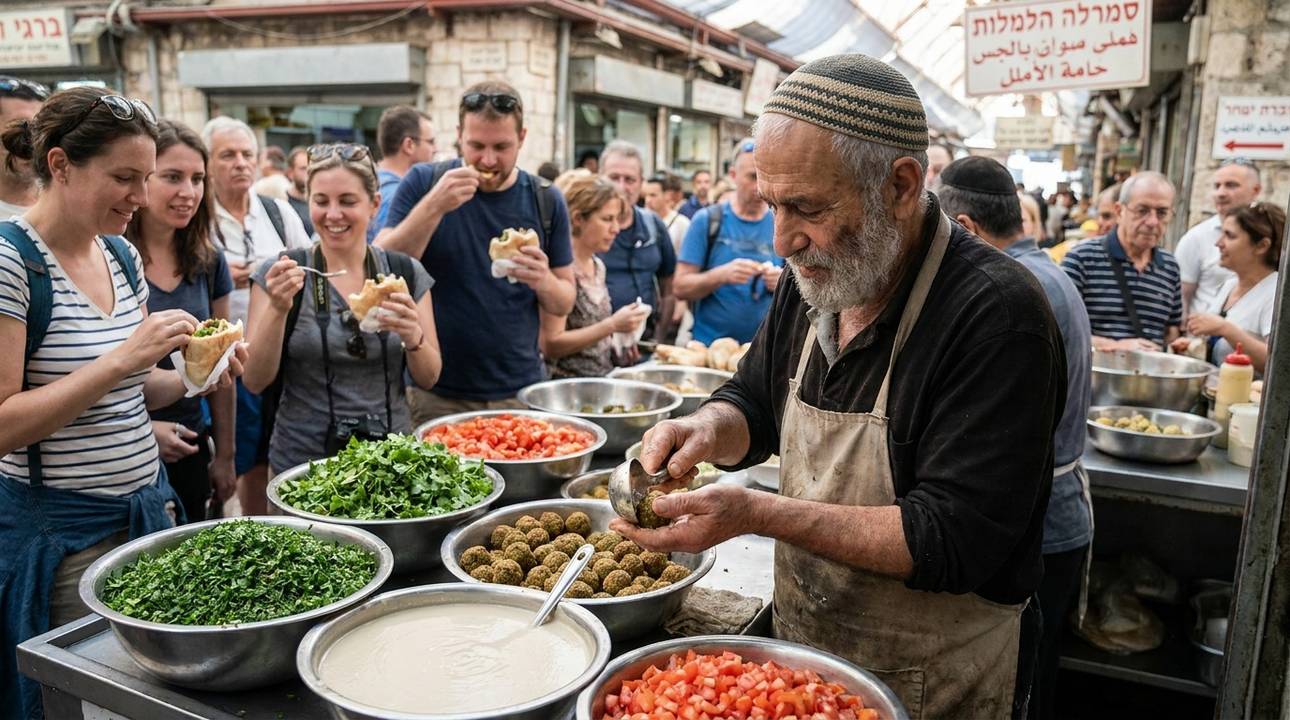
Falafel can be prepared at home using simple ingredients. The key is to ensure the chickpeas are soaked rather than cooked, keeping the texture ideal for frying. This method preserves the chickpeas’ natural starches, essential for achieving the perfect falafel consistency.
Blending fresh herbs and spices precisely brings out the desired flavor profile that makes falafel a hit. Many enjoy making falafel at home as it allows for personal adjustments to taste and texture preferences, creating a dish that reflects individual culinary creativity.
Preparing falafel at home also provides an opportunity to experiment with different herbs and spices, allowing each cook to put their unique spin on the traditional recipe. This flexibility makes falafel a favorite among home cooks who appreciate the ability to tailor flavors to their liking.
Incorporating spices like za’atar or sumac can add a unique twist, showcasing the cook’s creativity. The process of making falafel can be a rewarding experience, connecting individuals to the rich culinary traditions of the Middle East.
While offering a taste of this beloved dish in the comfort of their own kitchens. Many families pass down their falafel recipes through generations, preserving their culinary heritage. This tradition of home cooking fosters a deeper connection to cultural roots, making the preparation of falafel a cherished ritual.
Cultural Significance of Falafel
Falafel is more than just a dish; it is part of cultural expressions and community gatherings. Often enjoyed during festivals, celebrations, and family meals, it is a popular choice during Yom Ha’atzmaut, Israel’s national Independence Day, where families gather to celebrate with food and music.
The communal nature of making and eating falafel fosters connection and togetherness, embodying the spirit of cooperation and shared joy.
For many, falafel represents a link to tradition and heritage, symbolizing unity and shared values. In Egypt, falafel, known as ‘ta’ameya’, is a breakfast staple, often shared among family members. This tradition of sharing food reflects the deep-rooted cultural importance of hospitality and community, making falafel more than just a meal, but a symbol of cultural continuity and togetherness.

Falafel Around the World
Falafel has crossed borders and become a global sensation, finding its place in vegetarian and vegan menus worldwide. Its versatility allows it to blend with various cuisines, adapting to local tastes while maintaining its traditional core.
For instance, in New York City, falafel is often paired with spicy sauces, reflecting the city’s diverse culinary influences. This global appeal highlights falafel’s adaptability and universal charm, bridging cultural divides through shared culinary enjoyment.
In Paris, falafel is celebrated in the Marais district, known for its rich Jewish heritage, where it has become a staple street food. This ability to adapt while preserving its essence is a testament to falafel’s enduring appeal. The dish’s journey from the Middle East to the world stage showcases its role as a culinary ambassador, promoting understanding and appreciation across cultures.
Conclusion
Falafel is more than a simple street food; it is a symbol of cultural heritage and culinary joy. Its rich taste and history have made it a beloved dish. Chickpeas, a primary ingredient, have historical significance, highlighting their enduring importance.
Whether enjoyed in a bustling marketplace or a quiet home kitchen, falafel brings warmth and satisfaction. Its presence in various settings showcases its versatility and universal appeal.
Explore the many flavors and experiences falafel offers, celebrating its essence as part of the rich tapestry of Middle Eastern cuisine. In cities like Tel Aviv, falafel stands are a common sight, offering a taste of tradition to locals and tourists alike. This blend of history and modernity in falafel’s journey reflects the dynamic nature of Middle Eastern culinary traditions.

Understanding Falafel
