
Exploring the Significance of Frankincense and Myrrh in History
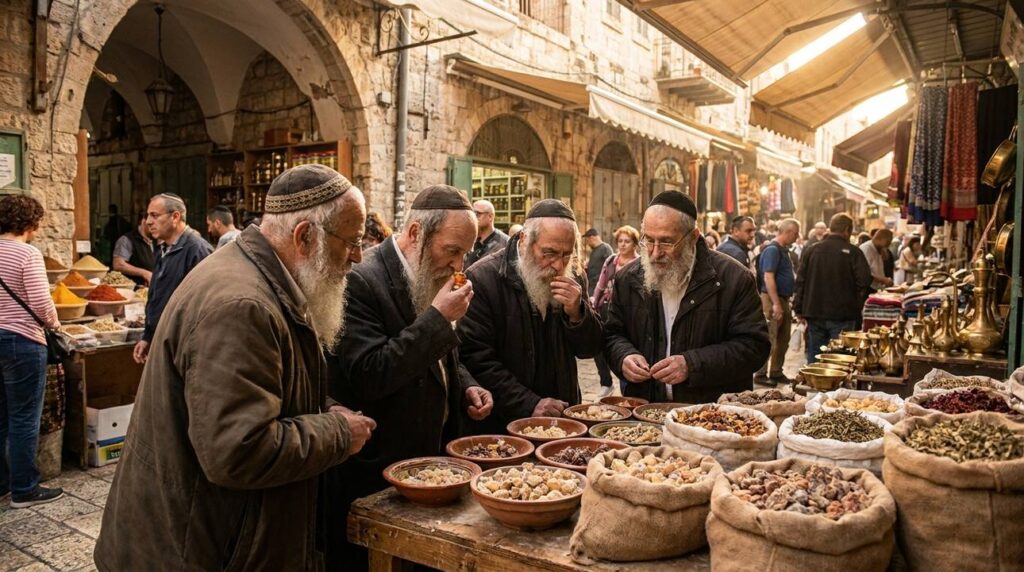

Frankincense and myrrh are aromatic resins that have enchanted people for millennia. Their use as special anointing oils is documented in various historical contexts. In the Bible, frankincense is mentioned in Exodus 30:34-38 as part of a sacred incense blend used in the Tabernacle.
These fragrant substances feature prominently in historical records and had significant roles in the ancient economies and cultural practices of the region. Their value is highlighted by their inclusion in significant exchanges and ceremonies.
Understanding their history and importance offers insight into their enduring appeal, as they continue to be used in modern wellness and spiritual practices.
Today, frankincense is often used in meditation for its calming properties, while myrrh is valued in skincare for its soothing effects, demonstrating their versatility and continued relevance.
from the Western Wall to Masada.
Origins and Harvesting of Frankincense and Myrrh
Frankincense is derived from the resin of the Boswellia tree, while myrrh comes from the Commiphora species. These trees thrive in arid climates, such as those found in parts of the Arabian Peninsula and the Horn of Africa.
Historical texts, like those of Pliny the Elder, describe the regions where these trees grew. Harvesting these precious resins involves making incisions in the bark, allowing the sap to harden into the fragrant beads known to many today.
This labor-intensive process has been practiced for thousands of years and remains unchanged in many regions, maintaining a connection to ancient traditions.
The frankincense trade dates back to ancient times, with records indicating its use in Egypt, Greece, and Rome. The Egyptians, for instance, used it in religious ceremonies and embalming, as noted in the Ebers Papyrus.
Similarly, myrrh was used extensively in the ancient world, not only for its perfume but also for its medicinal properties.
The Ebers Papyrus, a medical document from around 1550 BCE, lists myrrh as an ingredient in treatments for various ailments, showcasing its importance in ancient Egyptian medicine.
These resins were traded over long distances and were among the most valuable commodities in the world, often worth more than their weight in gold. The Incense Route, a trade network, facilitated their movement from Arabia to the Mediterranean.
This network was crucial for the economic prosperity of the regions involved, supporting cities like Petra, which thrived as a trading hub due to its strategic location on the route.

Frankincense and Myrrh in the Bible
Both frankincense and myrrh hold notable places in biblical texts, with references to their use as offerings and in sacred ceremonies. In Exodus 30:34-38, God instructs Moses to make incense with frankincense as a key ingredient.
This sacred mixture was used in the Tabernacle, emphasizing its importance in worship. The Tabernacle was a portable earthly dwelling place for the divine presence, and the use of these resins in its rituals underscores their spiritual significance.
This combination of spices was considered holy and set apart for worship, highlighting the sacred status of these resins and their integral role in spiritual life. Their use in religious contexts underscores their spiritual significance and cultural value.
The careful preparation and use of these substances in worship reflect their esteemed status and the reverence with which they were regarded.
Myrrh appears in the book of Esther as part of the purification rituals, specifically in Esther 2:12 where it is used during the beautification process of the women.
It is also noted that myrrh was used as anointing oil and for embalming, as seen in John 19:39 when myrrh was brought to prepare Jesus’ body for burial.
The significance of frankincense and myrrh in these texts underscores their value and spiritual importance, marking them as symbols of purity and reverence.
These resins were integral to both life and death rituals, reflecting their profound cultural resonance.
Myrrh was often associated with purification and sanctification, while frankincense was linked to prayer and worship, illustrating their diverse applications and symbolic meanings.
Symbolic and Practical Uses
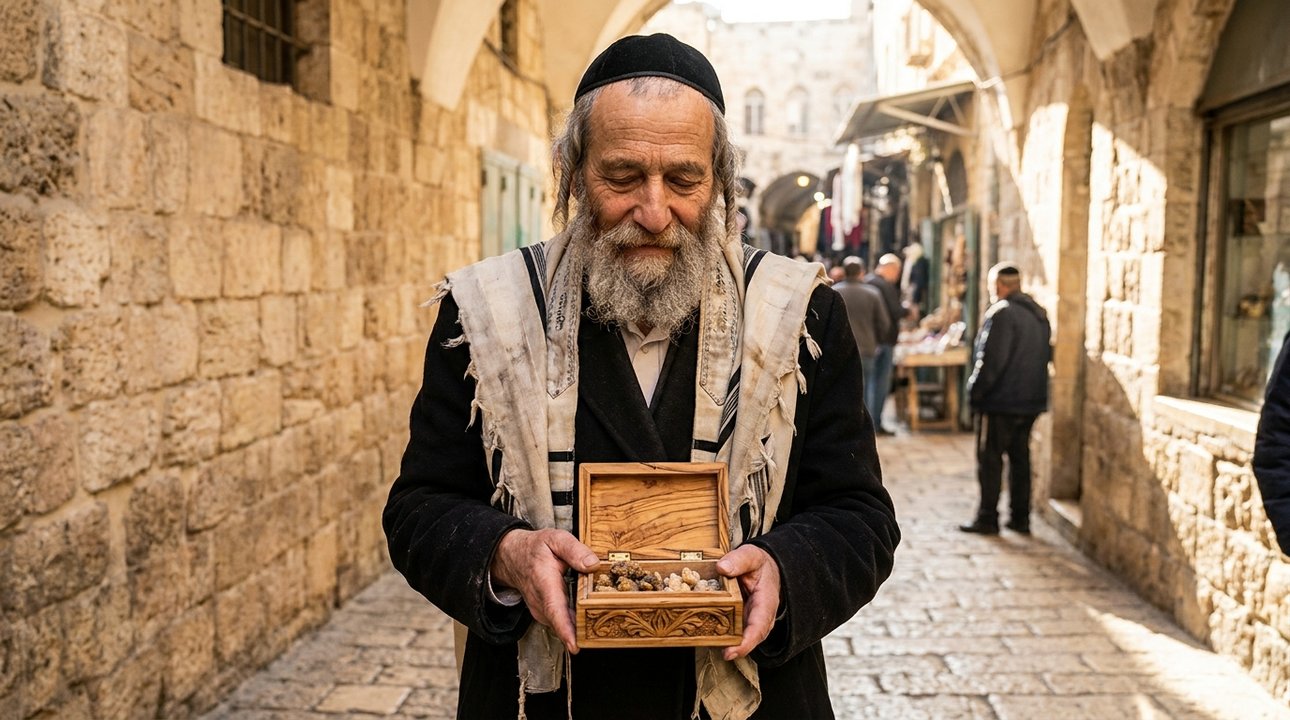
Beyond their spiritual significance, frankincense and myrrh served practical purposes in ancient societies. Frankincense was often burned as incense to purify the air and create a serene atmosphere for meditation and prayer.
In the Bible, Exodus 30:34-38 describes a sacred incense blend containing frankincense, highlighting its importance in religious rituals. This blend was specifically crafted for use in the Tabernacle, emphasizing the role of frankincense in creating a sacred space for worship.
Myrrh, with its antiseptic qualities, was valued for medical applications, including wound treatment and as a component in balms and salves. Historical records from Egypt show its use in embalming, underscoring its role in preserving the deceased.
The Egyptians believed that myrrh helped protect the body in the afterlife, illustrating its significance in both practical and spiritual contexts.
The fragrant smoke of burning frankincense was believed to carry prayers to heaven, a symbolic act practiced in various cultures, including in the Jewish Temple in Jerusalem as described in Exodus 30:7-8.
This practice reflects its role as a bridge between the human and divine, a concept embraced across many spiritual traditions. In the Jewish Temple, priests would burn incense as part of their daily rituals, signifying the offering of prayers and the presence of holiness.
from the Western Wall to Masada.
In aromatherapy today, frankincense and myrrh continue to be beloved for their calming and revitalizing effects, often used to promote relaxation and mental clarity. Their enduring appeal lies in their ability to connect the past with present-day wellness practices.
These resins are frequently used in meditation and yoga to enhance focus and create a serene environment, demonstrating their timeless relevance.
Healing Properties in Ancient Medicine
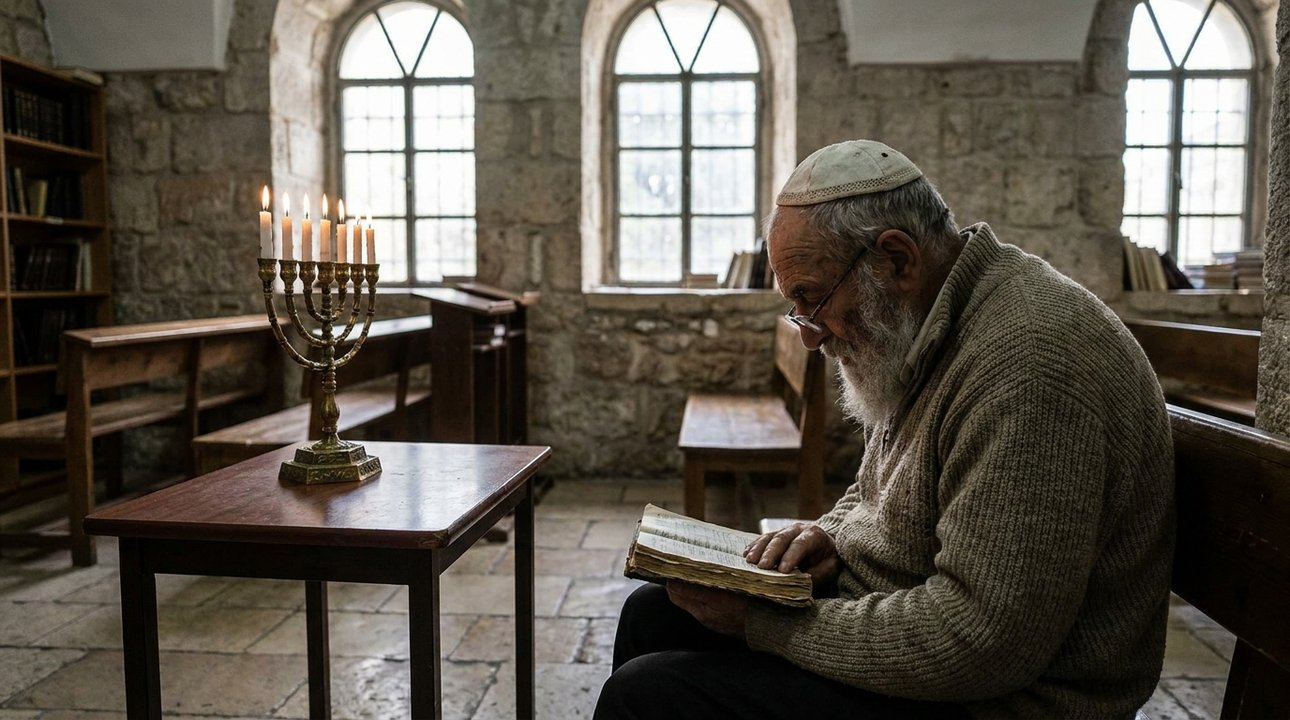
The healing properties of frankincense and myrrh were well known in the ancient world. They were key ingredients in traditional medicine systems for their anti-inflammatory and antimicrobial benefits.
Ancient texts, such as those from the Greek physician Hippocrates, mention their use in treating wounds and infections.
Hippocrates, often called the ‘Father of Medicine,’ lived around 460-370 BCE and documented numerous natural remedies, including the use of these resins for their therapeutic benefits.
Modern studies continue to explore these ancient remedies, validating their effectiveness in various therapeutic contexts, including their potential role in reducing chronic inflammation and supporting immune health.
Research has shown that frankincense may help with conditions like arthritis by reducing joint inflammation, while myrrh’s antiseptic properties make it useful in treating minor cuts and abrasions. These findings highlight the enduring relevance of these ancient substances in modern medicine.
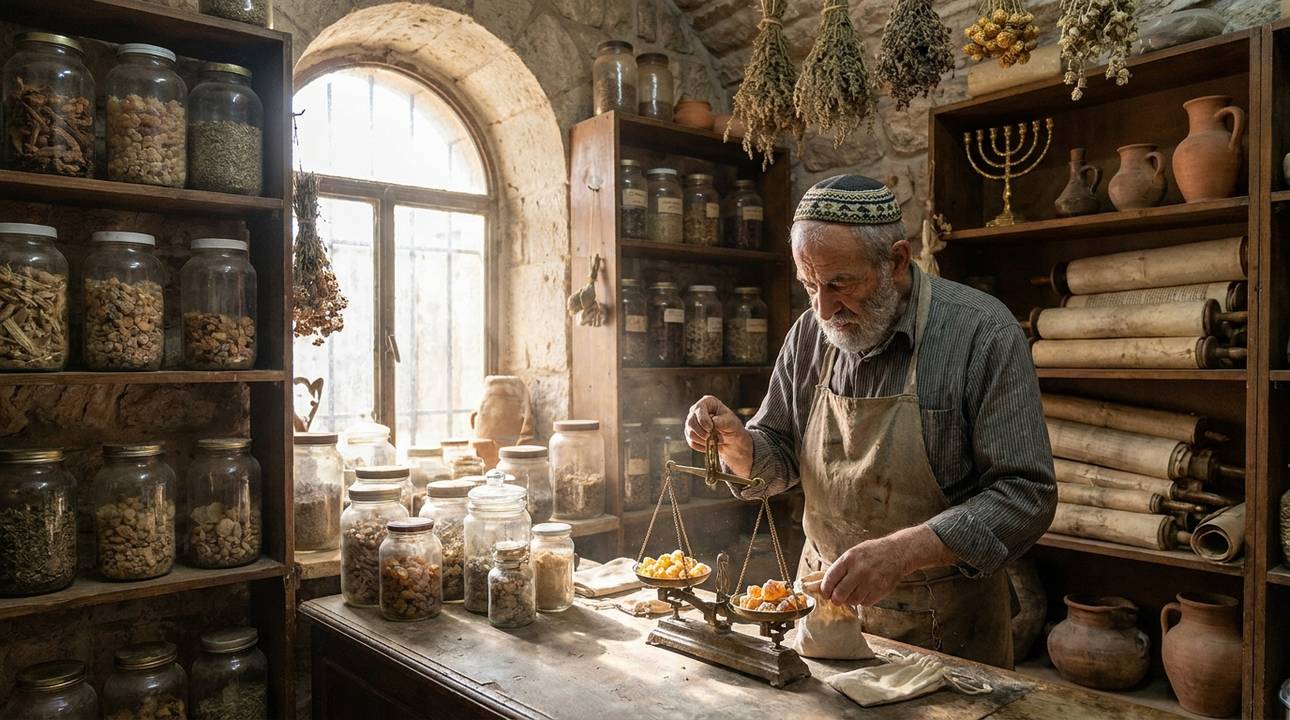
Used in ointments, these resins provided not only spiritual and sensory benefits but also practical health advantages. In ancient Egypt, they were part of embalming processes, as noted in historical texts.
They were crucial components of many herbal remedies documented in ancient pharmacopeias, such as those found in the Ebers Papyrus dating back to 1550 BCE.
The dual role of these resins in ritual and wellness practices demonstrates their multifaceted legacy, bridging the gap between the sacred and the medicinal. Their continued use in modern holistic health practices reflects their enduring relevance.
Cultural Legacy and Modern Uses
In contemporary culture, frankincense and myrrh remain popular, emblematic of ancient wisdom and modern wellness. They are now widely used in aromatherapy, skincare, and alternative medicine.
For instance, frankincense is often used in meditation practices for its calming properties, while myrrh is valued in skincare for its soothing effects on the skin. These timeless gifts continue to capture the imagination, drawing on a history rich with diverse applications and meanings.
From ancient rituals to modern holistic health, their enduring legacy is a testament to their versatility and timeless appeal.
Today, these resins are celebrated not only for their historical significance but also for their practical benefits, offering a connection to the past while enhancing contemporary wellness practices.
While some uses have shifted, the core principles surrounding the cultivation and application of these resins stand firm. Historically, regions like Southern Arabia were known for their production, with the incense trade flourishing during the time of the Nabateans.
The Nabateans, an ancient Arab people, controlled the trade routes in the Arabian Peninsula from around 4th century BCE to 106 CE, facilitating the spread of these valuable resins across the Mediterranean and beyond.
Their ongoing popularity is a testament to their profound and enduring influence in various domains of life. As we continue to rediscover the benefits of these traditional substances, their legacy thrives in new contexts around the world, from wellness practices to cultural rituals.
Today, the use of frankincense and myrrh in aromatherapy and holistic health practices reflects their timeless appeal, bridging ancient traditions with contemporary wellness trends.
General Information
