
Bnei Brak Area Guide
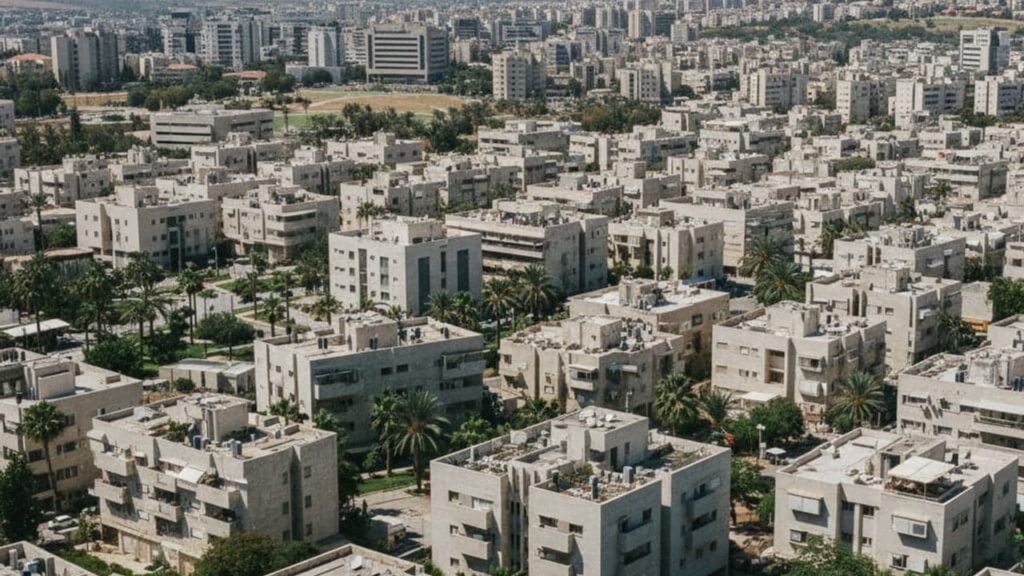

Bnei Brak is a compact, densely built city on the eastern edge of the Tel Aviv metropolitan area. It is known for a strong communal life centered on religious institutions. This guide gives a clear, practical picture of daily life, history, transport and local services.
Bnei Brak at a Glance
City: Bnei Brak • Country: Israel • District: Tel Aviv • Population: 200000 • Area: 7.36 km² • Nearest major city: Tel Aviv-Yafo • Distance: 4.8 km • Main transport connection: Jabotinsky Road together with the Ayalon highway/rail corridor (Route 20 / Israel Railways) • Known for: A major centre of Haredi and ultra-Orthodox Jewish life, home to many yeshivot and kollelim, with high population density and active communal institutions. • Historic origins: Name derives from the Biblical Bene-berak. The modern town developed in the early 20th century and grew into a city in the mid-20th century.
Insider's Guide to Israel
and can't-miss places most tourists never find.

Where Is Bnei Brak?
Bnei Brak sits immediately east of central Tel Aviv and is in the Tel Aviv District. It occupies a small area between the Ayalon transport corridor to the west and nearby municipalities to the north and east.
The city borders built-up suburbs such as Givatayim and Ramat Gan to the west and northwest, and Petah Tikva and Givat Shmuel to the east and northeast. Tel Aviv-Yafo is the nearest major city, roughly 4-6 km away by road depending on route.
Geographically, Bnei Brak is flat and fully urban. Its location beside the Ayalon corridor links it into the region’s main road and rail routes.
History of Bnei Brak
The place-name Bene-berak appears in Biblical and classical sources and archaeological finds show an ancient settlement in the wider area. The modern town grew in the early 20th century during the late Ottoman and British Mandate eras.
A religious settlement that became the modern Bnei Brak dates to the 1920s; municipal records cite 1924 as the founding year. Over the mid-20th century the locality expanded and was granted municipal city status in the mid-20th century, developing as a densely populated urban municipality with strong religious institutions.
Bnei Brak Population
Municipal and national statistics report a population in the low hundreds of thousands; recent sources describe the city as having about 200,000 residents (estimates vary between data sets and over time). This reflects steady growth over the decades and relatively high household sizes in the city.
Bnei Brak is small in area but large by population within the Tel Aviv District, giving it one of the higher population densities among nearby municipalities. Growth has been driven mainly by natural increase and community expansion.
What Is It Like to Live in Bnei Brak?
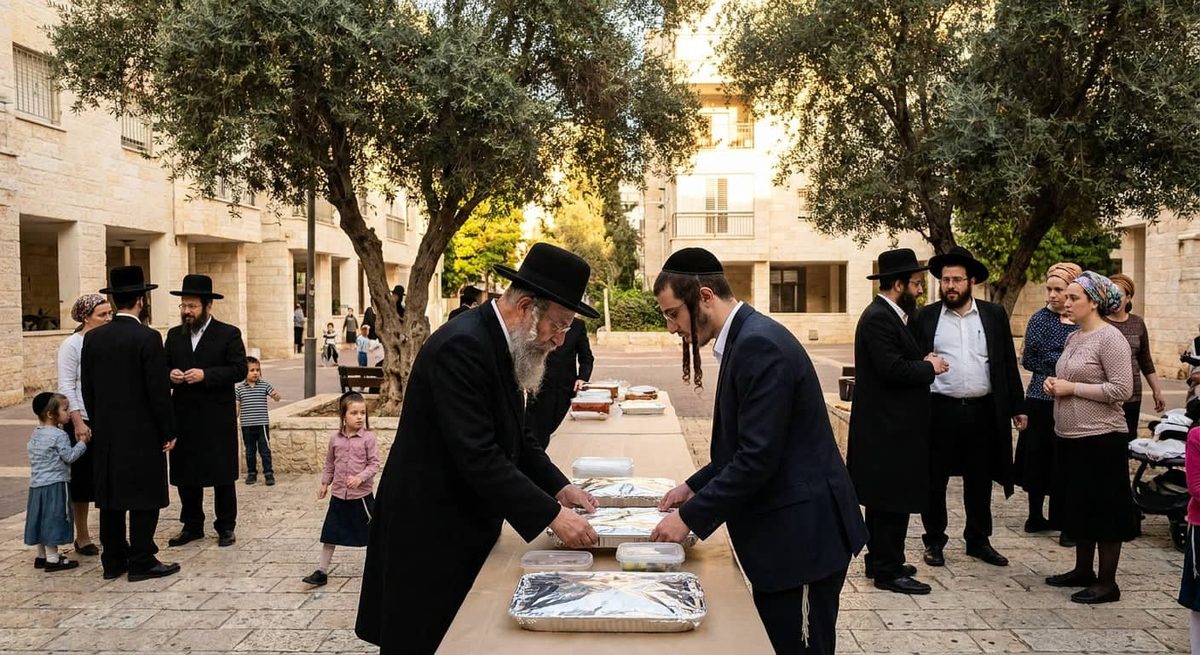
Daily life is shaped by the city’s character as a centre of Haredi religious life. Streets, shops and services follow communal rhythms and many neighbourhoods are organised around yeshivot and synagogues.
The pace is community focused. You will find many services for families and for religious study, while secular entertainment and late-night venues are limited compared with central Tel Aviv.
Transport links to the wider metropolitan area are convenient. Jabotinsky Road and the Ayalon corridor provide direct road and rail access to central Tel Aviv. The city has municipal parks and small green spaces, but is mainly a built urban area.
People who value close communal networks, family-oriented services and short links into Tel Aviv often find Bnei Brak comfortable. Those who want a big secular nightlife or large private gardens may prefer neighbouring towns.
Areas and Neighbourhoods in Bnei Brak
Bnei Brak is compact and mixes institutional quarters, dense apartment blocks and small commercial or light-industrial corridors. Short notes on neighbourhood character follow.
Kiryat HaYeshiva (קריית הישיבה)
This part of the city has many major yeshivot and study houses, and feels institutional in character. Apartment housing and student accommodation sit close to study buildings.
Travel within the area is on local streets and it is a short trip to Jabotinsky Road for wider travel. The neighbourhood serves students, families tied to the institutions and people who need close access to community services.
Tel Giborim (תל גיבורים)
A residential neighbourhood with a mix of apartment buildings and local shops. Streets are typical of a built-up urban grid.
Local buses and roads make commuting to other parts of the metro straightforward. It suits families and residents who want a neighbourhood feel near institutional centres.
Ramat Aharon (רמת אהרן)
A densely built residential sector with practical everyday services nearby. Most housing is apartment-style and amenities are within walking distance.
Short journeys connect residents to the city’s main roads. The area appeals to established families and those wanting routine services close at hand.
Shikun V / Shikun H (שיכון ו’, שיכון ה’)
Older municipal housing estates with functional mid-century apartment blocks and community facilities. Local commerce is close by.
Frequent bus services serve these estates. They are suitable for households seeking affordable apartment living within the urban core.
Pardes Katz (פרדס כץ)
A residential neighbourhood with a mix of older housing and family services, plus small parks and neighbourhood shops.
Housing tends to be apartments and smaller buildings. The area suits families and residents who prefer quieter streets inside the city.
Givat Rokach (גבעת רוקח)
A local residential area with apartments and small commercial strips. Travel to central roads is short, which supports commuting to work outside the neighbourhood.
The area is practical for residents who need easy road access to nearby employment centres and institutions.
Education in Bnei Brak
Bnei Brak is an important centre of Haredi religious education with many yeshivot and kollelim; notable institutions include Ponevezh Yeshiva and other advanced Torah study bodies. These create a strong local focus on religious learning.
At primary and secondary levels the city has extensive religious schooling to meet communal needs. Secular and mixed schools are less prominent within the municipal system compared with the strong presence of religious schools.
For higher education in the wider metropolitan area, residents commonly travel to universities and colleges in nearby Tel Aviv and other suburbs; rail and bus links make commuting possible.
Transport and Connectivity
Bnei Brak lies beside the Ayalon transport corridor and its main east-west route is Jabotinsky Road. Road connections make journeys into central Tel Aviv relatively short when traffic allows.
Insider's Guide to Israel
and can't-miss places most tourists never find.
Rail services operate along the Yarkon/Ayalon corridor. Nearby railway stations on that corridor serve commuters; consult Israel Railways for current station names and timetables and for the most accurate travel times to central Tel Aviv.
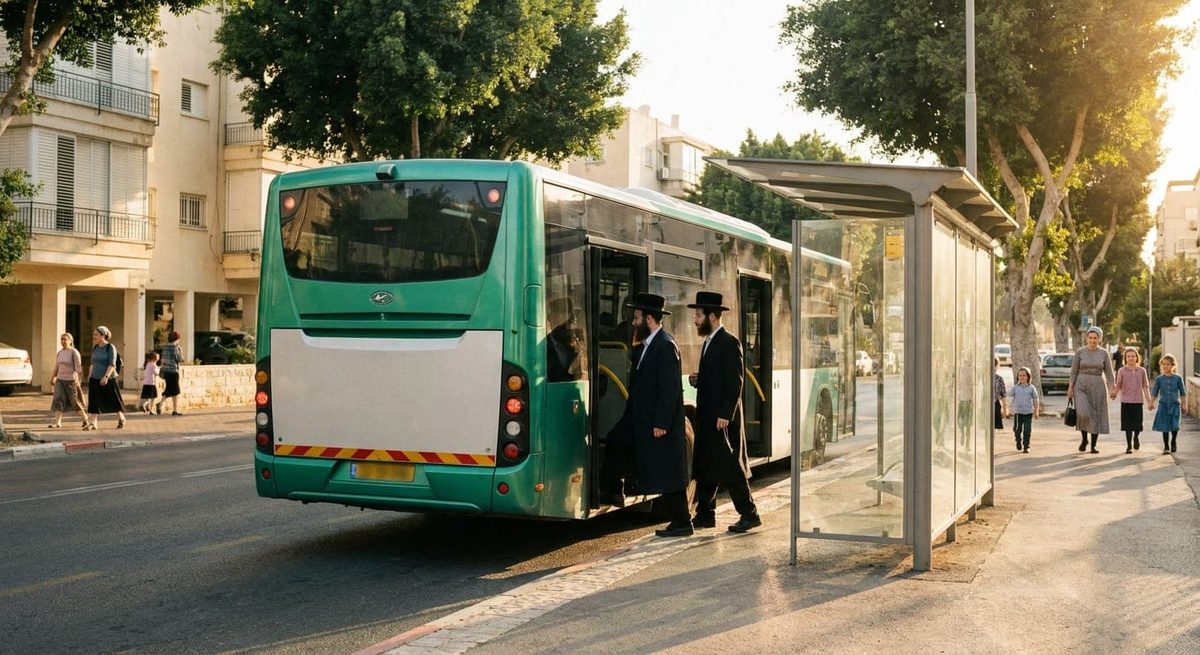
Local and intercity bus services run on major roads. Operators include Dan, Egged and regional carriers, with many routes on Jabotinsky Road. Public transport frequency and routing are reduced in parts of the city on Shabbat.
Ben Gurion Airport is about 25 km road distance away depending on route and traffic; intercity rail and road links provide access. Many daily needs can be met locally, but buses and trains are common for commuting outside the municipality.
Nature and Outdoor Spaces
Bnei Brak is mainly urban and densely built across most of its area; there are no large nature reserves within the municipal boundary.
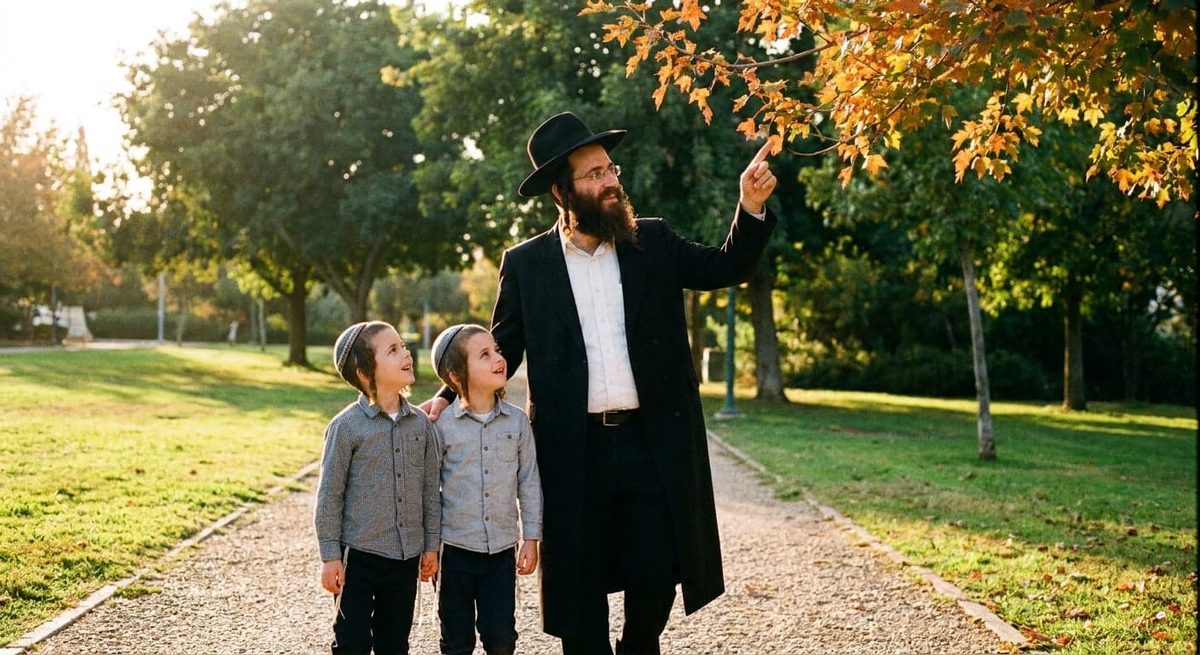
The city maintains small parks and public gardens that provide local recreation and play areas. These pocket green spaces are used daily by residents.
For larger parks, coastal promenades and wider open spaces, people often travel a short distance to neighbouring municipalities or to central Tel Aviv.
Amenities and Things to Do in Bnei Brak
Amenities reflect the city’s communal character. Mayanei Hayeshua Medical Center is a key healthcare provider serving the city and surrounding towns.
Religious life is central: synagogues and yeshivot host study, services and community events. Ponevezh Yeshiva and several historic community synagogues are focal points of public life.
Daily shopping is provided by markets, small retail strips and community services. There are also light-industrial and commercial zones near the Ayalon interchange.
Municipal parks and gardens offer places to walk and for children to play. Secular entertainment venues are limited compared with central Tel Aviv, but nearby cities are a short trip away for wider cultural options.
Cities and Towns Near Bnei Brak
Bnei Brak sits in a dense cluster of Tel Aviv suburbs and nearby cities. Short journeys connect residents to central Tel Aviv and neighbouring municipalities across the metropolitan area.
Nearby cities and towns: Tel Aviv‑Yafo — 4.8 km, approx. 10 min; Ramat Gan — 3.5 km, approx. 10 min; Petah Tikva — 5 km, approx. 12 min; Givatayim — 3 km, approx. 12 min; Givat Shmuel — 2.2 km, approx. 8 min.
Advantages of Living in Bnei Brak
Strong community infrastructure: religious institutions, schools and communal services support family and study life.
Proximity to Tel Aviv: direct road and rail connections make central jobs and services accessible.
Local services: healthcare, markets and municipal facilities are available within the city, reducing the need for long daily trips.
Housing options: a range of apartment types and institutional housing meet different household needs in a compact area.
Things to Consider Before Moving to Bnei Brak
High density and small lot sizes: the compact area and population produce a dense urban environment with limited private outdoor space.
Community character: the strong religious character shapes public life, commerce and leisure; people who want a lively secular nightlife may prefer neighbouring Tel Aviv.
Transport and Shabbat: public transport is reduced in parts of the city on Shabbat, which affects travel planning for some residents.
Limited large natural areas: small parks exist, but trips to larger green spaces require short journeys outside the city.
Who Is Bnei Brak Best For?
Families
Well suited. The city offers family services, schools and close communal networks that make daily life practical for many households.
Commuters
Suitable. Road and rail links into central Tel Aviv make daily commuting possible for many workers in the metropolitan area.
Students
Highly relevant. The city is a major centre for yeshiva study and advanced religious learning, with many institutional options for students in that sector.
Retirees
Possible fit. Retirees who value quiet neighbourhoods, community support and local healthcare may find Bnei Brak comfortable.
