
Lehavim Area Guide
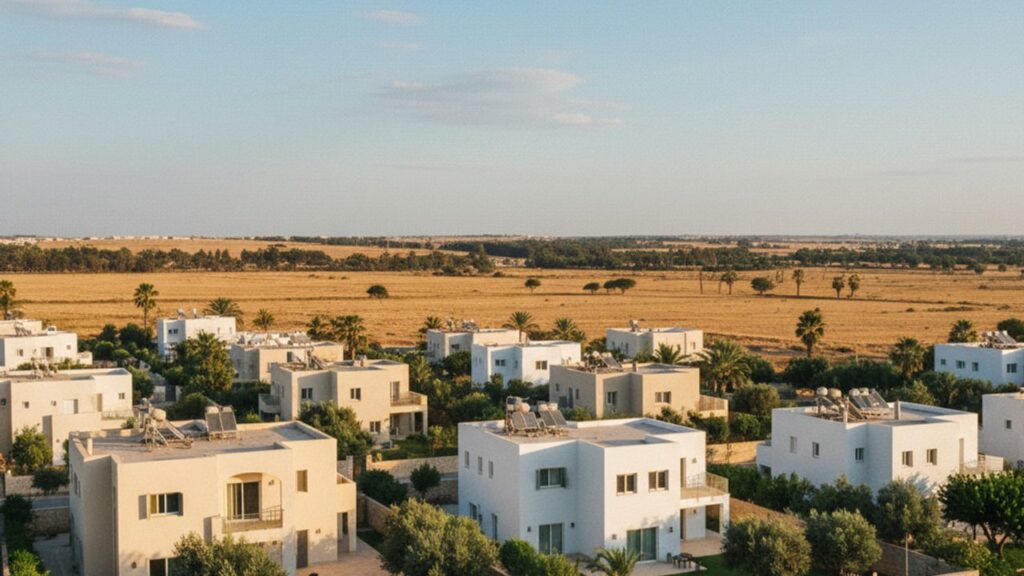

Lehavim is a small planned town in southern Israel that combines suburban living with access to a nearby regional hub. This guide outlines what residents can expect from daily life, transport links, education and nearby nature.
Lehavim at a Glance
City: Lehavim • Country: Israel • District: Southern District • Population: 7219 • Area: 11.2 • Nearest major city: Be’er Sheva • Distance: 14 • Main transport connection: Road 40 with access to Highway 6, and the Lehavim-Rahat Israel Railways station • Known for: Planned, relatively affluent suburb of Be’er Sheva with predominantly single-family housing; proximity to the Lehavim-Rahat railway station; local environmental projects such as wastewater reuse for irrigation (reported in municipal profiles). • Historic origins: Name is biblical in origin; no known ancient settlement at the modern site
Insider's Guide to Israel
and can't-miss places most tourists never find.

Where Is Lehavim?
Lehavim lies in the Southern District on the northern edge of the Negev, roughly 14 kilometres north of Be’er Sheva. The town occupies a position at the foothills locally known as the Lehav hills (Givat Lehav) and is set on lower Negev terrain rather than the deeper desert further south.
Neighbouring towns and regional centres are close by, including Rahat, Omer and Meitar. Lehavim is a low-density suburban community with local roads linking into Road 40 and onward to the national road network.
History of Lehavim
Lehavim is a modern town whose development was planned and implemented in the late 20th century. Planning and initial construction took place in the 1980s; municipal records indicate formal recognition followed later in that decade.
The town’s name comes from a biblical reference but there is no evidence of an ancient settlement at the precise site of the modern town. Local history is therefore focused on its modern foundation and development rather than a layered archaeological past.
Key periods
Biblical/name-origin: the name is biblical in origin though it does not indicate habitation on the modern site.
Modern establishment and development (1980s): planning and early construction that created the modern settlement.
Municipal status and growth (late 1980s to present): formal recognition as a local council and subsequent population and infrastructure growth.
Lehavim Population
According to the Israel Central Bureau of Statistics (CBS), Lehavim had a population of 7,219 in 2022. The town is small in absolute terms and functions as a suburban satellite within the Be’er Sheva region.
Since its establishment in the 1980s Lehavim’s population has increased as housing and local infrastructure were added. The town’s size places it among smaller local councils in the Southern District rather than a large urban centre.
What Is It Like to Live in Lehavim?
Lehavim is primarily a low-density, family-focused suburb with an emphasis on single-family homes and private gardens. The overall pace is quieter than in larger cities, and local planning favours residential comfort and green spaces.
Local infrastructure and services cover everyday needs; residents commonly access a wider range of shopping and cultural options in Be’er Sheva. Transport options include regional and intercity buses and services at the nearby Lehavim-Rahat railway station operated by Israel Railways, which provide links for commuting and regional travel. Journey times by public transport vary with service patterns and time of day.
The town has invested in environmental initiatives reported by municipal sources, including wastewater treatment used for irrigating public green spaces, and planted forest projects on nearby slopes. Outdoor access is a regular feature of life in Lehavim, with planted hills and seasonal wildflowers offering local recreation.
Areas and Neighbourhoods in Lehavim
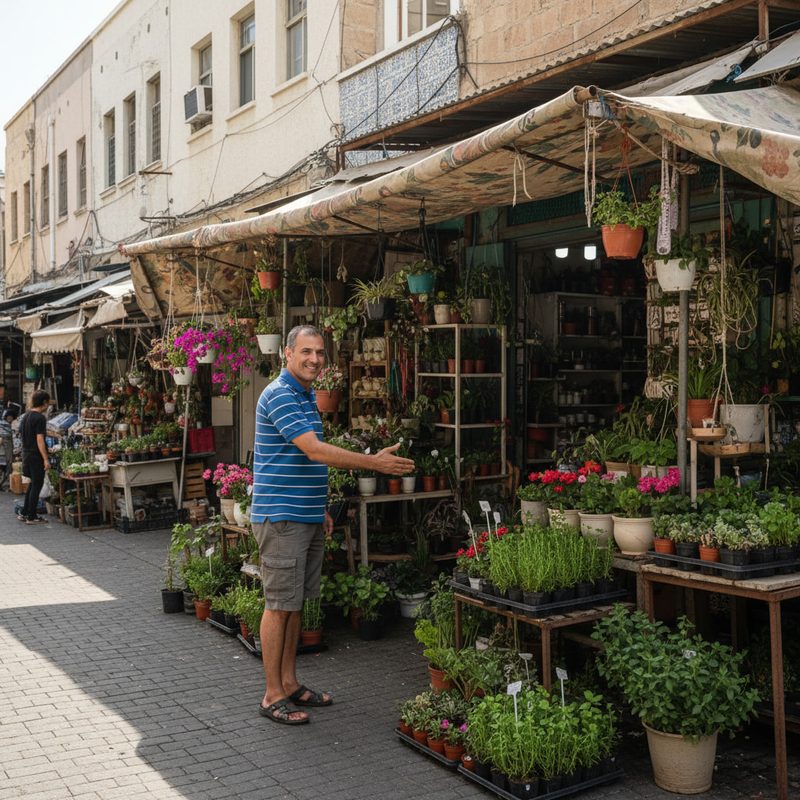
Lehavim was planned with identifiable sectors and a low-density residential pattern. Neighbourhoods are organised around central amenities, green spaces and local streets.
Central (HaMerkaz)
Location and character: The central area is the community’s administrative and service core, where municipal facilities and local commerce are concentrated.
Housing and transport: Dwellings are closer together here than in peripheral sectors but remain predominantly low-rise and family-focused. The central area has the best access to local bus routes and a short drive to the Lehavim-Rahat station.
Best for: Residents who prioritise proximity to services and short local journeys.
Sharunit (שרונית)
Location and character: Sharunit is a residential sector within the town’s planned layout with a quiet neighbourhood feel.
Housing and transport: The area is characterised by single-family homes and gardens with local street access; residents typically use cars for regional journeys but have bus options nearby.
Best for: Households seeking a quieter residential environment with family-sized accommodation.
The Fan (HaManifa / המניפה)
Location and character: This sector follows the town’s suburban plan and borders planted green spaces and the foothills.
Housing and transport: The Fan area emphasises detached housing and green buffers; it is convenient for those wanting easy access to outdoor spaces while remaining within the town fabric.
Best for: People who value proximity to nature, outdoor walks and a lower-density layout.
Education in Lehavim
According to official profiles (CBS and municipal sources), one primary school in Lehavim is recorded with 22 classes and about 643 students. For secondary education, students commonly attend regional schools outside the town; nearby institutions such as the Eshel HaNasi youth village serve older students in the region.
Higher education is not located within Lehavim itself; older students typically travel to larger regional centres for college or university study. Local educational provision is oriented around family needs and links into the broader regional school network.
Transport and Connectivity
Lehavim has both road and rail links. Road 40 runs through the area and connects with Highway 6 for longer-distance travel. By car, Tel Aviv is roughly 95 km by the main roads; driving time varies with traffic and route choice.
Insider's Guide to Israel
and can't-miss places most tourists never find.
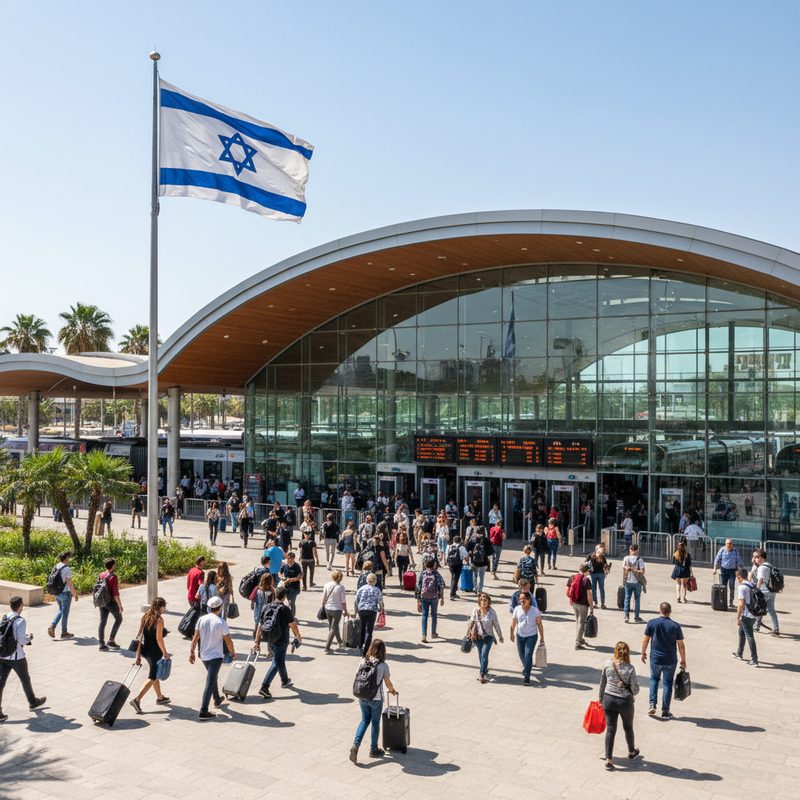
Israel Railways operates services at the Lehavim-Rahat railway station with direct trains to major centres including Tel Aviv; journey times depend on the service and time of day. The town is also served by regional and intercity buses; operators include Metropoline and Egged, which provide connections to Be’er Sheva, the rail station and surrounding towns.
The nearest major airport is Ben Gurion Airport, around 95 km away by road. While local travel within Lehavim is convenient by car, some households use public transport for commuting; many residents still rely on private vehicles for day-to-day mobility.
Nature and Outdoor Spaces
Lehavim sits at the foothills of the Lehav hills and has nearby planted forest projects that contribute to local green space. The municipal wastewater treatment facility supports irrigation for public landscaping, maintaining parks and planted areas.
East of the town there is a seasonal wildflower and anemone bloom area that becomes a local attraction in the spring bloom season. These natural features make the locality appealing to residents who value accessible outdoor recreation and seasonal nature events.

Amenities and Things to Do in Lehavim
Local amenities cover the basics for daily life: small-scale shopping, neighbourhood services and community facilities clustered around the town centre. For a wider range of shops, restaurants and cultural venues, residents commonly travel to Be’er Sheva.
Healthcare and sport are provided through local clinics and municipal recreational spaces, while larger medical or specialist services are accessed in the regional hub. The nearby Idan HaNegev industrial area provides employment and light-industrial connections for the town.
Notable local points include the Lehavim-Rahat railway station for regional travel, the municipal wastewater treatment facility which supports public irrigation, and the seasonal anemone/wildflower viewing area east of the town for outdoor visits.

Cities and Towns Near Lehavim
Several towns and small cities lie within a short drive of Lehavim, placing it within a compact regional network around Be’er Sheva. These neighbours offer complementary services, employment and cultural ties.
Nearby cities and towns: Rahat — 9.1 km, approx. 20 min; Be’er Sheva — 14 km, approx. 20 min; Omer — 12.1 km, approx. 18 min; Meitar — 20 km, approx. 25 min.
Advantages of Living in Lehavim
Planned suburban layout: The town’s design favours low-density housing, private gardens and family-friendly streets.
Regional links: The Lehavim-Rahat railway station plus Road 40 and access to Highway 6 make commuting feasible to larger employment centres.
Access to nature: Planted forest projects, foothills and seasonal wildflower areas provide regular outdoor options.
Community focus: Local amenities, primary schooling and a quieter pace of life make the town attractive to families and long-term residents.
Environmental initiatives: Municipal wastewater treatment and reuse for irrigation support green public spaces and local sustainability efforts (reported in municipal profiles).
Things to Consider Before Moving to Lehavim
Limited local amenities: While basic services are available, residents may need to travel to Be’er Sheva for a wider selection of shops, specialist healthcare and cultural activities.
Transport reliance: Although rail and bus links exist, many households rely on private cars for daily mobility, especially for flexible commuting or accessing services outside peak public-transport schedules.
Relative property costs: The town has a relatively affluent profile and property prices are often higher than in some neighbouring communities; prospective buyers should review local market listings and consult agents.
Who Is Lehavim Best For?
Families
Lehavim suits families seeking a safe, low-density environment with local primary schooling and community services close to home.
Commuters
Commuters benefit from the Lehavim-Rahat rail station and road links to Be’er Sheva and destinations further afield, making daily travel feasible to regional employment centres.
Young Professionals
Young professionals who value space, quieter residential streets and reasonable commutes to larger cities can find Lehavim appealing, particularly if they work in Be’er Sheva or use rail links.
Retirees
Retirees attracted to a tranquil suburban lifestyle with access to parks and local services may find Lehavim comfortable, while still able to reach larger medical and cultural facilities in the regional centre.
