
Ra’anana Area Guide
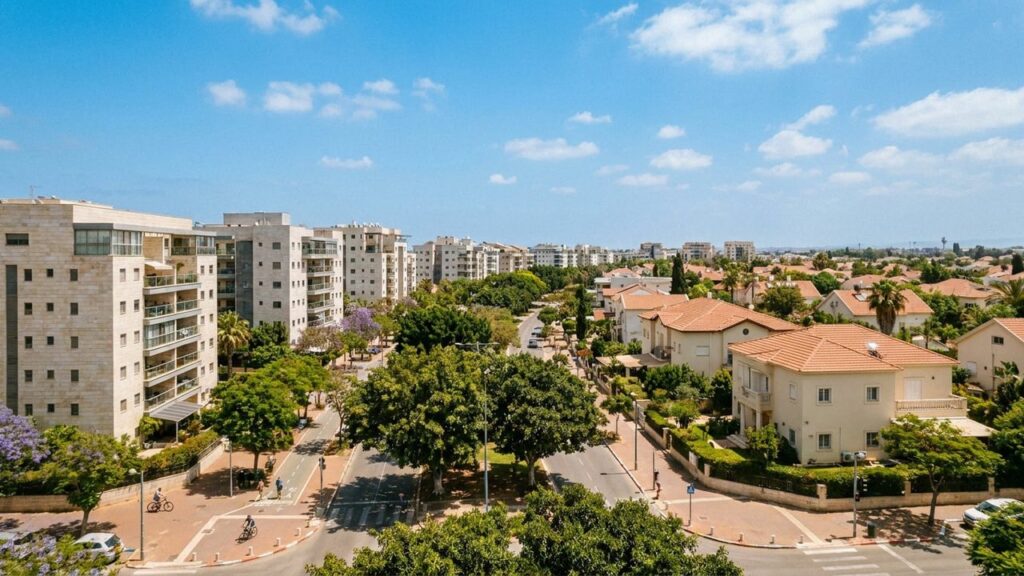

Ra’anana is a leafy, largely suburban city in the Central District of Israel with close ties to the Tel Aviv metropolitan area. This guide outlines the city’s history, practical living details, neighbourhoods, transport links and amenities to help you decide if it fits your needs.
Ra’anana at a Glance
City: Ra’anana • Country: Israel • District: Central District • Population: 83147 • Area: 14.9 km² • Nearest major city: Tel Aviv • Distance: approximately 20 km • Main transport connection: Road (Route 4 and Highway 531), Israel Railways service (Ra’anana South/West) and a dense bus network (Metropoline, Egged, others) • Known for: Affluent, leafy suburb noted for parks (Ra’anana Park), an active Anglo/immigrant community and a significant high‑tech / business park presence • Historic origins: Founded as a pre-state Zionist settlement on April 2, 1922; the site lies on the Sharon plain and was historically part of the Forest of Sharon
Insider's Guide to Israel
and can't-miss places most tourists never find.

Where Is Ra’anana?
Ra’anana sits on the Sharon plain in Israel’s Central District, part of the greater Tel Aviv metropolitan area. It occupies a compact footprint of roughly 14.9 square kilometres on largely flat terrain.
The city borders a number of other suburban municipalities and towns to the east, north and west, creating a continuous populated belt north of Tel Aviv. Tel Aviv is the nearest major city, about 20 kilometres to the south by road.
Its geographic setting on the Sharon plain means Ra’anana is close to both urban centres and the open, agricultural plains that historically characterised the area.
History of Ra’anana
The modern town of Ra’anana was founded on April 2, 1922 as Ahuza A – New York, one of the pre-state Zionist settlements established during the British Mandate period. The city’s formal development continued through the Mandate era into the State of Israel period after 1948.
Before modern settlement, the site lay within the Forest of Sharon (al‑Ghāba), an open woodland dominated by Mount Tabor oak that local communities used for pasture, firewood and intermittent cultivation. Much of that oak woodland was cleared in the 19th century as agricultural settlement and land use intensified.
Throughout the Ottoman period and the British Mandate period, the area transitioned from sparsely wooded landscape to structured agricultural and residential settlement, culminating in the establishment and growth of the modern municipality through the 20th century.
Ra’anana Population
As of 2023, Ra’anana’s population is 83,147. The city has grown steadily since its founding and today is a mid-sized municipality within the Central District.
Population trends over recent decades reflect Ra’anana’s role as a suburban centre serving families, professionals and immigrants, supported by municipal services and proximity to employment centres in the Tel Aviv metropolitan area.
Relative to neighbouring cities and towns, Ra’anana is large enough to sustain a wide range of services and amenities while remaining smaller than the major urban cores of Tel Aviv and Petah Tikva.
What Is It Like to Live in Ra’anana?
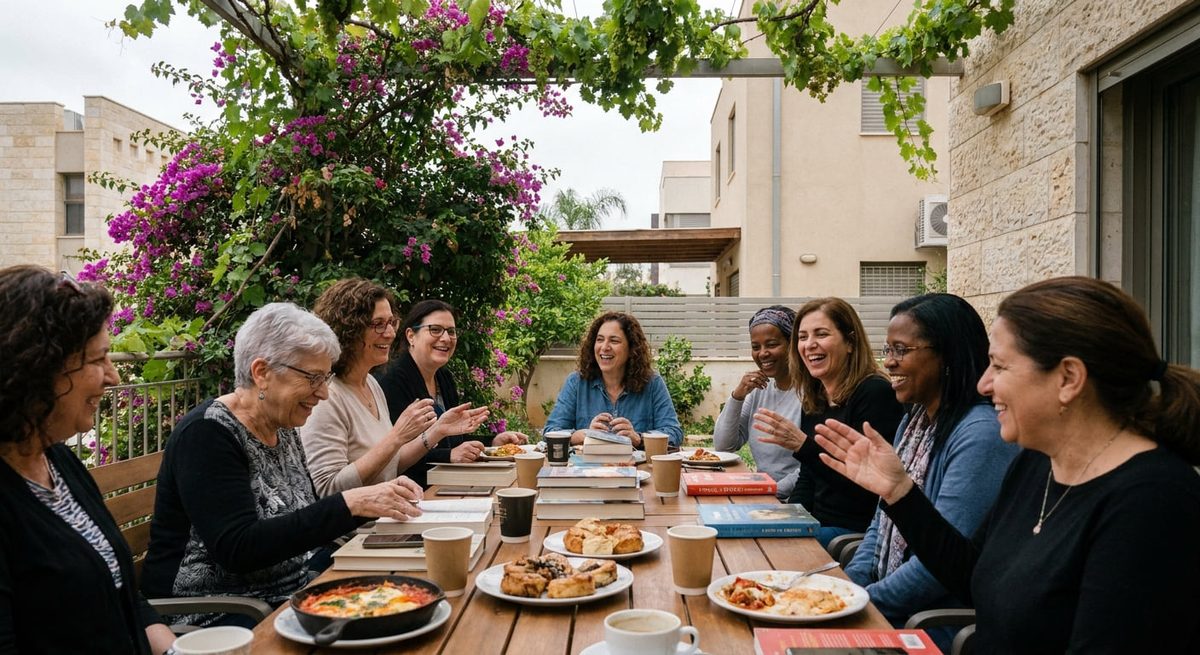
Living in Ra’anana offers a suburban pace with a strong community feel: residential streets, parks and family-orientated amenities are common, alongside local shopping and cultural facilities. The city is described in local sources as providing relaxed, low-density living with access to urban services.
Infrastructure and services are well developed, with a municipal school network, local healthcare provision and community programs. The presence of an Anglo/immigrant community contributes to cultural and language diversity in everyday life.
Transport connections give residents reliable access to Tel Aviv and other employment hubs; many people combine local living with work or leisure in the wider metropolitan region. Access to parks and outdoor spaces is a notable part of daily life for those who value green space.
Ra’anana suits people who want more space and greenery than a central city offers but still rely on metropolitan employment markets and services. It can also appeal to remote workers, families seeking local schools, and those who prioritize a quieter residential environment.
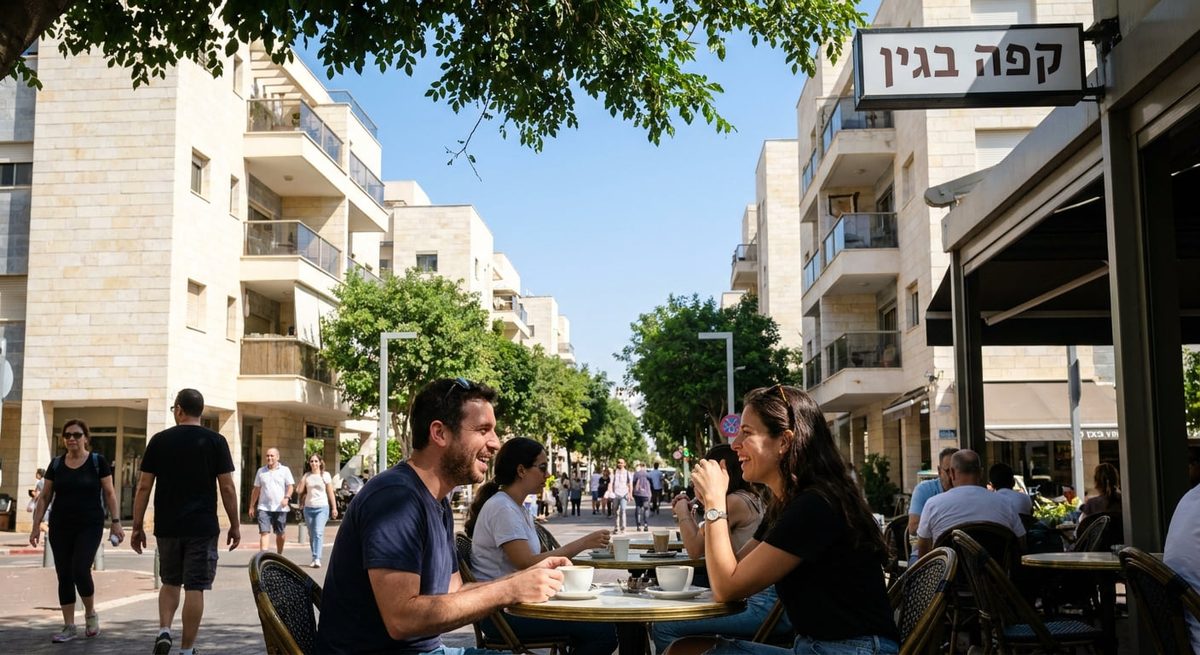
Areas and Neighbourhoods in Ra’anana
Ra’anana is composed of a number of identifiable neighbourhoods, each with its own character. Below are the city’s commonly referenced residential areas and what to expect in each.
Ahuza (city centre)
Location and character: Ahuza is the city centre and historic core where municipal services, shops and cultural venues are concentrated. It functions as the civic and commercial heart of Ra’anana.
Housing and transport: The area features a mix of apartment buildings and local retail; it benefits from good bus access and relatively short drives to the main road links. It suits those who prefer proximity to shops, cultural facilities and public services.
Who it suits: Singles, small families and residents who want walkable access to amenities and municipal institutions.
Neve Zemer
Location and character: Neve Zemer is a residential neighbourhood with family-oriented streets and local green spaces. It represents the quieter, community-focused side of the city.
Housing and transport: Mostly low- to mid-rise housing with local bus connections; convenient for residents seeking suburban calm without being far from the centre.
Who it suits: Families and those looking for a residential neighbourhood with a community atmosphere.
Kiryat Sharet
Location and character: Kiryat Sharet is one of Ra’anana’s residential quarters with established housing stock and neighbourhood amenities.
Housing and transport: Characterised by residential streets and local facilities, it is accessible by the city’s bus network and local roads.
Who it suits: Long-term residents and families seeking a stable, well-served neighbourhood.
Kiryat Golomb
Location and character: Kiryat Golomb is a neighbourhood known for its residential setting and community services. It is part of the city’s mosaic of mid-sized residential districts.
Housing and transport: The area includes low- to mid-rise homes and benefits from municipal services and bus links into Ra’anana’s centre and beyond.
Who it suits: Residents who value established neighbourhoods with local amenities.
Kiryat Ben Zvi (Rasko)
Location and character: Kiryat Ben Zvi, also known locally as Rasko, is another residential district offering quiet streets and proximity to parks.
Housing and transport: Predominantly residential properties with convenient access to local schools and community centres via local roads and public transport.
Who it suits: Families and those seeking access to green spaces within a suburban neighbourhood.
Lester / Neot (southern neighborhoods)
Location and character: The southern neighbourhoods, sometimes referenced as Lester or Neot, combine residential streets with nearby shopping and services. Source materials identify southern parts of Ra’anana as offering good value and growth potential.
Housing and transport: These areas typically offer a range of housing types and ready access to road links and bus services; they are practical for people prioritising affordability and access to city amenities.
Who it suits: Buyers and renters seeking practical family housing and those looking for relatively faster value growth.
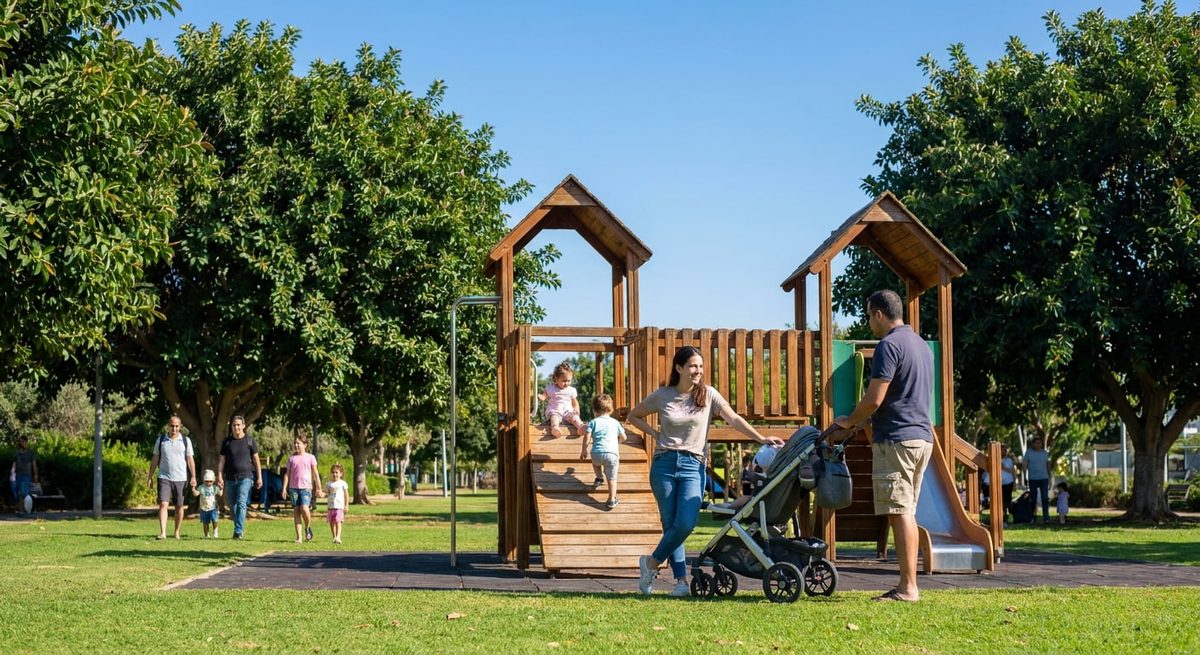
Education in Ra’anana
Ra’anana has a well-developed municipal school network serving preschool, primary and secondary students alongside numerous local educational programs. Families generally find a comprehensive range of options within the city.
The city hosts a campus of the Open University of Israel and Ra’anana College, which provide adult and higher-education possibilities without requiring travel into central Tel Aviv for some courses and programs.
Insider's Guide to Israel
and can't-miss places most tourists never find.
For full university degree programs or specialised faculties, students commonly travel to institutions in Tel Aviv and other nearby cities, taking advantage of the region’s transport links.
Transport and Connectivity
Ra’anana’s main transport connections combine road and rail with a dense bus network. Major roads serving the city include Route 4 and Highway 531, offering direct driving routes into the Tel Aviv region.
Rail services are available via Ra’anana South and Ra’anana West stations. Israel Railways operates services through Herzliya to Tel Aviv with a typical journey time of approximately 30–40 minutes to Tel Aviv depending on route and transfers.
A range of local and intercity bus operators (including Metropoline and Egged) provide frequent services to Tel Aviv and to Ben Gurion Airport, with several direct and regular lines serving commuters and travellers.
Ben Gurion Airport is approximately 33 kilometres away by road. Driving times to central Tel Aviv are typically around 20–25 minutes (approximately 20 km) depending on traffic. While local trips and errands can often be completed without a car, many households find a private vehicle convenient for regional travel and commuting.
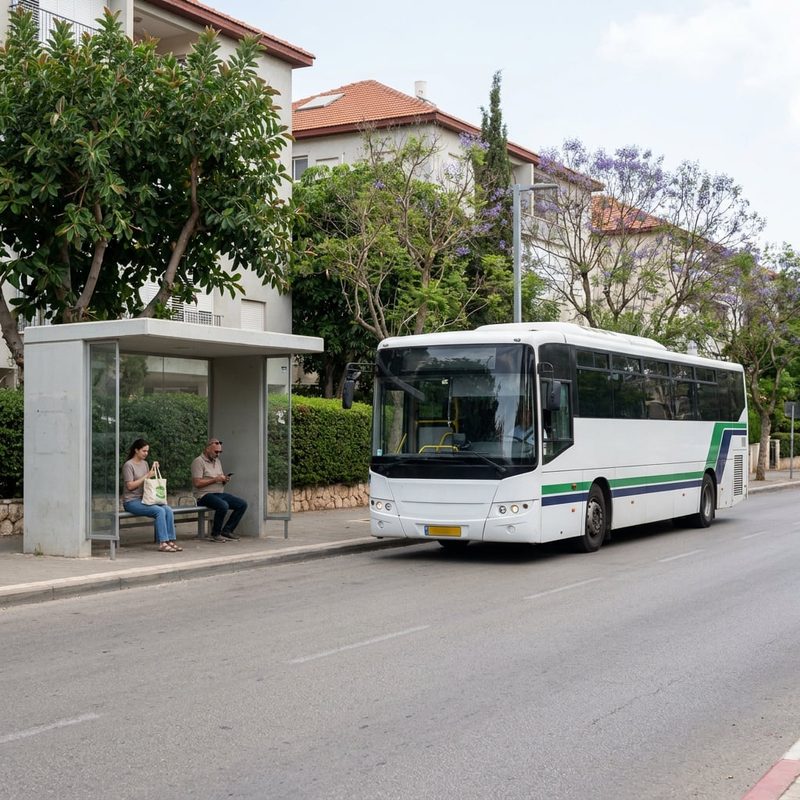
Nature and Outdoor Spaces
Ra’anana is noted for its green, park-rich environment. Ra’anana Park is the city’s most significant public open space and a focal point for recreation, walking and community events.
The city’s location on the Sharon plain means easy access to the wider lowland landscape that historically featured expansive oak woodland before 19th-century clearing. Local municipal planning has preserved and developed a network of parks and tree-lined streets.
Outdoor life in Ra’anana frequently revolves around family outings, sports in municipal parks, and leisure activities at the amphitheatre and other outdoor venues.

Amenities and Things to Do in Ra’anana
Shopping and daily needs are handled by neighbourhood shops, the Renanim shopping and business area, and retail streets in the city centre that provide groceries, services and restaurants. Renanim also hosts a business park and light industrial presence.
Cultural life is supported by venues such as the Ra’anana Cultural Center and the Founders Museum (Hadar Rishonim), which illuminate local history. The Ra’anana Park Amphitheatre is a regular site for performances and community gatherings.
Healthcare is provided through local clinics and municipal health services, with larger hospitals and specialist care accessible in nearby cities. Sports facilities, community centres and playgrounds support an active local lifestyle.
Dining and cafes are concentrated in the centre and around major shopping streets; community markets and events supplement weekly leisure options for residents.
Cities and Towns Near Ra’anana
Ra’anana is surrounded by several neighbouring cities and towns that form part of the same urban corridor north of Tel Aviv, providing additional shopping, employment and educational choices within a short drive or bus trip.
Nearby cities and towns: Kfar Saba — 3.3 km, approx. 8 min; Hod HaSharon — 3.3 km, approx. 10 min; Herzliya — 5 km, approx. 10 min; Petah Tikva — 11 km, approx. 13 min.
Advantages of Living in Ra’anana
Green, family-friendly environment: The city offers parks, tree-lined streets and open spaces that support outdoor family life.
Proximity to Tel Aviv: With road and rail links, commuting to Tel Aviv and other employment centres is straightforward.
Strong local services: Municipal schools, cultural venues and healthcare provision make it practical for families and long-term residents.
Diverse housing options: A range of apartment and house types supports different household sizes and life stages.
Active business presence: The Renanim business and industrial area and the broader high‑tech/business park presence create local employment and convenience.
Things to Consider Before Moving to Ra’anana
Property prices can be higher than in more distant suburbs, reflecting Ra’anana’s desirability and proximity to Tel Aviv. Some parts of the city are noted for stronger price levels than others.
Local nightlife and late‑night entertainment options are more limited than in central Tel Aviv; residents seeking a busy nightlife scene typically travel into the city.
Dependence on regional centres: For specialised services, major hospitals or some cultural institutions, residents commonly travel to nearby larger cities.
Traffic can affect commuting times during peak hours, particularly on the main arterial roads toward Tel Aviv.
Who Is Ra’anana Best For?
Families
Ra’anana is well suited to families seeking strong municipal schools, parks and a stable community environment.
Commuters
Commuters who work in Tel Aviv or neighbouring employment hubs benefit from road links, bus services and rail options.
Young Professionals
Young professionals who value proximity to high‑tech and business parks, plus convenient access to Tel Aviv, will find Ra’anana practical.
Students
Students can take advantage of Ra’anana College and the Open University campus for local study options, and travel to larger universities in the metropolitan area as needed.
Retirees
Retirees who prioritise parks, quieter streets and local services will appreciate the city’s relaxed pace and community facilities.
