Rehovot Area Guide
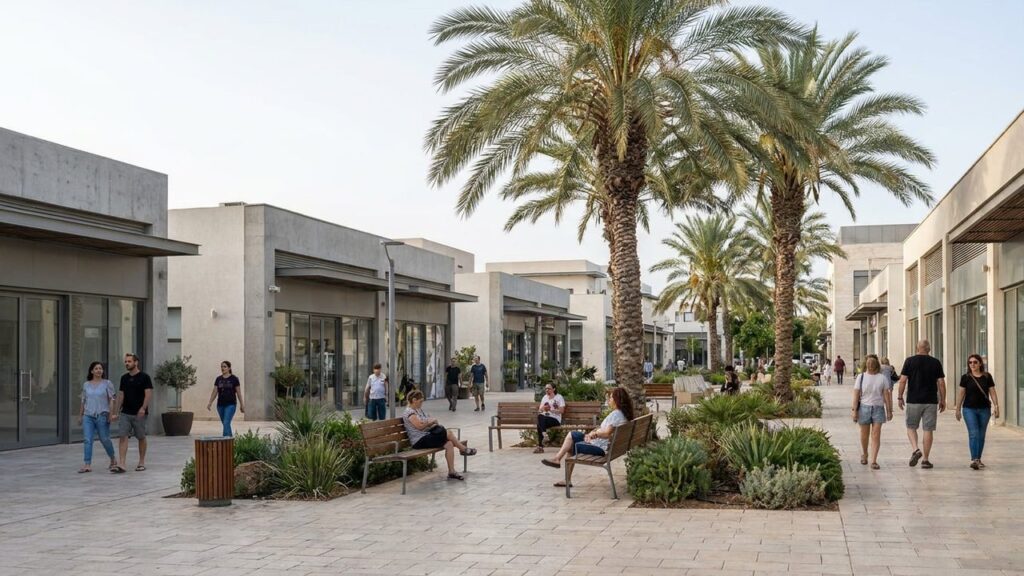

Rehovot is a mid-sized city in Israel that combines suburban living with notable scientific and agricultural research institutions. This guide outlines what living in Rehovot is like, from history and neighbourhoods to transport and local amenities.
Rehovot at a Glance
City: Rehovot • Country: Israel • District: Central • Population: 155049 • Area: 23.041 km² • Nearest major city: Tel Aviv • Distance: 20 km • Main transport connection: Rail (Rehovot railway station) combined with regional roads (Route 412 / Highway 4) and intercity bus connections • Known for: A centre of scientific and agricultural research (Weizmann Institute; nearby Agricultural Research Organization Volcani Center in Beit Dagan; the Robert H. Smith Faculty of Agriculture at Hebrew University in Rehovot), historic agricultural moshava origins and a regional science/tech park • Historic origins: Modern town founded as a moshava in 1890 close to antiquities at Khirbat Deiran with Hellenistic, Roman and Early Islamic period remains
Insider's Guide to Israel
and can't-miss places most tourists never find.

Where Is Rehovot?
Rehovot sits in Israel’s coastal plain within the Central District, roughly 20 kilometres south of Tel Aviv. The city is on generally flat, cultivated land rather than in hilly or mountainous terrain.
Neighbouring municipalities include Ness Ziona, Ramla and Rishon LeZion. Regional connections make Rehovot practical for commuters and local travel. The setting is largely suburban with pockets of institutional and industrial development around the science and technology park.
History of Rehovot
The modern town of Rehovot was founded in 1890 as a moshava during the late Ottoman period. That agricultural settlement is the origin of the city’s Old Moshava district.
Archaeological work in and around the town has uncovered remains from earlier eras. Excavations at sites near the modern city, including Khirbat Deiran, have revealed Hellenistic, Roman and Early Islamic period layers.
Rehovot developed through the British Mandate period and into the State of Israel, expanding from its moshava roots into a contemporary urban centre with institutional and residential growth driven in part by local research institutions.
Rehovot Population
As of 2024, Rehovot’s population is estimated at around 155,000, according to official estimates. This places the city in the range of a mid-sized municipality within the Central District.
Population growth over recent decades has reflected the city’s development as both a residential centre and a location for scientific and academic institutions; precise trend rates are not provided here.
What Is It Like to Live in Rehovot?
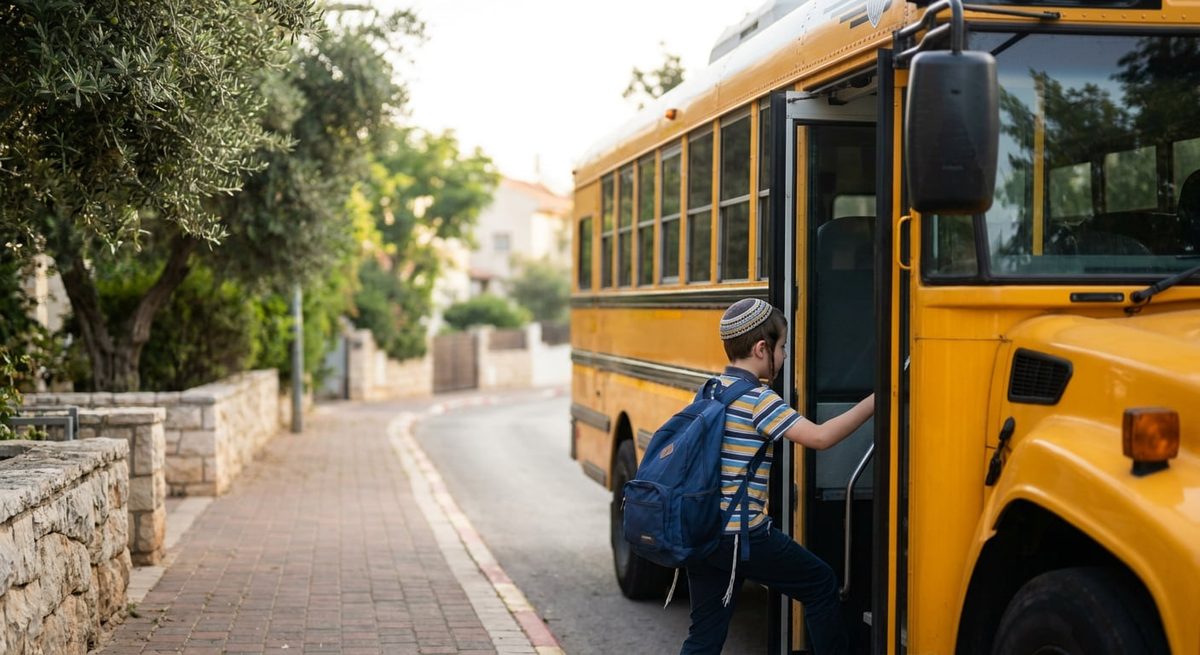
Daily life blends suburban calm with institutional activity. Residents benefit from municipal services, schools and local shops, while research centres give parts of the city an academic character.
The pace is generally quieter than the nearby metropolitan core, but practical transport links make commuting possible. Local parks and a community-oriented feel are common features.
Infrastructure supports families and long-term residents. Some specialised services and wider cultural offerings are concentrated in larger nearby cities, while Rehovot covers essential healthcare, education and retail for day-to-day living.
Areas and Neighbourhoods in Rehovot
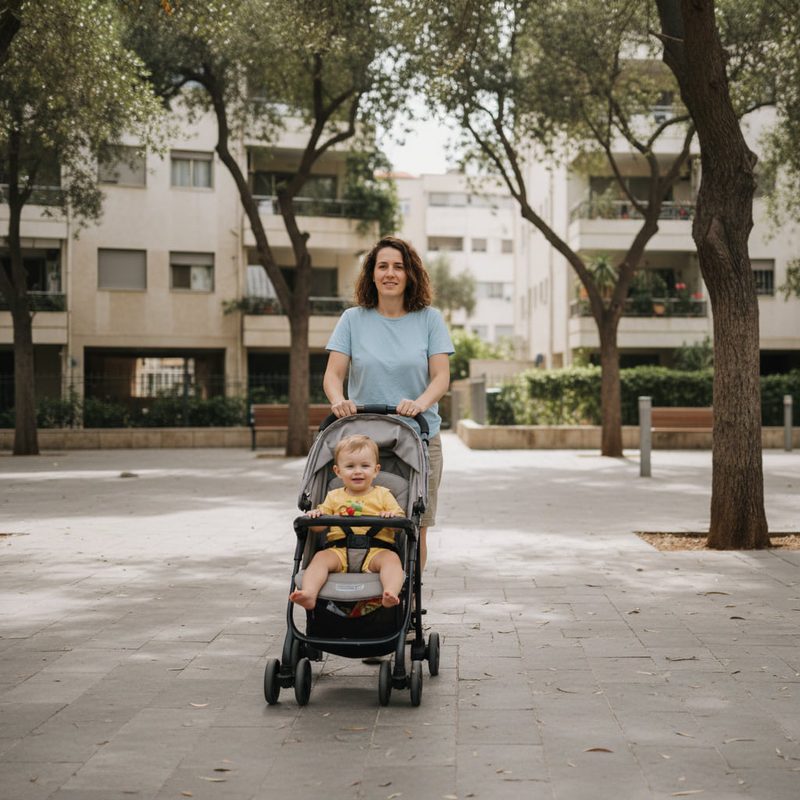
Rehovot contains a mix of historic quarters, residential neighbourhoods and an active science and technology area. The entries below describe well-known parts of the city and their general character.
The Moshava (Old Rehovot)
This is the historic core where the original agricultural settlement began. It is valued for older streets and the sense of the city’s origins.
Housing includes older buildings and small-scale residential plots; the area is within reach of central amenities and not far from the railway station for regional travel.
Appeals to residents who appreciate historic character and proximity to central municipal services.
Sha’arayim
A residential area with a suburban feel and access to local parks and services.
Family-oriented housing and municipal bus services provide reasonable links to the city centre.
Attractive to families and those seeking quieter residential streets while remaining connected to city facilities.
Marmorek
A residential neighbourhood offering practical access to schools and local shops.
Typical suburban housing with local transport connections to the central bus station and main roads.
Suited to households prioritising community amenities and straightforward commuting.
Ramat Aharon
A residential sector that forms part of Rehovot’s broader suburban fabric.
Housing tends to cater to families and long-term residents; public transport and road access support daily needs.
Good for people seeking established neighbourhoods with local services close at hand.
Kiryat Moshe
A community-focused residential area within Rehovot.
Family-oriented homes and local bus routes connect residents to nearby arterial roads and services.
Suits residents wanting practical access to schools and neighbourhood facilities.
Rehovot Science Park area
Centred on the city’s science and technology cluster, this area mixes institutional buildings, offices and tech-focused activity with nearby commercial amenities.
The science park adjoins research institutes and has convenient transport links for employees, including proximity to the railway station and main roads.
Ideal for researchers, professionals in science and tech, and those working at the Weizmann Institute or affiliated organisations.
Education in Rehovot
Rehovot is notable for its concentration of higher-education and research institutions. The Weizmann Institute of Science is based in the city.
The Agricultural Research Organization’s Volcani Center is located nearby in Beit Dagan, and the city hosts the Robert H. Smith Faculty of Agriculture, Food and Environment of the Hebrew University on its Rehovot campus.
Insider's Guide to Israel
and can't-miss places most tourists never find.
At municipal level there are numerous primary and secondary schools. The presence of higher-education and research institutions gives the city an academic emphasis and opportunities for study and employment in science and agriculture.
Transport and Connectivity
Rehovot is served by Rehovot railway station with regular Israel Railways services to Tel Aviv. Typical train travel time to central Tel Aviv is about 25 to 30 minutes.
Road connections to Tel Aviv run via Route 412 and Highway 4/Ayalon; driving times vary with traffic and peak congestion can add substantial time.
A central bus station in Rehovot provides intercity lines operated by major carriers to nearby cities. Ben Gurion Airport is the nearest major airport; travel time depends on route and traffic.
For local errands, walking and cycling are possible in parts of the city, but many residents use a car for regional commuting and flexible schedules.
Nature and Outdoor Spaces
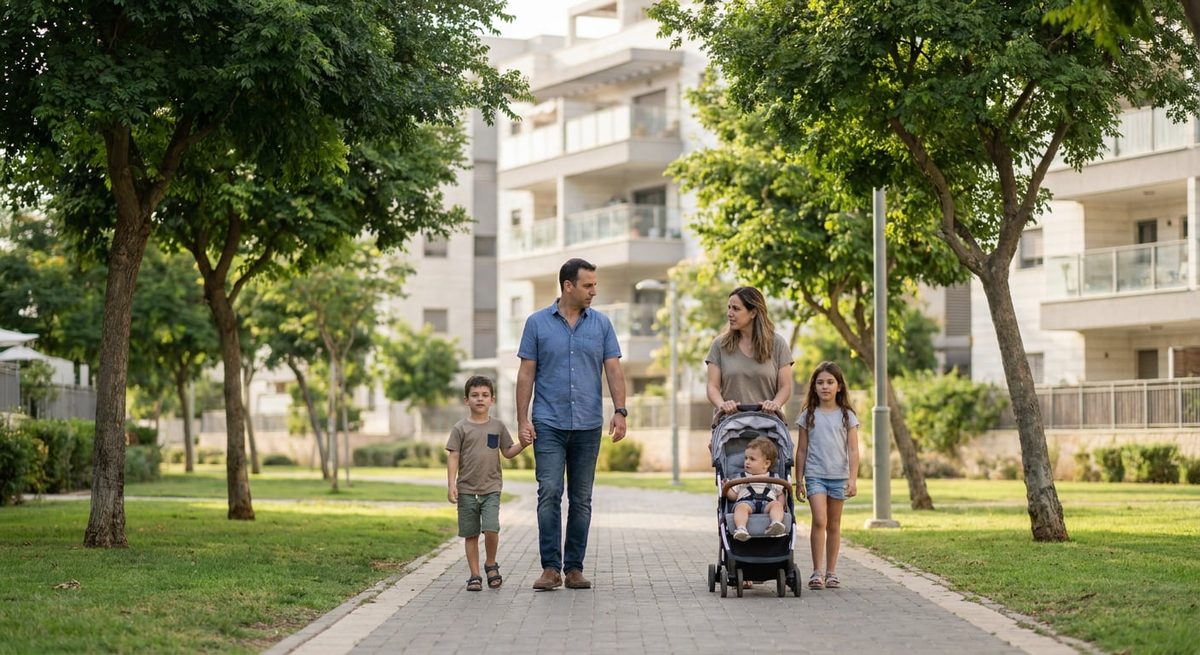
Rehovot lies on the coastal plain and contains urban parks and planted green spaces rather than dramatic natural elevation.
Municipal parks such as Gan HaMeyasdim (Founders’ Garden) and other local green areas provide places for walking, family time and informal exercise.
The wider landscape of the coastal plain includes cultivated land and agricultural fields, offering countryside outings within a short distance.
Amenities and Things to Do in Rehovot
Key institutions include the Weizmann Institute of Science, the Agricultural Research Organization Volcani Center (based in nearby Beit Dagan), the Robert H. Smith Faculty of Agriculture at Hebrew University in Rehovot, and the Rehovot Science Park area. These organisations host lectures, events and occasional public activities tied to science and agriculture.
For everyday needs the city has shopping areas, restaurants and municipal healthcare services. The central bus station and the railway station are local transport hubs.
Cultural and leisure offerings are supported by parks and community facilities; for a wider range of entertainment and specialised shopping, residents often travel to larger nearby cities.
Cities and Towns Near Rehovot
Rehovot is surrounded by nearby municipalities that residents commonly visit for work, services or leisure. These neighbouring cities form part of the Central District urban network.
Nearby cities and towns: Ness Ziona — 5 km, approx. 14 min; Ramla — 6 km, approx. 12 min; Rishon LeZion — 9 km, approx. 18 min; Modi’in-Maccabim-Re’ut — 25 km, approx. 25 min; Ashdod — 17 km, approx. 30 min.
Advantages of Living in Rehovot
Proximity to Tel Aviv: Around 20 kilometres from Tel Aviv, Rehovot offers access to the metropolitan job market while providing more suburban space.
Strong research and education presence: The Weizmann Institute and the Hebrew University faculty campus create local employment and educational opportunities in science and agriculture; the nearby Volcani Center in Beit Dagan is another regional research presence.
Green spaces and suburban character: The city provides parks and a quieter pace than central urban cores, which many families and long-term residents value.
Good rail and road links: Regular rail services and main road connections make commuting to Tel Aviv and other centres practical for many residents.
Community services: A range of municipal services, schools and local healthcare make Rehovot suitable for family life and long-term residence.
Things to Consider Before Moving to Rehovot
Entertainment and specialised services: While Rehovot covers everyday needs well, some residents travel to larger nearby cities for a wider range of cultural and nightlife options.
Transport during peak hours: Road travel times to Tel Aviv can increase significantly in peak periods; rail services are regular but commuters should plan around peak flows.
Property market and availability: Inventory can vary and certain property types may be in demand; those moving here for specific housing needs should allow time to find the right fit.
Who Is Rehovot Best For?
Families
Rehovot suits families seeking neighbourhoods with schools, parks and community services within a suburban setting.
Commuters
Commuters benefit from the railway station and road links to Tel Aviv, making daily travel to the metropolitan area practical for many.
Young Professionals
Young professionals, particularly those in science and tech, may find employment opportunities in the city’s research institutes and science park.
Students
Students and early-career researchers are drawn by the presence of the Weizmann Institute and the Hebrew University’s agriculture faculty campus.
Retirees
Retirees who prefer a quieter suburban environment with access to parks and local services may find Rehovot a comfortable place to live.
