
The Story of Israel’s Twelve Tribes

The twelve tribes of Israel hold a significant place in history, representing the descendants of Jacob’s sons and grandsons. According to Genesis 49, Jacob’s prophecies to his sons foretold their future roles and territories.
These groups play a pivotal role in the narratives of the Hebrew Bible and later Jewish history. For instance, the Book of Joshua details how the land of Canaan was divided among them.
This article delves into their history, cultural impact, and eventual division into separate kingdoms.
The prophecies Jacob gave to his sons were prophetic, outlining the characteristics and destinies of each group. For instance, Judah was promised leadership, while Joseph received a double portion of inheritance through his sons, Ephraim and Manasseh (Genesis 48:5-6).
These prophecies set the stage for their roles in Israel’s history, influencing their interactions and alliances. Understanding these foundational stories helps us appreciate the complex tapestry of biblical narratives and their lasting impact on Jewish identity.
Origins of the Twelve Tribes
The story of the twelve tribes of Israel begins with Jacob, also known as Israel, who had twelve sons from whom these groups descended. In Genesis 35:23-26, we find the names of these sons: Reuben, Simeon, Levi, Judah, Dan, Naphtali, Gad, Asher, Issachar, Zebulun, Joseph, and Benjamin.
Each son became the progenitor of a group, playing various roles throughout biblical events. They settled in different parts of Canaan, each contributing to the development of ancient Israel. For instance, Judah settled in the southern region, known for its fertile land.
The tribe of Levi was unique in that it did not receive a territorial inheritance. Instead, the Levites were given cities scattered throughout the other groups’ territories and were responsible for religious duties (Numbers 35:1-8).
The diversity of their roles and locations helped create a rich tapestry of culture and tradition within ancient Israel. This distribution allowed for a balance of power and resources, fostering a sense of unity while respecting each group’s distinct identity.
Historical Significance
These groups were not just familial divisions but also played crucial roles in the socio-political structure of ancient Israel. In Joshua 13-19, the land was allocated among them, forming the basis of their territorial divisions.
This allocation was essential for establishing the identity and governance of the nation. Each group had unique characteristics and responsibilities within the larger community of Israel. For instance, the tribe of Levi was set apart for religious duties, as described in Numbers 18:20-24.
The tribe of Judah was known for leadership and strength (Genesis 49:8-12). These roles were not merely symbolic but influenced their interactions and alliances. The division of land and responsibilities helped maintain order and unity among them, despite their differences.
This system allowed them to function both as individual entities and as a unified nation, contributing to their resilience and survival amid external threats.
Division into Kingdoms
The united monarchy under Saul, David, and Solomon eventually fractured into two separate kingdoms. This division was the result of political strife and differing priorities among the groups.
According to 1 Kings 11-12, Solomon’s rule ended, leading to Rehoboam’s ascension and the rebellion led by Jeroboam. This resulted in a northern kingdom, Israel, and a southern kingdom, Judah, each claiming allegiance from different groups. The tribes of Judah and Benjamin remained loyal to Rehoboam, forming the core of the southern kingdom.
The northern kingdom, under Jeroboam, included the other ten tribes. This split was not only political but also religious, as Jeroboam established alternative worship centers in Bethel and Dan (1 Kings 12:28-30).
These centers were meant to prevent the northern tribes from traveling to Jerusalem in Judah for religious festivals, highlighting the deep divisions that had formed. The separation had lasting effects on the cultural and religious practices of the people, shaping the history of the region.
The Northern Kingdom: Israel
The northern kingdom included ten tribes: Reuben, Simeon, Levi, Dan, Naphtali, Gad, Asher, Issachar, Zebulun, and Joseph. This kingdom faced numerous challenges, including idolatry and leadership conflicts.
In 722 BCE, the kingdom fell to the Assyrians, leading to the assimilation and loss of these tribes, often referred to as the Ten Lost Tribes. This event significantly impacted Jewish identity and lore, with these tribes holding a mysterious place in history. The Assyrian conquest is detailed in 2 Kings 17:6.
The loss of the northern tribes led to a shift in the demographic and cultural landscape of ancient Israel. These tribes’ disappearance has fueled many theories and legends about their fate, with some suggesting they migrated to distant lands.
The concept of the Ten Lost Tribes continues to intrigue scholars and laypeople alike, symbolizing the enduring mystery and resilience of the Jewish people. Their legacy is a reminder of the historical upheavals that have shaped Jewish identity over the centuries.
The Southern Kingdom: Judah
The southern kingdom was formed by the tribes of Judah and Benjamin. Centered around Jerusalem, it retained the Davidic line of kings and the Temple, as noted in 2 Samuel 7.
Despite external threats, Judah managed to survive longer than its northern counterpart. However, in 586 BCE, it was conquered by the Babylonians under Nebuchadnezzar, leading to exile and destruction of the Temple.
This event is chronicled in 2 Kings 25 and marked a significant turning point in Jewish history, influencing their cultural and religious identity.
Cultural and Religious Impact
The story of the twelve tribes continues to resonate in Jewish culture and religion. Each group had its unique symbol and banner, as described in Numbers 2, which contributed to their identity.
In Jewish liturgy and tradition, they symbolize a collective identity. The Yom Kippur service recalls the High Priest’s role in fostering unity, as detailed in Leviticus 16.
Similarly, the division among them serves as a cautionary tale about unity and faith, reminding us of the importance of harmony.
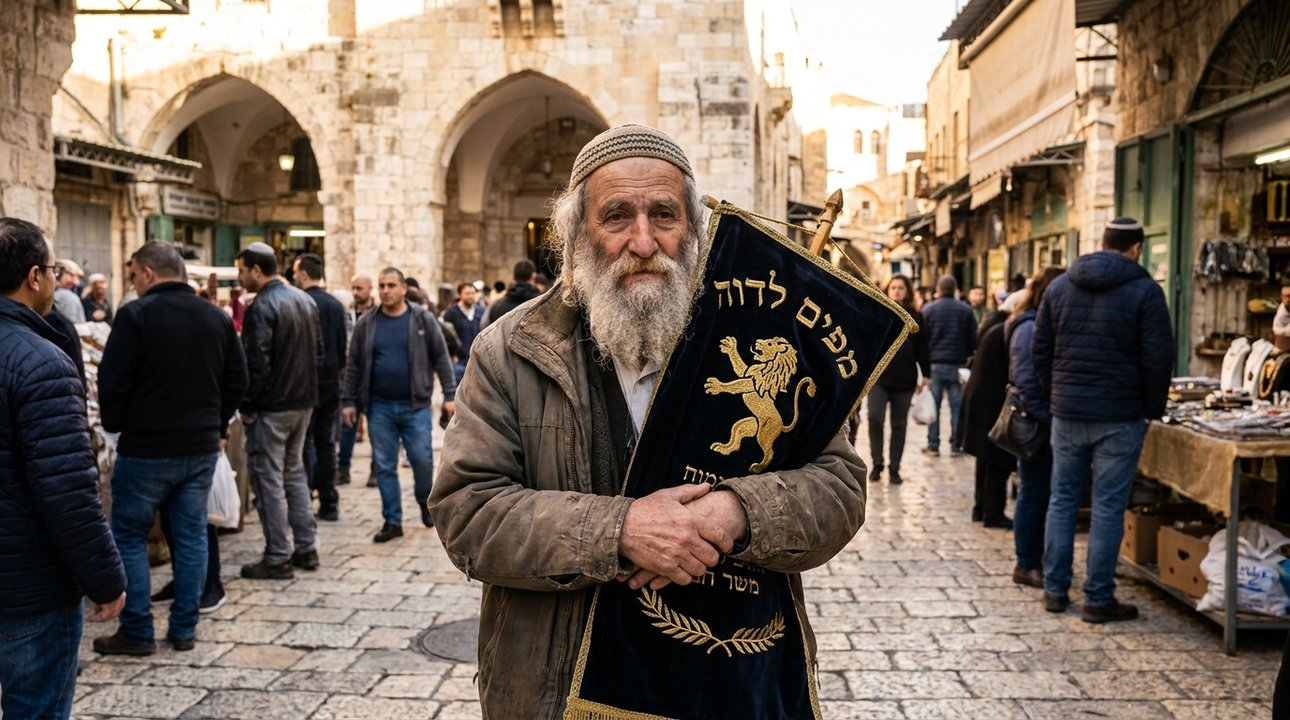
The symbols and banners of these groups were not only practical for organization but also carried deep cultural significance. For instance, Judah’s banner featured a lion, symbolizing strength and leadership (Genesis 49:9).
These symbols are still referenced in Jewish art and literature, serving as a connection to the past. The ongoing remembrance of them in religious practices highlights their enduring influence on Jewish identity and the importance of maintaining a sense of community and shared heritage.
Why Did the Tribes Split?
The split between the northern and southern kingdoms was driven by economic pressures, leadership disputes, and religious disagreements. Economic policies had imposed taxes and forced labor to support grand building projects, as described in 1 Kings 5.
Upon the death of a key leader, the northern tribes rejected Rehoboam’s leadership, leading to the establishment of two kingdoms. This division, detailed in 1 Kings 12, created a lasting impact on Jewish history and identity, shaping the political and spiritual landscape of the region.
The economic strain under Solomon’s rule was a significant factor in the division. The northern tribes felt marginalized and overburdened by the demands placed upon them.
Rehoboam’s refusal to lighten their load, as recounted in 1 Kings 12:13-14, exacerbated tensions, leading to their secession. This historical event serves as a reminder of the importance of wise leadership and the need to address the concerns of all community members to maintain unity.
Modern Interpretations
Today, the idea of the 12 tribes serves as a metaphor for Jewish unity and diversity. Despite their ancient divides, they embody the collective spiritual heritage of the Jewish people.
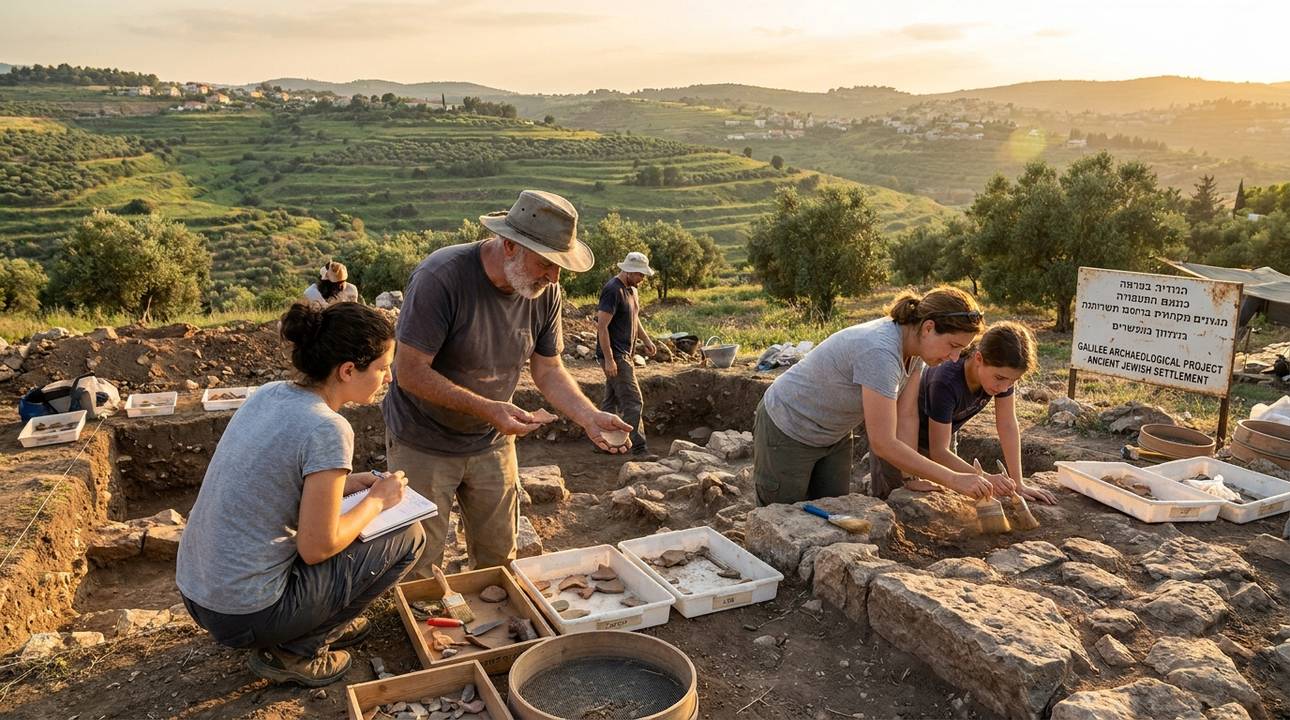
In modern Israel, initiatives to rediscover and preserve their heritage continue. For instance, archaeological projects in regions like the Galilee seek to uncover historical artifacts.
These efforts reflect a longing for connection to ancestral roots and cultural identity, fostering a deeper understanding of Jewish history and tradition.
Conclusion: The Legacy of the Tribes
The twelve tribes of Israel remain a central part of Jewish history and spirituality. Their stories of migration, settlement, and division offer lessons on leadership and community.
They continue to inspire Jewish identity and are woven into the cultural and religious fabric of the people. For instance, the Passover Haggadah mentions them as part of the Exodus narrative.
As symbols of faith and unity, their legacy endures in narratives of resilience and hope, reminding us of the enduring strength of the Jewish people.
Their journey from slavery in Egypt to settlement in Canaan is a testament to their resilience and determination. This journey is commemorated annually during Passover, reinforcing the themes of liberation and faith.
The enduring legacy of these groups is also reflected in modern Jewish communities, where the values of unity and perseverance are celebrated. Their stories continue to inspire and remind us of the importance of maintaining cultural heritage and identity through the generations.
Understanding the Tribes
