
Exploring Modern Day Samaria: History and Life Today

Samaria is a region rich in biblical history and modern significance. Today, it forms part of the central West Bank, holding great historical and cultural importance. This area, known in Hebrew as Shomron, is mentioned numerous times in the Bible, such as in 1 Kings 16:24, where King Omri bought the hill of Samaria and built a city.
This article explores what modern day Samaria looks like and who the modern day Samaritans are. We delve into the geographic and historical context, inviting you on a journey through time and space.
The historical significance of Samaria is further highlighted in passages like 2 Kings 17:5-6, where the Assyrian conquest led to the exile of its people. These events have left a lasting impact on the region, shaping its cultural and historical identity.
Today, Samaria continues to be a place of interest for historians and tourists alike, offering a unique blend of ancient history and modern life that captivates all who visit.
Samaria’s landscape is marked by its rolling hills and fertile valleys, making it a historically significant area for agriculture. The biblical city of Samaria, the capital of the northern kingdom of Israel, was a center of political and religious activity. As described in 2 Kings 17:5-6, it was conquered by the Assyrians, leading to the exile of its people.
Today, the region continues to be a place of cultural and religious significance, drawing interest from historians and tourists alike.
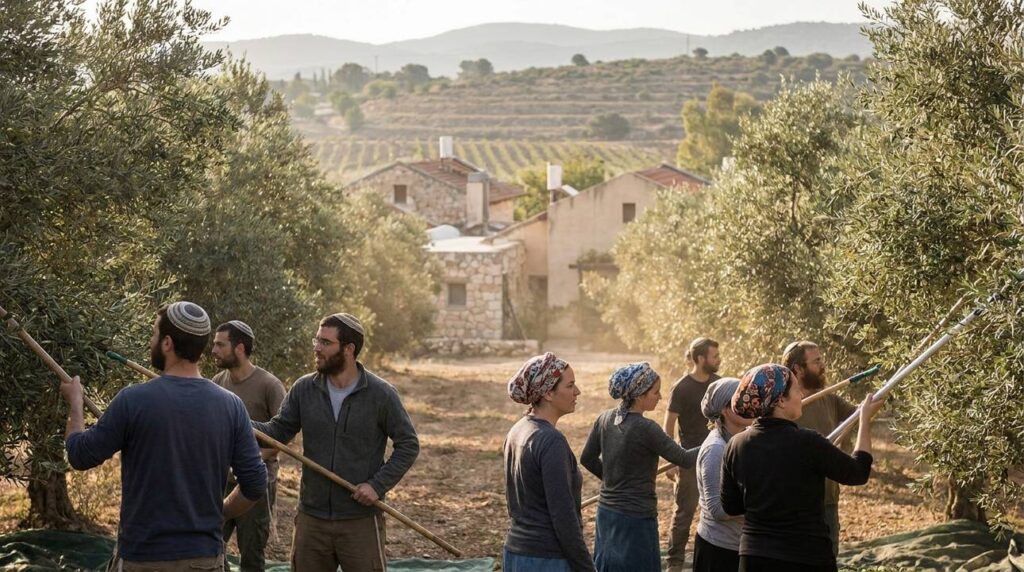
The agricultural richness of Samaria is highlighted in passages like Deuteronomy 8:7-9, which describe the land as a place of wheat, barley, vines, and fig trees. This agricultural heritage continues to thrive today, with vineyards and olive groves dotting the landscape.
These fertile lands have supported generations of farmers and continue to play a vital role in the local economy, providing a living connection to the region’s ancient past.
Geographical Significance of Modern Day Samaria
Modern day Samaria is situated in the central highlands of the West Bank, bordered by Judea to the south and Galilee to the north. This region is characterized by rolling hills and fertile valleys, making it historically significant for agriculture.
The name Samaria is often used interchangeably with the West Bank in contemporary discussions. This is primarily due to its central location within the region. The geographical setup has played a role in shaping the culture and economy of Samaria throughout history and continues to do so today.
The strategic location of Samaria has made it a crossroads of cultures and civilizations, as seen in its historical role as the capital of the northern kingdom of Israel. This central position has influenced the region’s development, allowing it to thrive as a hub of trade and cultural exchange.
Today, Samaria remains a vibrant region where ancient traditions and modern innovations coexist, offering a unique cultural experience for residents and visitors alike.
A Glimpse into History: Ancient Samaria
Historically, Samaria was established as the capital of the Northern Kingdom of Israel in the 9th century BCE by King Omri, according to biblical accounts. This city became a thriving hub until it was captured by the Assyrians in 722 BCE.
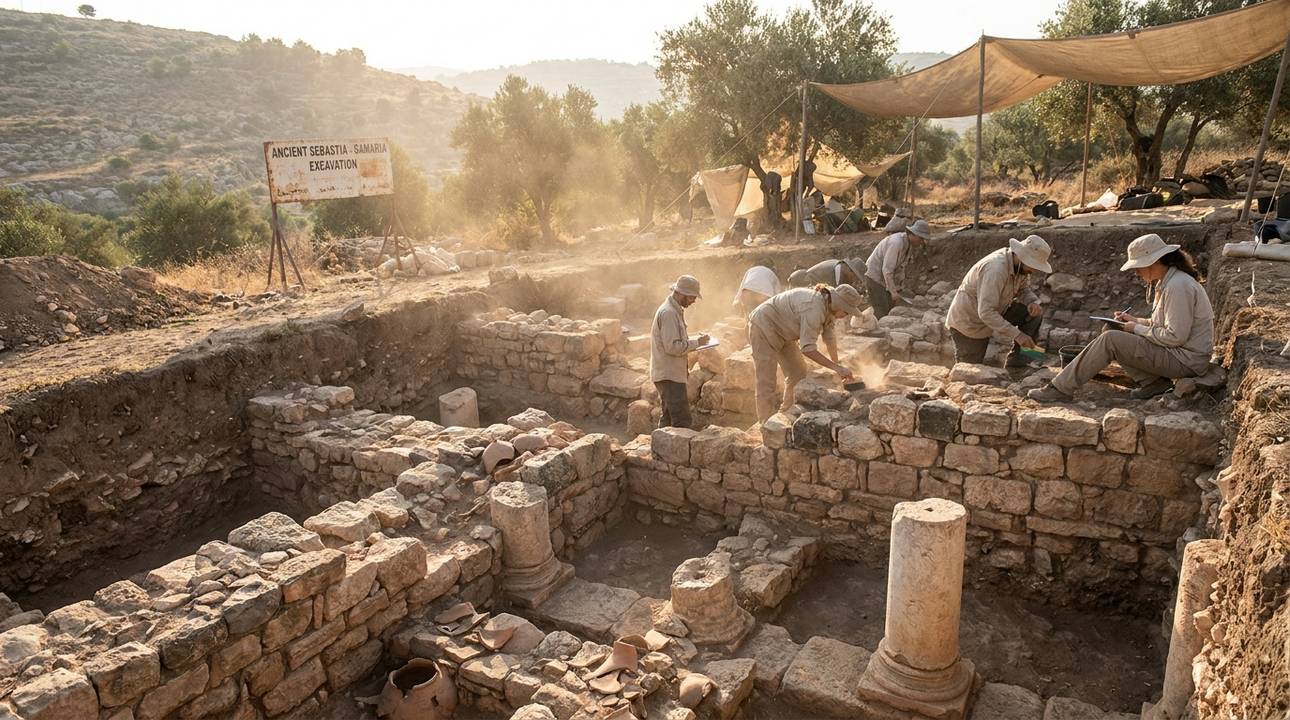
Archaeological findings, such as those at ancient Sebastia, offer fascinating insights into the rich past of Samaria. Excavations reveal layers of history that highlight Samaria as a critical focal point in ancient times.
The biblical references, along with these discoveries, paint a picture of its importance as a political and cultural center.
Who Are the Modern Day Samaritans?
Modern day Samaritans are a small ethno-religious group descended from ancient Samaritans. They maintain a distinct religious tradition closely linked to ancient Israelite practices. The Samaritans consider themselves the true keepers of the Torah, with their version of the Pentateuch differing slightly from the Jewish text.
There are around 800 Samaritans today, living primarily in Holon, near Tel Aviv, and on Mount Gerizim. This mountain is central to their faith, as described in Joshua 8:33, where it is mentioned as a site of covenant renewal.
The Samaritans continue to observe traditional rituals, such as Passover sacrifices, which are performed according to ancient customs described in Exodus 12:3-11. Their unique identity and customs provide a living connection to the rich tapestry of Israel’s ancient history.
The Samaritan community is known for its efforts to preserve its heritage, including the teaching of its ancient language and the continuation of its religious practices. This dedication makes it a fascinating subject for anthropologists and historians alike.
Their religious practices are rooted in the Torah and are distinct from those of mainstream Judaism, offering a unique perspective on biblical traditions. The Samaritans’ adherence to these ancient customs, such as the reading of the Samaritan Pentateuch, highlights their commitment to preserving their cultural identity.
This preservation effort not only enriches their community but also offers valuable insights into the historical development of religious practices in the region.
Modern Life in Samaria
Today, Samaria is home to a diverse population, including both Jewish and Palestinian communities. It’s a region of vibrant modern settlements alongside traditional villages. The Jewish communities often reside in settlements such as Ariel and Itamar, while Palestinian villages like Salfit maintain a rich cultural heritage.
The economy here blends agriculture with modern industries, reflecting a balance of historical continuity and contemporary development. Vineyards and olive groves thrive alongside tech startups and manufacturing plants.
The coexistence of these communities is reflected in the region’s cultural landscape, where traditional festivals and modern events are celebrated side by side. This diversity enriches the social fabric of Samaria, creating a dynamic environment where different cultural traditions are respected and shared.
By fostering cooperation and understanding, Samaria continues to be a place where diverse communities thrive together, contributing to the region’s overall prosperity and cultural richness.
Life in modern Samaria is a fascinating blend of cultural heritage and contemporary challenges, reflecting its dynamic and ever-evolving nature. The region’s infrastructure, including roads and public services, has been developed to support its growing population, while still maintaining a deep connection to its historical roots.
The cultural mosaic of Samaria is enriched by its significant archaeological sites. For instance, the ruins of ancient Samaria, mentioned in 1 Kings 16:24, and Sebastia offer profound insights into the lives of its ancient inhabitants.
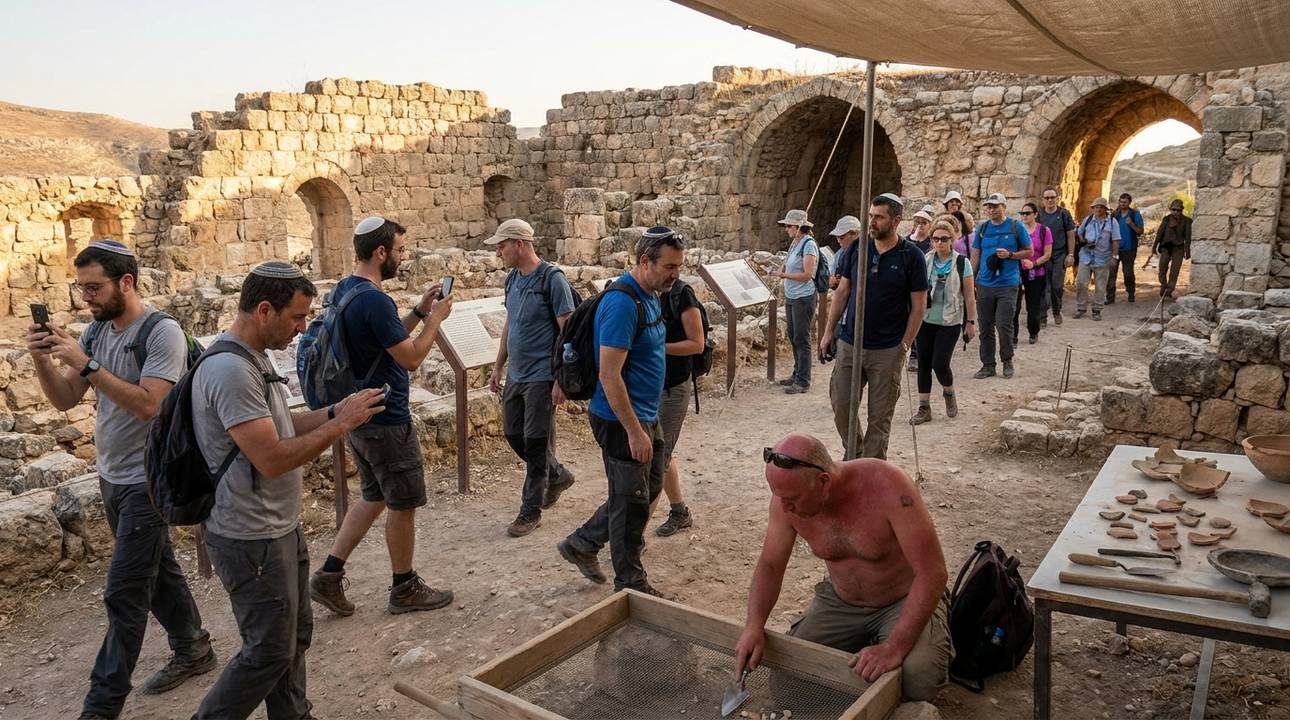
These sites not only attract historians and archaeologists but also tourists who are eager to learn about the region’s past. Excavations have revealed artifacts that date back to the time of the Israelite kings, providing a tangible link to the stories of the Bible.
The integration of modern amenities with these historical treasures illustrates the unique character of Samaria, where the past and present coexist in harmony, offering a rich tapestry of experiences for residents and visitors alike.
Cultural Landscape of Samaria
In addition to its historical significance, Samaria boasts a rich cultural landscape. Various sites of religious and historical importance attract visitors and researchers alike. Mount Gerizim, mentioned in Deuteronomy 11:29 as a mountain of significance, holds spiritual importance for Samaritans.
The ancient city of Shechem, now known as Nablus, is recognized for its biblical connections, including its association with Jacob’s Well, a site of great historical and religious interest, mentioned in Genesis 33:18-20.
These sites are not only important for their historical and religious significance but also serve as centers for cultural events and gatherings. The annual pilgrimages to Mount Gerizim during the Samaritan Passover are a testament to the enduring spiritual connection the Samaritans have with their ancestral lands.
These events provide a unique opportunity for visitors to experience the living traditions of the Samaritan community and gain a deeper understanding of their cultural heritage.
Each landmark in Samaria offers a glimpse into the layered history and ongoing cultural narrative of the region. Archaeological excavations continue to uncover artifacts that shed light on the diverse civilizations that have inhabited Samaria over the millennia.
For example, the city of Shechem, mentioned in Genesis 12:6, was a significant location for the patriarchs and continues to be a site of archaeological interest. These discoveries provide valuable insights into the ancient world and its influence on modern culture.
The region’s historical depth is complemented by its vibrant cultural festivals and events, which celebrate both ancient traditions and modern achievements. These festivals draw participants from around the world, fostering a sense of community and shared heritage.
Events such as the annual olive harvest festival highlight the region’s agricultural legacy, while modern art exhibitions and music festivals showcase contemporary creativity. This blend of old and new makes Samaria a unique cultural hub.
Economic Aspects of Modern Day Samaria
The economy in Samaria blends traditional agriculture with modern industry. Olive oil production remains vital, with ancient groves still productive today. These groves, some dating back to biblical times, are mentioned in passages like Deuteronomy 8:8, highlighting their historical significance.
In addition, there is growth in technology and light manufacturing sectors, contributing to the local economy. High-tech firms and industrial parks are emerging, providing employment opportunities and fostering economic development.
The combination of traditional and modern industries creates a diverse economic landscape that supports both local communities and the broader region. This economic diversity is essential for sustainable development, allowing Samaria to adapt to changing global markets while preserving its cultural heritage.
By investing in both agriculture and technology, Samaria ensures a balanced approach to economic growth that benefits all its residents.
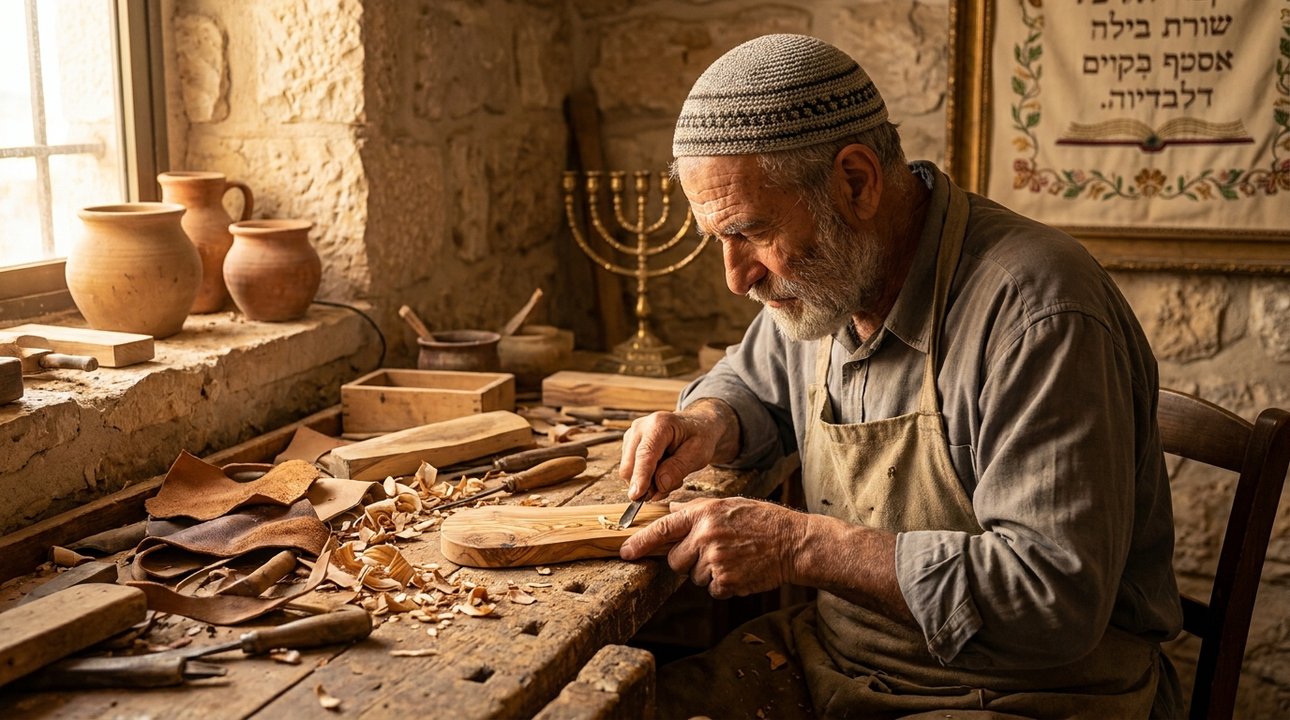
Efforts to sustain small businesses are evident throughout the region of Samaria. Local artisans and craftsmen continue to produce traditional goods, such as pottery and textiles, which are sold both locally and internationally.
These industries reflect a resilience and adaptability, ensuring economic stability while respecting the historical roots. Community initiatives and cooperative ventures support these enterprises, helping to preserve the cultural heritage while embracing modern advancements.
The production of traditional crafts is often accompanied by workshops and cultural events that educate both locals and tourists about the significance of these crafts. These initiatives not only provide economic opportunities but also foster a sense of pride and cultural continuity among the people of Samaria.
By supporting local artisans, the community helps to maintain traditional skills and knowledge, ensuring that these valuable cultural expressions are not lost to future generations.
Modern Day Samaria and Its Global Connections
Samaria today is not only a region rich in history but also a place connected to global dynamics. Its agricultural exports, such as high-quality olive oil and wine, reach markets worldwide, showcasing the region’s agricultural heritage.
Cultural exchanges, including academic collaborations and tourism, contribute to its recognition on the international stage. This interplay between tradition and innovation fosters international interest, drawing visitors eager to explore its historical roots and modern life.
The region’s participation in international trade fairs and exhibitions further highlights its global reach. These events provide opportunities for local producers to showcase their products and connect with international buyers, fostering economic growth and cultural exchange.
By embracing both its historical legacy and modern opportunities, Samaria continues to be a dynamic and influential region on the global stage.
This global connection underscores the ongoing relevance and vibrancy of Samaria in today’s interconnected world. The region’s universities and research centers are involved in international projects, further enhancing its global profile.
Visitors to Samaria can experience its unique blend of ancient history and modern culture, from exploring archaeological sites to enjoying local culinary delights, making it a compelling destination for those interested in the past and present of the region.
The collaboration between local and international scholars has led to new discoveries and insights into the region’s history and culture. These academic exchanges not only enrich the local community but also contribute to the global understanding of Samaria’s historical significance.
Through these efforts, Samaria continues to be a vibrant center of learning and cultural exchange, attracting scholars and enthusiasts from around the world.
In Conclusion: The Importance of Understanding Samaria
Understanding modern day Samaria involves looking beyond its biblical past to appreciate how it has evolved. This region continues to offer valuable insights into the cultural and historical complexities of Israel.
Whether through its ancient narratives or contemporary developments, Samaria remains a vital part of the Israeli landscape. It invites exploration and understanding, enriching our knowledge of the past and present.
In partaking of Lev Haolam’s offerings, one supports the communities that thrive in these historic landscapes, ensuring their stories continue. In short, Samaria today is a place of history, culture, and community that continues to inspire and educate those who engage with its legacy.
General Information