
Discovering the Significance of Mount Hor in the Bible
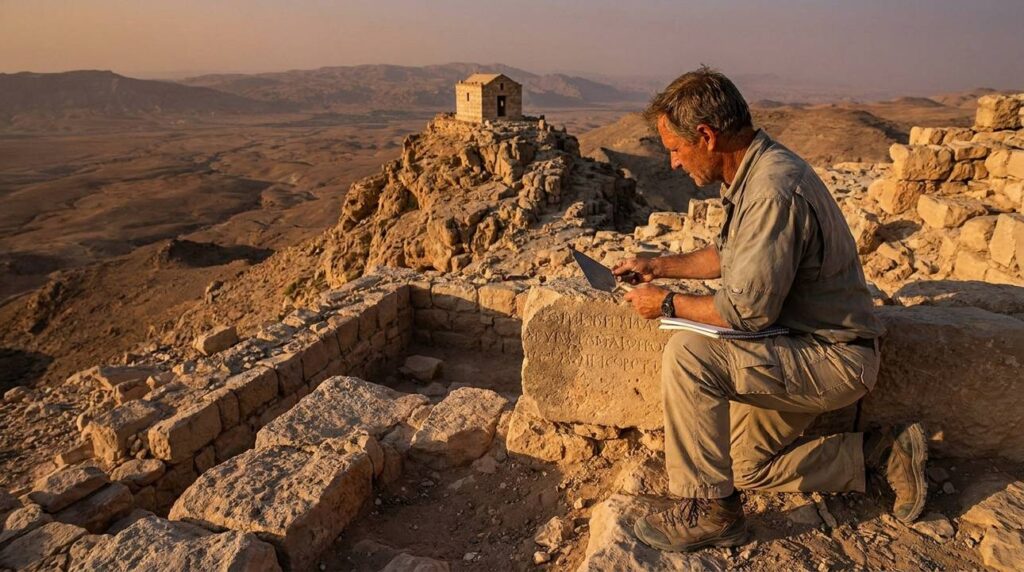

Mount Hor is a notable landmark in the Israelites’ wilderness journey. Situated near Edom’s border, it is historically connected with Esau.
The mountain is traditionally recognized as the burial site of the first high priest, marking a pivotal event in the Israelite story. The high priest’s responsibilities were crucial for community guidance and order.
Mount Hor’s significance is underscored by the timing of key events, making it a site of change and continuity in the Israelites’ journey.
What Is Mount Hor?
Mount Hor is mentioned in historical texts in relation to the Israelites’ wanderings. It is associated with a significant leadership change, marking a new chapter in their history. The site’s historical importance is linked to its role in leadership transitions.
The timing of events at Mount Hor highlights its role as a turning point in the Israelites’ journey, marking both an end and a beginning for the community.
Geographical Context of Mount Hor
Mount Hor is historically identified with the Edomite region, near present-day Jordan. This area is significant due to its connection with Esau’s descendants.
The exact location of Mount Hor is debated. Some suggest Jebel Haroun near Petra as a possible site based on traditional associations and proximity to Edom.
Historical texts describe Mount Hor as a boundary marker for the land assigned to the Israelites, underscoring its importance in their journey and quest for a homeland.
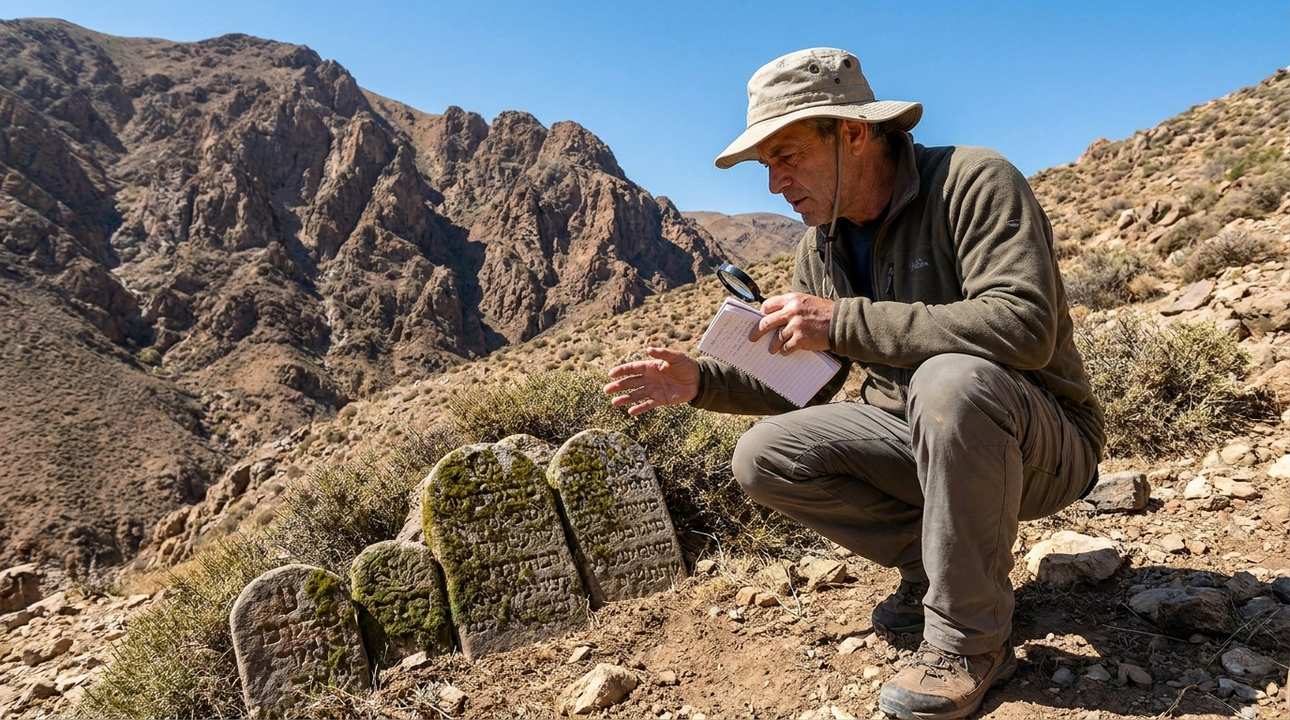
Mount Hor in Historical Accounts
A significant leadership transition at Mount Hor is detailed in historical texts. The transfer of garments symbolizes the continuation of duties within the community.
This ritual ensures the continuation of practices, highlighting the importance of leadership changes in maintaining the community’s structure.
Mount Hor serves as a setting for this narrative, emphasizing the changes within the community and the importance of leadership continuity. The site reflects the Israelites’ journey.
A leadership transition signifies a crucial moment with new roles assumed. This event underscores the importance of maintaining continuity as the Israelites prepared for a new phase.
It highlights the legacy of leadership and the seamless transition. The site symbolizes the continuity of leadership and the importance of maintaining traditions passed through generations.
The Significance of a Key Burial on Mount Hor
A key burial on Mount Hor marks the end of an era in Israelite leadership. As the first high priest, the role was central to maintaining the community’s structure and rituals. This mountain represents shifting phases in leadership.
The narrative emphasizes the importance of continuity in practices, which were critical for guiding the Israelites towards a new phase.
This continuity ensured the preservation of their heritage. The site serves as a symbol of leadership and transition, reflecting the ongoing journey among the Israelites.
The transfer of garments on Mount Hor symbolizes the continuation of duties. This act ensured the preservation of traditions crucial for the community’s direction.
Mount Hor thus becomes a historical site representing the continuity and adaptation of leadership, reflecting the Israelites’ ongoing journey and commitment to maintaining their identity.
The site stands as a sign of the legacy of leadership in Israelite culture. It symbolizes the importance of leadership transitions in maintaining the community’s integrity.
Archaeological Insights into Mount Hor
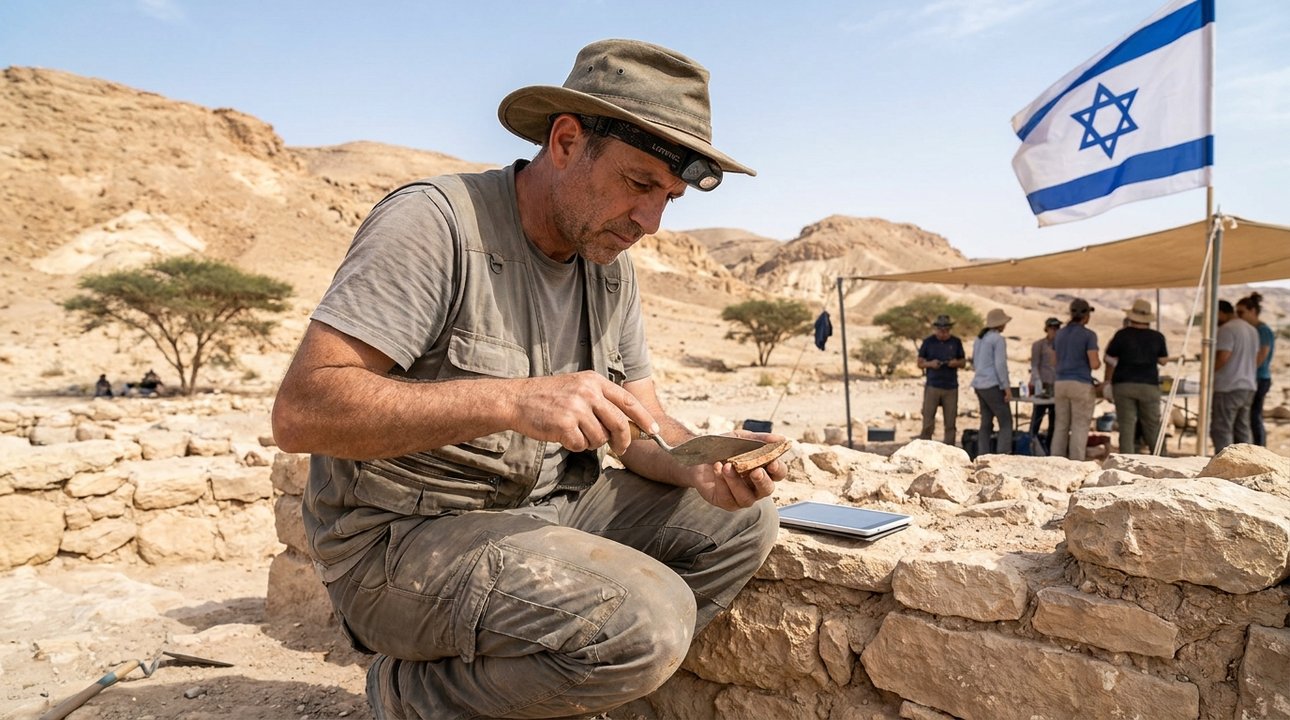
Mount Hor’s elusive archaeological footprint intrigues researchers exploring Israelite history.
Sites like Jebel Haroun, believed by some to be Mount Hor, have been examined for signs of historic events, offering insights into the era when these accounts were composed.
The study of such landscapes enhances understanding of the narrative, providing real-world connections that enrich the historical perspective of the Israelites’ journey.
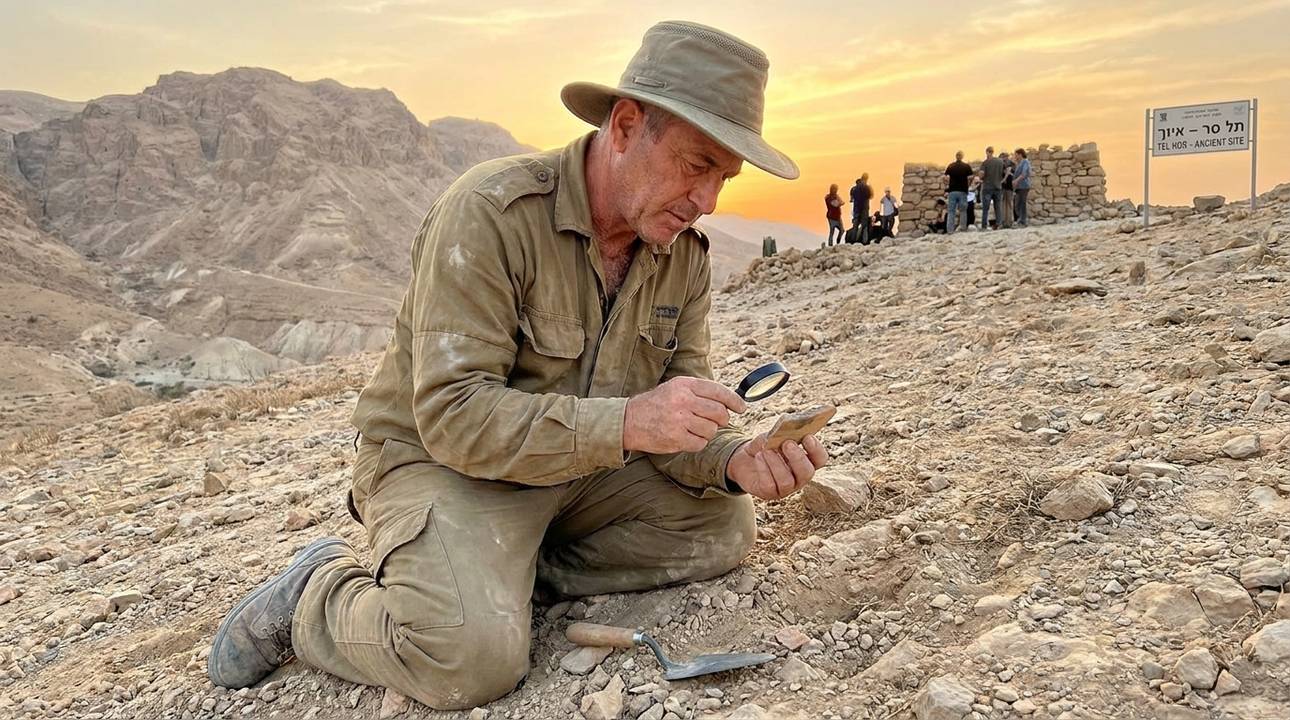
Excavations around Mount Hor have unveiled artifacts that deepen our understanding of the cultural and historical context of the narrative. Pottery fragments and inscriptions have been discovered, illustrating the daily lives and practices of the Israelites during their journey. These studies help uncover the realities of the time, providing a tangible connection to the stories. Archaeological endeavors continue to enrich the narrative with historical depth, linking past events with present understanding.
Mount Hor: Symbolism and Legacy
Mount Hor symbolizes a transition in leadership for the Israelites, marking the end of a significant role. A key event is recorded, signifying a shift in their journey.
This location remains a focal point for reflections on leadership and continuity. The narrative of the transition is a reminder of leadership continuity in the community.
Sites like Mount Hor continue to inform those interested in understanding the historical journeys recorded in texts. They offer insights into the leadership changes that shaped the community. This site stands as a sign of the enduring values of leadership that guided the Israelites through their journey.
The transition of duties is a key moment at Mount Hor. This event is significant in maintaining continuity in practices. Such transitions are vital for the community’s cohesion and direction.
Mount Hor’s role in these transitions underscores its importance as a site of contemplation for leadership. It inspires those who study its historical role.
The site stands as a symbol of enduring faith and leadership, reflecting the ongoing journey of the Israelites as they sought to maintain their religious identity and traditions amidst the challenges of their wilderness wanderings.
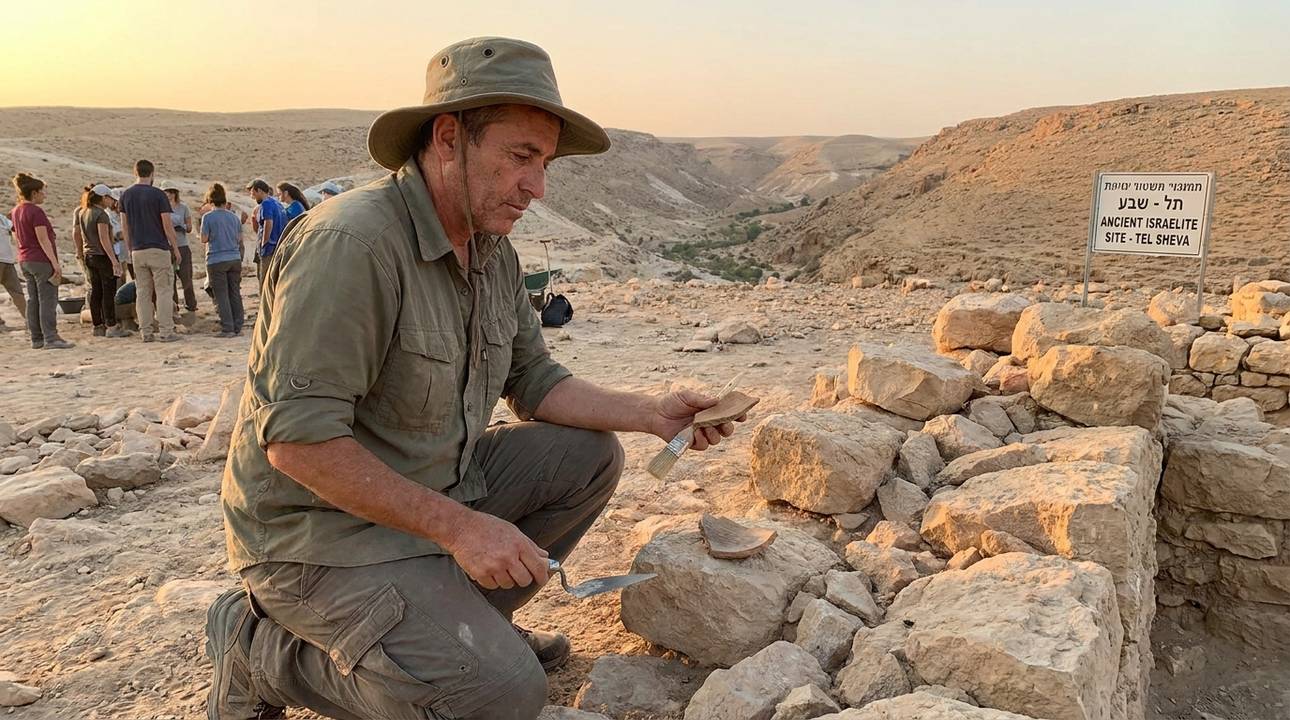
Mount Hor in Jewish Tradition
In Jewish tradition, Mount Hor holds substantial significance due to the events surrounding a key transition. It is a place of reflection on leadership transitions and the emotional aspects of farewell traditions.
The discussion of leadership and continuity remains relevant in Jewish teachings, offering lessons about responsibilities and legacy. Mount Hor represents a point of connection between the past and the ongoing journey of the Jewish people.
The site serves as a reminder of the enduring values that guide their faith. It symbolizes the continuity of spiritual leadership and the importance of maintaining traditions passed through generations.
Mount Hor Today
Today, Mount Hor is viewed through both historical and cultural lenses. Its legacy continues as part of the identity connected to narratives.
Despite challenges in pinpointing its exact location, it remains a focus for historians and those exploring geography. The depiction of Mount Hor in texts offers insights into the shared cultural heritage of the region.
This dual perspective enriches our understanding of its role in the journey. The site stands as a symbol of the legacy of leadership and the seamless transition, reflecting the ongoing journey among the Israelites.
Mount Hor’s association with a key transition makes it a site of ongoing interest. Researchers and historians continue to explore its significance, contributing to a deeper understanding of the narrative and its real-world connections.
The site’s role in the Israelites’ journey highlights the importance of leadership and continuity, themes that resonate in the cultural identity of the region.
This ongoing exploration underscores the enduring relevance of Mount Hor in history. It serves as a focal point for those interested in the historical journeys recorded in texts, showing the leadership changes that shaped the community.
Information about Mount Hor
