Unveiling the Role of Beit Nabala in History


Beit Nabala is a site known for its historical significance. The area is mentioned in historical texts as a community linked to ancient tribes. Situated in a region once bustling with life, Beit Nabala holds stories waiting to be uncovered. This exploration delves into its historical roots and transformations, including its role in ancient trade routes.
The tribe of Benjamin is often associated with this region. Their territory is described in historical texts, highlighting its strategic importance. Beit Nabala’s location was a key player in trade networks connecting various parts of the ancient world. This connectivity contributed to its development and cultural diversity, making it a site of great historical interest.
from the Western Wall to Masada.
What Is Beit Nabala?
Beit Nabala is a historic location mentioned in ancient texts. This site played a role in various historical narratives, serving as a crossroads for trade and culture. Its name has been linked to possible historical references, though exact mentions remain debated among scholars. The region connected different peoples, enriching its cultural landscape.
Jericho, known for its historical role, serves as a parallel in understanding Beit Nabala’s impact. Both locations were pivotal in facilitating trade and cultural exchanges. The connections formed through these trade networks helped shape the narratives of the region. This made Beit Nabala a key site for understanding the complexities of interactions and developments.
The Geography of Beit Nabala
Geographically, Beit Nabala is situated strategically. Its position between prominent regions made it an essential hub in historical times. The area lies west of ancient Jerusalem, near key routes that connected the coastal plains with the interior. These routes were vital for trade and communication. The area has been highlighted for its fertile land, attractive for communities seeking sustenance and trade routes. The fertile soil supported agriculture, which was a cornerstone of the local economy.
Historical texts frequently underscore the importance of fertile lands, describing the lush Jordan Valley. This fertility attracted settlers who could cultivate crops and sustain communities. Beit Nabala’s location also made it a point of interest for traders and travelers. As a crossroads, it facilitated the exchange of goods and ideas, enriching the cultural and economic landscape of the region.
Historical References to Beit Nabala
While specific historical references to Beit Nabala are not abundantly clear, it is often considered in discussions of regional history. Its location near significant historical sites adds to its historical intrigue. Gezer, for example, is mentioned as a site of battle. Its presence amidst well-known areas makes it a point of interest for historians and scholars studying the era’s dynamics.
Beit Nabala’s position near these historical sites suggests its potential role in ancient narratives. Scholars often examine how its proximity to these locations may have influenced Beit Nabala’s development and interactions with surrounding regions. This makes it an essential site for understanding the broader historical and cultural landscape of the time.
Historical conquests illustrate the importance of controlling strategic locations. Beit Nabala’s proximity to key routes made it a valuable asset for any ruler. The site’s influence on regional trade underscores its history. Scholars examine how its location facilitated interactions and exchanges that shaped the cultural and economic landscape of the time.
Beit Nabala in Cultural Context
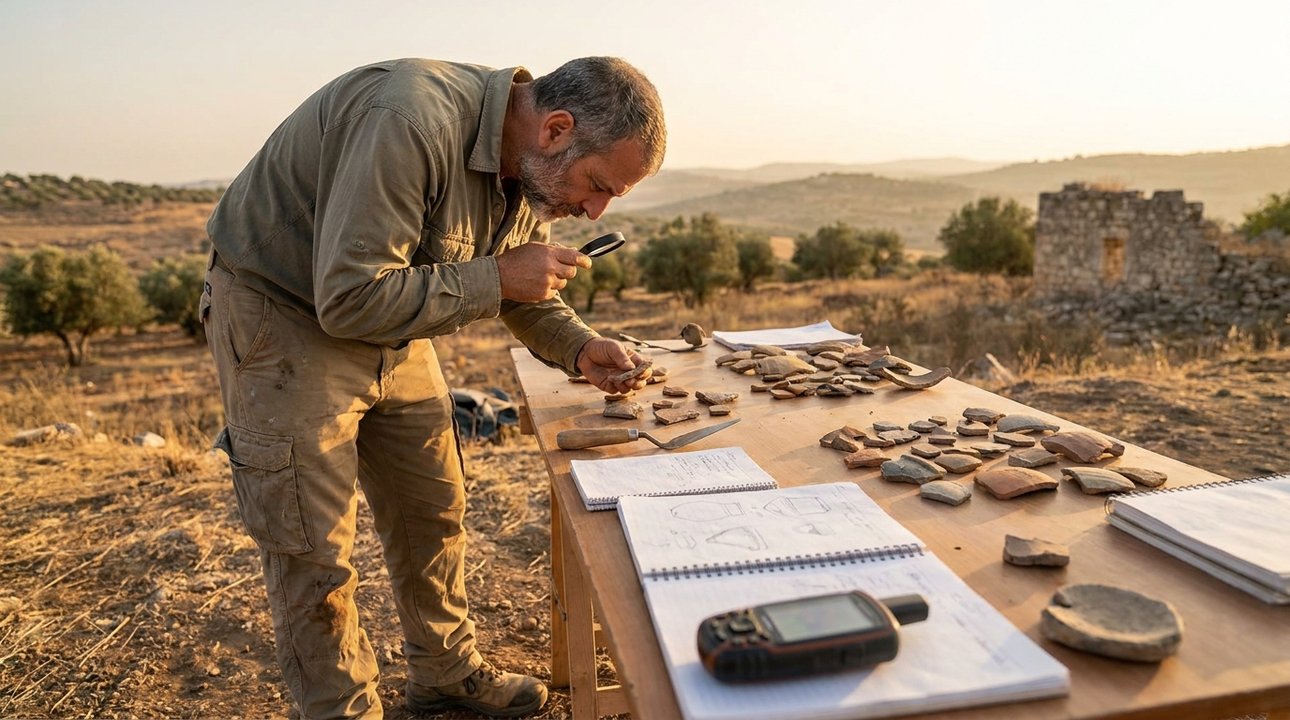
Culture around Beit Nabala has evolved significantly. The area was home to various peoples, each contributing to its cultural diversity. Historical records and archaeological finds suggest the presence of different societies. For instance, early settlers have left artifacts indicating diverse influences, painting a picture of a community interacting with neighboring regions and cultures. Pottery, tools, and inscriptions provide insight into daily life and cultural practices.
The Israelites, who followed the teachings of the Torah, also left their mark. Romans introduced new architectural styles. References to early settlers highlight their role in the region. These cultural layers tell a story of coexistence and exchange, with each group contributing to the area’s development. Such interactions enriched the local culture, making Beit Nabala a mix of traditions and innovations.
The cultural evolution of Beit Nabala is evident in the variety of artifacts uncovered. These items reflect a blend of traditions, from local customs to influences brought by traders and conquerors. Historical texts speak of such cultural exchanges, where interactions with other nations are described. This cultural mosaic is a sign of the area’s role as a crossroads of civilizations, where ideas and traditions were exchanged and adapted over time, enriching its historical narrative.
from the Western Wall to Masada.
Artifacts such as pottery, tools, and inscriptions reveal the diverse influences that shaped Beit Nabala. These items tell stories of trade and interaction with neighboring regions. The blend of artistic styles and techniques found in these artifacts highlights the area’s dynamic cultural landscape. This diversity is a key aspect of Beit Nabala’s history, showing the complex interactions that defined its past.
Beit Nabala’s Role in Trade
Due to its position, Beit Nabala was a vital trade center. Situated along ancient trade routes, it connected regions as far as Egypt and Mesopotamia, facilitating the exchange of goods like spices, textiles, and precious metals. Goods and ideas flowed through the area, connecting distant cultures. The presence of these routes is evidenced by historical records and archaeological finds, revealing a bustling marketplace.
The trade routes passing through spurred economic growth and facilitated cultural exchanges that shaped its historical narrative. This economic prosperity attracted diverse groups, each leaving their mark on the local culture. The influence of these interactions is evident in the artifacts found in the area, showcasing a blend of artistic styles and craftsmanship from various cultures, much like those found in ancient Phoenician sites.
Phoenician sites, known for their extensive trade networks, offer parallels to Beit Nabala’s role in facilitating exchanges. The blend of styles found in artifacts highlights the area’s dynamic cultural landscape. These interactions not only enriched the local culture but also contributed to the economic prosperity of Beit Nabala. This prosperity is reflected in the diverse range of artifacts, showcasing the area’s history as a hub of trade and cultural exchange.
Beit Nabala and Archaeological Finds
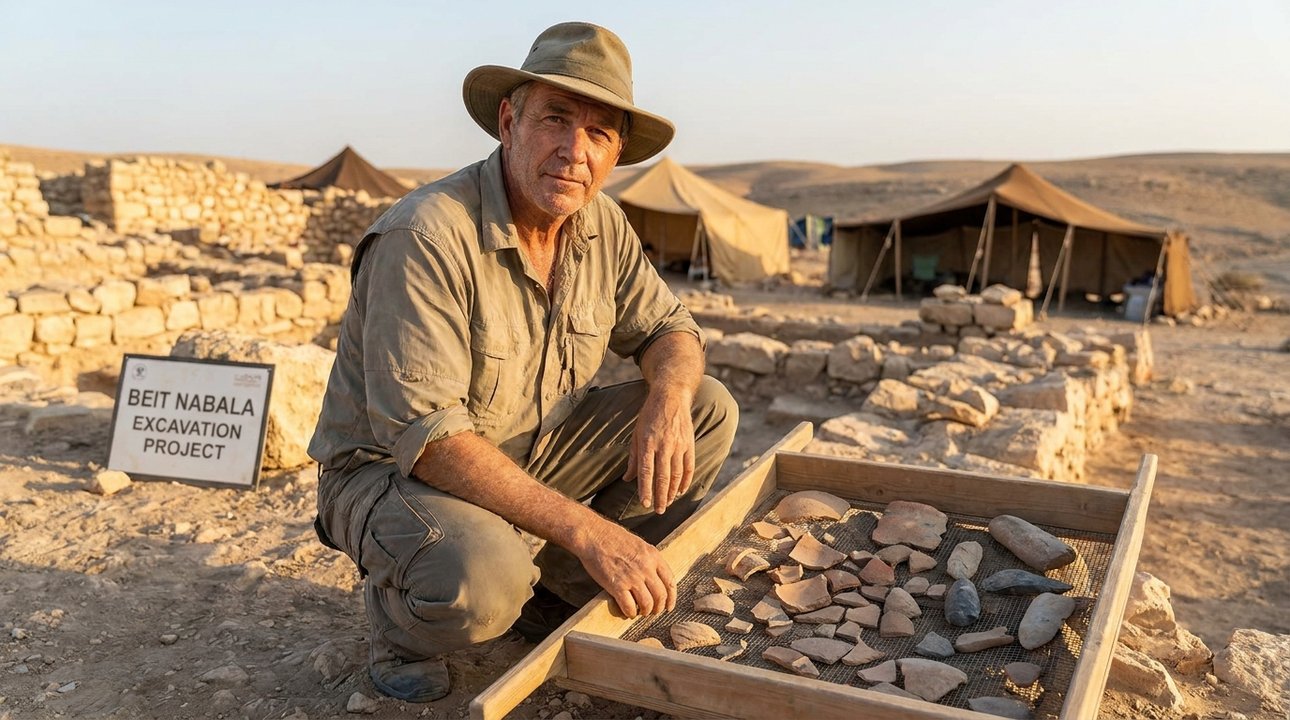
Recent archaeological activities have brought new insights into Beit Nabala’s past. Excavations reveal structures and artifacts indicating its history. Among the discoveries are remnants of ancient dwellings and public buildings. Such finds are reminiscent of those in other ancient cities like Megiddo. These finds are pivotal in understanding the daily life and organization of ancient communities that inhabited the region. The layout of these structures suggests a well-organized society with distinct social hierarchies.
The artifacts unearthed, including pottery shards and tools, offer insights into the technological advancements of the time. These items demonstrate the skill and craftsmanship of the inhabitants, reflecting their adaptation to the environment and available resources. Such discoveries continue to shed light on the complex social and economic structures that defined Beit Nabala’s past, revealing a society rich in innovation and creativity.
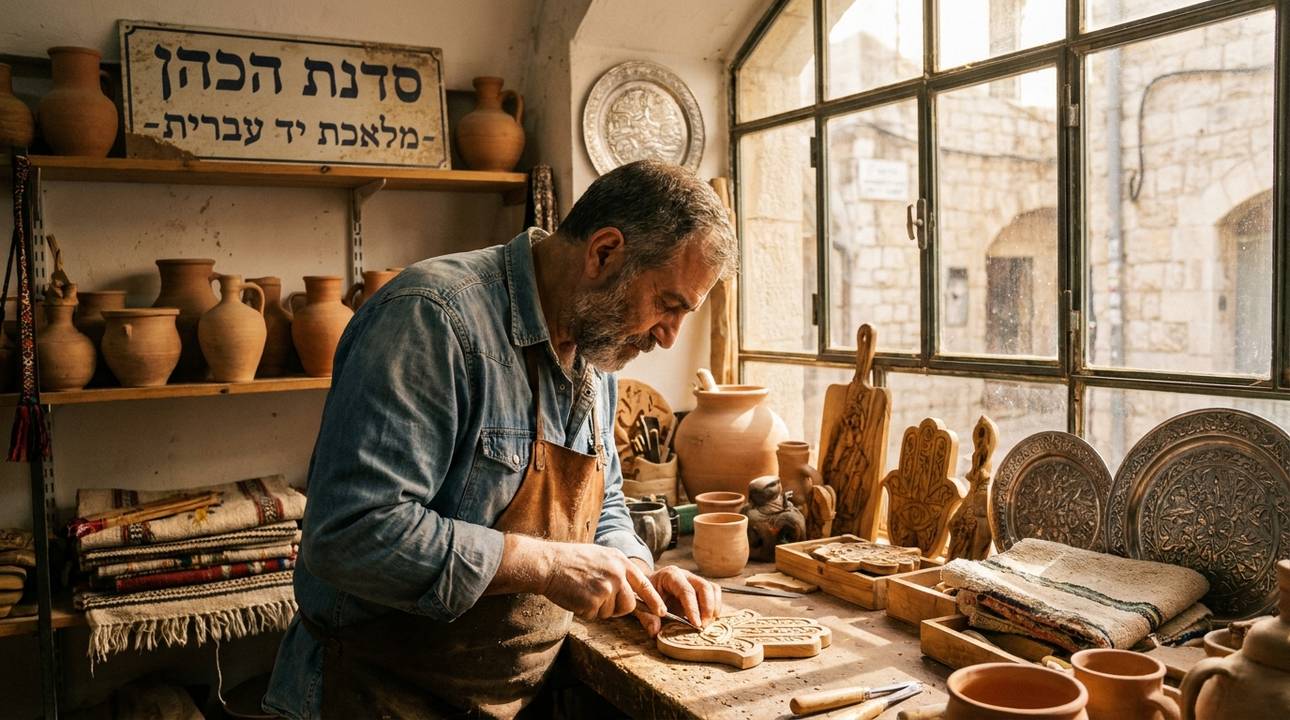
The craftsmanship evident in these artifacts speaks to the ingenuity of the people who lived in Beit Nabala. Their ability to create functional and artistic items is a sign of their resourcefulness. These findings provide valuable insights into the daily lives and skills of the inhabitants, offering a window into the technological and cultural advancements of the time. This knowledge enriches our understanding of the region’s historical narrative.
Exploring Historical Legacy
Lev Haolam offers a connection to the historical richness of the region. Our curated boxes present authentic products that allow you to engage with local artisans. These items help you experience the culture of the region.
By choosing Lev Haolam, you connect with a community that values craftsmanship. The stories behind each product offer a tangible link to the traditions that have shaped the cultural landscape. This connection enriches your understanding of the region’s history and people.
Understanding Beit Nabala