
Exploring the Significance of Casiphia


Casiphia is recognized in historical records as a site where Jewish exiles gathered during their return from Babylonian captivity. It played a key role in this significant period of Jewish history. Leaders organized the return of exiles, using Casiphia as a base to facilitate their journey. Its importance lies in its support for re-establishing Jewish life in the region.
Casiphia was crucial to the return from Babylonian exile, serving as a meeting point for exiles. Leaders coordinated their journey back to Jerusalem, marking not just a physical return but also a cultural revival. The gathering at Casiphia demonstrates the community’s focus on preserving its identity.
from the Western Wall to Masada.

The name Casiphia may derive from a Hebrew root meaning “silver” or “money,” suggesting associations with wealth or trade. This adds depth to its historical context, as trade routes and economic centers were crucial during the exiles’ return. In Jewish tradition, Casiphia symbolizes hope and renewal, reflecting a people’s commitment to rebuilding their homeland.
Casiphia’s economic aspect highlights the significance of trade and resources in the survival of ancient communities. During the exiles’ return, access to trade routes was vital for acquiring materials needed for rebuilding. This practical consideration complements its cultural role as a gathering place for returnees, underscoring its importance beyond just geography.
What Is Casiphia?
Casiphia is identified in historical texts as a location where Jewish exiles gathered. It was known as a place for the Levites and Nethinim to join the returning exiles heading back to Jerusalem from Babylon. Although its exact location remains uncertain, Casiphia is sometimes believed to be in the vicinity of Babylon or near the Euphrates River, based on historical interpretations and textual analyses. Rashi, a renowned medieval Jewish commentator, discusses references to Casiphia in his commentary on historical texts, adding to the understanding of its role during the return.
Historical References to Casiphia
The significance of Casiphia centers around a scribe. A message was sent to a leader at Casiphia, requesting Levites to join the returning group of exiles. This action underscores the importance of having leaders present during the re-establishment of Jewish community life in Jerusalem. Although brief, this mention highlights Casiphia’s role as a key gathering point for leadership. The absence of a wider narrative about Casiphia adds to its mystery and intrigue among scholars and readers alike.
Casiphia’s role in the return from exile underscores its importance as a gathering point for organizing the journey back to Jerusalem. The efforts at this site highlight the determination of the Jewish people to rebuild their community. This narrative serves as a reminder of the community’s resilience, reflecting broader themes of return and renewal found throughout Jewish history.
Cultural and Historical Context
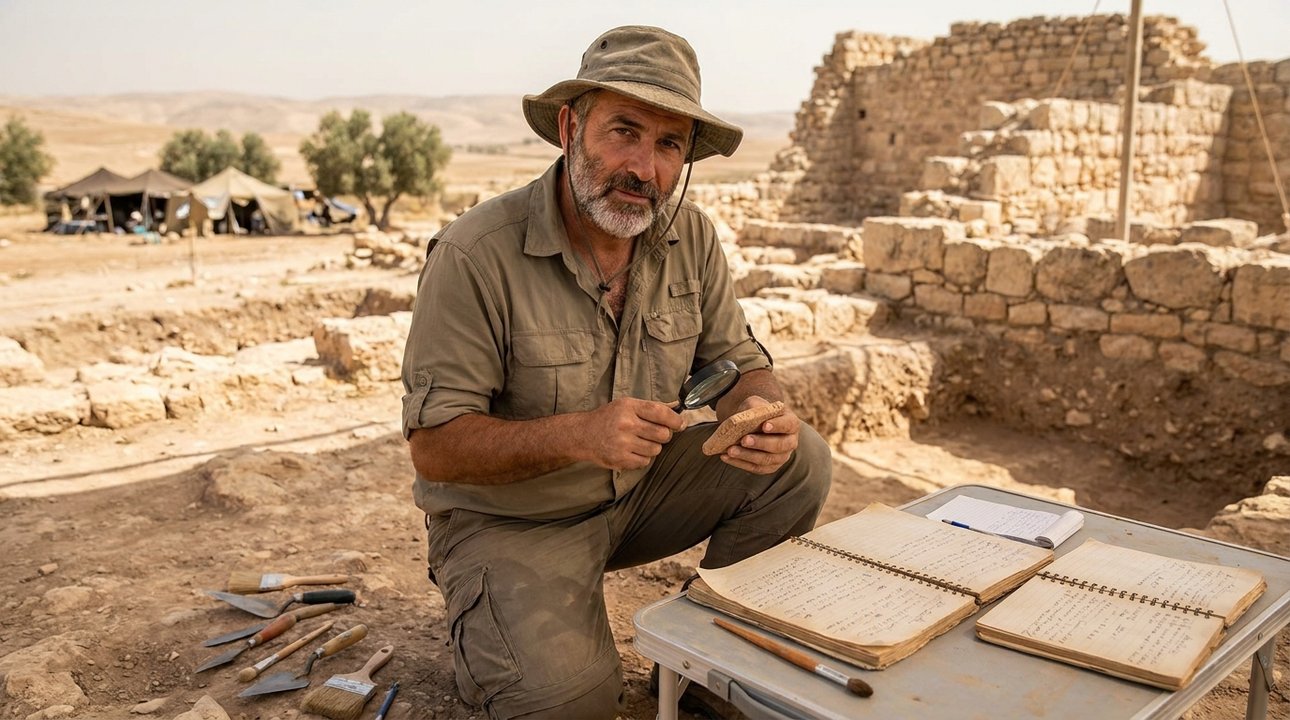
Understanding Casiphia requires a look at the broader context of the Jewish exile and return. This period was marked by efforts to rebuild religious and communal life after a lengthy Babylonian exile. Casiphia stands as a testimony to the dedication of the Jewish people. It is mentioned as a place where leaders gathered to organize the return to Jerusalem. It was more than a mere geographical spot; it was a symbol of hope and effort to restore a community.
The role of Casiphia in the return from exile underscores its significance as a gathering point for organizing the journey back to Jerusalem. The efforts at this site highlight the determination of the Jewish people to rebuild their community. This narrative serves as a reminder of the community’s resilience, reflecting broader themes of return and renewal found throughout Jewish history.
Legacy of Casiphia
Though Casiphia is not frequently mentioned in historical texts, its contribution to Jewish history is significant. Leaders from this location supported the rebuilding, showcasing a communal spirit where they gathered to organize the journey back to Jerusalem. Casiphia’s narrative reflects themes of leadership and cooperation. It teaches how collective actions can lead to community rejuvenation, emphasizing the importance of unity in achieving common goals.
Efforts at Casiphia to organize the return from exile highlight the importance of leadership and cooperation in achieving communal goals. As a gathering point, Casiphia enabled leaders to coordinate the journey back to Jerusalem, ensuring the success of this significant event in Jewish history. This narrative serves as a reminder of the community’s resilience.
Casiphia may be less famous compared to other historical locations, but its impact on the return narrative is undeniable. The cooperation and leadership demonstrated by those at Casiphia played a crucial role in the successful return of the Jewish exiles. Casiphia is mentioned as a place where leaders sent for Levites to join the returning group. This story highlights the importance of strategic planning and collaboration in overcoming challenges. Casiphia’s legacy serves as a sign of the enduring power of community and the potential for collective action to bring about positive change.
Efforts at Casiphia to organize the return from exile underscore the importance of leadership and cooperation in achieving communal goals. As a gathering point, Casiphia enabled leaders to coordinate the journey back to Jerusalem, ensuring the success of this significant event in Jewish history. This narrative reflects the enduring strength of community and the potential for collective action to overcome challenges and achieve meaningful outcomes.
Casiphia in Jewish Tradition
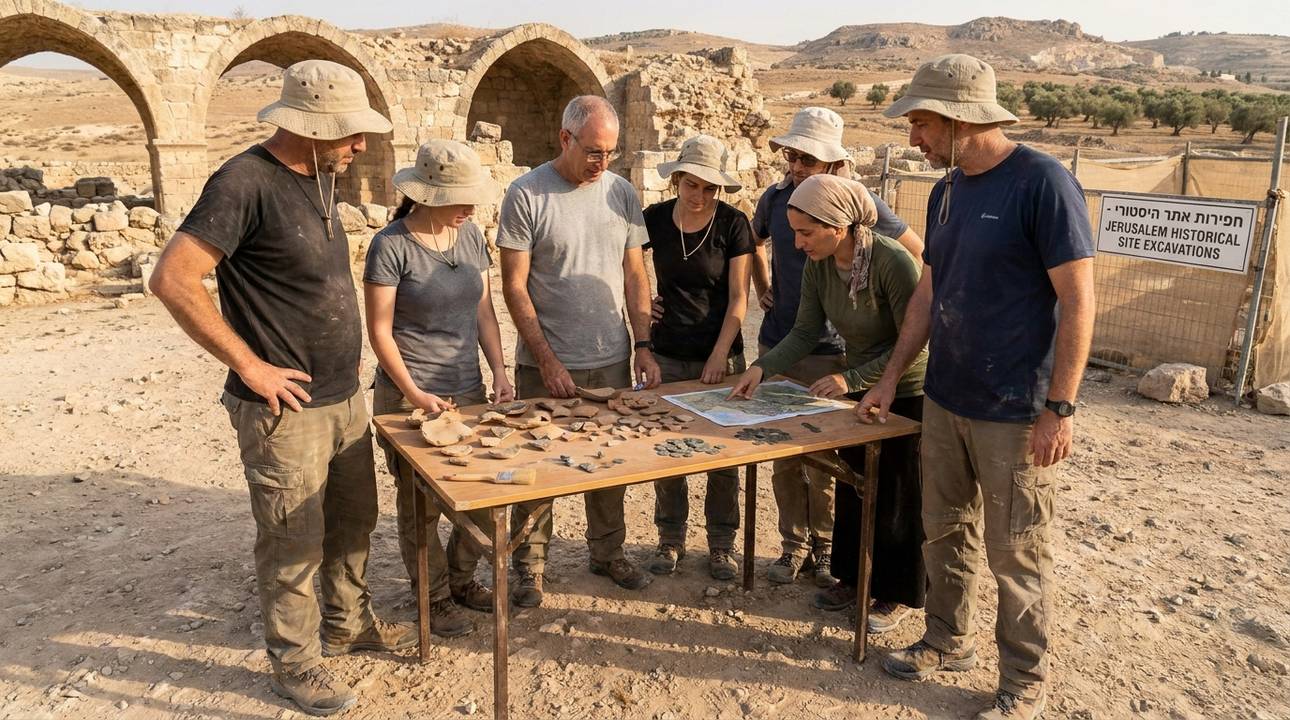
Through Jewish tradition, Casiphia has maintained its place as a sign of the dedication and cooperation required during times of rebuilding. The mention of Casiphia in textual commentaries, such as those by Rashi, highlights its enduring role in Jewish learning and discourse. Rashi, a medieval Jewish scholar, often referenced historical sites to provide context for events, underscoring the importance of these locations in understanding Jewish history. Casiphia, though less prominent, is part of this mix of Jewish heritage.
The role of Casiphia in Jewish tradition is further emphasized by its mention in various commentaries and interpretations. Scholars like Rashi have highlighted the significance of such sites in understanding the broader context of historical events. Casiphia’s story serves as a reminder of the community’s resilience. This narrative is reflective of the broader themes of determination and renewal found throughout Jewish history.
from the Western Wall to Masada.
In Jewish liturgy and historical reflections, sites like Casiphia often symbolize determination. The exiles’ return, with Casiphia as a key location, is a narrative of hope and renewal, emphasizing the power of community. Casiphia is mentioned as a gathering place where leaders organized the return of the exiles. These narratives remind us of the importance of perseverance and unity in overcoming challenges. Casiphia’s legacy is still remembered by those who seek to understand the depth of Jewish history and the enduring strength of its people.
The return from Babylonian exile was a significant event in Jewish history, marking a period of rebuilding and renewal. Casiphia played a crucial role as a staging ground, where leaders gathered to plan and execute this monumental journey. This place symbolizes the determination of the Jewish people, who, despite adversity, managed to restore their community. The legacy of Casiphia serves as a reminder of the power of collective action and the importance of maintaining identity.
The Importance of Casiphia Today
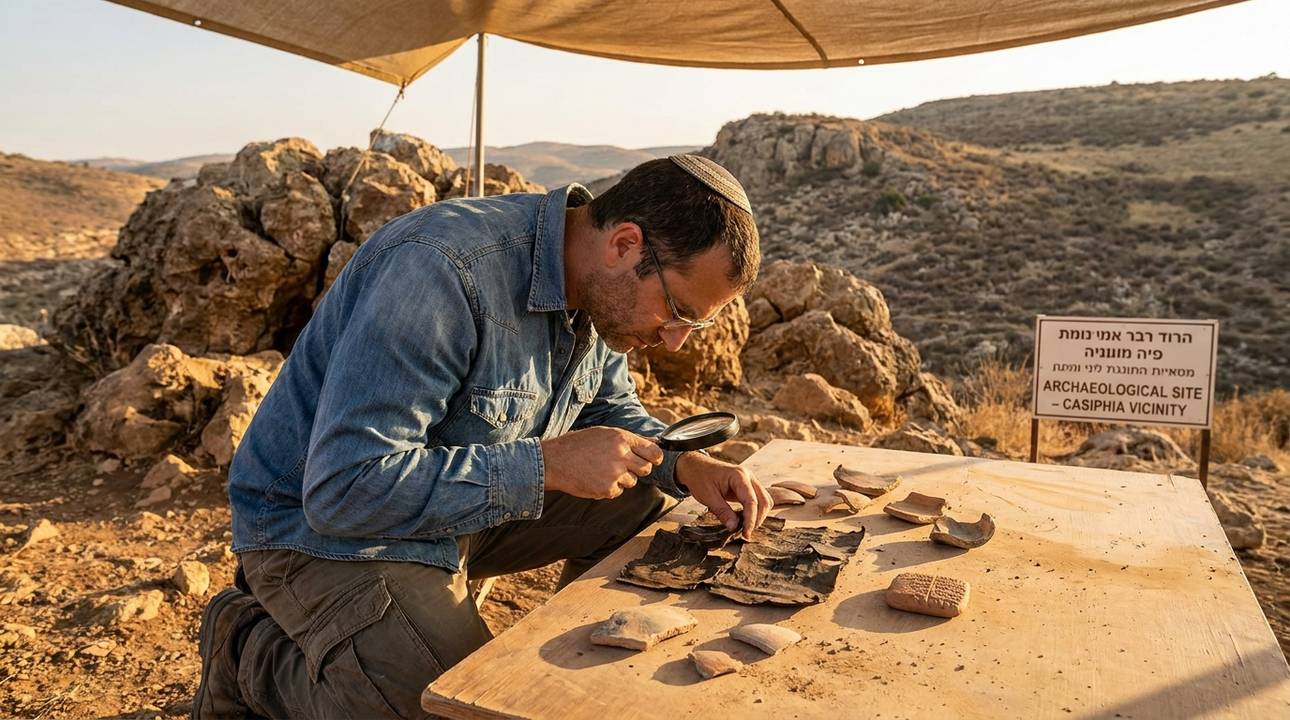
Modern interpretations of Casiphia encourage reflection on its significance in the journey of Jewish history. Although its precise location remains unknown, Casiphia’s story is still remembered by those interested in history. The site served as a gathering place for the exiles returning to Jerusalem. For those exploring the dynamics of the Jewish return and restoration, Casiphia offers a unique focal point. Its legacy in Jewish thought presents valuable insights into the power of community, illustrating how historical narratives continue to shape identity.
The mystery surrounding Casiphia’s exact location adds to its intrigue and significance in historical studies. Despite this uncertainty, its role in the return from exile is well-documented, highlighting its importance in Jewish history. Efforts at Casiphia to organize the return journey underscore the importance of strategic planning and leadership in achieving communal goals. This narrative serves as a reminder of the enduring power of community and the collective spirit needed to overcome challenges and rebuild a community.
The significance of Casiphia lies not only in its historical role but also in its symbolic representation of the challenges and triumphs faced by the Jewish people. By examining such sites, we gain a deeper understanding of the cultural journeys that have shaped Jewish history. Casiphia is mentioned as a gathering place for exiles preparing to return to Jerusalem. Casiphia’s story is a reminder of the determination required to overcome adversity and rebuild a community. Its legacy is still remembered by those who seek to preserve their heritage and foster a sense of unity and purpose.
The challenges faced by the Jewish people during the Babylonian exile and their return are encapsulated in Casiphia’s narrative. This site served as a pivotal point for organizing the journey back to Jerusalem, highlighting the importance of leadership and cooperation. The efforts of leaders who coordinated the return emphasize the collective spirit needed to achieve such a monumental task. Casiphia’s legacy is a sign of the enduring strength of a community determined to preserve its identity.
Learn More About Casiphia
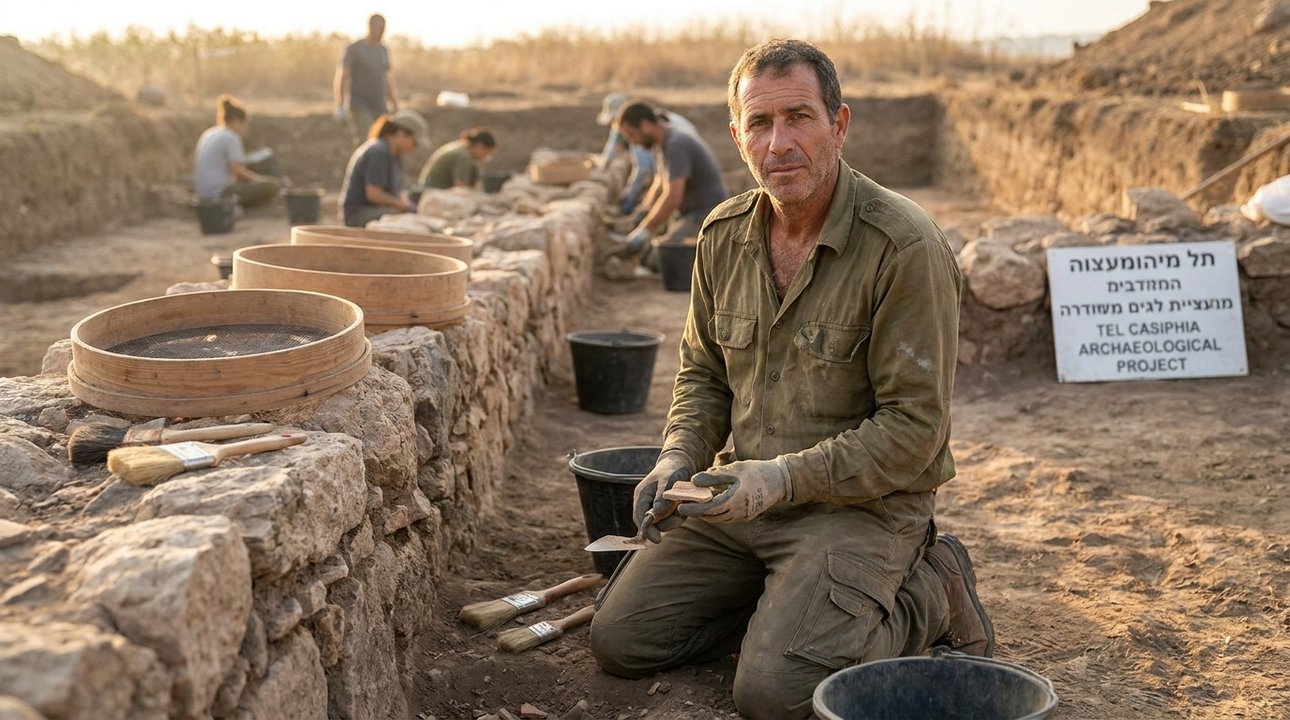
For those eager to delve deeper into the stories of places like Casiphia, exploring Jewish textual traditions provides a wealth of knowledge. The Talmud and Midrash offer insights into the cultural importance of such locations, enriching one’s understanding of their role in the narrative. Books, online resources, and scholarly articles provide various perspectives that can deepen appreciation for Casiphia’s place in Jewish history. These resources highlight the interconnectedness of history and identity, reminding us of the enduring impact of these sites.
As we continue to uncover the past, locations like Casiphia remind us of the interconnectedness of history and identity. Although not widely known, Casiphia offers a unique perspective on the determination of the Jewish people. It is mentioned as a place where leaders sent for Levites to join the returning exiles. Studying these sites provides a deeper understanding of the cultural journeys that have shaped Jewish history. Casiphia’s legacy is a sign of the enduring spirit of a community committed to preserving its heritage.
The historical context of Casiphia highlights its role during the Babylonian exile and the subsequent return. It was a place of gathering and organization, where leaders coordinated the return of the Jewish people to their homeland. This effort was not just a physical journey but also a revival, reflecting the deep connection between land and identity. Casiphia’s story is still remembered by those who seek to understand the complexities of Jewish history and the enduring strength of its people.
How Casiphia Connects to the Present
Despite being a site with a long history, Casiphia’s lessons on community and leadership remain relevant today. The narrative of the exiles demonstrates the importance of working together towards common goals, where leaders gathered to organize the journey back to Jerusalem. Modern communities can draw inspiration from Casiphia’s narrative, understanding the power of unity and purpose in achieving great endeavors. The cooperation shown by the exiles serves as a poignant reminder of the human spirit and the potential for collective action.
In historical contexts, Casiphia stands as an example of how strategic locations can facilitate significant cultural movements. The exiles’ successful return and rebuilding efforts were made possible by the cooperation and leadership that emerged at places like Casiphia. This site was a key gathering point for organizing the journey back to Jerusalem. Whether in historical contexts or everyday life, Casiphia serves as a reminder of the importance of leadership, collaboration, and shared vision. Its story is still remembered by those who seek to foster community and achieve meaningful goals together.
Casiphia’s role in the return from Babylonian exile highlights the importance of strategic locations in facilitating significant movements. As a gathering point, it enabled leaders to organize and coordinate the return journey, ensuring the success of this monumental task. The cooperation and leadership demonstrated at Casiphia reflect broader themes of unity found throughout Jewish history. This narrative serves as an enduring sign of the power of collective action in achieving meaningful outcomes.
General Information on Casiphia
