
Elam in the Bible Map: A Historical Exploration


Elam is a region frequently mentioned in ancient texts, often in the context of alliances and conflicts. It was part of a coalition led by Chedorlaomer, who engaged in battles with other rulers, highlighting its strategic importance. This exploration delves into Elam’s historical role and its place in the area now known as southwestern Iran. Its interactions with other historical figures underscore its significance in ancient narratives.
Elam appears in various historical records, emphasizing its presence and interactions with other regions. Its strategic alliances and conflicts offer insight into the geopolitical dynamics of the time.
from the Western Wall to Masada.

What Is Elam in the Bible?
Elam is described as a territory near Mesopotamia, important in early history. Positioned east of Sumer and Akkad, it held cultural and strategic significance. This connects Elam to early civilizations and influenced neighboring societies, reflecting the interconnected nature of ancient regions.
Where Was Elam Located?
Elam was in what is now southwestern Iran, between the Zagros Mountains and the Persian Gulf. Its capital, Susa, was a key center, mentioned in texts describing interactions with Persia. The geography of Elam, from fertile plains to rugged highlands, contributed to its resilience. Understanding Elam’s location helps us appreciate its role as a bridge in the ancient Near East.
The region’s geography facilitated trade and communication with neighboring civilizations, enhancing Elam’s role as a conduit for cultural exchanges. Susa’s position on major trade routes made it a vital hub for commerce and diplomacy.
Elam’s Role in Historical Narratives
Elam’s story includes figures like Chedorlaomer. His campaigns show Elam’s power and influence. In the battle of the Valley of Siddim, Elam’s alliances are highlighted. Elam also appears in interactions with prominent characters of the time, featured in prophetic books. These interactions present Elam as integral to the broader historical context.
Archaeological Insights into Elam
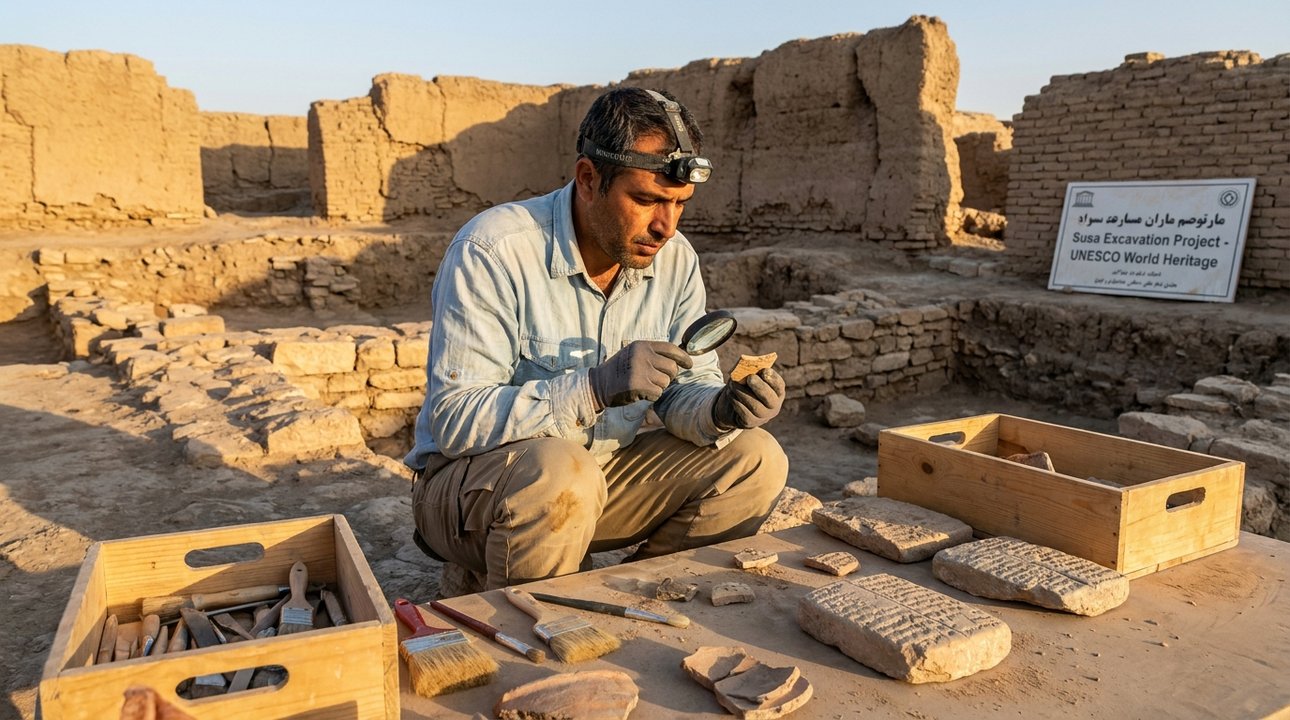
Archaeology has revealed evidence of Elam’s civilization, from palaces to inscriptions. Susa, the capital, offers a wealth of artifacts that connect Elam’s past to the present. Discoveries include structures like the Apadana, a grand audience hall. These findings reveal Elam’s advanced infrastructure and art. Inscriptions from rulers like King Shutruk-Nakhunte provide insights into governance and relations with neighbors.
The Apadana at Susa, with its columns and reliefs, showcases Elam’s architectural skill. These structures, along with other complexes, illustrate the grandeur of their society. Inscriptions detail the achievements of their kings and diplomatic relations, offering insights into the political landscape of the time.
These discoveries enhance our understanding of Elam’s place in history. Artifacts found at Susa, including pottery and metalwork, show the high craftsmanship of this civilization. The discovery of jewelry and ceremonial objects further highlights the sophistication of their artisans. Such findings not only illuminate Elam’s past but also contribute to understanding ancient societies in the region.
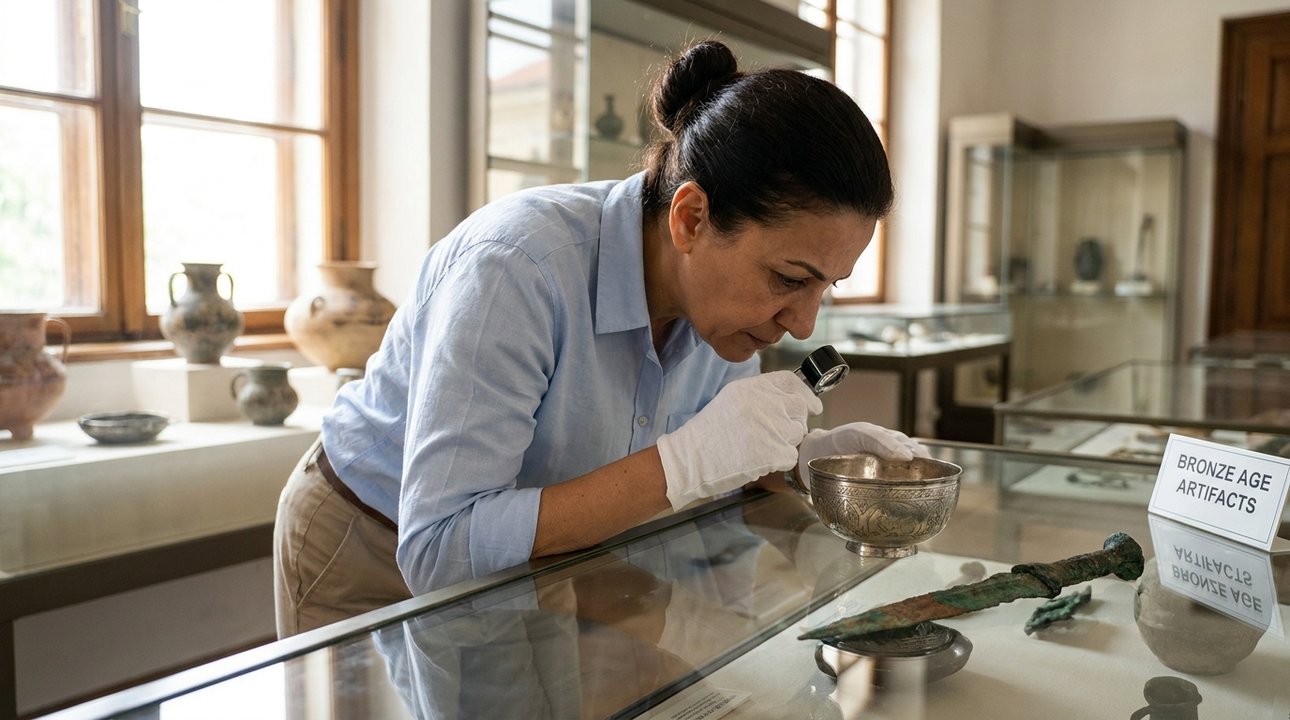
Elam is associated with advanced metallurgical techniques, as seen in bronze and silver artifacts. These artifacts provide insight into trade networks and cultural exchanges with neighboring regions. The craftsmanship reflects their ability to blend function and aesthetics, a hallmark of their civilization.
The People and Culture of Elam
Elam’s people were diverse, with a culture rich in art, religion, and governance. Their language, though distinct, shows influence from neighboring Mesopotamian tongues. Used in inscriptions, this language provides evidence of interactions with Mesopotamia. Religious practices in Elam reflected a blend of native and foreign influences, including those from Sumer. They crafted exquisite pottery and metalwork, indicative of their high craftsmanship. Understanding this civilization highlights their role in the ancient world.
Religious texts and temple artifacts from Elam reveal a pantheon of gods, with Inshushinak being a principal deity in Susa. These practices highlight the syncretism in their spirituality, incorporating elements from surrounding cultures. The craftsmanship in their art and religious objects underscores their role as cultural innovators.
Elam’s Influence on Surrounding Regions
Elam’s influence extended beyond its borders, impacting neighboring regions through trade and warfare. It served as a cultural mediator, transmitting ideas between Mesopotamia and the Iranian plateau. Their military excursions and alliances are documented in historical sources, such as Assyrian records. Elam’s strategic position made it crucial in the geopolitical landscape of early times, highlighting its role as a hub of interaction and influence.
from the Western Wall to Masada.
The people of Elam traded with Mesopotamian cities like Ur and Babylon, exchanging goods such as textiles and metals. These interactions facilitated cultural exchanges and technological innovations. Their military prowess is noted in records of battles against Assyrian kings, showcasing their role as formidable adversaries in regional power struggles.
Elam in Post-Historical Context
After the early historical era, Elam continued to impact the region, influencing Persian and subsequent empires. Its heritage was absorbed into broader cultural and political developments in Iran. The civilization played a role in the formation of the Achaemenid Empire, which rose under Cyrus the Great in the 6th century BCE. Elam’s integration into the Achaemenid Empire marked a turning point, blending its identity with emerging Persian powers.
Elam’s contributions to the administrative and cultural foundations of the Achaemenid Empire are significant. Their influence is evident in the use of their language as one of the official languages of the empire, as seen in inscriptions at Persepolis. This linguistic legacy highlights their enduring impact on Persian governance and culture.
Exploring the post-historical legacy of Elam provides a bridge to its lasting impact on regional histories. Their influence can be seen in administrative practices and art forms adopted by Persians. This fusion of cultures contributed to the mix of the ancient Near East, influencing architecture and sculpture. Historical records from the Achaemenid Empire show clear influences, demonstrating Elam’s lasting imprint on the region’s development.
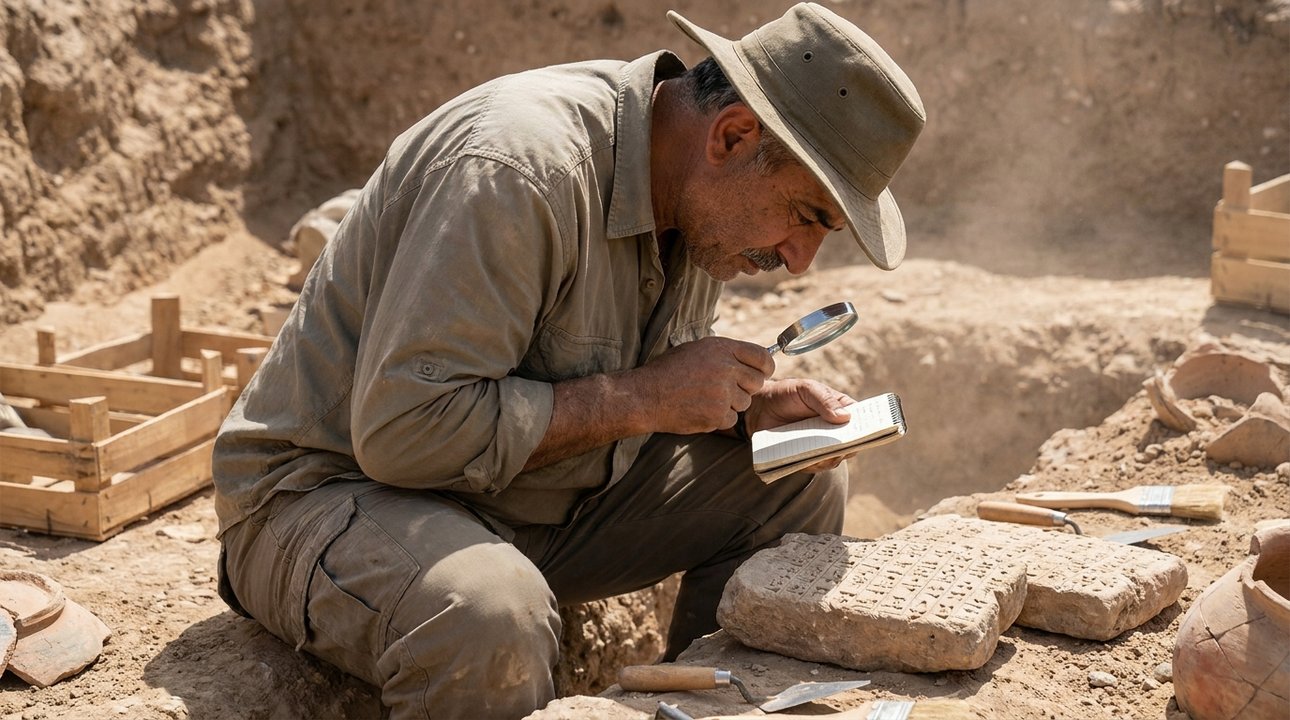
Elam’s influence extended into governance and administration, as seen in the adaptation of their bureaucratic methods by Persian rulers. This cultural intermingling is evident in administrative tablets discovered at sites like Susa and Persepolis. These tablets reveal sophisticated systems of record-keeping and governance pioneered by Elam, later adopted by their Persian successors.
Modern Recognition of Elam’s Legacy
Today, Elam’s legacy is recognized by historians and archaeologists who explore its contributions. Modern Iran acknowledges this civilization as a significant precursor in its national history. Their society is often highlighted in discussions about Iranian culture origins. Museums and research institutions work to preserve their artifacts and knowledge, showcasing this ancient society. The Louvre Museum in Paris, for example, houses a collection of artifacts, showcasing the artistic achievements of this early society.
The British Museum also features artifacts from Elam, including inscriptions and sculptures, which help illustrate the daily life and religious practices of this civilization. These collections provide valuable resources for researchers and the public, fostering a greater appreciation for their role in shaping the cultural heritage of the region.
Elam’s enduring presence in academic studies underscores its importance in understanding the development of ancient societies. By studying this civilization, we gain valuable perspectives on the ancient world and its interconnected cultures. Their contributions to art, language, and governance continue to be subjects of scholarly research. Studies often focus on their language, considered a linguistic isolate, providing unique insights into ancient communication.
The language of Elam, found in inscriptions and tablets, offers clues about their interactions with neighboring cultures like the Akkadians and Babylonians. Scholars study these texts to uncover the nuances of their society and its influence on later civilizations. Their governance systems, reflected in administrative tablets, reveal a sophisticated bureaucracy that influenced later Persian administrative practices.
Understanding Elam
