
Exploring the Elamites in the Bible


The Elamites were an ancient group known for forming a coalition of kings. King Chedorlaomer of Elam led this alliance against other rulers. They were based in what is now southwestern Iran, historically known as Elam. They appeared in early narratives alongside other ancient peoples. Their strategic position gave them an important role in regional politics.
The Elamites’ interactions with neighboring groups were complex, reflecting the intricate relationships of the ancient world. These interactions highlight their role in regional history.
from the Western Wall to Masada.
Who Were the Elamites in History?
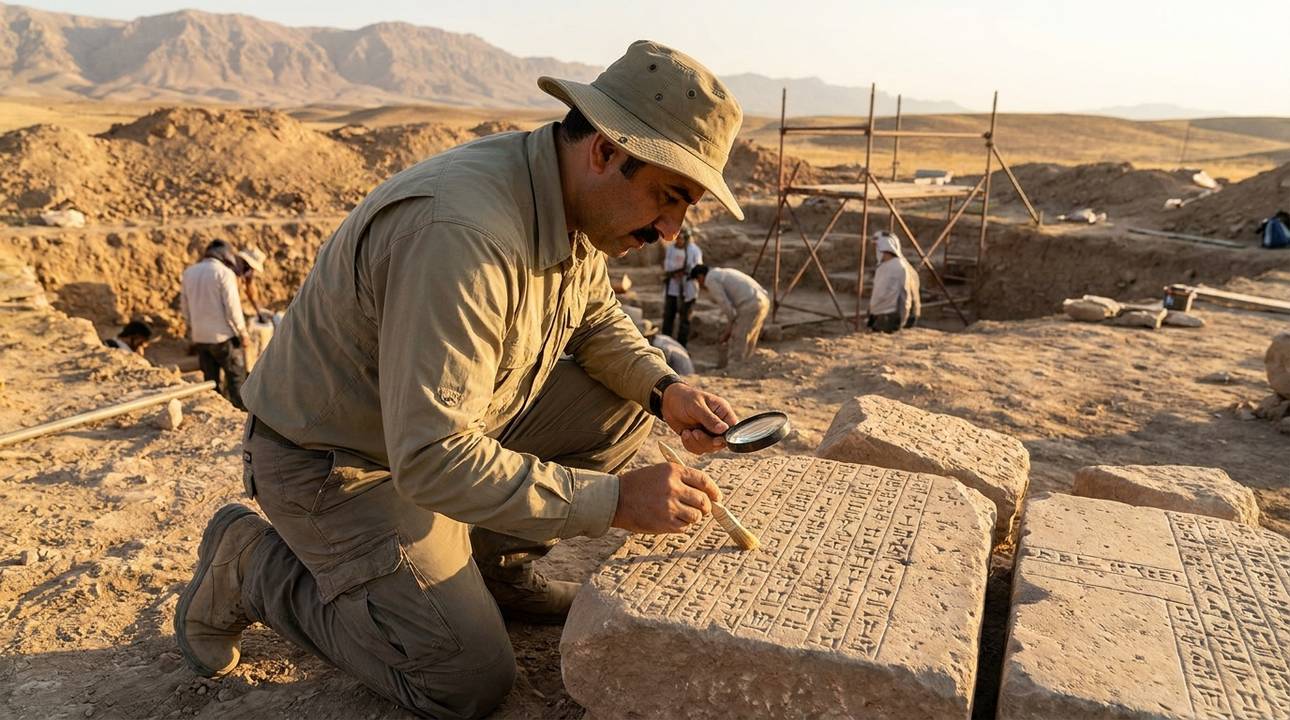
The Elamites were a people from what is now southwest Iran. They are among the oldest civilizations, active in regional politics and conflicts. Archaeological findings show they had a distinct language and script. Their proximity to Mesopotamia influenced their culture. At its height, their kingdom played a crucial role in the power dynamics of the ancient Near East. Their language, Elamite cuneiform, was used in official inscriptions, highlighting their administrative capabilities.
Historical References to the Elamites
The Bible mentions them in Genesis 14, where they were involved in warfare. The narrative includes King Chedorlaomer and his campaign against other kings. This highlights their importance during the patriarchs’ era. Chedorlaomer’s coalition shows the political landscape of the time. Their campaign against cities like Sodom highlights the strategic significance of trade routes.
The mention of this group underscores their historical presence. King Chedorlaomer led a coalition in a regional conflict. They are referenced in other accounts, noting their eventual downfall, illustrating their significance in the region’s history. This highlights their influence and the shifting power dynamics of the ancient Near East. The accounts speak of a time when Elam’s military might declined, reflecting the broader theme of rise and fall among ancient societies.
Elamite Influence and Interactions
The Elamites impacted Mesopotamian politics, engaging in alliances and wars. Their stronghold, Susa, served as a cultural and political hub. This city is mentioned in various texts as a significant center. These interactions are chronicled in historical texts and other records. Susa’s prominence underscores their role in the cultural and political landscape. The remains of Susa, including the Apadana and royal complex, highlight its importance. Their ability to maintain such a city shows their organizational skills.
They played roles in dynastic changes and military campaigns. Their influence extended culturally, leaving archaeological sites and artifacts. Their interactions with the Assyrian and Babylonian empires are documented, showing their strategic importance. Notably, Elamite kings like Shutruk-Nakhunte participated in military campaigns, impacting regional power dynamics. His conquest of Babylon around 1158 BCE marked a shift in power. His victory is recorded on a famous stele, later taken by the Babylonians. Their location between Mesopotamia and the Iranian plateau allowed them to control trade routes. This control facilitated cultural exchanges and military expeditions.
Cultural and Historical Legacy of the Elamites
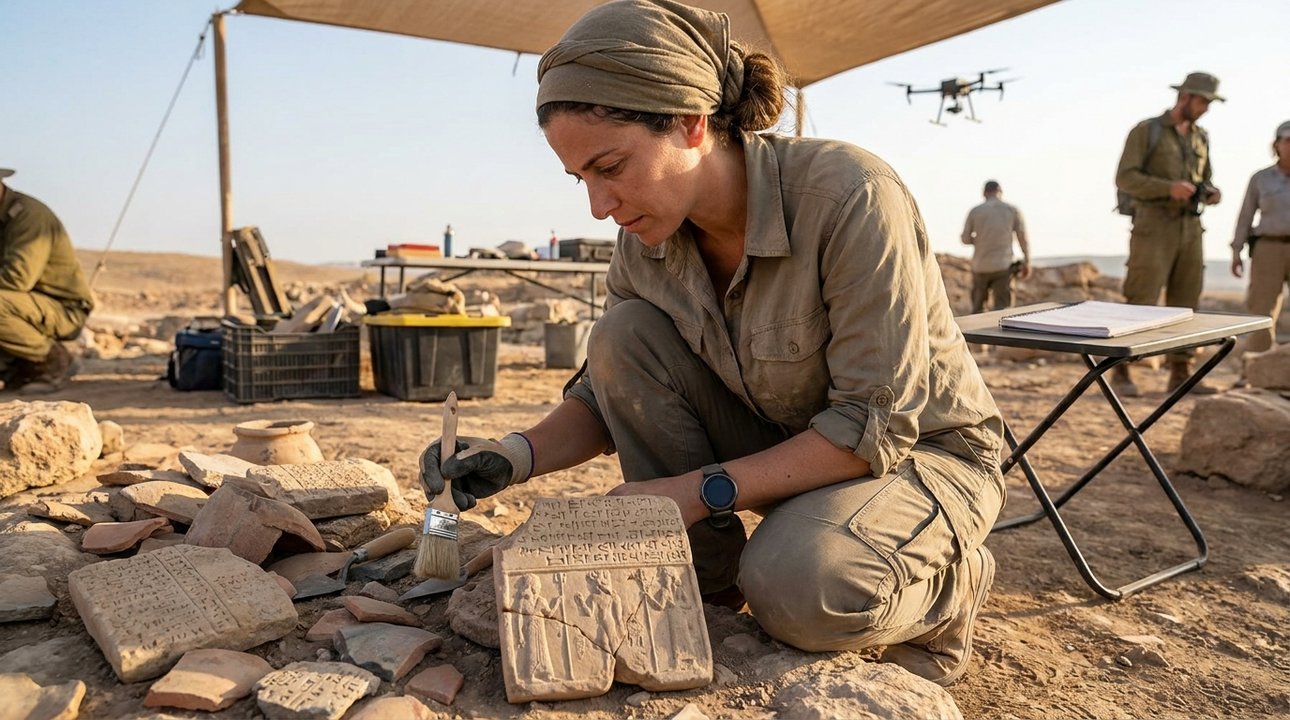
Despite the passage of time, the Elamites left a significant legacy. Discoveries like pottery and inscriptions provide insights into their life and governance. Their religion included unique deities, distinct from those of Mesopotamia. The influence of Elam is seen in the region’s art, architecture, and religious practices. These elements mark them as a distinctive contributor to ancient history. Their pantheon included gods like Inshushinak, reflecting their beliefs. Their art, with intricate designs, illustrates their cultural sophistication.
from the Western Wall to Masada.
Elamites and Modern Studies
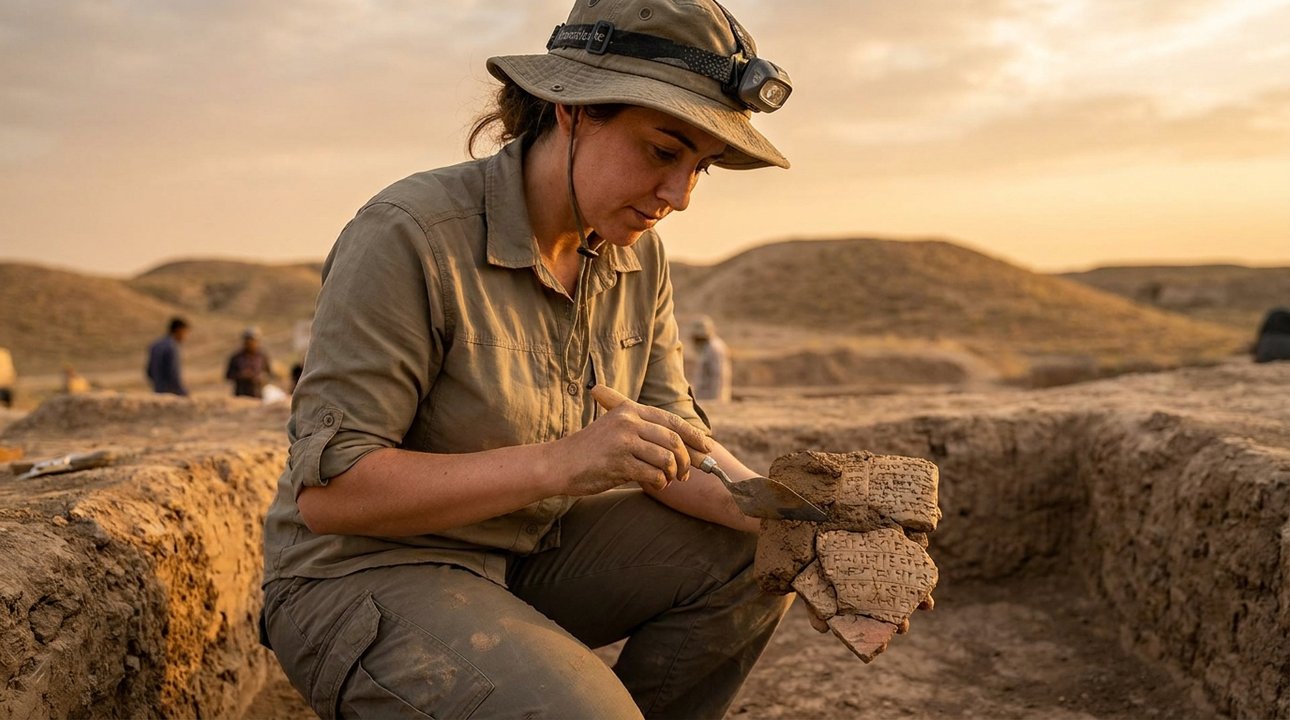
Modern archaeology and scholarship continue to uncover insights into this society. Excavations at Susa and other sites have expanded our understanding. These excavations revealed artifacts like clay tablets with Elamite cuneiform, providing information about their language and administration. These studies help piece together the interactions among ancient societies, highlighting their contributions. The discovery of records offers a glimpse into their governance. These findings contribute to understanding how they managed territories and interacted with neighbors.
They help clarify their role in historical narratives. By examining artifacts, researchers analyze their influence over time. Discoveries at sites like Haft Tepe and Chogha Zanbil shed light on their civilization. These sites reveal architectural and cultural advancements. Chogha Zanbil, for example, has a well-preserved ziggurat, highlighting their architectural prowess. Built around 1250 BCE, it was dedicated to the god Inshushinak. Artifacts at Haft Tepe, including inscriptions, provide insights into their life. These findings underscore their society’s complexity and interactions with cultures.
The Elamites in Historical Context
Historically, Elam was a powerful neighbor and often an adversary to Mesopotamian civilizations. Records from Assyrian and Babylonian sources discuss battles and treaties. Their strategic location made them crucial players in Near East politics. Their kingdom’s ability to interact with regions like Babylonia shows their significance. Elam’s decline began around the first millennium BCE. The Assyrian king Ashurbanipal’s campaigns marked a turning point, leading to their downfall. Despite their decline, their contributions continued to influence the region.
Conclusion: The Elamites’ Historical Impact
Their appearances in texts highlight their role in early history. Their interactions with civilizations position them as key contributors to regional events. Understanding them enriches historical narratives, adding depth to studies. Their presence reflects the interconnectedness of ancient peoples.
Their legacy endures through archaeological findings and texts, intriguing scholars and enthusiasts. This suggests they maintained cultural connections after their political power waned. The mention highlights their influence beyond traditional borders. This illustrates the interconnectedness of ancient societies and cultural exchanges.
Elamites in Historical Context
