
Discovering En Hakkore in Lehi


En Hakkore, located in Lehi, is an intriguing site within historical narratives. Known as the place where a legendary figure called upon help and water miraculously flowed from a rock, it holds significant importance.
This article delves into its meaning and the role it played in the tale, highlighting themes of reliance and intervention.
The miraculous provision of water at En Hakkore serves as a powerful symbol of care and sustenance. It illustrates the theme of reliance on aid, a recurring motif in historical narratives.
The story is one of many that emphasize the importance of trust in intervention.
The narrative of En Hakkore invites readers to reflect on their own lives and consider the ways in which trust can provide strength and comfort during difficult times, reinforcing the timeless message of hope and resilience.
from the Western Wall to Masada.

What Is En Hakkore?
En Hakkore, meaning ‘the spring of the caller,’ is tied to a legendary figure in historical texts. This site is where, after a remarkable victory, the figure called out in desperation for water.
This event symbolizes intervention and sustenance, addressing both the physical and spiritual needs of historical heroes.
It underscores the reliance on aid during moments of vulnerability.
The significance of En Hakkore extends beyond a single event. It highlights the broader theme of support in times of need, a recurring motif throughout historical narratives.
The experience at En Hakkore serves as a reminder of the importance of trust in assistance, especially during critical moments.
This narrative not only illustrates the physical relief provided but also represents the spiritual sustenance that individuals can find through trust, reinforcing the enduring connection between the divine and humanity.
En Hakkore highlights the miraculous and divine support given to a legendary figure. It illustrates an act of mercy during a time of great need. The episode emphasizes a moment of reliance on higher power.
After a significant victory, the figure was exhausted and in need of water. This event takes place following the victory, central to understanding the journey and trials.
The miraculous provision of water underscores the theme of assistance in times of need, reflecting the broader narrative of interaction.
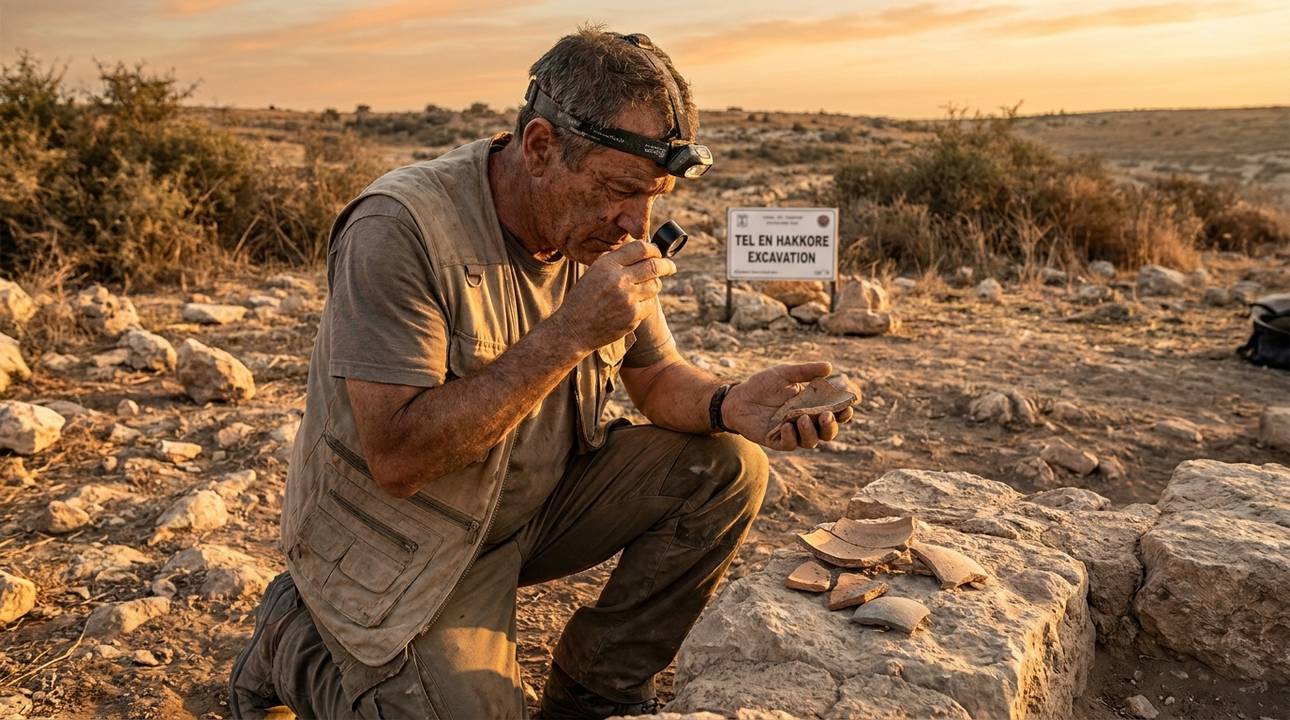
A Journey in Lehi
Lehi, located between the Shephelah and the Judean hills, was important in historical narratives. This region, serving as the backdrop for many encounters, was a place of conflict and acts. The area is mentioned in historical texts, where battles and victories unfolded. The presence of En Hakkore in this region reinforces Lehi’s significance as not just a battleground but also a symbol of interaction. Understanding Lehi’s geography is essential to grasp the broader narrative of the time and struggles against adversaries.
The geographical features of Lehi, including its valleys and hills, provided strategic advantages and challenges for the inhabitants. This landscape influenced the tactics and outcomes of battles.
The terrain played a crucial role in shaping the events described in historical texts. By understanding the physical setting of Lehi, we can better appreciate the complexities of the narratives and the significance of the region in history.
The geographical setting of Lehi adds context to struggles and triumphs. This area was historically a border territory, witnessing frequent clashes and power shifts.
Lehi’s location made it a strategic point during the era of the Judges, offering a strategic location, serving as both a passage and a battleground.
Such geographical insights enrich the understanding of the complex dynamics faced by the characters in the narratives, highlighting the challenges of living in a contested region.
The strategic importance of Lehi is evident in its role as a site of conflict and acts. The region’s geography influenced the events described in historical texts, shaping the tactics and outcomes of battles.
Understanding the physical setting of Lehi provides valuable insights into the historical context of the narratives.
These geographical insights help readers appreciate the complexities of the stories and the significance of the region in history, highlighting the challenges faced by its inhabitants.
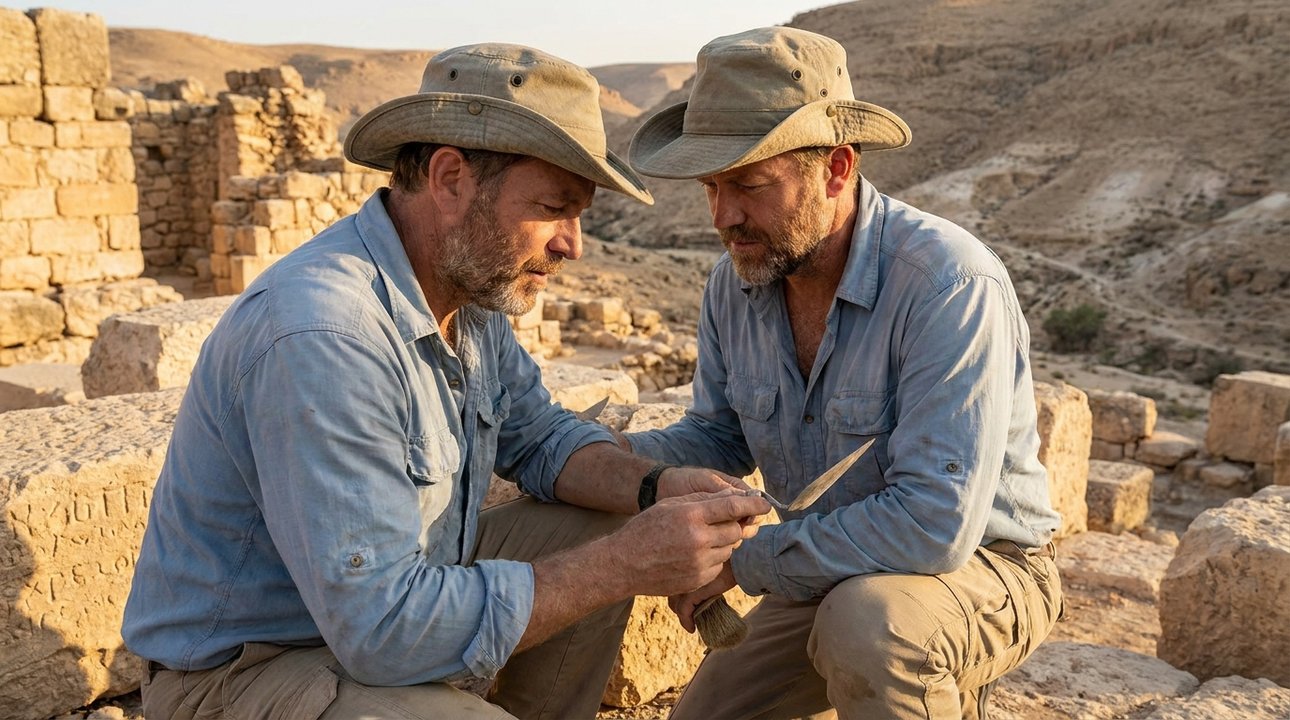
The Tale of En Hakkore
En Hakkore’s significance is deeply entwined with acts of heroism and dealings told in historical texts. A plea for water and its miraculous provision serve as a sign of the faith and endurance of leaders. This event underlines themes of reliance, intervention, and ultimate deliverance at critical moments. Such stories offer insight into the cultural fabric of history.
En Hakkore is not just about physical survival but also about the journey of leaders. It reflects the challenges they faced and the support they received in their mission to lead and protect their people.
This narrative is a powerful reminder of the enduring bond between the divine and the chosen leaders.
Through these stories, we gain a deeper understanding of the values and beliefs that shaped society, highlighting the importance of faith and intervention in their lives.
The narrative of En Hakkore also exemplifies a personal moment of vulnerability. A cry for help reflects a human need met by supernatural provision. This interaction portrays the intimate relationship between the divine and the chosen individuals.
The plea highlights reliance on higher intervention. The event is a reminder of the constant presence and readiness to aid in times of genuine need.
It underscores the belief that even the strongest individuals require support beyond their own capabilities, emphasizing the importance of faith and trust.
from the Western Wall to Masada.
En Hakkore serves as a sign of the idea that assistance is available to those who call upon it sincerely. The experience illustrates the power of faith and the comfort that comes from knowing that help is always within reach. Such narratives resonate with readers, offering lessons on humility and the recognition that strength is not solely measured by physical prowess but also by the ability to seek and accept help when needed.
Archaeological Insights on Lehi
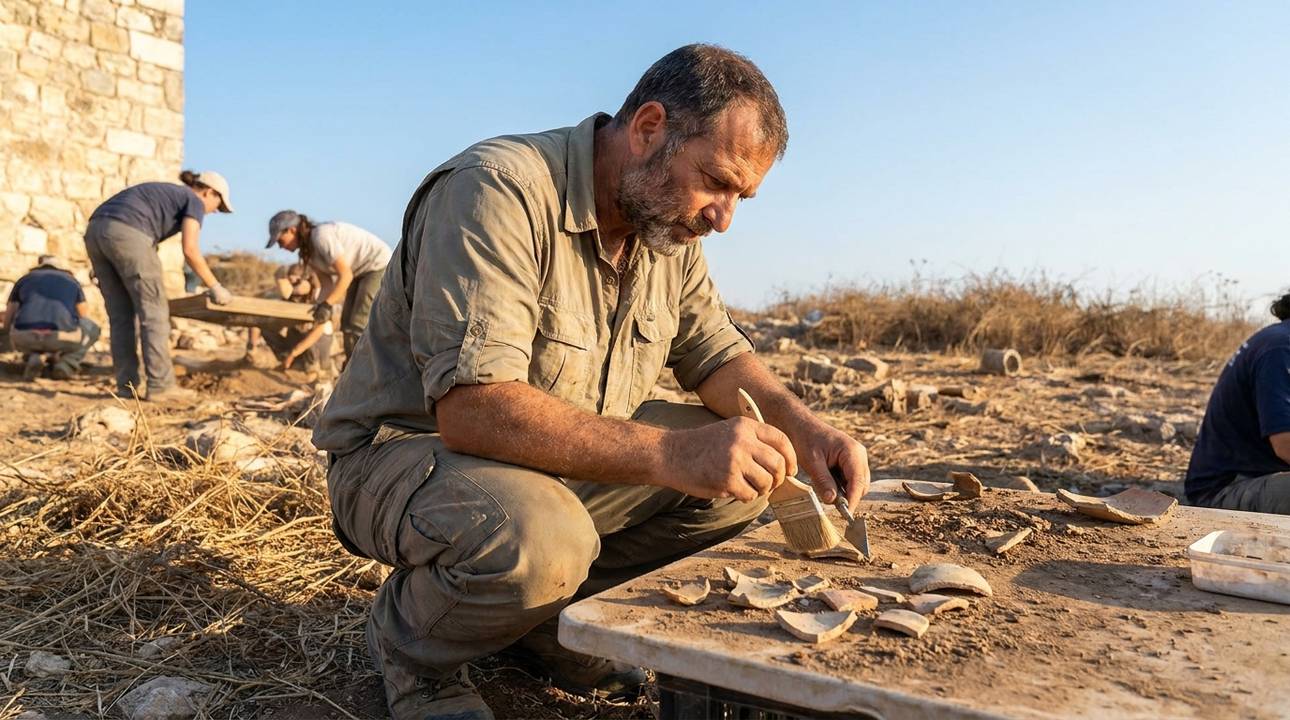
While the exact location of En Hakkore remains uncertain, archaeological endeavors continue in the Lehi area. Artifacts discovered nearby often serve to enrich our understanding of the daily life and historical setting relevant to the era.
Excavations have unearthed pottery and tools that date back to the time of the Judges, providing a glimpse into the material culture of the period. These findings are invaluable in reconstructing the cultural and material world of the texts.
Such explorations bridge the ancient narratives with tangible historical evidence, allowing us to connect more deeply with the stories.
Lehi’s archaeological significance extends beyond historical associations. Findings contribute to the greater narrative of Israel’s history during periods of conquest and settlement.
Excavations have revealed artifacts dating back to the Iron Age, providing insights into the daily lives of its inhabitants. Each artifact uncovered shares a whisper of the past, shedding light on habitation patterns, trade, and interactions.
Piecing together these elements helps contextualize the events with historical realities, offering a deeper understanding of the region’s significance.
The archaeological discoveries at Lehi include pottery fragments, tools, and other everyday items that paint a picture of life during the Iron Age.
These findings help historians and archaeologists understand the social and economic aspects of the period, revealing connections between different communities.
By examining these artifacts, researchers can trace the development of trade routes and cultural exchanges, enriching our knowledge of the historical context in which events unfolded, and providing a tangible link to the past.
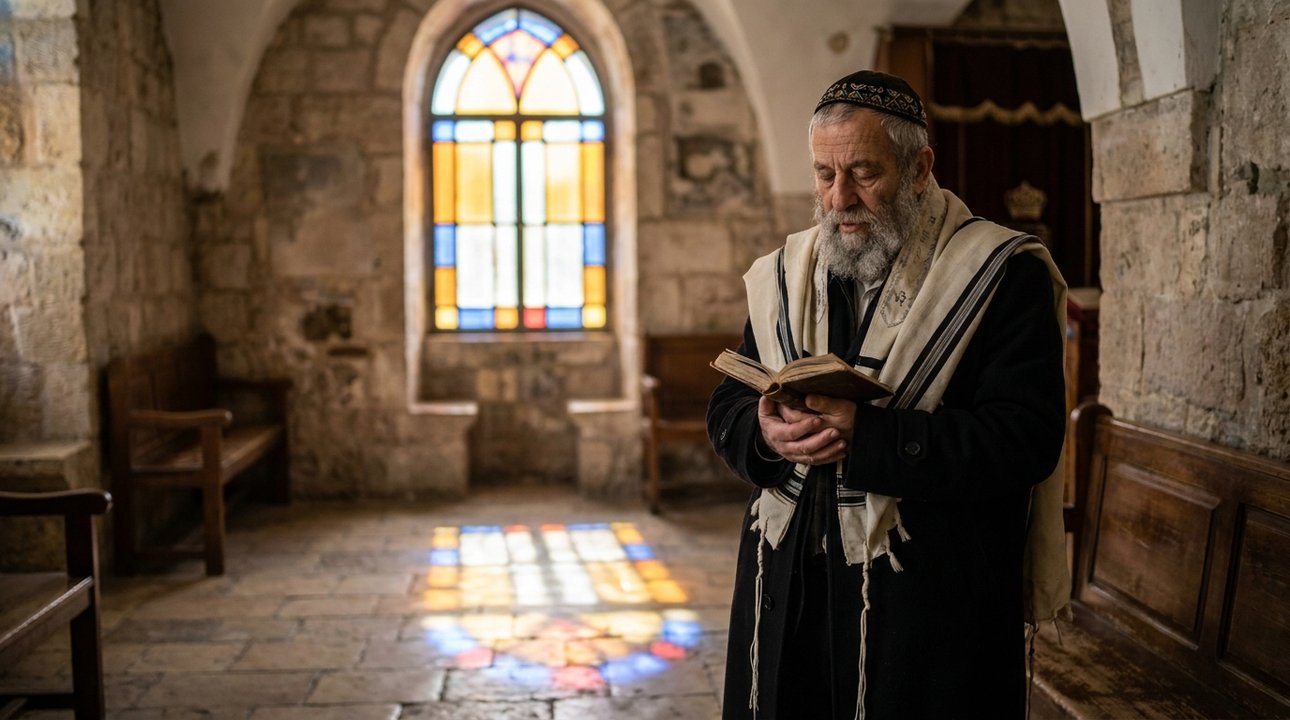
En Hakkore’s Symbolic Meaning in Texts
The account of En Hakkore offers profound symbolism within the narrative. It captures the notion of mercy and provision in times of desperation and need. This imagery encourages reflection on faith and reliance upon higher guidance for sustenance and deliverance. As such, it resonates with both ancient and modern readers, offering lessons of hope and trust. The narrative serves as a reminder of the power of faith in overcoming life’s challenges, providing inspiration and encouragement.
The symbolism of En Hakkore extends beyond its immediate context, showing the broader themes of divine care and human reliance on higher powers. This narrative encourages individuals to seek guidance and support from beyond themselves, reinforcing the importance of faith and trust in navigating life’s challenges. Through this story, readers are reminded of the enduring power of faith and the belief that divine assistance is always available to those who seek it sincerely, offering a message of hope and resilience.
En Hakkore serves as more than just a physical location; it embodies spiritual refreshment and support. The narrative emphasizes the interplay between human frailty and divine strength. Its symbolic value extends into spiritual teachings and reflections within tradition.
The water from the rock symbolizes renewal and sustenance. These themes continue to be relevant, inspiring continuity and faith in life’s journeys.
The story encourages individuals to seek strength beyond themselves, reinforcing the importance of faith and perseverance in overcoming challenges.
En Hakkore is a reminder of the enduring power of faith and the belief that assistance is available in times of need. It highlights the importance of maintaining hope and trust, even when faced with seemingly insurmountable challenges. This narrative is still remembered individuals to draw upon their faith for strength and guidance, offering a timeless message of hope and the transformative power of intervention in our lives.
Understanding En Hakkore
