
Discovering the Significance of Aenon in the Bible


Aenon is recognized as a location associated with baptisms performed by John the Baptist. Located near plentiful streams, it provided an ideal setting for these significant rituals. The site is noted for its abundant water, essential for baptism.
This article delves into Aenon’s geographical and historical context, and its role in cultural heritage, offering insights into its enduring symbolism. The site’s natural resources made it a gathering place.
What Is Aenon in the Bible?
Aenon is mentioned in historical texts, particularly in relation to John the Baptist. It is noted as a significant location for his activities.
The abundant water resources were vital for ceremonial practices, highlighting Aenon’s role as a key site for these practices in historical narratives. The presence of water is often seen as symbolic of purification and renewal, making Aenon a fitting location for such rites.
from the Western Wall to Masada.
Where Was Aenon Located?
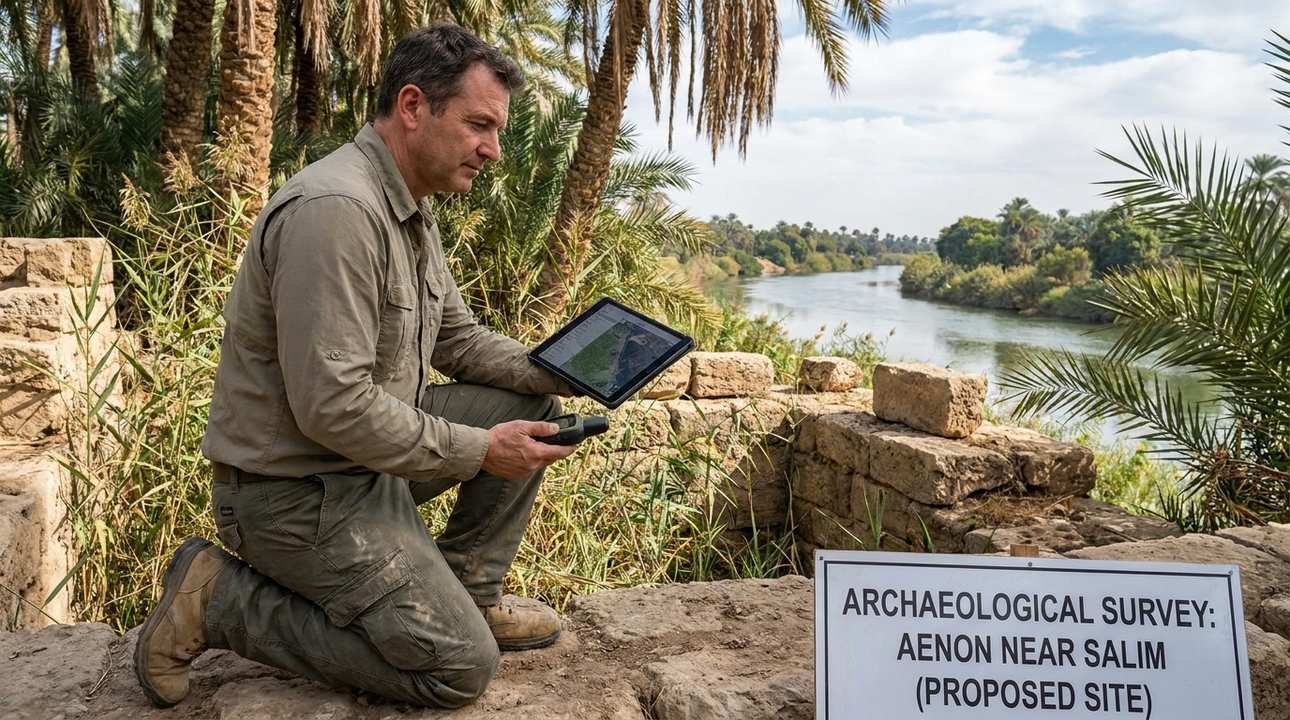
The exact location of Aenon remains a subject of scholarly debate. It is generally believed to have been situated near Salim, likely in the region of the Jordan River.
Its precise identification is uncertain, but historical accounts place it in a water-abundant area ideal for performing ceremonies. This reinforces its role in early rites and the activities of John the Baptist, serving as a focal point for gatherings.
Some scholars propose locations near the ancient city of Shechem.
Historical Context of Aenon
The historical importance of Aenon is primarily connected to the activities of John the Baptist. In historical times, sites like Aenon played critical roles in the dissemination of teachings and practices.
Aenon is mentioned as a place where John baptized, underscoring its significance as a hub for early activities and community gatherings. These gatherings were pivotal in spreading the messages and teachings of the time.
Aenon’s abundant water resources facilitated these gatherings, enhancing its role.
Aenon and John the Baptist
John the Baptist, a central figure in historical texts, used Aenon as a place for baptizing followers. The choice of location underscores the practicality, as well as the symbolic purity of water in his rituals.
Aenon was chosen because there was plenty of water, making it ideal for these ceremonies. Through this practice, Aenon became a part of the narrative of renewal and preparation, marking a significant phase in John’s activities.
The abundant water symbolized cleansing and new beginnings.
Significance of Water in Baptism
Water serves as a powerful symbol of purification and renewal in both Jewish and early Christian traditions. Aenon, with its abundant water resources, became synonymous with these symbolic themes.
The narrative highlights Aenon as a place where water facilitated significant rites. This underscores its importance as a site of transformation, echoing the broader themes of cleansing and rebirth.
The symbolism of water at Aenon continues to resonate in teachings.
Cultural Legacy of Aenon
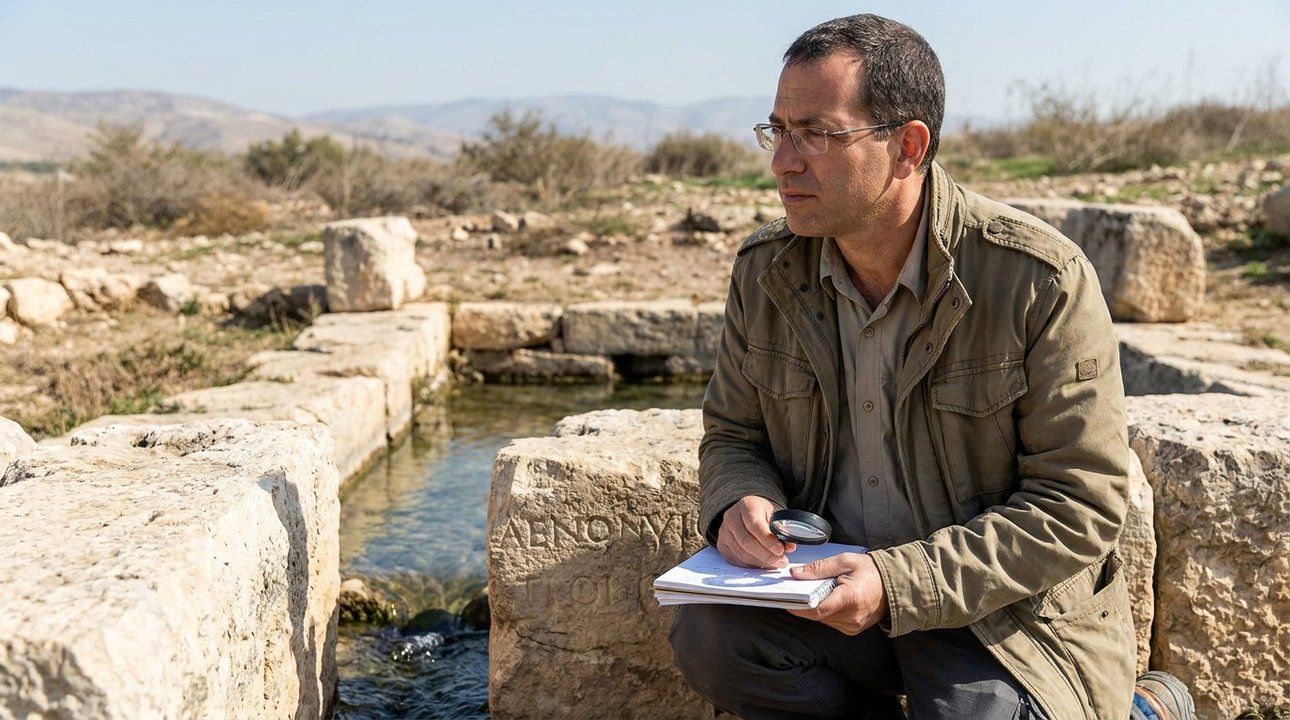
The legacy of Aenon extends beyond its mention, serving as a symbol of practices focused on purification. Linked to John the Baptist, Aenon represents a critical moment in history, where it facilitated baptisms due to its ample water supply. This association contributes to the foundation of baptismal traditions, highlighting the importance of purification and renewal in life. Aenon’s role in these rites underscores its lasting impact.
from the Western Wall to Masada.
Aenon in Modern Interpretations
In contemporary thought, Aenon is still remembered in interpretations of purity and renewal. Although its geographic details are sparse, its mention in key texts keeps it alive as a metaphorical symbol of tradition. Modern dialogues often explore themes of purification and rebirth, drawing on Aenon’s historical and symbolic legacy, reflecting its enduring influence in discussions. This site remains a significant point of reference for discussions on cleansing.
Aenon’s Influence on Christian Rituals
Aenon’s association with water baptisms is highlighted as a place where John the Baptist performed baptisms due to the abundance of water.
This connection emphasizes its impact on early rituals, marking it as a significant site for preparation and purification. These elements remain central to baptismal practices today, symbolizing a cleansing and renewal that continues to be a cornerstone of faith.
Geopolitical Aspects of Aenon
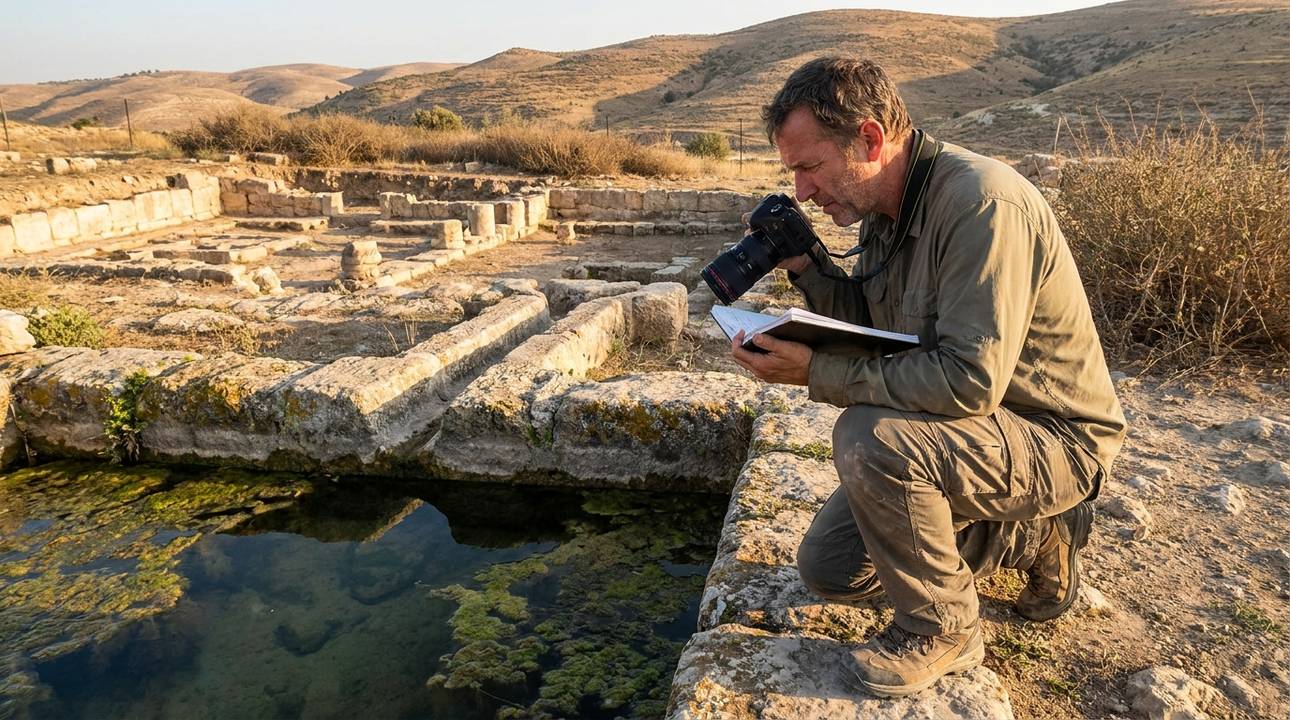
Neutral in its mention, Aenon’s location is significant for its physical characteristics rather than political context. The Bible describes it as a place abundant in water, which made it suitable for baptisms.
Its neutrality allows it to be viewed as a geographical and spiritual landmark rather than a place embroiled in contemporary geopolitical discussions. This neutrality maintains its universal spiritual theme, making it a place of reflection and renewal.
The lack of political ties enhances its role as a site of spiritual importance.
Reflections on Aenon’s Historical Role
The historical and religious themes linked to Aenon offer opportunities for reflection on spiritual practices and traditions. In the Bible, Aenon is depicted as a site of baptism by John the Baptist, illustrating its role in the religious narratives of the time. This portrayal enriches our understanding of its significance, emphasizing continuity in spiritual symbolism and practice, as seen in the ongoing importance of baptism in various Christian denominations, highlighting its legacy.
Understanding Aenon