
Unveiling the Legacy of Jebus in History


Jebus is an ancient city known today as Jerusalem. Its roots stretch back to the Jebusites, the original inhabitants. This article explores its history, significance, and enduring legacy.
The Jebusites were a Canaanite tribe, and their settlement was strategically located on the hills of Judea. This prime location made it a coveted prize for ancient rulers. The capture of this city is detailed in historical texts.
The transformation of Jebus into Jerusalem marked a significant turning point in the region’s history. Elevating it to the capital of Israel is a key moment in history, symbolizing a new era of unity and cultural synthesis. Jebus’s strategic location and fortified defenses made it an ideal choice for a capital. Its history is a sign of the enduring legacy of the Jebusites and their contributions to the cultural and historical fabric of Jerusalem.
from the Western Wall to Masada.

What Was Jebus in Historical Times?
Jebus is referenced in various historical texts as a fortified city inhabited by the Jebusites. It is first mentioned in ancient passages, highlighting its significance as a Canaanite stronghold. Its strategic location on the central hill country made it a valuable asset for regional control.
The fortified walls and strong defensive position of Jebus were important in ancient warfare, serving as a deterrent to invaders. These defenses are noted in historical records, underscoring its importance in the region’s history.
The fortifications of Jebus were a sign of the Jebusites’ engineering skills. These defenses played a crucial role in the city’s ability to withstand sieges and maintain control over its territory. The strategic importance of Jebus is further highlighted by its eventual capture, recognizing its potential as a central capital for a united Israel. Its location and defenses made it an ideal choice for establishing a new political and cultural center.
The Jebusite People and Their Culture
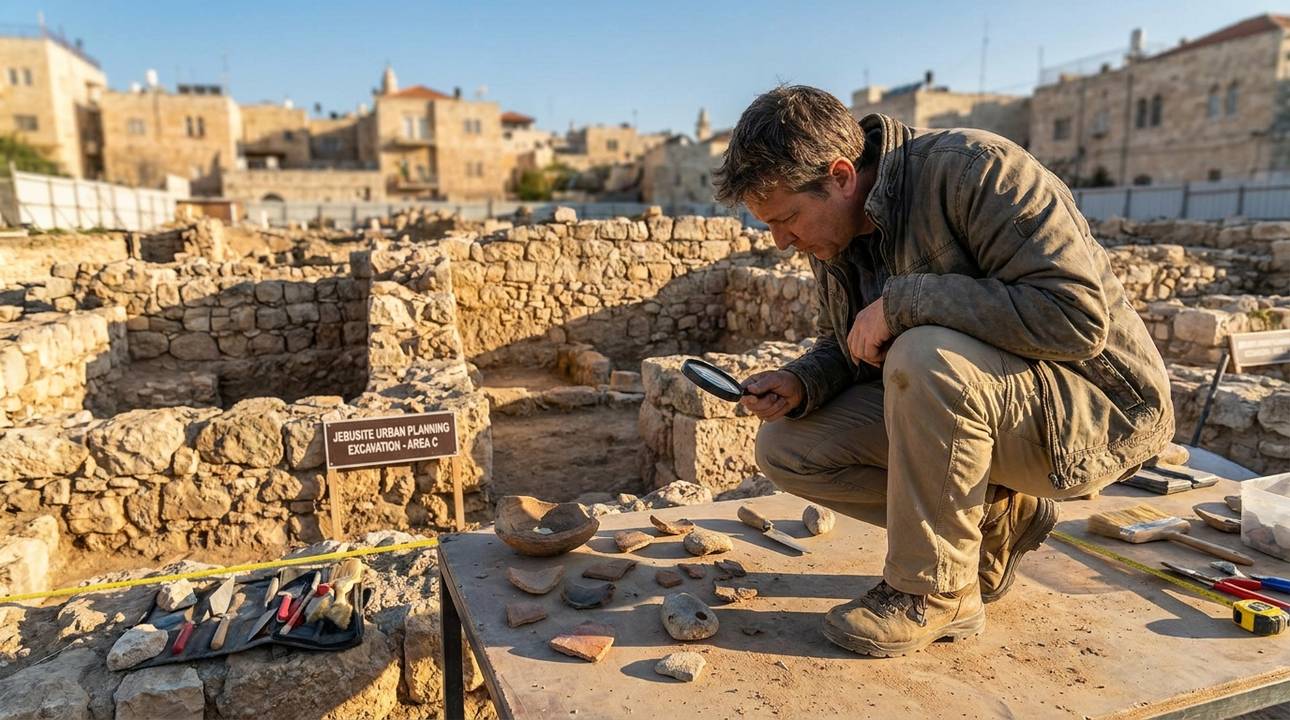
The Jebusites were a Canaanite tribe known for their stronghold in what later became Jerusalem. Archaeologists suggest that they were skilled builders, known for constructing fortified structures. Excavations have revealed remnants of these fortifications, providing insights into their engineering prowess.
Despite their eventual conquest, the Jebusites left a lasting mark on the region, evidenced by local stories and cultural influences. Their legacy is seen in the architecture of the area, which reflects a blend of Canaanite and later influences.
Understanding the Jebusites’ way of life provides insight into the complexities of early Jerusalem. Historical texts and archaeological finds suggest they were a significant presence in the region. Their influence is noted in the Bible, with references to their interactions with the Israelites. The Jebusites’ contributions to the culture of Jerusalem are significant. Their skills in construction and urban planning laid a foundation that would be built upon by successive civilizations, each adding their own layers to the city’s history.
The Conquest of Jebus
The turning point for Jebus came when it was captured. According to historical texts, the stronghold was taken and renamed. This conquest transformed Jebus from a Canaanite stronghold into the political and cultural heart of Israel.
The strategic significance of Jebus as a central location contributed to its designation as the new capital. Its central position in the hill country made it an ideal choice for unifying the tribes of Israel under one monarchy.
The conquest of Jebus marked the beginning of a new era for the city, as it became the capital of a united Israel. Historical texts detail this event further, where the choice of Jerusalem symbolized a new national identity.
This decision had profound implications for the development of traditions. Elevating the city as a cultural center influenced practices and developments for centuries, laying the groundwork for its future significance in other cultures.
This pivotal event marked a new era for the area. By choosing Jebus, now Jerusalem, the tribes of Israel were unified under a single monarchy, symbolizing a new national identity.
The choice of Jerusalem as the new capital had profound implications for the development of traditions. It became a cultural and political center, influencing practices and developments for centuries.
David’s decision to make Jerusalem the capital was strategic, as it was centrally located and fortified. This choice not only unified the tribes but also established a lasting legacy for Jerusalem as a spiritual and political center. The role of the city as a hub for religious and cultural development is a sign of its enduring significance. Jerusalem’s influence has shaped the traditions and practices of multiple faiths, highlighting its importance in the region’s history.
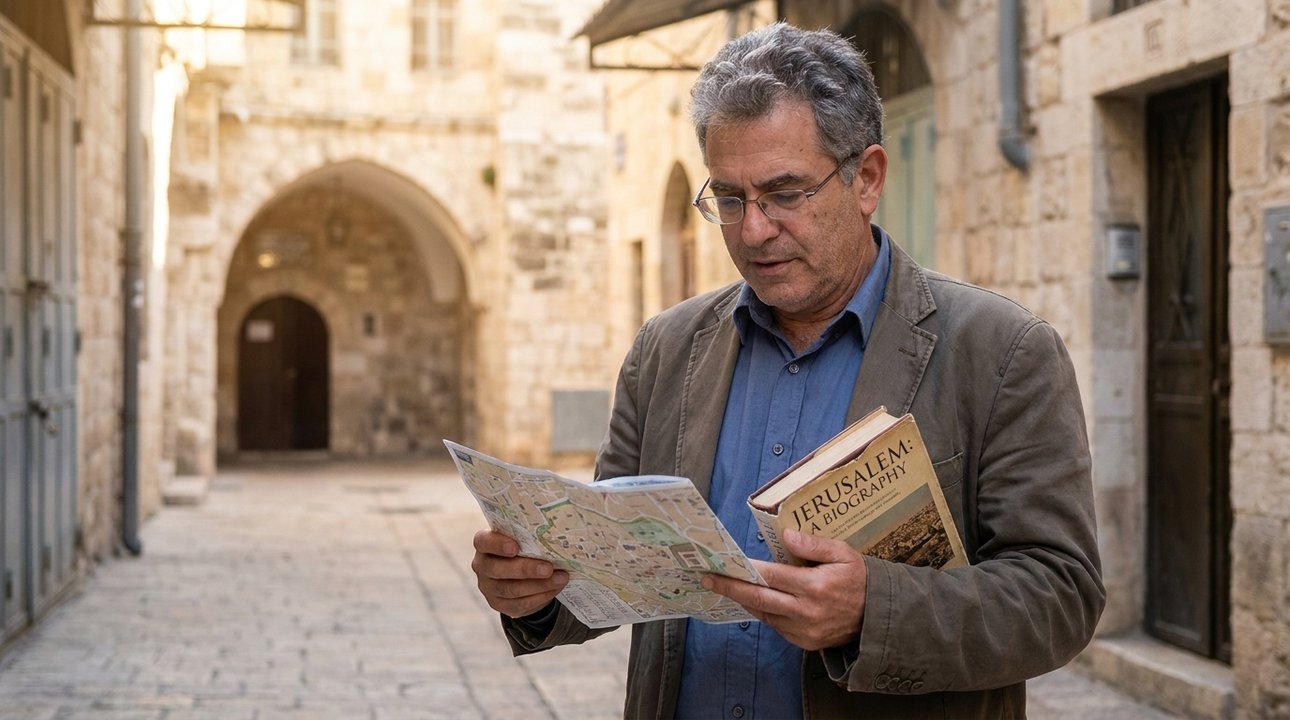
Jebus in Archaeological Discoveries
Archaeological excavations in Jerusalem have uncovered remnants believed to be from the Jebusite era. Findings such as ancient walls and various artifacts provide a glimpse into the life of its inhabitants. These remnants include pottery shards and tools that suggest a thriving community with skilled artisans.
These discoveries are crucial for understanding the transition from Jebusite control to Davidic Jerusalem, shedding light on shifts in architectural styles and urban planning. The remnants of fortifications indicate the strategic importance of the city.
The Jebusite era is marked by the construction of formidable defenses, which played a key role during the transition to new rule. Historical texts mention the city’s capture, marking a significant change in the city’s history.
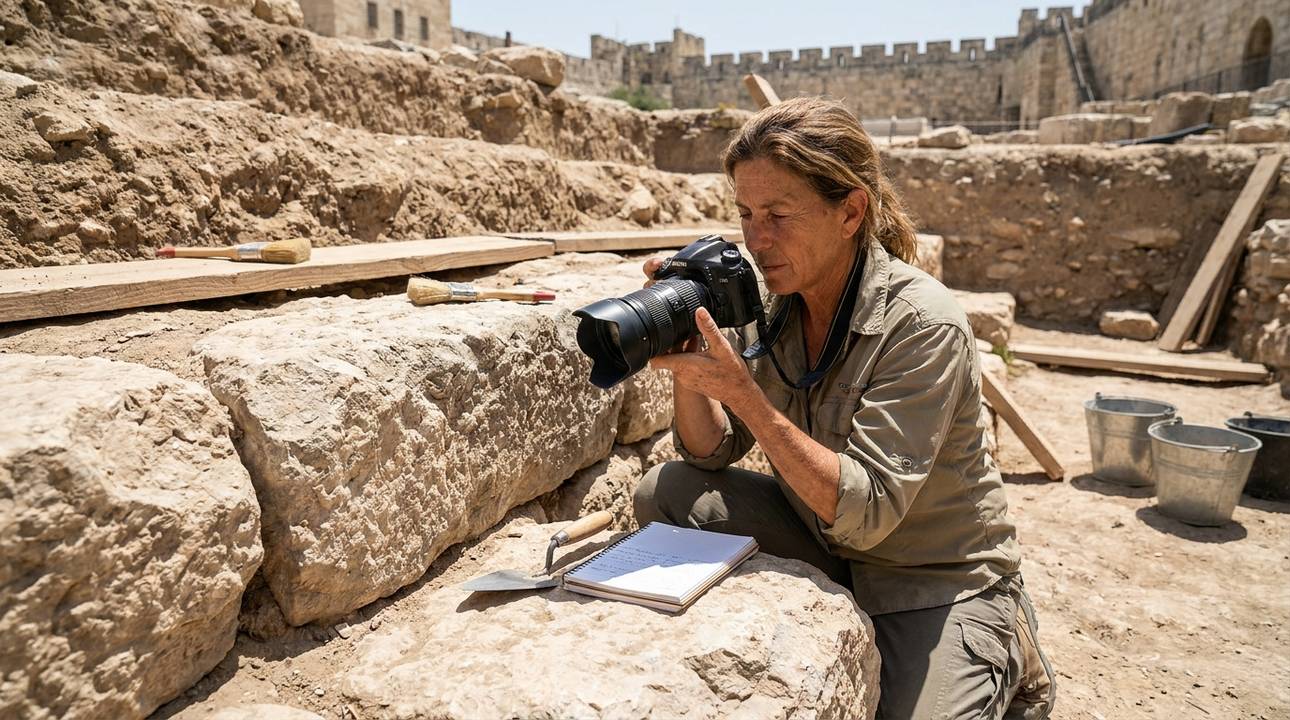
Artifacts found, such as the Stepped Stone Structure, suggest a complex society with advanced building techniques. These insights help us appreciate the cultural and historical layers that have shaped Jerusalem over millennia.
Such findings help scholars piece together the history of Jerusalem, illustrating its evolution and the influence of different cultures over centuries. Archaeological discoveries, like the Stepped Stone Structure, provide insights into the city’s ancient fortifications.
Ongoing archaeological work continues to reveal new aspects of this ancient city’s story. Each layer unearthed tells a story of conquest, settlement, and cultural exchange, enriching our understanding of Jerusalem’s past.
The Stepped Stone Structure is one of the key archaeological findings that shed light on the ancient fortifications of the city. This structure, along with other discoveries, helps scholars understand the architectural and urban planning techniques of the Jebusite era.
These findings are crucial for piecing together the history of Jerusalem, offering insights into its evolution and the cultural influences that have shaped it over time. The ongoing work of archaeologists continues to enrich our understanding of this ancient city.
from the Western Wall to Masada.
Jebus Today: A Legacy Remembered
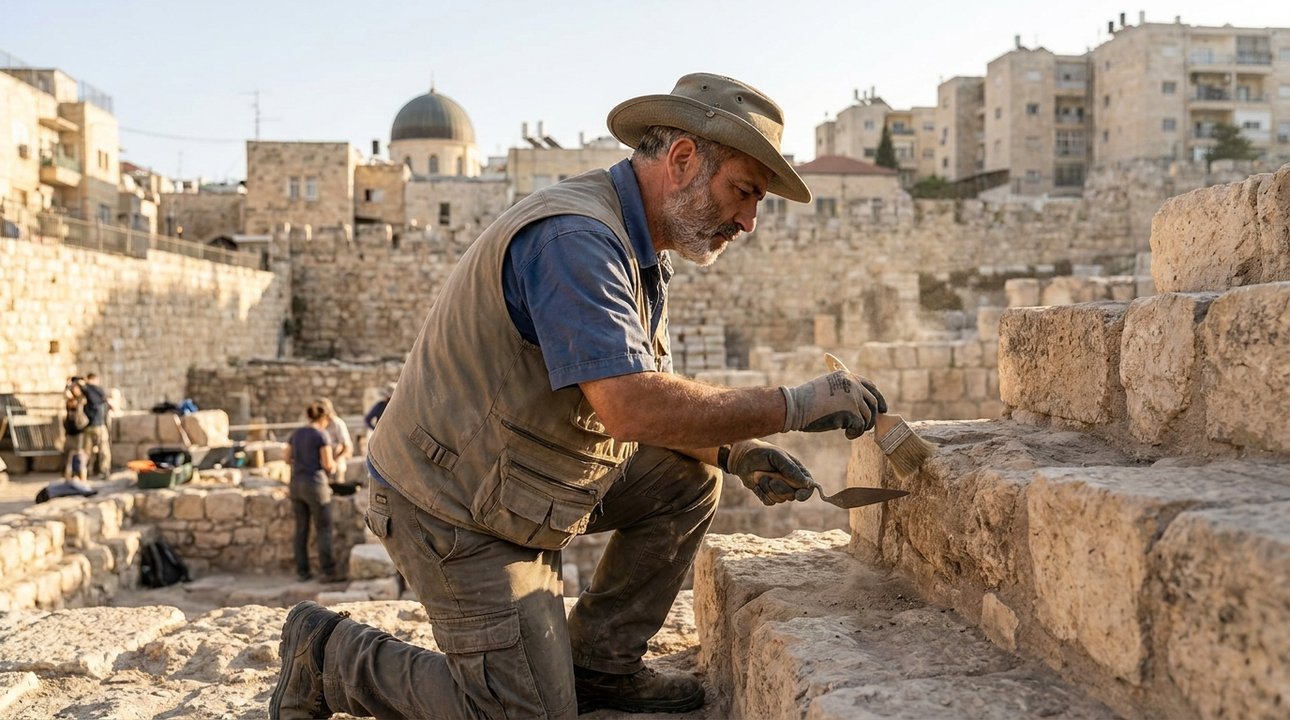
Today, the legacy of Jebus lives on in Jerusalem. Although few Jebusite structures remain, their influence is recognized in the city’s layered history. The City of David, an archaeological site, offers glimpses into these historical periods. Modern Jerusalem embraces its historical roots, celebrating the diverse cultures that once thrived there while serving as a center of culture. This blend of old and new makes Jerusalem a unique city, where history and modernity coexist.
The City of David is an important archaeological site that provides insights into the history of Jerusalem. Excavations here have uncovered remnants of the Jebusite era, offering a glimpse into the city’s past. The legacy of the Jebusites is evident in the cultural and historical layers that have shaped Jerusalem over millennia. The city’s ability to adapt and incorporate diverse influences has defined its history, making it a center of culture and tradition.
The story of Jebus is a sign of Jerusalem’s history and its role as a melting pot of cultures. The city is first mentioned in ancient texts as part of the Canaanite lineage. This reference highlights its early significance in historical narratives. While much of the Jebusite city has been transformed, its legacy remains a foundational chapter in the ongoing narrative of Jerusalem. The city’s architecture and cultural traditions continue to draw from its diverse historical influences.
The legacy of the Jebusites is evident in the archaeological remains found in Jerusalem, such as the Stepped Stone Structure. These findings provide insights into the city’s ancient fortifications and urban planning.
The transformation of Jebus into Jerusalem marked a significant turning point in the city’s history. This change is reflected in historical texts, highlighting its importance as a political and cultural center.
The Enduring Significance of Jebus
Jebus holds an enduring place in history and consciousness. Its transformation into Jerusalem reflects broader themes of conquest, adaptation, and cultural synthesis. From a fortified Canaanite city to a cultural nucleus, Jebus embodies the spirit of continuity.
The history of the city is a continuous narrative, woven through time, showcasing the dynamic interplay of diverse peoples and influences. This is evident in historical records, highlighting its early significance.
The evolution of Jebus into Jerusalem represents a significant chapter in the history of the region. The city’s ability to adapt and incorporate various cultural influences is a sign of its enduring legacy. This transformation is not just a historical event but a symbol of the city’s ongoing role as a center of cultural exchange. Today, Jerusalem continues to reflect this legacy, serving as a meeting point for diverse traditions and peoples. Its history is a reminder of the adaptability that have defined the city for centuries.
This history remains relevant today as Jerusalem continues to be a symbol of unity and cultural dynamism. The city is mentioned in numerous historical texts, where it is established as a capital. Understanding Jebus enriches our perspective on the city’s ancient past and its present. Today, Jerusalem is a melting pot of cultures, reflecting its historical role as a meeting point for diverse peoples and traditions.
The transformation of Jebus into Jerusalem marked a new era for the city. This change is a key moment in history, symbolizing a new national identity and cultural center for Israel. Jerusalem’s ongoing role as a cultural hub is a sign of its enduring legacy. The city’s ability to adapt and incorporate diverse influences has defined its history, making it a unique center of culture and tradition.

Conclusion: Jebus’s Place in History
In summary, Jebus is more than just a historical footnote; it is a pivotal part of Jerusalem’s story. Its legacy is central to the understanding of how civilizations evolve and adapt. The transition from Jebus to Jerusalem is documented in historical texts.
The journey from Jebus to Jerusalem highlights themes of unity, continuity, and cultural synthesis, providing valuable insights into the fabric of ancient and modern Israel. This transformation underscores the city’s enduring significance.
For those interested in exploring more about Israeli heritage, Lev Haolam offers a unique opportunity to support local producers and artisans. By subscribing, you receive products that reflect the culture of Israel, from the Galilee to the Negev. By engaging with Israel’s culture, you contribute to its living history and support small businesses that carry forward its legacy. This connection fosters a deeper appreciation for the land and its people, enriching your understanding of Israel’s past and present.
Understanding Jebus
