
Unveiling the History and Significance of Tabgha
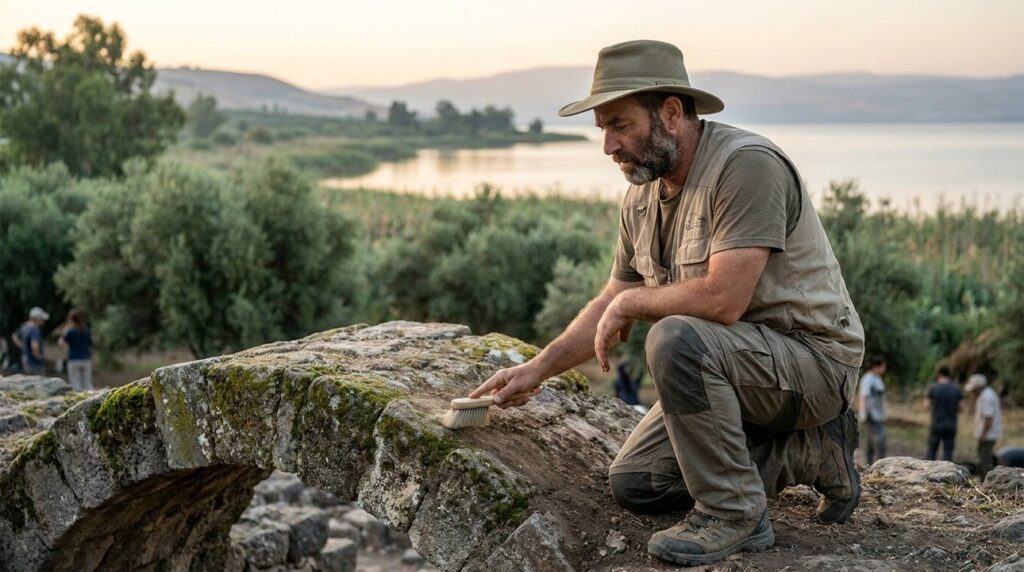

Tabgha, located on the northwest shore of the Sea of Galilee, holds significant historical associations, especially known for the event of the multiplication of loaves and fishes. This event is described in historical texts, where a small amount of food fed thousands, highlighting the area’s importance. This article journeys through its historical connections, showing its past and present significance. Tabgha remains a symbol of community for many visitors.
What Is Tabgha?
Tabgha’s name is derived from the Greek ‘Heptapegon,’ meaning seven springs. It is a historical site situated near the Sea of Galilee in northern Israel. Known for its natural beauty and historical richness, Tabgha is traditionally linked to several events, notably the feeding of the 5,000.
This event, recounted in historical texts, highlights Tabgha as a place of provision and importance. Located a few kilometers from Capernaum, it remains a focal point for understanding the region’s history.
from the Western Wall to Masada.
The geography of Tabgha places it within a landscape abundant in historical connections. Nestled along the Galilee’s shoreline, its location offers insights into its role during earlier times.
The presence of fresh water springs influenced its agricultural potential, making it a pivotal location for settlements and activities. Its history is captured through archaeological finds, providing glimpses into life during historical periods.
The area is known for its fertile land, which was crucial for sustaining early communities. Historical records suggest that the region was home to various tribes and peoples. These tribes utilized the natural resources available, contributing to the area’s development as a center for trade and culture.
Historical Importance of Tabgha
Tabgha is famously mentioned in relation to the feeding event described in historical texts, where five loaves and two fish satisfied a large crowd. This event is seen as a symbol of abundance.
While the narrative itself is part of historical accounts, the location’s historical aspect offers valuable insights into the region’s past. The region of Galilee, known for its lush landscapes and strategic location, played a significant role in various historical stories.
Though the specific event is not detailed in earlier texts, the cultural and historical context of Galilee during earlier times provides a backdrop for understanding the significance of such narratives. The area’s history includes connections to notable figures, who are said to have received gifts from the region.
The site includes churches and artifacts that commemorate these events, serving as educational points for historical studies. For example, the Church of the Multiplication is known for its intricate mosaics. In addition to its Christian connections, Tabgha’s wider region is associated with Jewish history, further enriching its culture. This includes links to earlier settlements and trade routes that were vital during historical periods.
The ancient trade routes facilitated exchanges between different cultures, contributing to the area’s diverse historical narrative. These routes connected Tabgha to other significant locations, allowing for the flow of goods and ideas. The artifacts found in the region, such as pottery and tools, reflect the daily lives of those who once inhabited the area.
Exploring the Tabgha Map
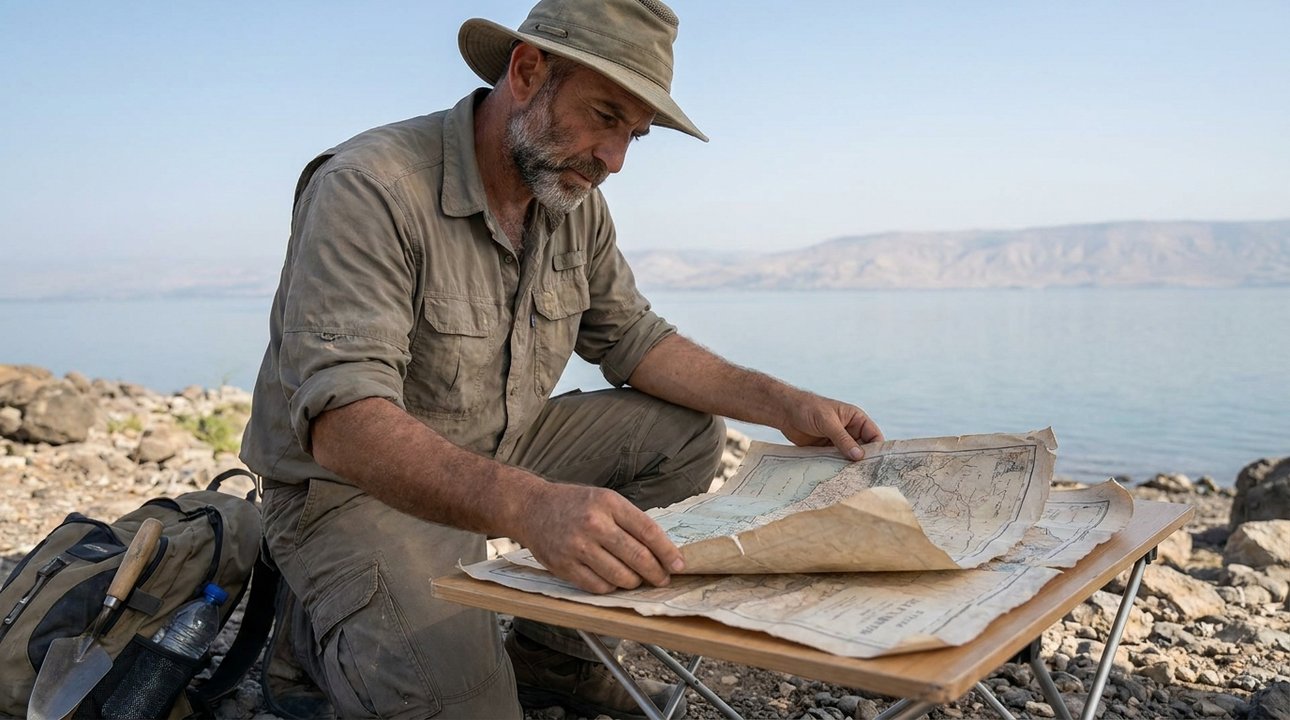
Modern maps of Tabgha highlight its geographical nuances and historical landmarks. They depict not just the current layout but also paths and structures from antiquity.
Such maps are crucial for understanding how ancient populations interacted with their environment, showing routes used by traders, pilgrims, and residents. The maps often include references to ancient roads that connected Tabgha to other significant sites like Capernaum and Tiberias.
These roads, mentioned in historical texts, facilitated movement and commerce, enhancing the region’s economic vitality. Capernaum, for instance, was a significant hub during earlier times. The connectivity provided by these routes played a crucial role in the dissemination of cultural and practices.
These maps also assist in identifying locations connected to notable historical events, providing context for archaeological studies.
Remarkably, the use of geographic information helps delineate the natural features that would have influenced ancient inhabitation and activities in Tabgha. For instance, the proximity to the Sea of Galilee would have been crucial for fishing and transportation, as referenced in many historical texts.
The Sea of Galilee was a vital resource for ancient communities, offering both sustenance and a means of trade. Maps that highlight these features allow historians to reconstruct the daily lives of those who lived in the area, showing their economic and social structures.
from the Western Wall to Masada.
Archaeological Discoveries in Tabgha
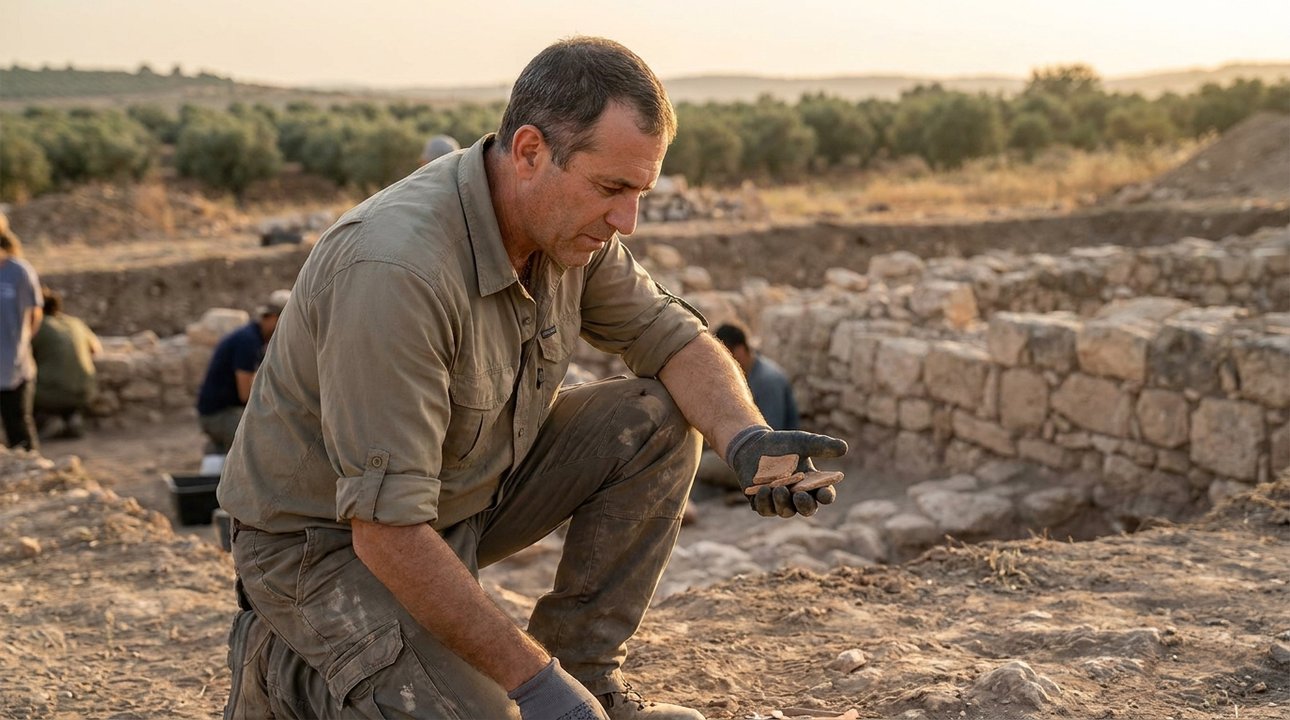
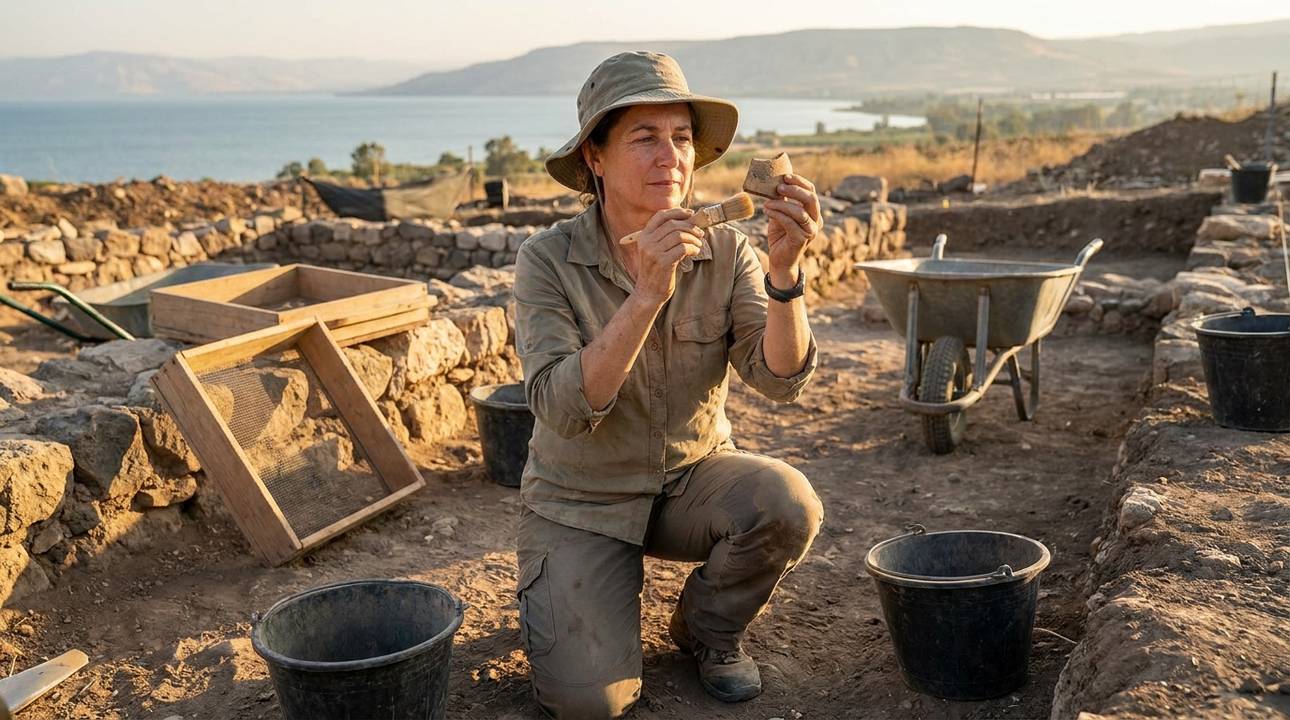
Archaeology in Tabgha has uncovered fascinating details about its past. Excavations have revealed mosaics, buildings, and artifacts that confirm its role as a religious and social hub.
One notable find is the mosaic floor of the Church of the Multiplication, depicting the loaves and fishes, which captivates visitors and scholars alike. These mosaics, dating back to the 5th century, are considered masterpieces of early Christian art, reflecting the area’s historical importance.
The artistry of these mosaics provides insight into the cultural influences present in the region during that period. The intricate designs and colors demonstrate the skill and creativity of the artisans who crafted them. These findings contribute to our understanding of the religious and social dynamics of ancient Tabgha, offering a window into a world that once thrived in this fertile landscape.
These discoveries provide a tangible link to the narratives associated with Tabgha, enhancing our understanding of its historical context.
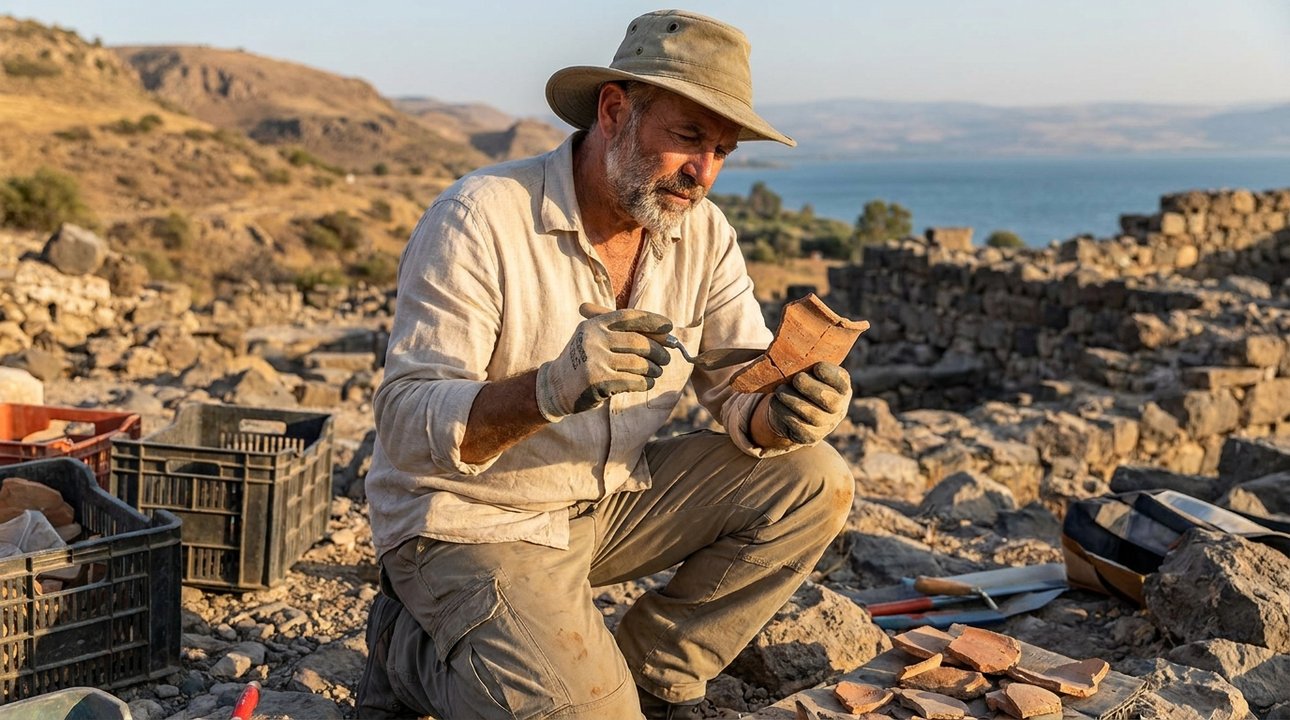
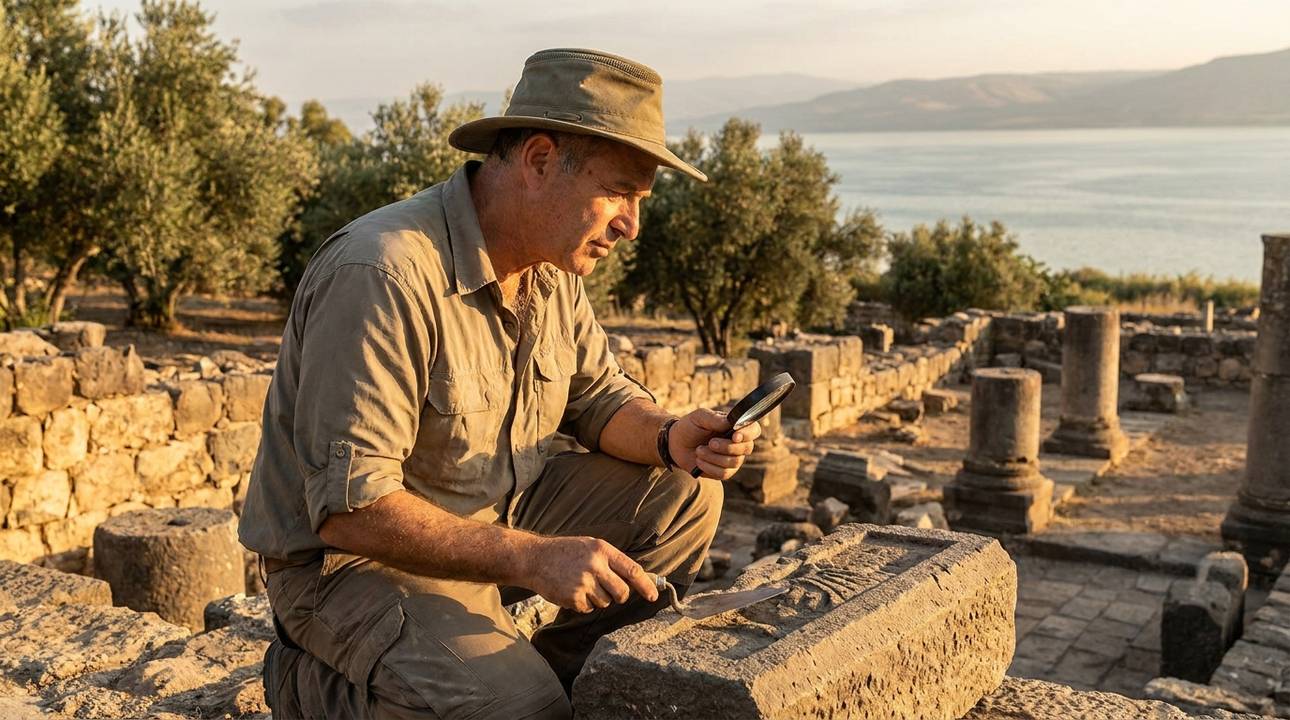
Artifacts such as ancient mosaics and pottery fragments reveal daily life and religious practices. Through careful study and preservation, these artifacts continue to attract attention, drawing connections between the past and present. Scholars often reference these findings to better understand the cultural and religious dynamics of the region.
The ongoing research and preservation efforts ensure that these historical treasures remain accessible to future generations. By studying these artifacts, historians can piece together the social and economic structures that defined the region. The insights gained from these studies contribute to a broader understanding of the history of Tabgha and its legacy.
Tabgha in Present-Day Context
Today, Tabgha is a place of pilgrimage and reflection, cherished for its serene landscape. While it attracts many visitors interested in its historical background, it remains a quiet retreat. Its status as a cultural heritage site ensures ongoing interest from historians and archaeologists, who seek to preserve its history. The tranquil environment allows visitors to connect with the historical narratives and reflect on their personal journeys.
Visitors often find solace in the peaceful surroundings, which offer a stark contrast to the bustling life of nearby cities. The area’s serene atmosphere is complemented by its history, with sites like the Church of the Multiplication serving as reminders of the region’s storied past. These elements combine to create a unique experience for those who visit.
Conservation efforts continue to maintain the site, balancing tourism with preservation. Tabgha stands not only as a historical site but also as a reminder of the enduring connection between land and narrative.
Understanding the site’s significance fosters appreciation for the cultural and historical narratives tied to this remarkable location. The preservation of Tabgha involves careful management to ensure that its unique historical features remain intact for future generations.
This includes the protection of archaeological sites and the maintenance of the natural environment surrounding the area. The historical narratives tied to Tabgha are enriched by its geographical features, such as its proximity to the Sea of Galilee, which has been a focal point in many historical accounts.
General Questions
