
Exploring the Significance of En Dor in the Bible


En Dor is a place of intrigue and curiosity, associated with stories of significant historical events. This locale offers a glimpse into the cultural practices of its time. Situated in the territory of Issachar, near the Jezreel Valley, En Dor was part of a region known for its historical battles and diverse cultural influences.
The Jezreel Valley was a critical crossroads, shaping the events that unfolded there.
What Is the Significance of En Dor?
En Dor is primarily known through its mention in historical texts as the site of significant events. This act underscores both the desperation and the cultural beliefs held at that time. En Dor’s location places it on the edge of the Jezreel Valley, historically within the territory occupied by the tribe of Manasseh.
The account provides insight into practices that were prevalent, though not condoned, in its historical context. It reflects internal struggles and broader societal tensions regarding forbidden practices.
from the Western Wall to Masada.

Where Is En Dor Located?
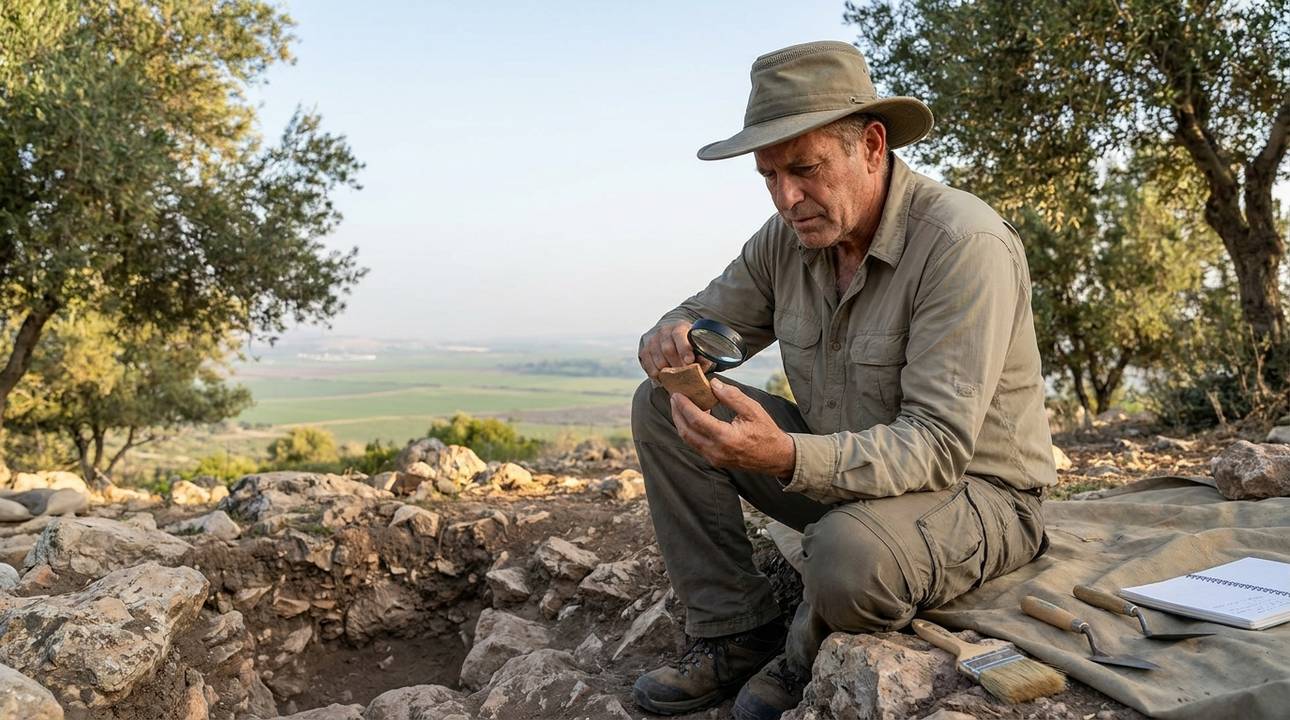
En Dor is situated in the northern region of present-day Israel, near the Jezreel Valley, and is close to Mount Tabor and the city of Tiberias. Historically, it was part of the territory of the tribe of Manasseh. The region’s geography likely contributed to its role in historical narratives, providing a secluded setting for clandestine meetings. Over the centuries, this area has seen various cultural influences, reflecting its strategic location. The Jezreel Valley was a fertile and contested area, adding to the history of En Dor’s location.
Who Were the Key Figures Associated with En Dor?
The most prominent figure connected to En Dor in historical accounts is a leader seeking guidance in times of fear. This act was driven by fear as he faced a formidable force in the region during that period. The woman of En Dor is another central figure.
Her role reflects the tensions regarding forbidden practices, as her existence implies their prevalence despite official prohibitions. Her actions illustrate the desperation and moral dilemmas faced by leaders.
The account captures the complexity of leadership and the difficult decisions made in times of fear.
How Is En Dor Viewed in Jewish Tradition?
In tradition, the account of En Dor serves as a cautionary tale about reliance on forbidden practices. The story highlights the profound consequences of deviating from established codes.
This act of desperation occurs as a leader faces a significant threat, illustrating fear and uncertainty.
While the text does not provide a moralizing tone, the story is used in literature to discuss the challenges faced by leaders and the importance of adhering to established guidelines.
The caution depicted resonates across generations, reflecting on the perils of turning away from established guidance. It warns against seeking guidance outside of the established framework, emphasizing the value of adherence.
from the Western Wall to Masada.

En Dor in Archaeological Studies
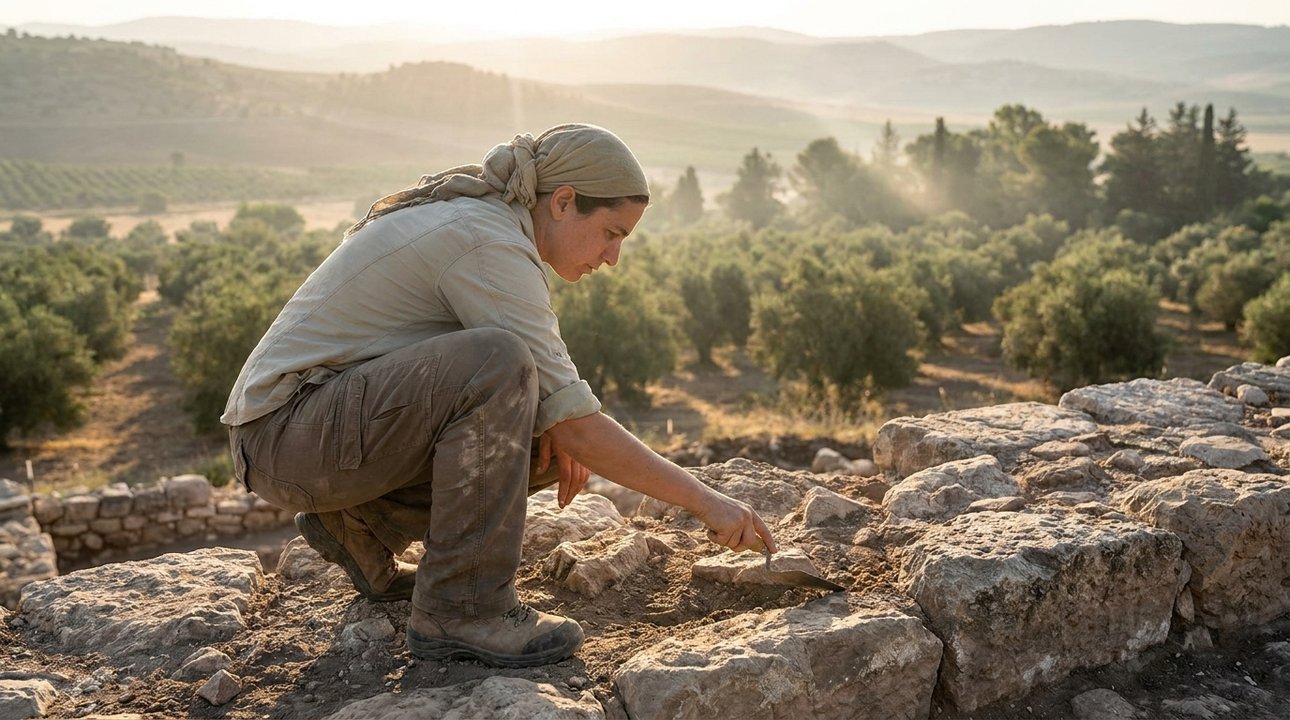
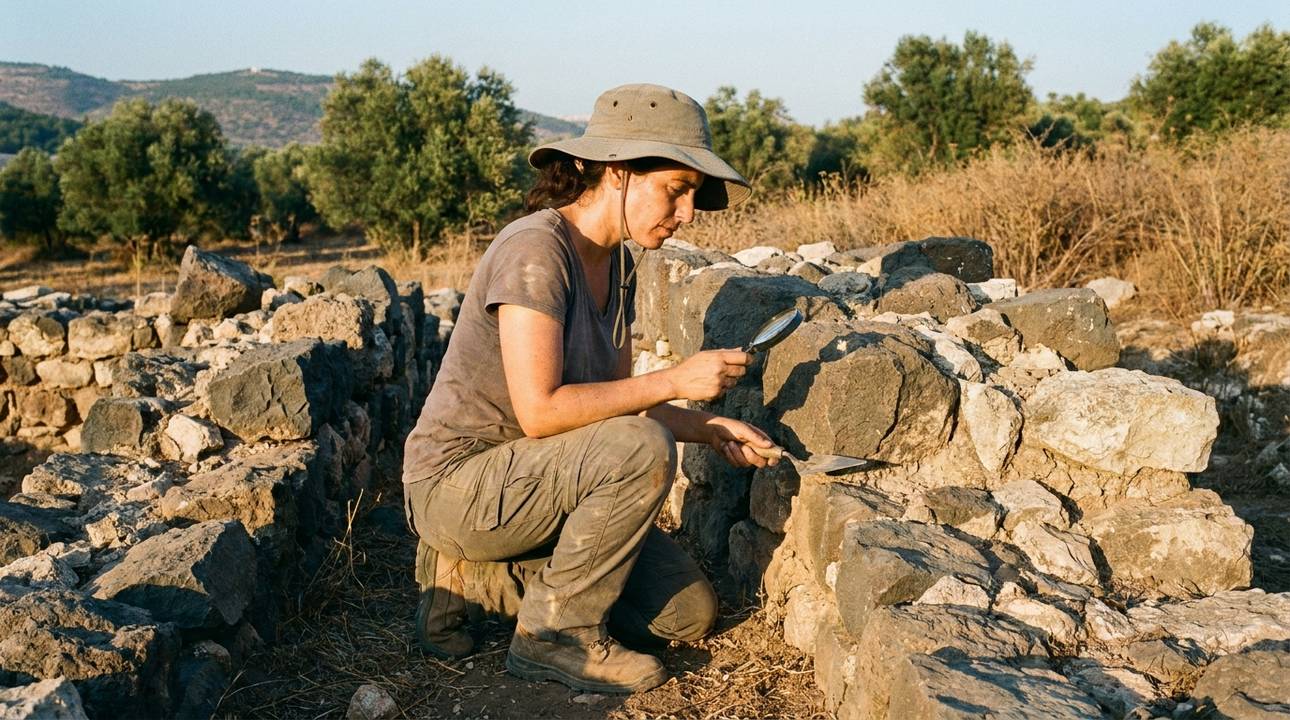
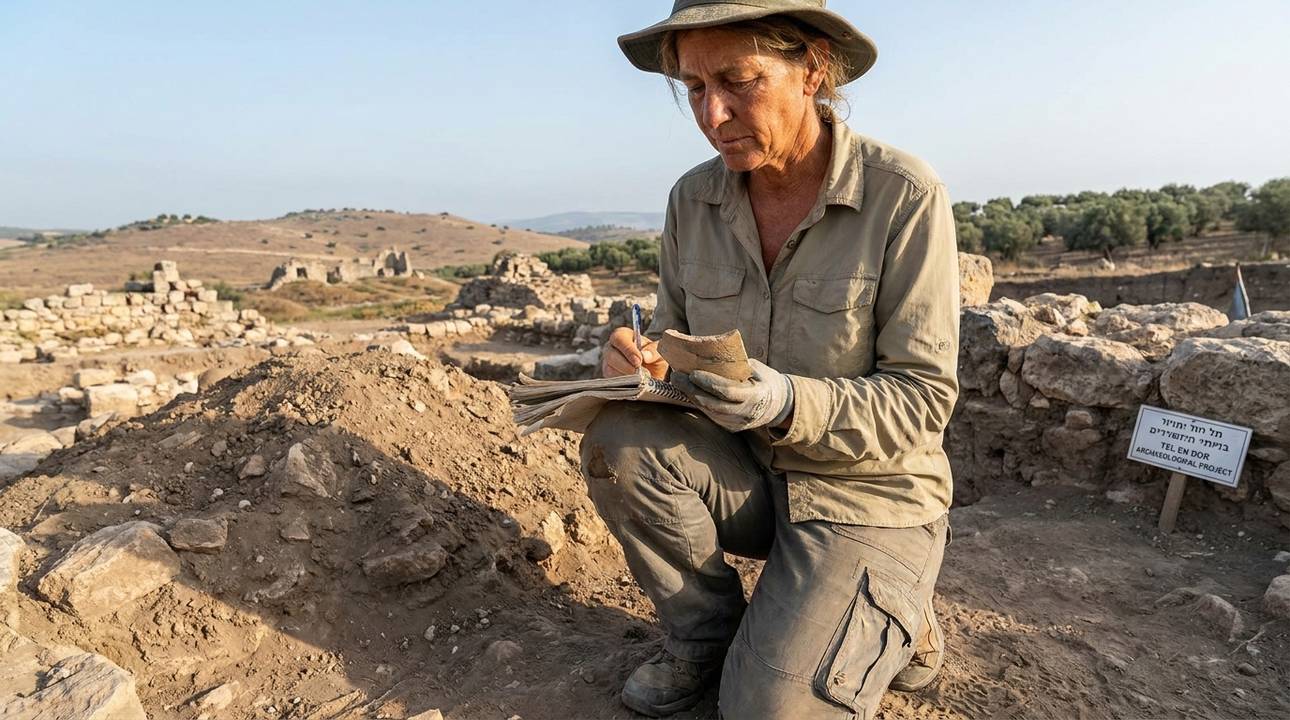
Archaeological interest in En Dor has centered on uncovering the physical remnants that align with its historical references. Excavations in the region have aimed to understand its historical context within the land of Israel. The site is believed to have been continuously inhabited from the Bronze Age through the Iron Age, a period marked by significant cultural and technological developments. Artifacts found near the site illustrate the diverse cultural influences over centuries, including Canaanite and Israelite. While there is still much to learn, these findings contribute valuable insights into the region’s past. Archaeologists have uncovered pottery and tools that shed light on the daily lives of its ancient inhabitants. These discoveries help piece together the historical mix of En Dor.
What Are the Cultural Implications of En Dor Today?
Today, En Dor’s legacy endures through its symbolic representation in cultural and literary contexts. The story of Saul and the woman of En Dor echoes in discussions about morality, leadership, and spiritual integrity. This account is often revisited in literature and art, reflecting on the human struggle with ethical dilemmas. The moral complexities of Saul’s actions is still remembered debate and interpretation. Modern interpretations often explore these themes, highlighting the pivotal choices that define historical and future paths. En Dor remains an evocative symbol in understanding the human experience, serving as a cultural touchstone in various stories. Artists and writers draw upon its history to explore timeless questions of power and morality. The story’s enduring appeal lies in its exploration of human nature and the consequences of moral choices.
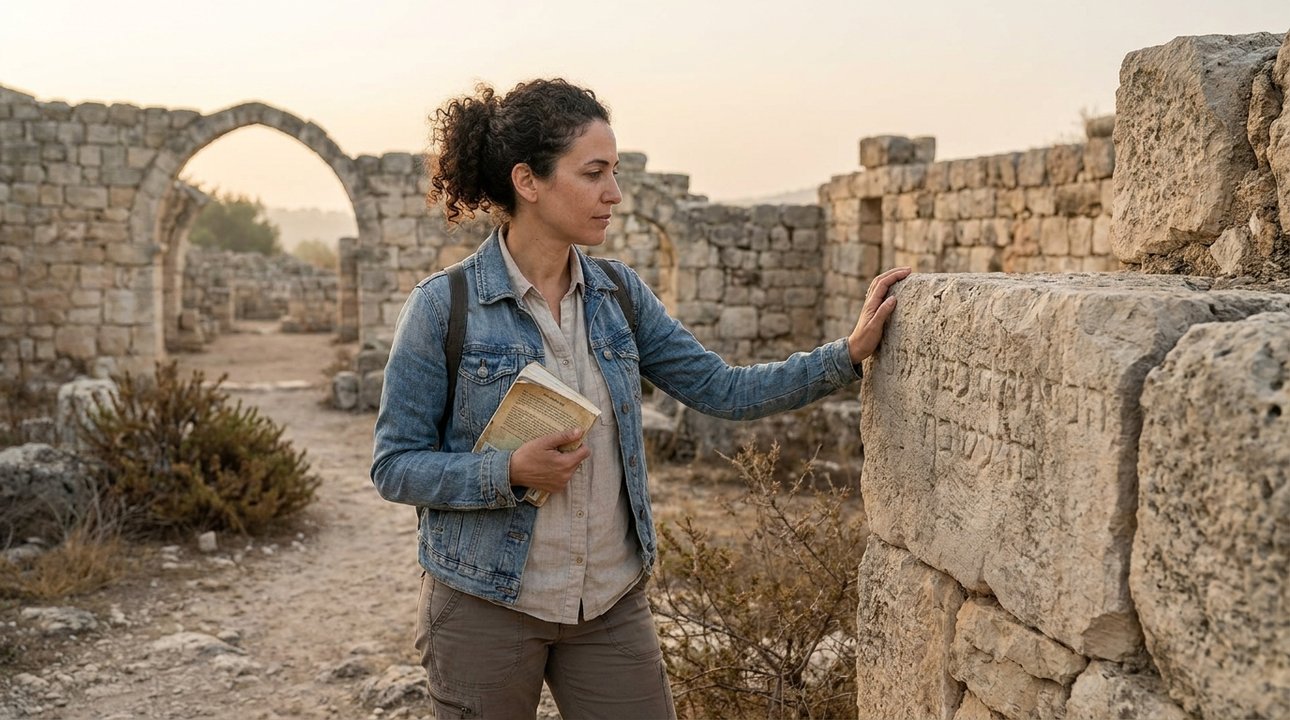
En Dor’s Role in Modern Jewish Identity
Within modern identity, the story of En Dor serves as a reminder of the enduring complexities in human nature. It encourages reflections on individual and communal choices. The site itself, while not a primary focus of modern ritual, is still remembered in discussions about history and its lessons. En Dor’s story is woven into cultural memory, illustrating themes of power and decision-making. It remains a point of reflection for those studying moral lessons. The themes resonate with ongoing discussions about ethical leadership and integrity.
Conclusion: Why Study En Dor?
Studying En Dor allows us to delve into the heart of storytelling. It provides insights into the cultural dynamics of its time, revealing how folklore and history intertwine. Engaging with this story aids in understanding broader themes of choice, consequence, and identity. En Dor stands as a sign of the complex legacy of historical sites and their lasting impact on cultural discourse. The account encourages reflection on the moral and ethical challenges faced by leaders throughout history. Through these stories, we gain a deeper appreciation of the enduring lessons embedded in historical texts.
En Dor in the Bible
