
Exploring the Valley of Elah


The Valley of Elah holds a special place in history, famously known as the site of the epic battle between the young David and the giant Goliath. Located in the present-day region of Israel, it offers a tangible connection to one of the most well-known stories from the Torah.
By examining its geography and significance, we uncover its place in Jewish heritage. The historical context and role in ancient events provide insight into the cultural and legacy of the land.
Elah’s strategic location made it a key site in ancient military campaigns. Its role in the narrative of David and Goliath highlights its importance in Jewish history. The geography, with flat terrain and surrounding hills, provided a natural setting for the dramatic confrontation between the Israelites and the Philistines. This historical backdrop offers a deeper understanding of the events that unfolded in this region, allowing us to appreciate the legacy of these stories in shaping Jewish identity.
from the Western Wall to Masada.
What Is the Valley of Elah?
The Valley of Elah is a broad, flat area located in what is now southern Israel. It played a strategic military role due to its location and served as the battleground for the historic confrontation narrated in ancient texts.
The Philistines camped on one hill, and the Israelites on the other, with the flatland between them. This setting provided a natural arena for the battle, emphasizing the tactical considerations of ancient warfare and the importance of geography in historical narratives.
The geography of Elah made it a natural choice for military engagements, as its flat terrain allowed for the movement of troops and chariots.
The surrounding hills provided vantage points for commanders to oversee the battlefield, making it a strategic location for both offense and defense.
In historical accounts, the geography played a crucial role in the outcome of the battle, as it allowed David to use his sling effectively against Goliath, highlighting the interplay between terrain and tactics in ancient warfare.
The description of this site helps us visualize its strategic significance. Its width provided space for troops, while the surrounding hills offered vantage points. In ancient texts, the Philistines and Israelites faced each other across this area.
Today, it remains a site of historical interest, drawing those who wish to explore the nexus of ancient events. Visitors can walk the paths once trodden by warriors, gaining a tangible connection to the past and understanding its role in history.
Elah’s geography played a crucial role in the outcome of the battle between David and Goliath. The flat terrain allowed for the movement of troops, while the hills provided strategic positions for overseeing the battlefield.
This natural setting emphasized the tactical considerations of ancient warfare.
By visiting today, one can appreciate the strategic elements that influenced the course of the battle, offering a deeper understanding of the historical context and the significance of geography in narratives.
The Battle Between David and Goliath
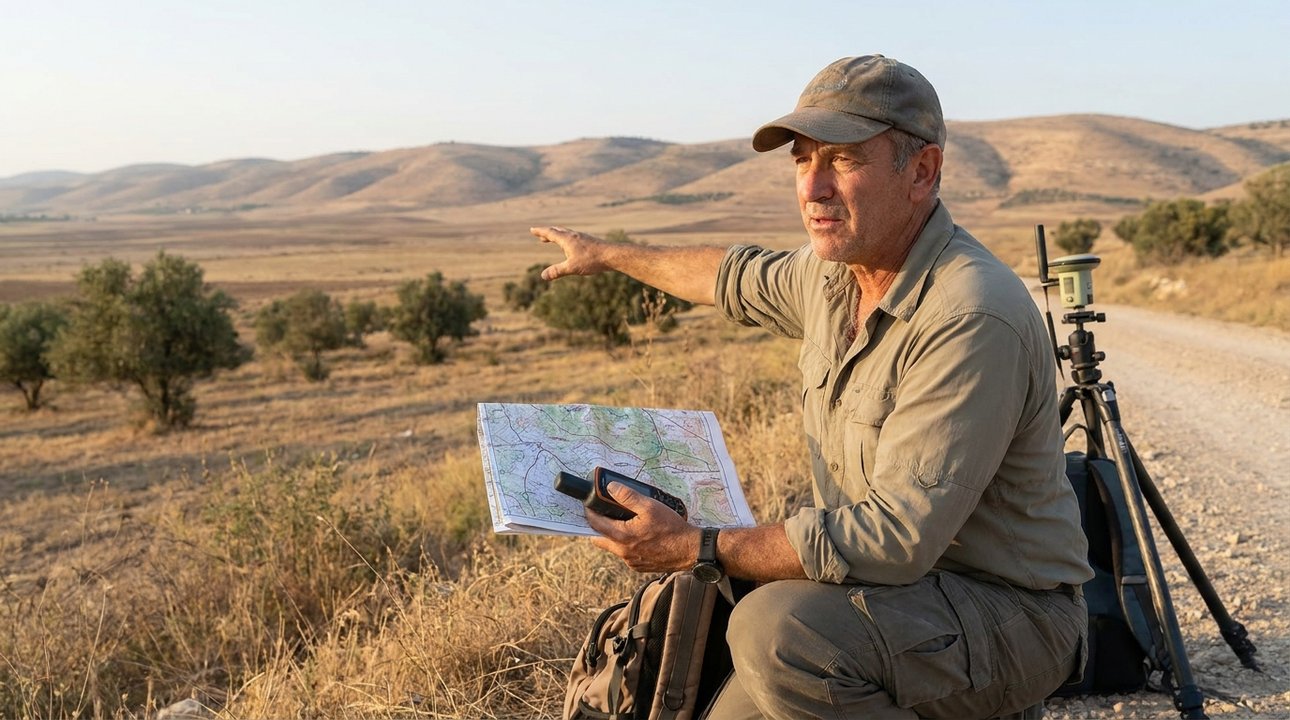
One of the most dramatic stories in ancient texts is the battle between David and Goliath, which took place in Elah. This encounter highlights David’s bravery and determination. According to historical accounts, David, just a shepherd boy, defeated the Philistine giant with a sling and a stone, symbolizing support for Israel. This victory is celebrated as a sign of the power of courage, inspiring countless generations with its message of hope and perseverance against overwhelming odds.
The story of David and Goliath has been retold in countless ways, serving as a symbol of triumph over adversity. David’s choice of five smooth stones from the brook reflects his resourcefulness and faith in his abilities. This narrative is still remembered by those facing their own challenges, reminding them that courage and determination can lead to victory, even when the odds seem insurmountable. Elah thus remains a powerful symbol of hope and perseverance.
The details of the battle offer insight into the values of courage and faith that resonate in Jewish tradition. David’s victory over Goliath, as described in 1 Samuel 17, underscores the triumph of faith and determination over seemingly insurmountable odds.
This story, believed to have occurred around the 11th century BCE, captures the imagination of readers across generations. It emphasizes the power of belief and the impact of individual bravery on the course of history, inspiring those who face their own challenges.
The narrative of David and Goliath continues to be a source of inspiration, highlighting the importance of inner strength and conviction. David’s unwavering faith in his abilities and his reliance on his skills as a shepherd exemplify the values of perseverance.
This story serves as a reminder that true strength comes from within, and that even the smallest and seemingly weakest among us can achieve great things with courage and determination. Elah thus remains a symbol of hope and inspiration.

Geography and History
Situated in the Shephelah region, Elah’s geography plays a vital role in its history. It served as a natural corridor between the coastal plains and the Judean mountains. Lying at a crossroads of ancient routes added to its strategic value in historical times. The region facilitated access to crucial areas and resources, making it a key location for trade and military movements, as seen in the story of David and Goliath. This strategic importance is reflected in its legacy.
The fertile land supported agriculture, making it a desirable location for settlement and conflict. Elah, mentioned in 1 Samuel 17, was a battleground due to its productive soil and strategic position.
With its rich soil, it has been central to many historical events, including the famous battle between David and Goliath. Today, the landscape remains largely agricultural, preserving the historical continuity of the region.
Farmers continue to cultivate the land, maintaining practices that have sustained communities for millennia, echoing the past’s reliance on this fertile area.
from the Western Wall to Masada.
The area’s agricultural significance is still evident, as it continues to be a vital area for farming in Israel. The continuity of agricultural practices in this region reflects the enduring connection between the land and its people. The historical value of Elah is not only in its stories but also in its ongoing contribution to the sustenance of local communities. This connection to the land is a sign of the perseverance of the people who have lived here, adapting to changes while preserving their heritage.
Exploring the Valley of Elah Today
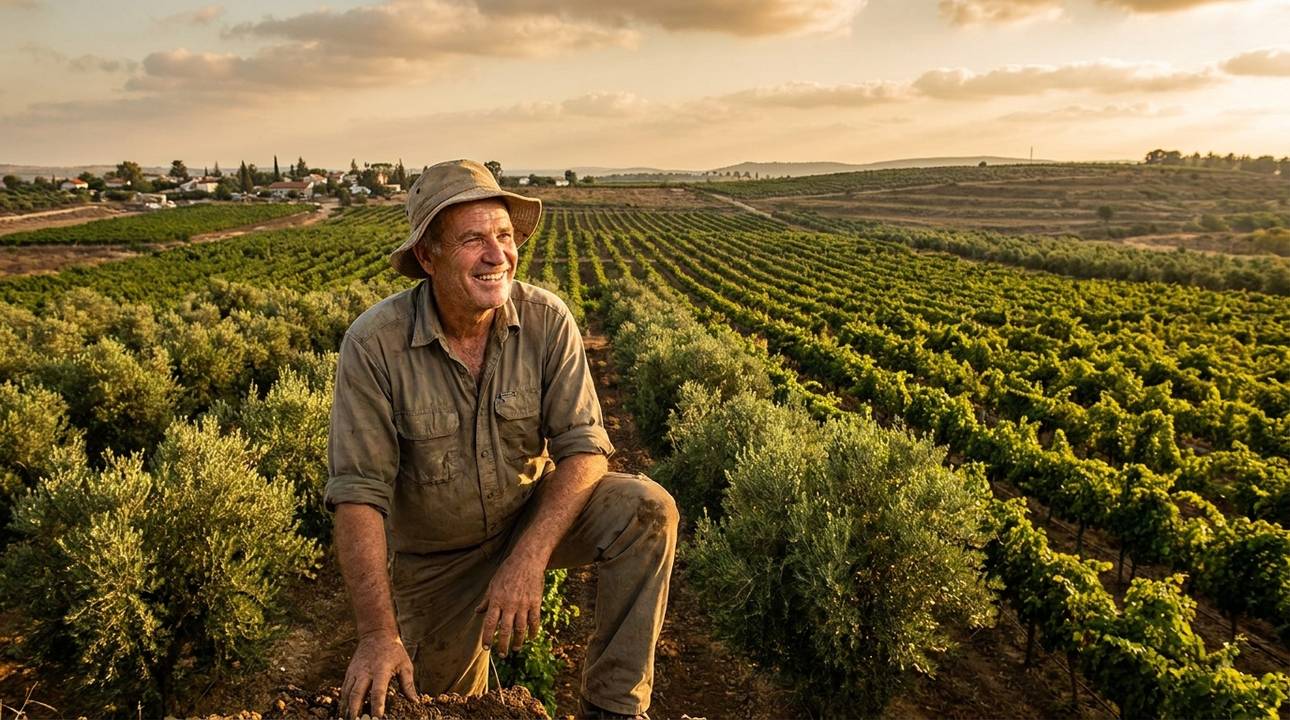
Elah continues to intrigue historians and visitors alike. It represents a blend of history and natural beauty, with markers that identify the believed locations of historical events. Mentioned in ancient texts, it is where the famous battle between David and Goliath took place.
Although not a major tourist hub, it offers an educational experience for those interested in history. Visitors can explore the landscape and imagine the scenes that unfolded thousands of years ago.
Markers throughout Elah guide visitors to significant sites, such as the possible location where David selected his five smooth stones. These markers help bring the ancient narratives to life, providing a tangible connection to the past. The natural beauty and history make it a unique destination for those seeking to deepen their understanding of historical events. By walking through this historic landscape, visitors can reflect on the enduring impact of these stories on Jewish heritage and culture.
Maps and guides help visitors trace the steps of David and Goliath, bringing the ancient story to life. According to 1 Samuel 17, David, a young shepherd, faced the giant Goliath in this very area, armed only with a sling and five smooth stones.
This dramatic encounter is one of the most famous stories in the Bible, symbolizing courage and faith. The site reminds us of the rich stories that shape our cultural and historical understanding.
Visitors can stand where armies once gathered, imagining the tension and bravery that filled the air during this pivotal moment in history.
Elah offers a unique opportunity to connect with the past, allowing visitors to walk in the footsteps of historical figures. The landscape itself serves as a silent witness to the events that unfolded thousands of years ago.
By exploring this historic site, visitors can gain a deeper appreciation for the narratives that have shaped Jewish heritage.
Its significance extends beyond its historical associations, as it continues to be a place of reflection and learning for those who seek to understand the enduring impact of these ancient stories.
The Valley’s Role in Israeli Heritage
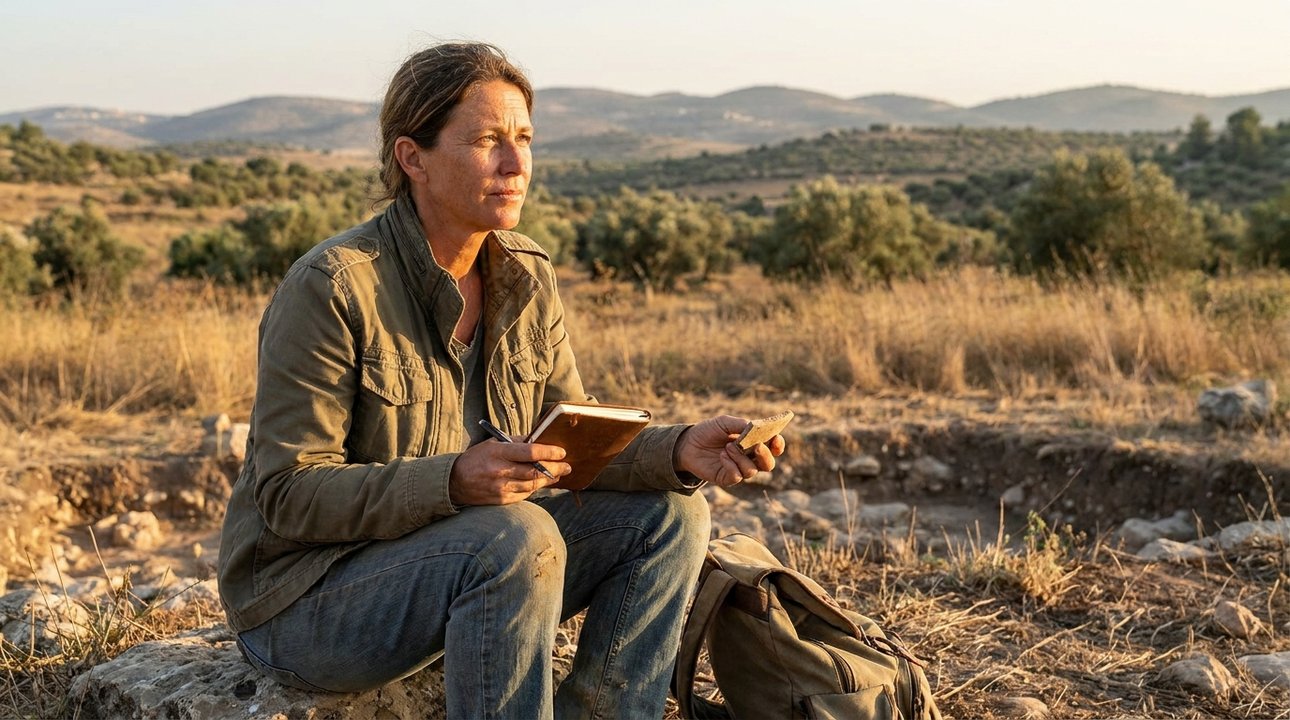
Elah is more than a historical site; it is part of Israel’s living heritage. It is where David’s courage was tested against Goliath, as recorded in historical texts. This moment in history is celebrated as a symbol of bravery. It serves as a reminder of the courage depicted in Jewish narratives, enhancing cultural identity and connection to the land. With its rolling hills and fertile fields, it is still remembered stories of bravery that are integral to Jewish heritage.
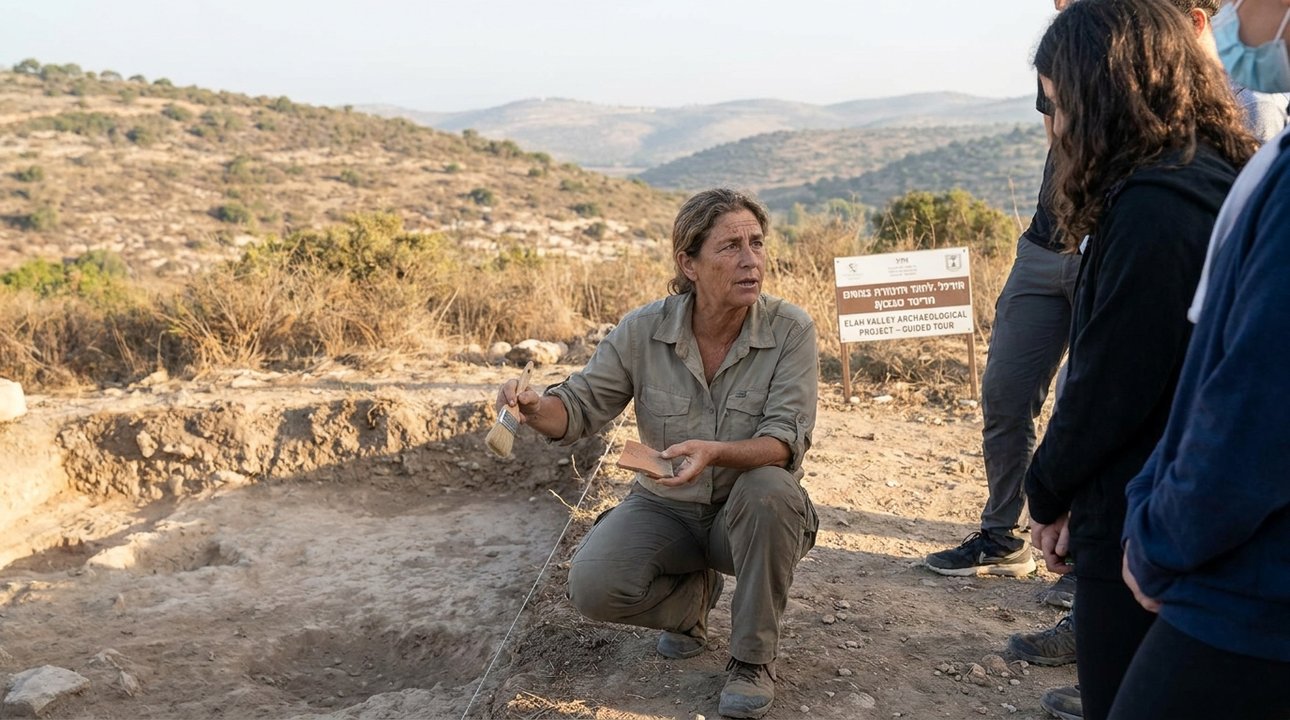
Through museums and educational programs, Elah is celebrated for its historical and cultural role. The Elah Valley Museum offers insights into the daily lives of those who lived here, showcasing artifacts from the Iron Age. Visitors can explore exhibits that highlight the tools, pottery, and other items used by ancient inhabitants, providing a glimpse into their world. This connection resonates with the values upheld in Israeli society today, shaping national consciousness. By learning about the past, visitors gain a deeper appreciation for the perseverance and innovation that have characterized this region throughout history.
The educational programs offered in Elah aim to foster a connection between the past and present, emphasizing the importance of preserving cultural heritage. These programs often include guided tours, lectures, and interactive exhibits that engage visitors of all ages. Its history is not only in its stories but also in its role as a center of learning and discovery. By exploring the history of the region, visitors can better understand the cultural and historical context that has shaped modern Israeli society.
General Information