
Unraveling the Mystery of Ar in Historical Texts


Ar appears in various historical contexts, yet its precise location and significance often intrigue scholars. Identified as a city of Moab, a region east of the Jordan River, Ar holds historical and cultural interest.
The interpretations of Ar reveal its role as a significant Moabite settlement.
Ar’s rich background is further explored in ancient texts, highlighting its symbolic importance in these narratives.
Ar’s mention in historical texts underscores its significance in regional narratives. These passages highlight the historical interactions between Moab and neighboring nations.
Such references provide a framework for understanding the geopolitical dynamics of the region, illustrating Ar’s role in shaping the historical landscape of Moab.
from the Western Wall to Masada.

What Is the Significance of Ar in the Bible?
Ar is mentioned in historical texts as a location associated with the Moabites. Despite its brief mentions, Ar holds cultural and geographical interest. The slopes of the ravines that extend to the settlement at Ar are notable.
This city is linked with Moab, revealing its connection to broader historical narratives. Ar’s location is crucial in understanding Moab’s territorial extent. Historical texts position Ar as an integral Moabite landmark, emphasizing its role in regional history.
The ravines near Ar play a role in defining the natural landscape that shaped Moabite life. These geographical features provided natural defenses and influenced settlement patterns. Understanding the topography around Ar helps contextualize its strategic and cultural role, offering a clearer picture of how the Moabites interacted with their environment.
Ar’s historical mention primarily revolves around its geopolitical context. As part of the Moabite territory, its role in historical conflicts adds layers to its significance.
Its place in these narratives offers insights into ancient regional dynamics. Understanding Ar’s place enhances comprehension of Moab’s historical interactions and geographical landscape, shedding light on its strategic importance.
Ar’s strategic location near the Arnon River made it a focal point in Moabite-Israelite relations. This river is noted as a boundary, marking the extent of Moabite lands.
The city’s proximity to such boundaries underscores its importance in territorial negotiations and conflicts, illustrating the complex political landscape of the time.
Where Was Ar Located Historically?
The precise location of Ar is debated, but it is acknowledged to be in modern-day Jordan. Its positioning near significant Moabite sites points to Ar’s importance.
Various archaeological findings contribute to our understanding of Ar and its significance in regional history. Excavations have revealed artifacts that provide insights into the daily life and culture of its inhabitants.
Ar’s proximity to the Arnon River highlights its strategic position. This river served as a boundary between Moab and the Amorites, further emphasizing Ar’s geopolitical relevance.
Archaeological evidence, such as pottery and tools, offers a glimpse into the craftsmanship and trade practices of ancient Ar. These artifacts help piece together the lifestyle and economic activities of the Moabites.
Ar’s historical context within Moabite territory is key. Its location influenced trade and cultural exchange, illustrating Ar’s role in broader economic activities. Positioned near major trade routes, Ar facilitated interactions between Moab and neighboring regions.
Historical texts and archaeological evidence, such as the Mesha Stele, are pivotal in piecing together Ar’s past. By examining these sources, we glimpse the strategic importance Ar held in historical contexts, highlighting its role in regional commerce.

The Role of Ar in Moabite Culture
Moabite culture thrived around Ar, as seen in the artifacts and writings that endure. The Mesha Stele, a significant Moabite inscription, provides insights into the region’s history and Ar’s role as a cultural hub. Cultural exchanges occurred at Ar, a center for religious and communal gatherings.
Understanding the cultural legacy aids in grasping Moab’s lasting impact in the region, as evidenced by archaeological finds that reveal the vibrancy of Moabite traditions, illustrating their enduring influence.
The Mesha Stele, discovered in Dhiban (near Ar), is one of the longest Iron Age inscriptions. It offers a rare glimpse into Moabite language and religious practices, dating back to the 9th century BCE.
This stele provides valuable context for understanding Ar’s role in Moabite society, highlighting its significance in religious and cultural narratives.
Ar’s cultural influence extended across Moabite society, as seen in its mention in historical contexts. Ar served as a center for religious and social activities.
The Moabites’ reliance on Ar for religious and social activities reflects its role in maintaining Moabite cultural identity. Discoveries from the site, such as pottery and inscriptions, offer a window into Ar’s past and its influence on Moabite traditions.
from the Western Wall to Masada.
Artifacts like the Mesha Stele, discovered near Ar, provide valuable insights into Moabite language and governance. This stele, dating back to the 9th century BCE, commemorates King Mesha’s victories and religious dedications.
Such findings highlight Ar’s role in Moab’s political and religious affairs, illustrating its significance as a cultural and administrative center.

Ar in Historical Prophecies
Historical prophecies involving Ar reflect its symbolic importance, particularly in relation to Moab. These prophecies underscore Ar’s importance in both historical and cultural contexts, emphasizing its integral role in the larger historical storyline. Such mentions illustrate the city’s place in the unfolding events of Moab’s history, providing insights into its cultural and history.
Prophetic texts draw connections between Ar’s fate and that of broader Moabite territories. This linkage illustrates Ar’s symbolic representation.
These insights contribute to understanding the prophetic literature’s role in shaping perceptions of ancient territories. By examining these texts, we gain a deeper appreciation for Ar’s place in the larger story of Moab.
Further references underscore Ar’s symbolic role in these prophecies. The repeated mention of Ar in such contexts emphasizes its importance in the Moabite narrative. These prophetic references serve as a sign of Ar’s legacy in historical tradition, providing a lens through which to view the broader Moabite experience.

Ar Today: Current Research and Findings
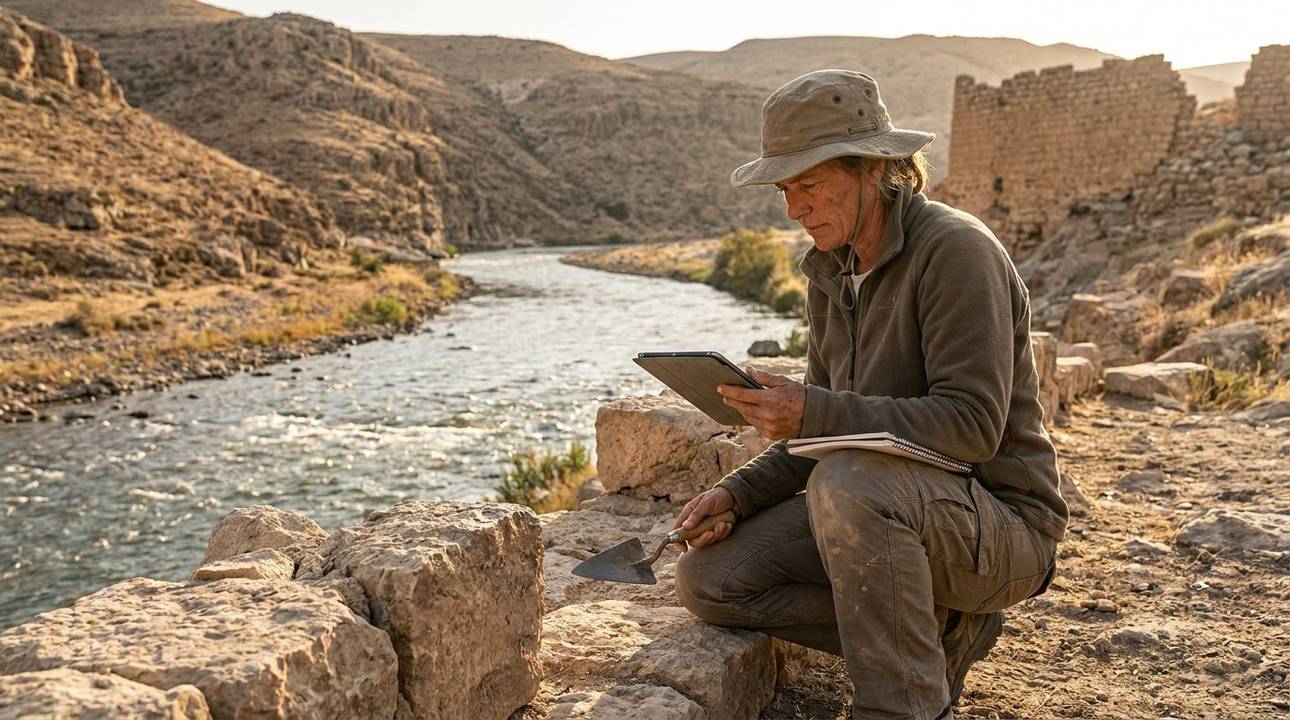
Modern archaeological studies continue to illuminate Ar’s historical mysteries. Recent findings from archaeological digs provide more clarity about Ar’s past contributions to Moabite society. Scholars focus on uncovering more about Ar to enrich our understanding of historical contexts.
Excavations have revealed structures and artifacts that shed light on the daily life and religious practices in Ar, offering a deeper look into its cultural and historical relevance.
One significant discovery includes remnants of a Moabite temple, suggesting Ar’s role as a religious center.
The temple’s architecture and associated artifacts, like altars and religious inscriptions, provide valuable insights into the spiritual life of the Moabites, reflecting their beliefs and rituals.
The intersection of modern technology in archaeology helps further the study of Ar and its surroundings. Techniques like ground-penetrating radar and digital mapping allow researchers to explore beneath the surface.
Research efforts aim to draw clear connections between historical texts and physical evidence from Ar’s location. These endeavors promise to deepen the understanding of Ar’s historical legacy, offering new insights into ancient Moabite life.
Digital mapping has uncovered a network of roads and pathways around Ar, indicating its role as a trade hub. These routes connected Ar to other Moabite cities, facilitating commerce and cultural exchange.
Such findings are crucial for understanding the economic landscape of Moab and how Ar contributed to its prosperity. The trade routes reveal the interconnectedness of ancient societies in the region.

Understanding Ar's Historical Role
