
Gilead in the Bible: Exploring Its Significance | Lev Haolam


Gilead in the Bible: Exploring Its Significance
This article offers a straightforward overview of Gilead for readers who prefer clear, plain language. It explains what ancient texts say about the region, how people used local products there, and where scholars locate Gilead today.
The aim is to be neutral and factual. The writing avoids modern political claims and focuses on the historical and textual record. It also includes simple phrases that readers might use in searches, such as “meaning of Gilead in the Bible” and “where was Gilead located.”
The region called Gilead appears in several brief entries in the Hebrew Bible and in related ancient records. These passages note family agreements, local leaders, and short events. They are generally concise.
Because many references are short, scholars use them together with archaeological finds. That combined approach helps build a practical picture of daily life in the hills east of the Jordan River.
This article keeps explanation simple. Each paragraph is short to make it easier to read.
from the Western Wall to Masada.

What Is Gilead in the Bible?
In the Bible, Gilead refers to a hilly region east of the Jordan River. The texts describe grazing land and small plots of farmland. Some passages also mention a resin from local plants, often called the balm of Gilead.
These notes in the texts point to common everyday uses. They are not detailed scientific descriptions. Modern readers should treat them as practical references from the viewpoint of people who lived in that setting.
Writers in the ancient records often tied place names to familiar features. When the Bible mentions local products, it reflects what people saw and used in daily life.
The language is plain and functional. It names places and items that mattered to local communities, such as pastures, small fields, and market exchanges.
Where Was Gilead Located?
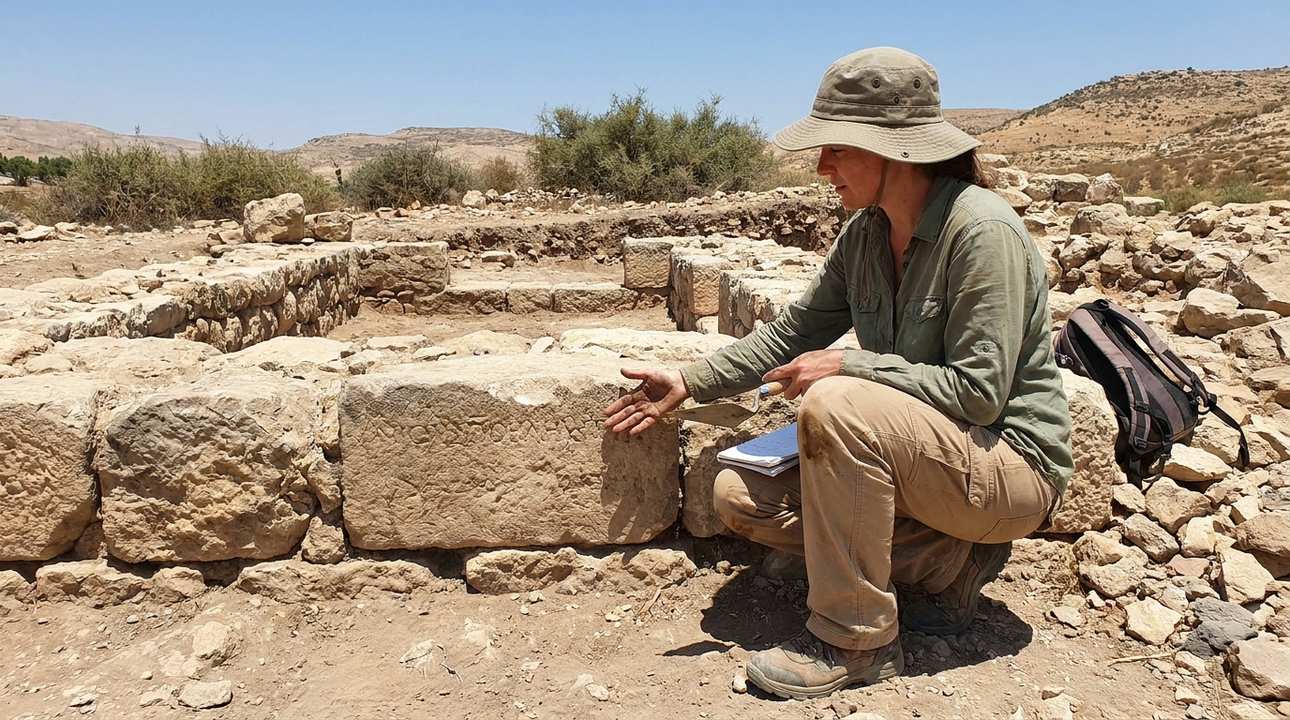
Gilead occupied the hills east of the Jordan River. Descriptions in the texts place it between higher ground to the north and lower plains to the south. These descriptions are general. The exact borders are not fixed in the ancient sources.
Many scholars place much of the named area in what is now northwestern Jordan. This view is based on a mix of textual clues and archaeological finds. Still, the boundaries used by ancient writers could change over time.
Geography shaped how people lived there. Valleys could hold small fields and orchards. Hillsides served for grazing sheep and goats.
Natural features also influenced movement and defense. Roads that crossed the hills mattered for trade and travel. Small seasonal markets likely formed where routes met natural stopping points.
Gilead in Historical Stories
Several short passages in early texts set events in Gilead. Some lines describe family agreements and local leaders. Other brief accounts mention towns and actions taken in the hills.
These records are snapshots rather than long stories. They give useful details about how people related to one another and how communities handled certain matters.
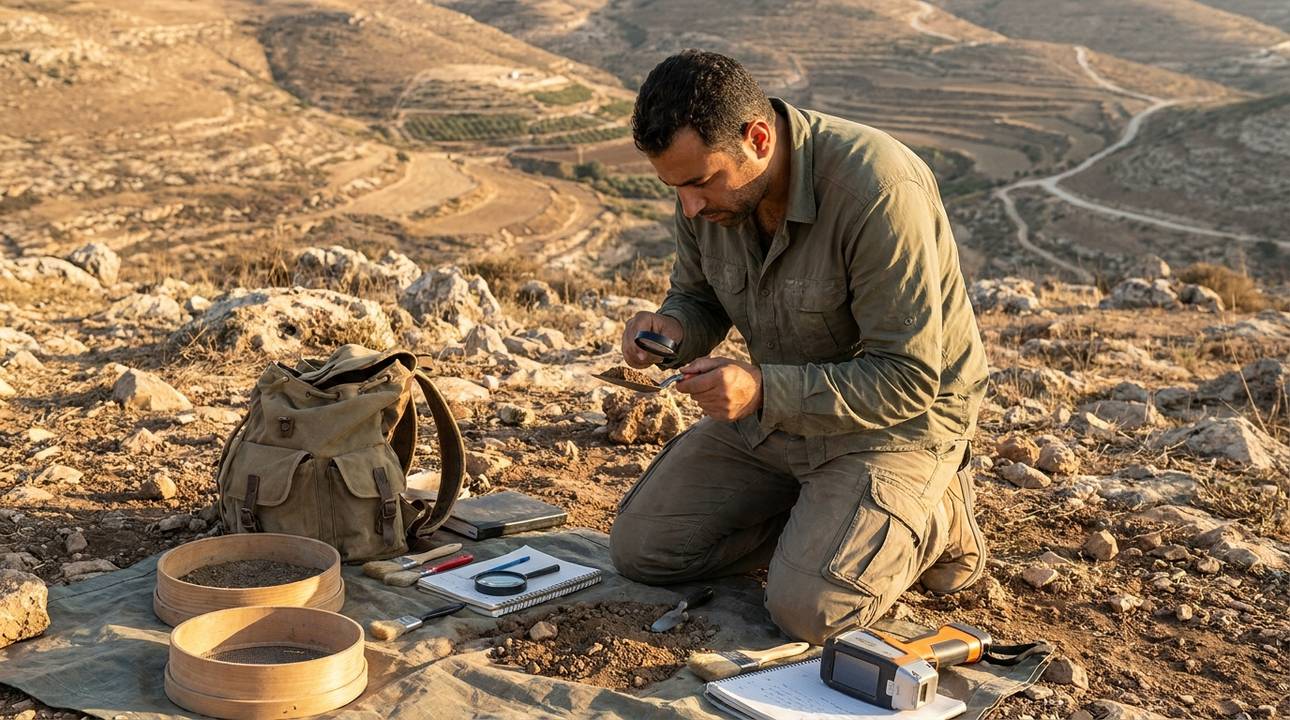
A repeated detail in the texts is the resin known as the balm of Gilead. Traders sometimes carried such items to nearby markets. The mentions show local knowledge of plants and household use, not formal medical practice.
These references help explain why the place name became familiar enough to appear in short legal notes and in sayings.
Ramoth-Gilead: A City of Refuge
Ramoth-Gilead is named in the texts as a place set aside for those who had killed another person unintentionally. In translations this designation is often called a City of Refuge. The city is also mentioned in short military reports.
These notes say the site served protective and judicial functions. They also indicate the city was contested in some campaigns. Readers should treat the passages as brief records of role and status rather than full battle stories.
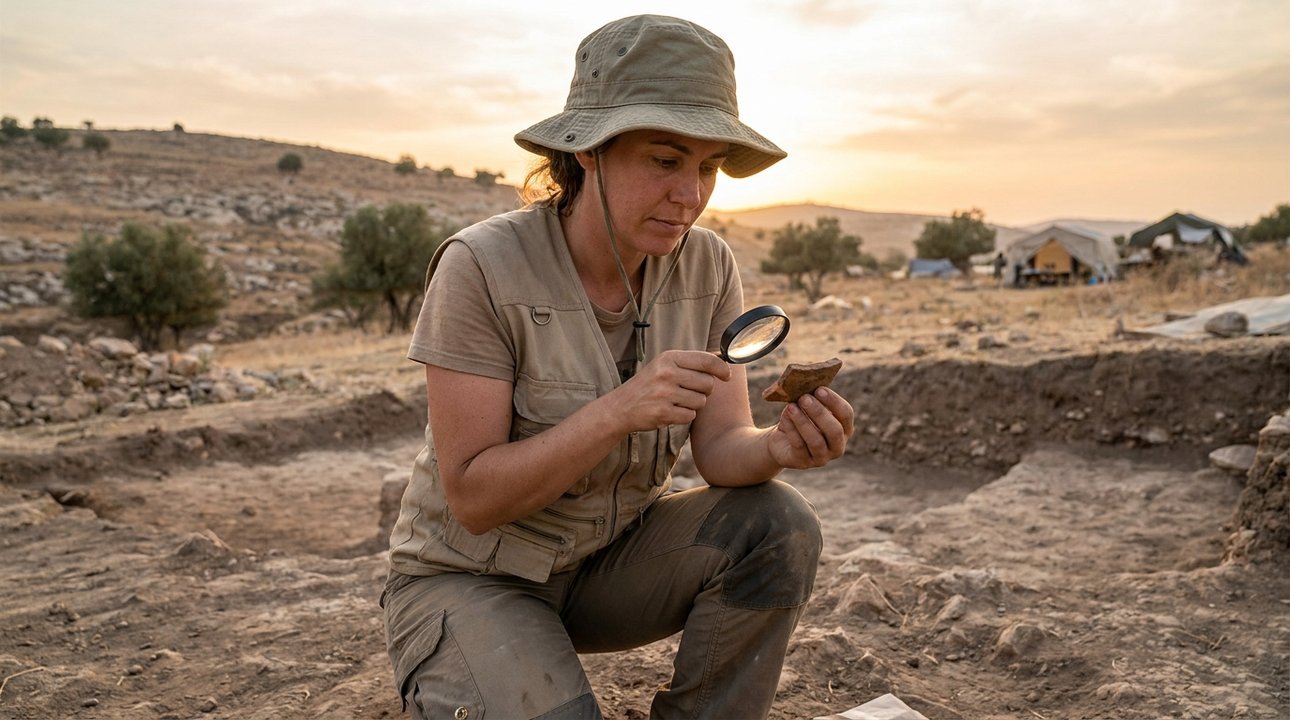
Its higher ground gave Ramoth-Gilead tactical advantages. Some passages record captures and recoveries of the city. Historians use those entries together with excavation results to build a more complete picture.
Those combined studies show how the place could matter in local disputes and in movement of troops over time.
from the Western Wall to Masada.
Jabesh-Gilead’s Role in Tribal Alliance
Jabesh-Gilead appears in short accounts that show local action and alliances. One notable passage describes people from Jabesh recovering the body of a leader after battle and returning it for burial. The story shows local custom and care.
Other brief notes link Jabesh-Gilead with help given to nearby towns in times of crisis. These snippets show communal cooperation on specific occasions.
These stories are compact and focused. They give useful evidence about how small towns acted together. They do not amount to a full history of the community.
Gilead in Prophetic Literature
Some short prophetic lines use Gilead as a reference. One famous line asks whether there is no balm in Gilead. In that use the place name stands for a locally known product and serves a rhetorical purpose.
These verses operate as brief comments or critiques. They rely on readers’ knowledge of everyday items to make a point about leaders or social conditions.
Scholars view these lines as concise rhetorical moves within the prophetic books. The references are short and work only if the audience knows the item being mentioned. That shared knowledge helps explain the lines’ force.
Cultural Role of Gilead
Over time, the name Gilead appears in later writings and translations. Later authors sometimes used the idea of the balm to suggest relief or care in a literary way. Those later uses are symbolic and not direct proof of ancient medical practice.
When a place name moves into wider speech, it is often because the name carried a simple, recognizable association for readers.
Gilead Today: A Historical Site
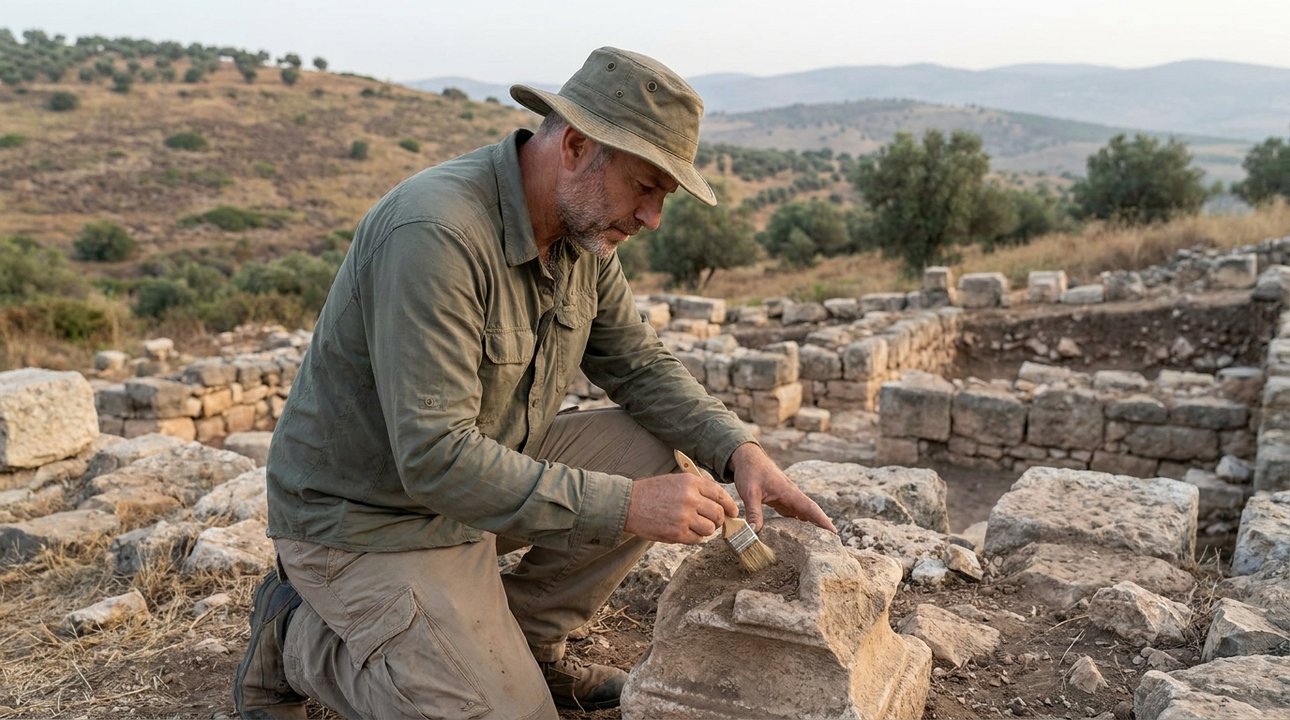
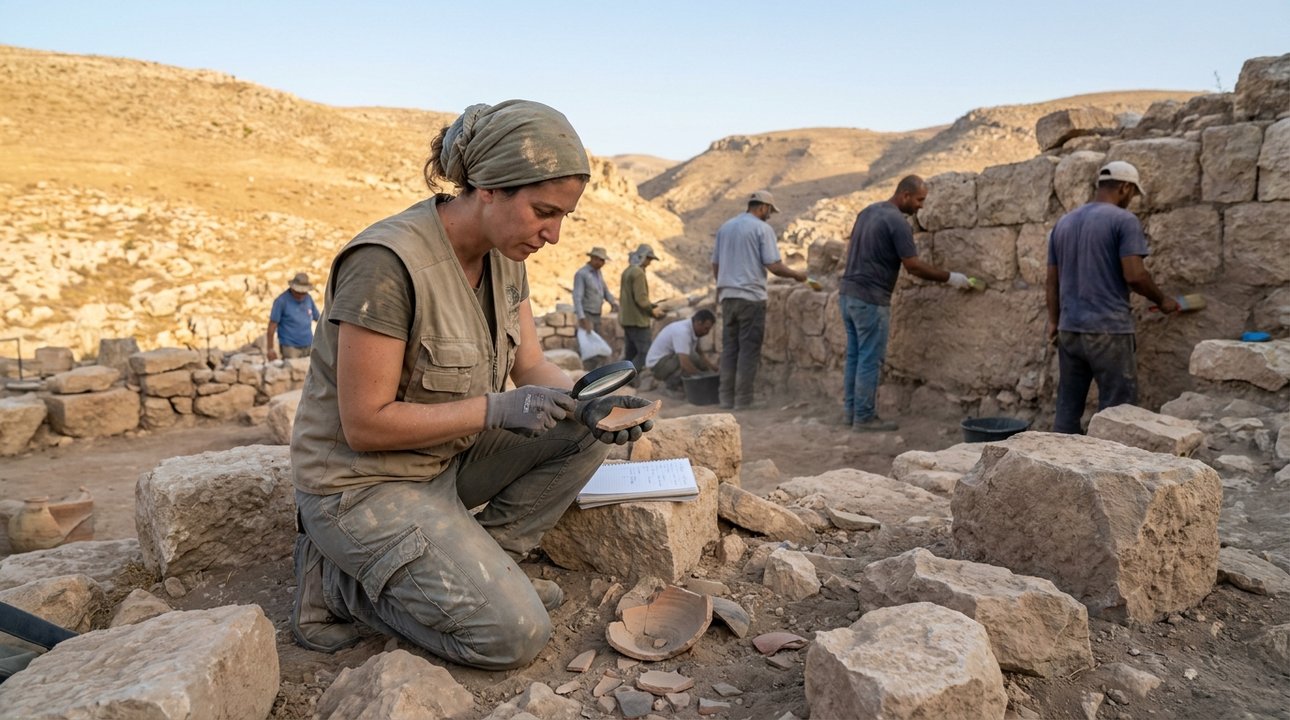
Archaeologists continue to investigate sites that many scholars identify with parts of ancient Gilead. Excavations have recovered pottery, building remains, and small objects. Those finds help researchers understand settlement patterns and daily life.
Fieldwork follows standard methods. Teams record finds carefully and publish reports with their interpretations and limits. For readers who want more technical detail, the specialist sources listed above are the best next step.
Notes on Sources and Claims
Many general statements about Gilead come from brief references in ancient texts. Modern scholars compare those references with archaeological evidence and with records from neighboring regions. Some claims find good support. Others remain uncertain.
When a text’s claim lines up with material evidence, historians may treat the match as corroboration. In other cases the evidence is limited or open to interpretation. This article aims to make clear when details are well supported and when they are tentative.

Understanding Gilead's Significance
