
Discovering Gilead: Its Importance and Location
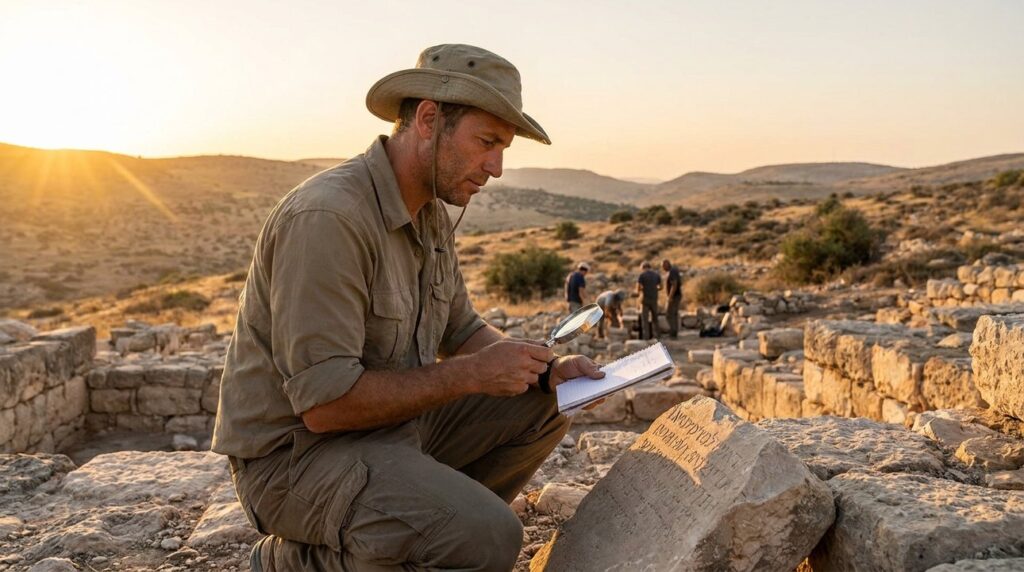

Gilead is a region of great historical and cultural importance. Located east of the Jordan River, it was known for its natural beauty and healing balms. Gilead served as a vital part of the tribal inheritance of Israel, specifically for the tribes of Gad and Manasseh.
Historically, Gilead was a place where Jacob fled to escape Laban, marking it as a site of refuge. Its rich resources made it an important location in historical narratives. Each subscription box may include 6-8 products, and the contents vary, offering a unique experience each time.
This article delves into the location and importance of Gilead, revealing how it has influenced both historical narratives and Jewish tradition. Elijah, a key figure in history, was from Tishbe in Gilead.
His story underscores Gilead’s role as a backdrop for significant events. Through its lush landscapes and historical ties, Gilead remains a symbol of hope and healing, deeply embedded in Jewish cultural memory.
from the Western Wall to Masada.
What Is Gilead’s Location in the Bible?
Gilead is located east of the Jordan River, nestled between the land of Bashan to the north and Moab to the south. It encompasses parts of modern-day Jordan. Historically, this region was characterized by its wooded hills and valleys, making it a suitable place for pasture and agriculture.
The streams and fertile lands of Gilead contributed to its reputation as a lush and bountiful area, vital for the tribes of Gad and Manasseh.
The strategic location of Gilead made it a key area for trade and communication. Its proximity to major trade routes facilitated interactions with neighboring regions, enhancing its economic importance. The fertile lands supported agriculture, providing sustenance and trade goods.
These geographical attributes not only supported the livelihoods of its inhabitants but also played a role in broader historical narratives, highlighting Gilead’s multifaceted significance.
Who Inhabited Gilead According to Historical Texts?
Gilead was inhabited by the tribes of Gad and half of Manasseh, who settled there after the Israelites entered the region. The area was allocated to them as described in historical texts. Numbers 32 outlines the agreement for these tribes to settle east of the Jordan.
Historical battles and family lineages associated with these tribes are intertwined with the land of Gilead. It was both a place of refuge and a frontline for conflicts, serving not just as a home but as a strategic location.
The region’s history is marked by its role in various historical battles. For instance, Judges 11 recounts the story of Jephthah, a leader from Gilead who defended Israel against the Ammonites.
Gilead’s strategic importance is further highlighted in historical accounts, where David sought refuge in the region during Absalom’s rebellion. These events underscore Gilead’s significance in history.

What Is the Significance of the Balm of Gilead?
The balm of Gilead is a resin or ointment mentioned frequently in historical texts for its healing properties. It became symbolic of hope and restoration. Notably, it is referenced in historical literature as a metaphor for healing both literal and emotional wounds.
This substance was likely derived from a tree native to the region and was considered a valuable export in ancient trade. Its reputation for healing made it a prized item in trade and medicine.
The significance of this balm extends beyond its physical properties; it represents healing and renewal. Historically, traders carrying balm from Gilead highlight its economic value and widespread demand.
This precious substance not only served as a medicinal remedy but also as a powerful symbol of comfort and hope, resonating through historical narratives and Jewish tradition.
Gilead in the Context of Ancient Trade
The location of Gilead made it a hub for ancient trade routes, connecting it with neighboring regions and peoples. Situated east of the Jordan River, it was strategically placed for commerce. Goods from Gilead, including the balm, were traded extensively, influencing both local and external economies.
This balm was a highly sought-after commodity.
from the Western Wall to Masada.
This trade strengthened cultural and economic links with nearby territories, contributing to Gilead’s historical importance. The exchange of goods facilitated cultural interactions and economic growth.
Gilead’s role as a trade center is further evidenced by its mention in historical records, showcasing its economic influence.

Gilead’s Role in Historical Narratives
In historical texts, Gilead often serves as a backdrop for stories of conflict and reconciliation. It is mentioned in the accounts of leaders and judges of Israel. In Judges 7, forces are gathered in Gilead to fight adversaries.
These narratives highlight Gilead as a place of both sanctuary and judgment. Leaders are called upon to defend against threats, emphasizing Gilead’s role in leadership.
Through these accounts, Gilead is depicted as a land where leadership is continually tested. The stories illustrate the challenges faced by leaders in maintaining justice and order.
Cultural and Spiritual Legacy of Gilead
The cultural memory of Gilead has persisted throughout Jewish history, often evoking themes of healing and reunion. In Jewish liturgy, Gilead is frequently mentioned as a symbol of hope. For example, the longing for peace and restoration is reflected in the Psalms.
Its spiritual significance is reflected in Jewish liturgy and literature, symbolizing a longing for peace and restoration. The Talmud also references Gilead, highlighting its role in Jewish thought.
Even today, Gilead remains a symbol of hope in various cultural expressions. In modern literature and art, Gilead is often depicted as a place of healing and renewal. The legacy of Gilead as a symbol of hope and restoration is still remembered by those who seek solace in its enduring importance.

Conclusion: the Enduring Symbolism of Gilead
Through the lens of history, Gilead stands as a multifaceted symbol. Its geographical attributes and historical associations have molded its role as a place of refuge and healing. Today, Gilead is acknowledged for its history and the embodiment of hope across generations. Historical references illustrate its continuing influence. Its legacy is still remembered by those who study its history.
This timeless region continues to captivate those who explore its depths, showing the past and inspiration for the future. Gilead’s role as a symbol of healing is echoed in various cultural expressions, from ancient texts to modern literature. Its historical and spiritual resonance makes Gilead a subject of fascination, inviting reflection on its enduring impact on Jewish heritage and identity.

Understanding Gilead
