
Exploring the Significance of Lebo Hamath in Historical Context


Lebo Hamath is noted as the northern boundary of the land designated for the Israelites. It is referenced during the exploration of the region, highlighting its significance as a geographical marker. This boundary helps define the extent of historical territories, stretching from the wilderness of Zin to this key location.
Understanding its role provides insight into the history and the region’s context. The mention of this boundary underscores the strategic importance of controlling key entry points into the land.
In this article, we explore the role of this boundary in historical narratives and its importance. As a location marking the northern reach of Israel during the reign of Jeroboam II, this historical context provides a deeper understanding of the geopolitical landscape during that era.
The mention of this site in various accounts reflects its enduring role in defining territorial boundaries and shaping the identity of the nation.
from the Western Wall to Masada.

What Is the Significance of Lebo Hamath in the Bible?
This location marks a significant point in descriptions of the land designated for the Israelites. It serves as the endpoint of the northern boundary.
By defining these borders, historical texts establish a distinct territory for the tribes. This demarcation was essential in the development of a national identity and understanding of the designated land.
The inclusion of this boundary indicates a comprehensive view of Israel’s breadth. This boundary not only defines the physical space but also represents the fulfillment of promises to the patriarchs.
Such territorial delineations were crucial in shaping the collective identity of the tribes, reinforcing their connection to the land as a divinely ordained homeland. These boundaries helped unify the tribes under a shared heritage and destiny.
How Is Lebo Hamath Described in Historical Texts?
In addition to other texts, historical references describe this boundary in the context of territories that distinguish different regions. This site serves as a marker that defines territories and tribes.
Writers highlight its strategic importance due to its positioning on the trade routes. This location was pivotal for maintaining connections with neighboring regions and managing resources.
The emphasis on such points highlights the practical concerns of establishing and defending a nation.
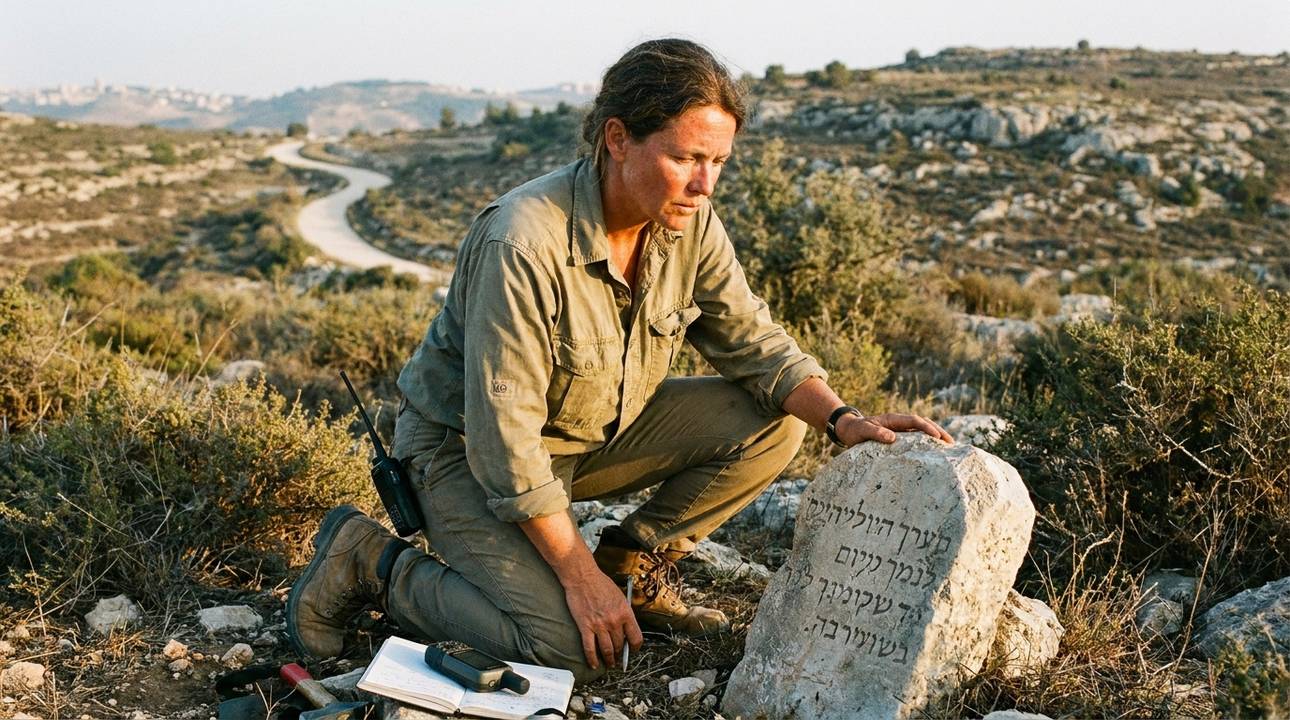
What Do Archaeological Findings Tell Us About Lebo Hamath?
The exact site of this boundary is uncertain, yet some archaeological explorations offer insights. Artifacts discovered in nearby regions suggest thriving communities that might have existed during historical times.
The presence of ancient settlements aligns with historical mentions, where the kingdom extended to this area. Archaeologists focus on studying relics to understand the lifestyle and economic activities of the area.
These findings contribute to historical mapping, enhancing our understanding of borders mentioned in historical text. By examining pottery and tools, researchers piece together the daily lives of those who lived in proximity to this boundary.
Such studies not only provide insights into the past but also help contextualize narratives within the broader framework of ancient Near Eastern history.
Such excavations bridge the gap between ancient descriptions and modern geography. Discoveries in areas like Tell Nebi Mend provide clues about the region’s history. These findings help reconstruct the socio-economic landscape of the time, offering insights into the daily lives of those who lived near this boundary. The ongoing research continues to illuminate the historical context of narratives and their geographical accuracy.
Etymology and Interpretation of ‘Lebo Hamath’
The term ‘Lebo Hamath’ is intriguing, often interpreted as ‘entrance to Hamath.’ This interpretation underscores its role as a gateway to the northern regions.
Linguists explore the name’s origins, examining its components to uncover meanings. Such analysis reveals connections with neighboring cultures, illustrating shared influences. Understanding the etymology enriches interpretations of the text, providing context within the broader Near Eastern landscape.
It enhances comprehension of cultural exchanges in historical times, showing how trade and migration influenced language and place names.
These insights allow us to appreciate the complexity of ancient interactions and the significance of locations like this boundary in historical contexts.
from the Western Wall to Masada.
The name ‘Lebo Hamath’ may derive from the Hebrew root ‘lavo,’ meaning ‘to come’ or ‘to enter,’ highlighting its function as a point of entry. This linguistic exploration offers insights into the interactions between historical Israel and its neighbors, such as the Arameans.
By examining the name’s components, scholars can better understand the historical and cultural context in which these narratives were formed, shedding light on the interconnectedness of historical societies and their shared histories.
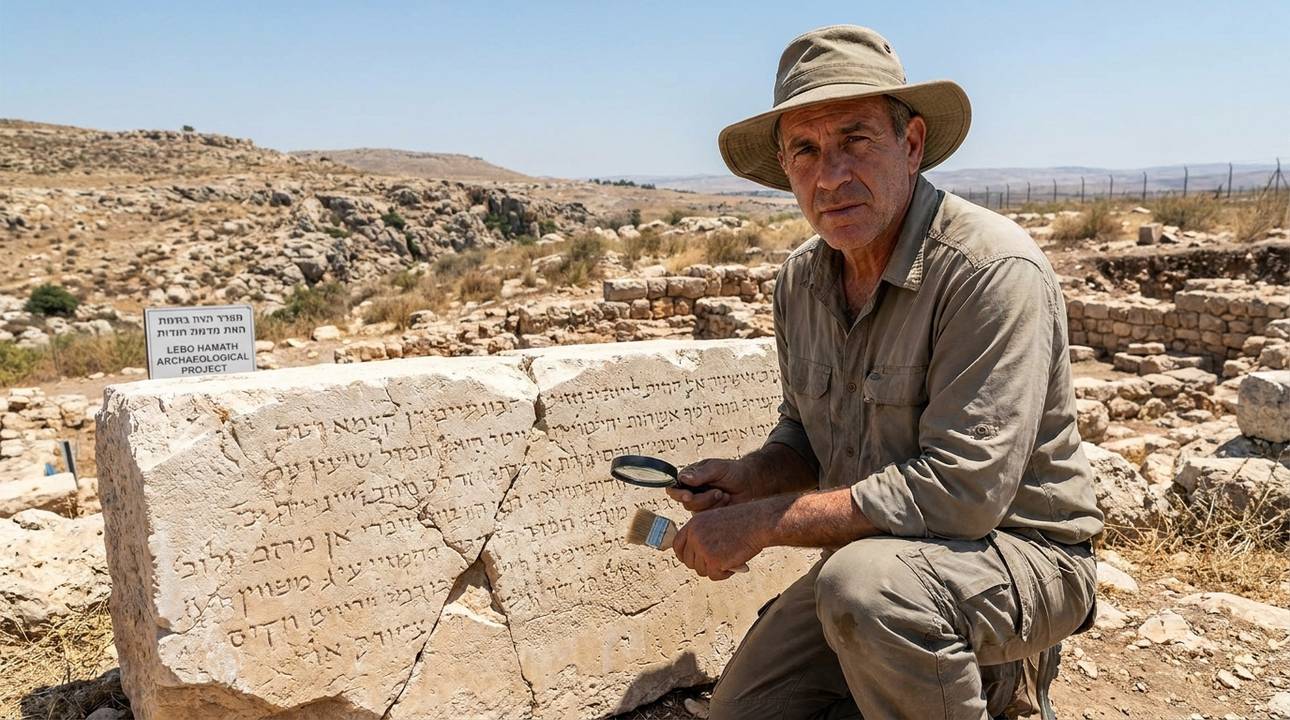
Lebo Hamath in Prophetic Literature
In historical texts, this boundary sometimes symbolizes Israel’s far-reaching influence. References to Hamath illustrate its significance in the region.
Such locations convey messages about expansion and promises. These texts use geographic references to anchor national aspirations.
This integration underscores the unity between message and physical land. It reflects on the role in shaping national consciousness, where boundaries like this one are mentioned. By incorporating this boundary, emphasis is placed on the connection between the land’s physical boundaries and the nation’s destiny. Such references highlight the importance of these locations in the shared history and identity of the people.
Present-Day Understanding of Lebo Hamath
Today, scholars and historians continue to explore the legacy of this boundary. Its historical importance continues to captivate researchers who delve into textual studies. This site is considered crucial for understanding Israel’s historical and territorial development.
The ongoing investigation offers insights into how ancient boundaries influenced modern perceptions. Although exact locations may remain speculative, the symbolic value persists, focusing on its role in narratives and historical geography.
Archaeological studies aim to pinpoint this boundary’s location, with some suggesting it corresponds to modern-day Hama in Syria. This connection provides a tangible link to the past, allowing researchers to explore the broader historical implications of the region’s role in ancient trade routes.
The study of this site continues to enrich our understanding of the ancient Near East, offering valuable perspectives on the cultural and geopolitical dynamics. Discoveries provide insights into the interactions between historical societies.
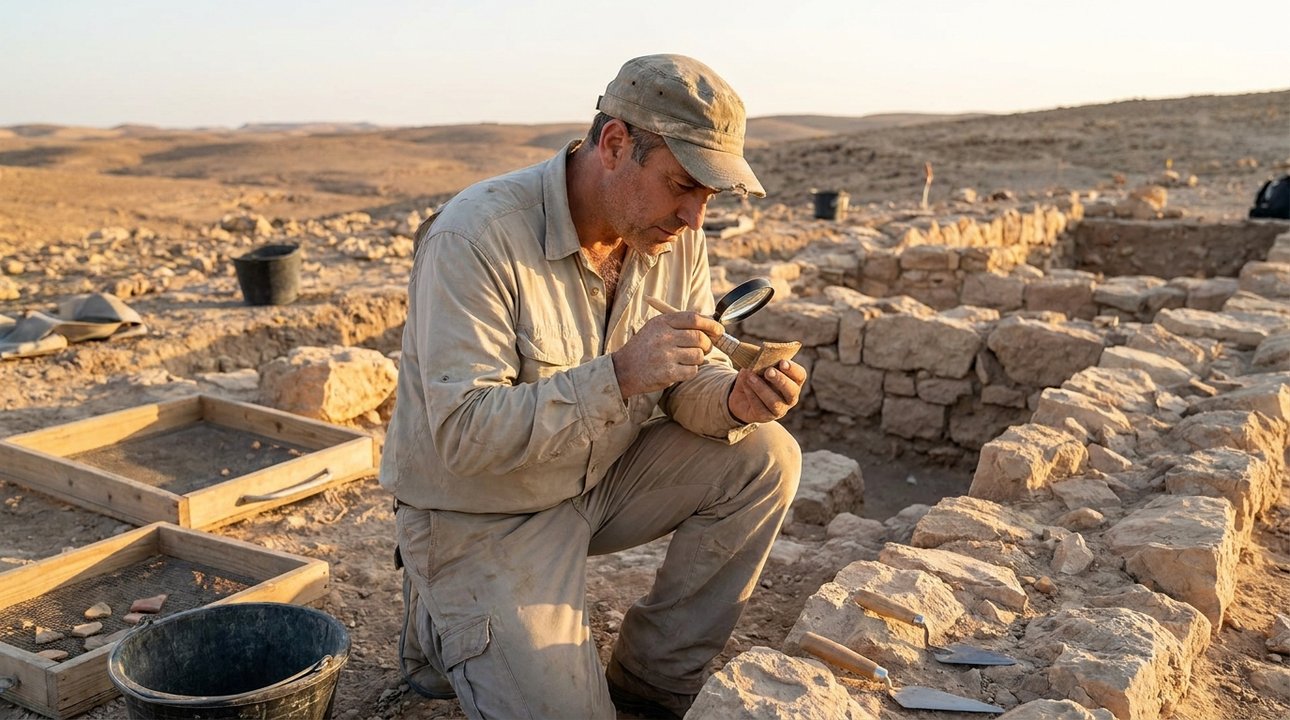
Cultural Legacy and Educational Importance
This boundary’s place in historical texts also carries cultural implications. Its presence in educational teachings influences perceptions of history. It serves as a tool for engaging with texts, offering concrete context to abstract ideas.
In education, this site exemplifies how geographical references shape our understanding of narratives. This promotes an enriched comprehension of history, connecting teachings with real-world locations.
Such references help bridge the gap between ancient stories and contemporary learning environments.
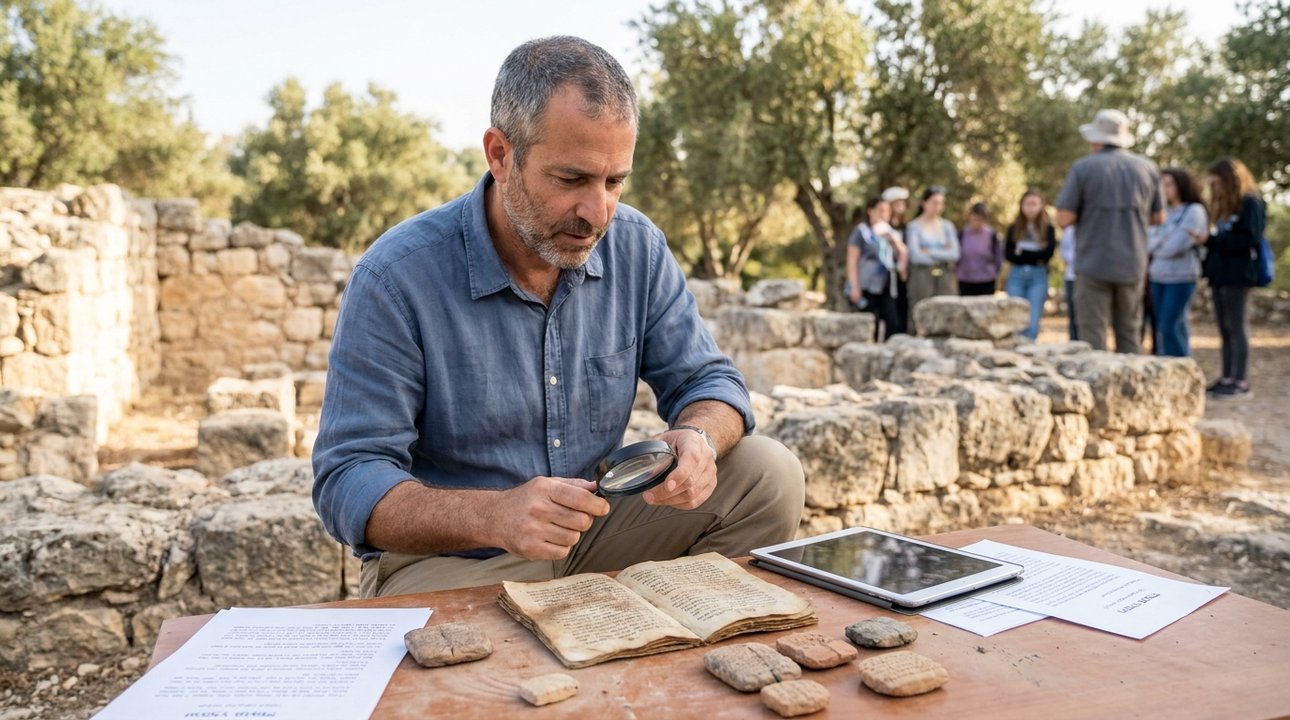
Conclusion: the Ever-Present Role of Lebo Hamath
This location occupies a significant place in history as a boundary and symbol. Its influence continues in cultural, educational, and contexts. By reflecting on its narrative, we deepen our appreciation of geography and its role in shaping the ancient world. The site stands as a sign of the way geography intertwined with life, continuing to inspire curiosity, study, and a deeper connection to the past.
This boundary’s legacy reminds us of the power of land and location in tradition, encouraging ongoing exploration and understanding of its historical context.
This exploration allows us to connect more deeply with the stories and landscapes that have shaped cultural identities for generations.
Frequently Asked Questions about Lebo Hamath
