
Unraveling the Ancient Location and History of Midian


Midian was an ancient region mentioned frequently in historical texts. Its exact location has intrigued scholars, believed to be near the northern Arabian Peninsula. In this article, we explore Midian’s geographical location, historical connections, and cultural impact.
Historically, Midian’s location and its significance in ancient texts have been subjects of interest for historians and researchers.
The region’s appearance in stories like that of Jethro highlights its importance in historical narratives. By examining Midian’s history, we reveal its influence on ancient societies, enhancing our understanding of its role in historical contexts.
from the Western Wall to Masada.
Where Was Midian Located?
Midian is generally believed to have been in the northwestern Arabian Peninsula, along the eastern shore of the Red Sea.
This area corresponds to parts of modern-day Saudi Arabia and southern Jordan. Historical texts often place Midian near Moab and Edom, mentioned in various accounts within regional dynamics.
The strategic location of Midian allowed it to serve as a hub for trade and cultural exchange, connecting regions and peoples.
This positioning is supported by archaeological evidence, revealing trade routes and settlements that align with historical descriptions, enhancing our understanding of Midian’s role.
Described as a desert land, it was inhabited by the Midianites, a nomadic tribe. Their lifestyle is reflected in historical passages where Jethro, a Midianite priest, meets others in the wilderness.
This meeting highlights cultural and familial connections with other groups. Their way of life, moving with their herds, allowed them to adapt to the harsh desert environment.
These descriptions help portray Midian as a land of cultural and strategic importance. They are mentioned in the context of alliances, indicating their influence in regional politics.
Their ability to navigate the desert and maintain connections with other tribes underscores their role in the cultural and economic networks of the time.
What Is the History of Midian?
Midian holds historical importance as the site of significant events and encounters.
This connection adds a layer of importance to the region. Historical accounts describe pivotal moments, marking Midian as a place of refuge and revelation, shaping destinies in historical narratives.
Various accounts elaborate on these events, where significant figures return to their roots before embarking on missions.
The significance of Midian as a place of awakening and transformation is underscored by these narratives, highlighting its role in broader historical stories.
Additionally, the Midianites interacted with others in historical narratives, including conflicts and alliances. They are noted for interactions that led to the rise of leaders.
These accounts illustrate complex relationships between groups, highlighting both adversarial and cooperative interactions that shaped their histories.
The alliance between figures provides an example of cooperation, where guidance is offered in managing groups.
These narratives underscore the multifaceted nature of Midianite relations, reflecting broader themes of conflict and collaboration in ancient societies.
Historical References to Midian
Midian is mentioned numerous times in historical texts. Noteworthy is the marriage of significant figures, illustrating interconnections between ancient cultures.
The narrative centers around them, highlighting episodic but impactful interactions with others.
These narratives underscore the complex relationships between the Midianites and others, characterized by cooperation and conflict.
Their influence is reflected in their role in regional trade and cultural exchange, as evidenced by archaeological findings and historical accounts, providing a richer understanding of their place in history.
Cultural Impact of the Midianites
The Midianites were known as traders and nomadic herders. This lifestyle allowed them to spread influence across the Arabian Peninsula. Their cultural practices are reflected in archaeological findings that shed light on their way of life.
Their interactions with sedentary cultures influenced local economies and cultural exchanges in the ancient Near East.
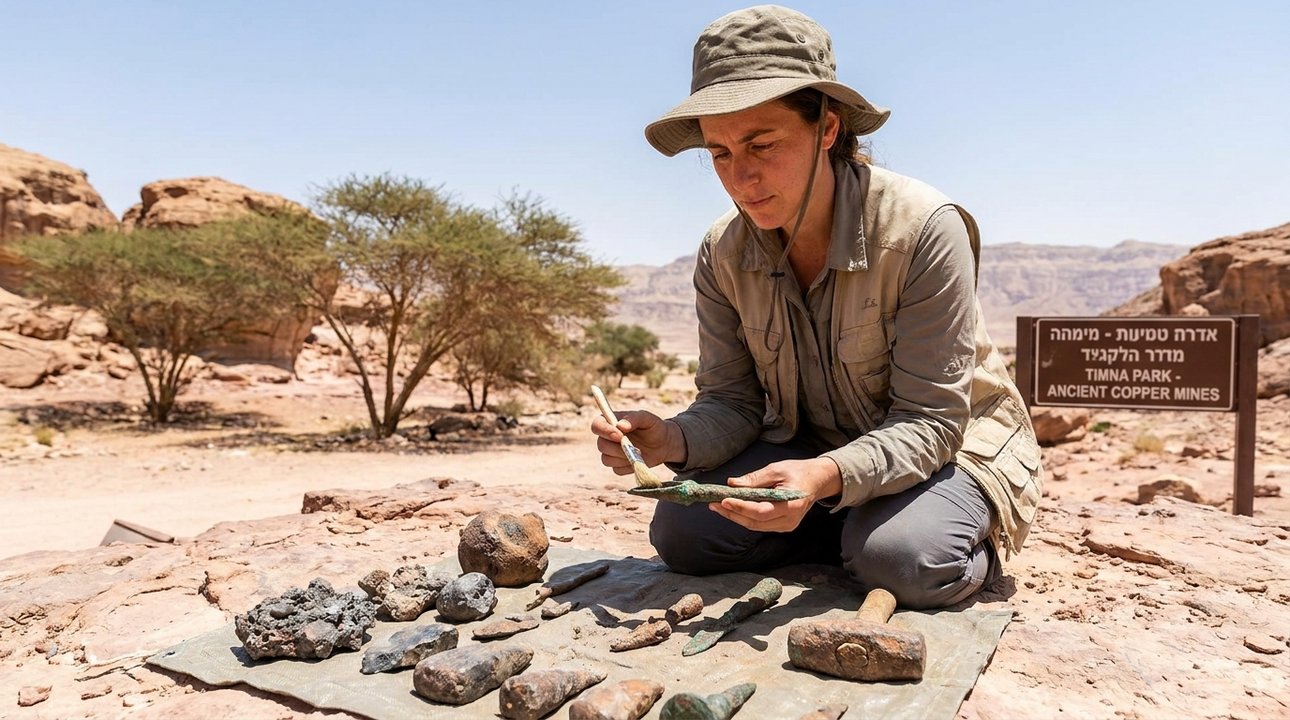
Artifacts discovered in regions like Timna, an ancient copper mining site, reveal their involvement in trade and metallurgy.
These findings, along with historical references, provide insight into the economic activities that sustained their society and facilitated interactions with neighboring cultures, highlighting their role in regional commerce.
Modern Understanding of Midian’s Geography
Today, the exact boundaries of ancient Midian are not definitively known, but scholars agree on its approximate location based on historical descriptions and archaeological evidence.
Modern explorations have focused on southern Jordan and northwestern Saudi Arabia as key areas. This is supported by historical references, which mention Midian among notable descendants.
Archaeological findings in these regions have uncovered artifacts that align with descriptions of Midianite culture, providing tangible evidence of their presence. These discoveries, alongside historical accounts, help researchers map the extent of Midian’s influence and its interactions with neighboring cultures, offering a clearer picture of its history.
from the Western Wall to Masada.
Such geographical inquiries help historians understand the broader regional dynamics of the time. By examining specific sites like those found in southern Jordan, researchers can trace the routes used by them, shedding light on their interactions with neighboring cultures.
For instance, the trade routes passing through Midian likely connected to major centers like Egypt and Mesopotamia, influencing economic and political alliances in the ancient Near East.
By studying the terrain and archaeological sites, researchers can better grasp how they interacted with neighboring cultures, influencing trade routes and political alliances in the ancient Near East. Mentioned as traders, they played a crucial role in the regional economy, facilitating the exchange of goods and ideas.
Their strategic location along the eastern shore of the Red Sea made them key players in ancient commerce.
The Legacy of Midian in Historical Tradition
In historical tradition, Midian is often associated with both adversarial and familial relationships, highlighting the complex interactions between them and others.
These narratives are critical in understanding the historical context of ancient texts. The story of familial ties illustrates connections, while conflicts underscore adversarial aspects.
The dual nature of these relationships is further reflected in historical accounts, where they oppress others, leading to the rise of leaders.
These accounts provide insight into the intricate dynamics of ancient alliances and conflicts, emphasizing the importance of diplomacy and understanding in navigating these relationships.
The stories of cooperation and conflict provide insightful examples of historical diplomacy and cultural blending. For instance, advice given demonstrates a moment of cooperation and wisdom sharing, contributing to governance.
This narrative showcases the exchange of ideas and practices between different cultures, enriching our understanding of historical contexts.
Such narratives enrich our understanding of the nuanced relationships in historical contexts. Another example is the conflict, illustrating the complexities of historical alliances and enmities.
These stories highlight the delicate balance of power and the importance of diplomacy in maintaining peace and cooperation among diverse groups.
Archaeological Research on Midian
Archaeological pursuits aim to uncover more about them by examining historical sites. Such explorations seek to provide tangible evidence about their daily life, economy, and social structures.
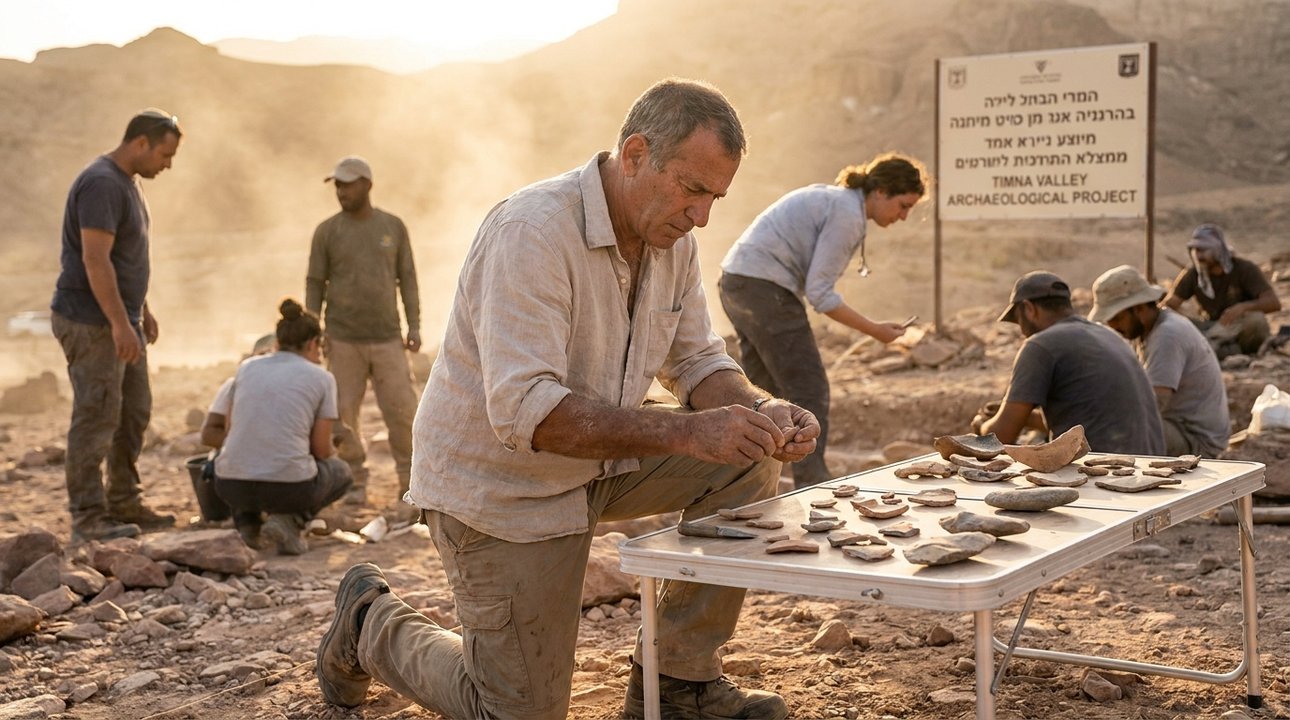
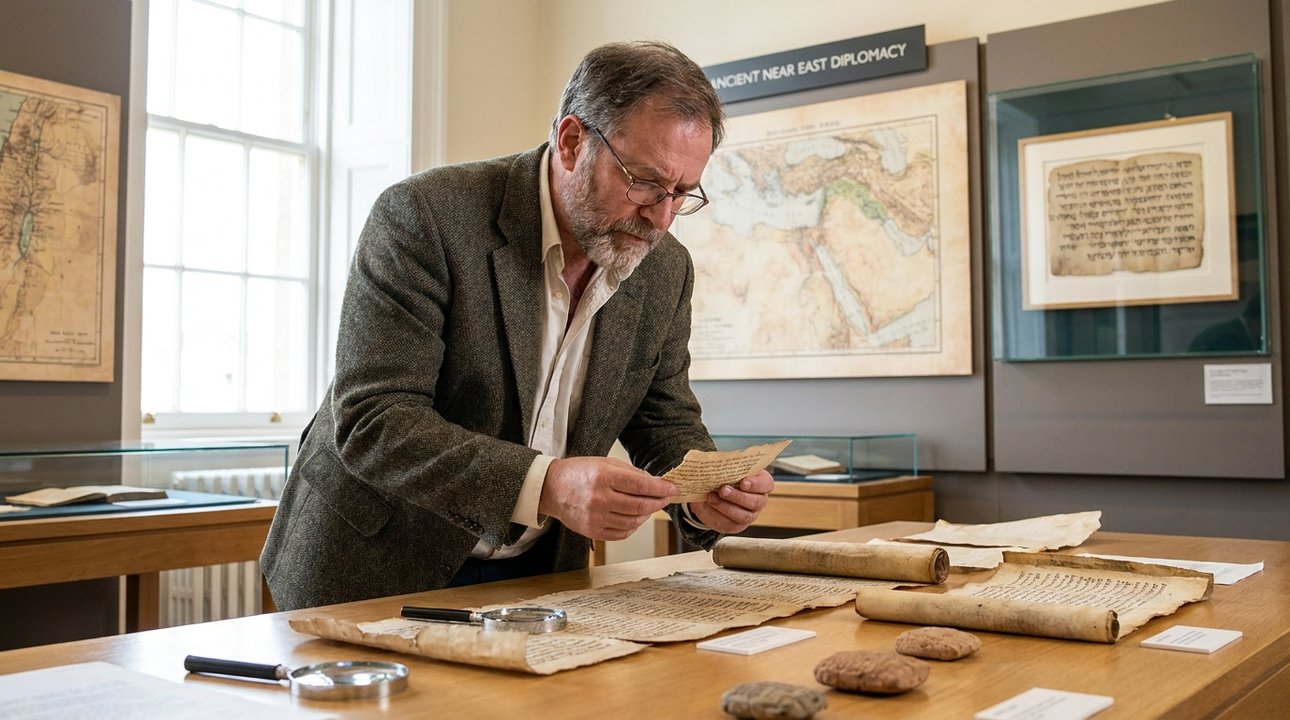
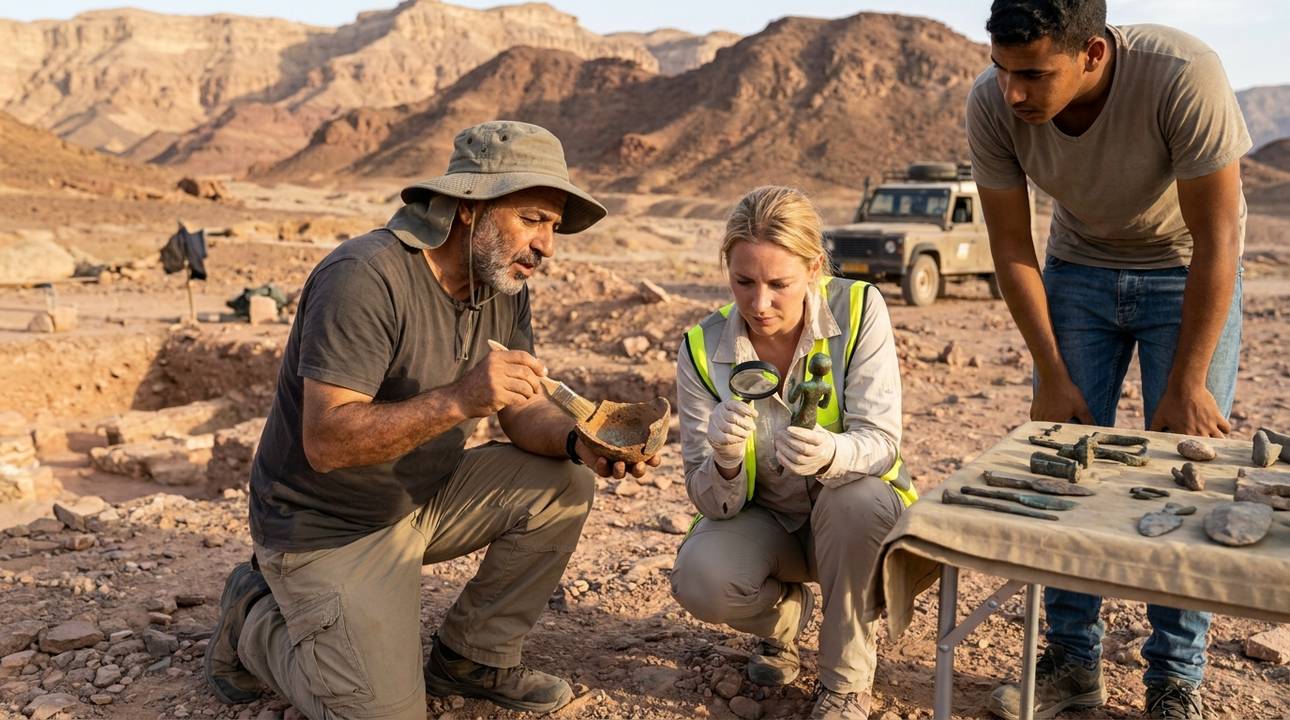
Artifacts and inscriptions found in the region are pivotal in piecing together the historical puzzle of their role and influence. Notable finds include pottery, tools, and remnants of ancient settlements that offer insights into their way of life.
Inscriptions discovered in areas like Timna, an ancient copper mining site, reveal trade interactions between Midianites and other cultures.
These findings are supported by historical accounts, which describe interactions between different groups. By analyzing these artifacts, researchers can reconstruct the socio-economic dynamics that defined the Midianite civilization.
The evidence of trade and cultural exchange found in these inscriptions highlights the interconnectedness of ancient societies and their role in facilitating these interactions.
These discoveries provide insight into the economic activities that sustained their society and their influence on the development of regional trade networks.
Conclusion: Understanding Midian Today
Midian, as an ancient region, serves as a critical link in the history of the Near East, providing insights into its nomadic societies and their interaction with more settled communities. Its historical narratives continue to influence cultural and historical studies today.
While much of its history is gleaned from texts, archaeological endeavors promise to enrich our understanding further.
Recent excavations in areas like Timna have uncovered artifacts that offer insights into the daily lives of the Midianites, revealing their skills in metallurgy and trade. These discoveries, coupled with historical accounts, help piece together the complex mix of life in ancient Midian, illustrating its role in regional interactions.
Further Reading on Midian
For those interested in exploring the complex history and culture of Midian, there are several scholarly resources and comprehensive texts available.
These include detailed studies on the interaction between ancient societies, which provide deeper insights into the life and times of the Midianites. Books such as “The Midianite Pottery” by Peter J. Parr offer archaeological perspectives, while “Midian, Moab, and Edom” by John Bartlett delves into their historical interactions with neighboring tribes.
Additionally, the work of scholars like K.A. Kitchen, who has written extensively on the ancient Near East, provides valuable context for understanding Midian’s role in historical narratives. These resources often reference specific events, such as stories of refuge in Midian. Such texts are essential for anyone looking to grasp the multifaceted nature of Midian’s historical and cultural role.
Midian's history
