
Discovering the Significance of Mt Horeb in the Bible


Mt Horeb holds a special place in narratives as a site of divine encounters and revelations. Traditionally linked with Mount Sinai, Horeb is the location where significant events took place, marking the beginning of a covenant with divine law.
What Is the Difference Between Mt Sinai and Mt Horeb?
In various texts, Mt Horeb and Mt Sinai are often mentioned interchangeably, leading to some confusion. Many scholars believe they refer to the same location. These narratives describe Mount Sinai as the place of significant revelations, suggesting a close connection between these two names.
from the Western Wall to Masada.

This duality is reflected in various passages, where the Israelites prepare to meet the divine at Sinai, yet the same mountain is called Horeb in other texts. This interchangeability highlights the mountain’s significance as a central site of divine-human interaction.

The Significance of Mt Horeb in the Exodus
Mt Horeb is important in historical texts. It serves as the backdrop for some of the most significant events in history, such as the giving of important laws and guidance to govern the people. This mountain becomes the central location of divine communication and covenant. The events at Horeb signify the establishment of a sacred space for worship.
The Tabernacle, a portable sanctuary, symbolizes the divine presence among the Israelites during their journey. This connection between Horeb and the Tabernacle highlights the mountain’s role in the spiritual and communal life of the Israelites.
The journey to Horeb represents a physical and spiritual transition for the people. This journey marks a significant shift from past struggles to a future as a nation bound by divine law. This transformative experience is a cornerstone of religious identity.
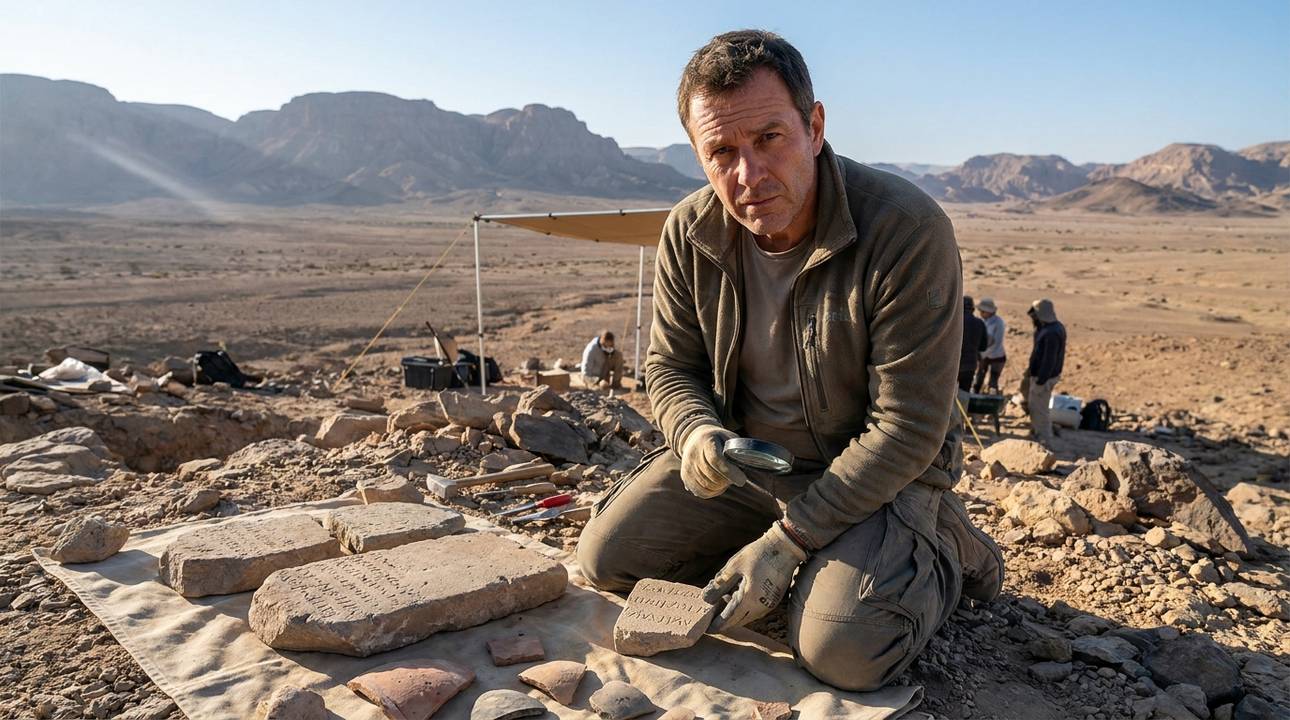
Mt Horeb: A Place of Revelation
Beyond initial encounters, Horeb served as a repeated site of divine revelation. The assembly’s call to Horeb emphasizes its ongoing spiritual importance. The mountain is integral to the narrative, reinforcing their covenant with the Divine.
These stories highlight Horeb as a place where the divine presence is felt and where significant spiritual guidance is imparted. The mountain’s role in these narratives underscores its importance as a spiritual landmark in the history of the Israelites.
These divine meetings not only convey important laws but also demonstrate a presence among the people. Horeb stands as a sign of profound spiritual moments that defined the Israelite community’s faith journey. The echoes of this mountain resonate in Jewish liturgy and is still remembered. The commandments given at Horeb are recited in daily prayers and festivals, reminding the Jewish people of their covenant and responsibilities.
During certain festivals, the giving of important teachings is celebrated, drawing directly from the events at Horeb. This serves as a reminder of the laws and teachings that have shaped identity and practice over millennia.

Present-Day Understanding of Mt Horeb
Today, the exact location of Mt Horeb remains a subject of debate among scholars. The traditional association places it near St. Catherine’s Monastery in the Sinai Peninsula. This site draws interest for its historical ties and the ancient narratives connected to it.
Others argue for sites in the Negev Desert, pointing to geographical descriptions found in the Bible. The debate continues as new discoveries and interpretations emerge, each adding layers to the mix of Horeb’s history.
While its precise geographic identity is uncertain, Horeb’s symbolic significance is clear. It represents a profound moment in history where divine law and human conduct intersect. This legacy of spiritual interaction continues to be a focal point in religious discussions.
Elijah’s experience at Horeb underscores the mountain’s role as a site of personal and prophetic revelation. This story, along with others, contributes to Horeb’s lasting reputation as a place where the divine and human meet.

Mt Horeb and Its Legacy in Jewish Thought
Horeb’s place in tradition extends beyond its accounts. It influences thought, guiding principles of law, ethics, and spirituality. Rabbinic literature often reflects on the significance of Horeb’s revelations.
from the Western Wall to Masada.
The teachings associated with Horeb are evident in the Talmud, where scholars discuss the implications of the laws given there. This ongoing engagement with Horeb’s legacy highlights its importance in Jewish legal and ethical discourse.
Horeb is celebrated in liturgy and storytelling as a symbol of divine encounter and covenant. Its presence in texts exemplifies the central themes of faith, law, and obedience that guide life.
The significance of Horeb is also reflected in the daily recitation of the Shema, a central prayer in Jewish worship, which reinforces the teachings received at the mountain. This ongoing connection to Horeb’s legacy is a sign of its enduring influence.
Cultural Reflections: Horeb in Arts and Literature
Beyond religious contexts, Horeb transcends into cultural narratives, inspiring countless works of art and literature. These moments have inspired artists throughout history.
In literature, authors like John Milton in ‘Paradise Lost’ use Horeb to symbolize divine revelation and human enlightenment. These artistic expressions continue to resonate, illustrating the enduring power of Horeb’s stories in shaping cultural and moral perspectives.
Horeb serves as a powerful allegory in various cultural expressions, from commentaries to modern storytelling. Its representation as a site of inspiration and resistance informs artistic and literary creation.
In contemporary literature, Horeb often symbolizes a place of personal transformation and moral decision-making. Its presence in stories and art is still remembered reflection on the nature of faith and the human experience.
Conclusion: the Eternal Echo of Mt Horeb
In summary, Horeb occupies a revered place in tradition, symbolizing a profound connection between the divine and humanity. It is a sign of the spirituality and moral grounding of the people.
The mountain’s association with key events serves as a reminder of the enduring covenant between the people and their faith. As a symbol of divine encounter, Horeb remains a focal point for those seeking spiritual insight and historical understanding.
Horeb, whether in its tales or its symbolic interpretations, remains a significant part of heritage. Its teachings and stories encourage a sense of hope, engagement, and spirituality.
Horeb’s legacy is evident in the way Jewish communities worldwide continue to engage with its stories, finding inspiration and guidance in its teachings. The mountain’s role in shaping moral and ethical frameworks is a sign of its timeless relevance.
About Mt Horeb