
Exploring the Historical Location of Perez Uzzah

Perez Uzzah is noted for a tragic incident involving Uzzah, as recounted in historical texts. This event took place during the transport of the Ark of the Covenant to Jerusalem.
The Ark was central to Israelite identity. Here, we explore its historical context and its significance in Jewish tradition.
The location symbolizes a significant moment, prompting reflection on reverence and responsibility in cultural practice. It serves as a reminder of the responsibilities that come with handling important objects and the importance of following established guidelines. Our service offers a selection of products, providing a unique experience each time.
What Is Perez Uzzah?
Perez Uzzah is associated with an event during the transport of the Ark of the Covenant. The name translates to ‘Outburst Against Uzzah,’ marking where Uzzah was struck for touching the Ark, as described in historical accounts.
This passage underscores the seriousness of handling important objects with care. It serves as a lesson on reverence and careful observance of established guidelines, highlighting the importance of understanding and respecting the boundaries set by cultural laws.
This account continues to serve as a cautionary tale about the need for humility and adherence to guidelines.
from the Western Wall to Masada.
David’s initial attempt to bring the Ark to Jerusalem is highlighted in the narrative. During the journey, Uzzah reached out to steady the Ark and was struck down, as described in historical texts.
This event affected David and those present, leading to a period of fear and re-evaluation. The incident prompted David to later make different arrangements for the Ark’s transportation.
He decided to transport the Ark with greater care, eventually bringing it to Jerusalem with joy and celebration. This change in approach underscores the importance of reverence and caution in cultural observances.
Where Is Perez Uzzah Located?
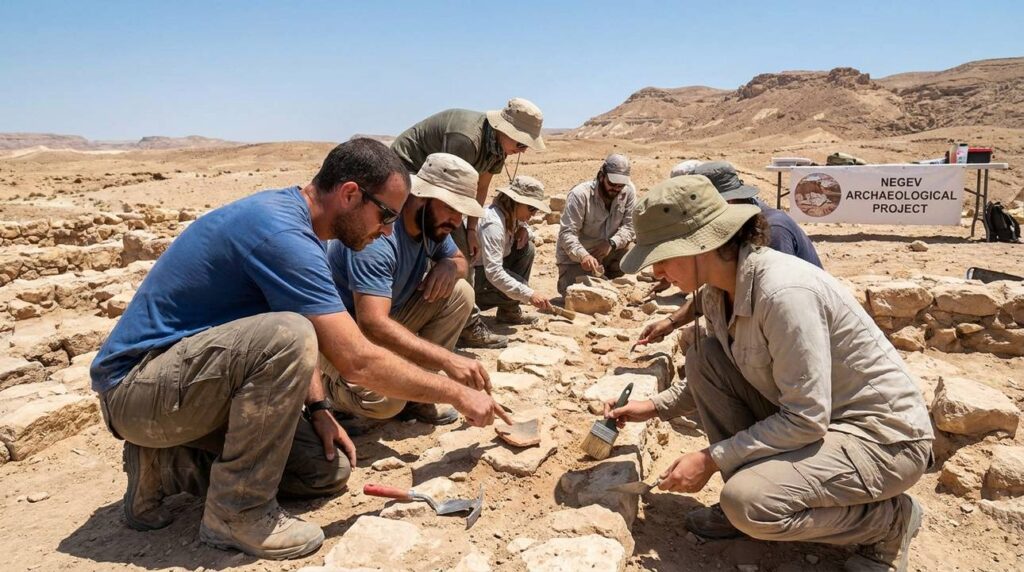
The exact geographical location of Perez Uzzah is not clearly identified in modern terms. It is traditionally believed to be near Kiriath-Jearim, where the Ark initially stayed.
Kiriath-Jearim was known for housing the Ark for twenty years before David’s attempt to move it. This context places it within the historical borders of the region, although specific coordinates remain elusive today.
The area around Kiriath-Jearim was significant during the time of the Judges and the early monarchy. It was a place where the Israelites gathered, reflecting its importance in their communal and cultural life.
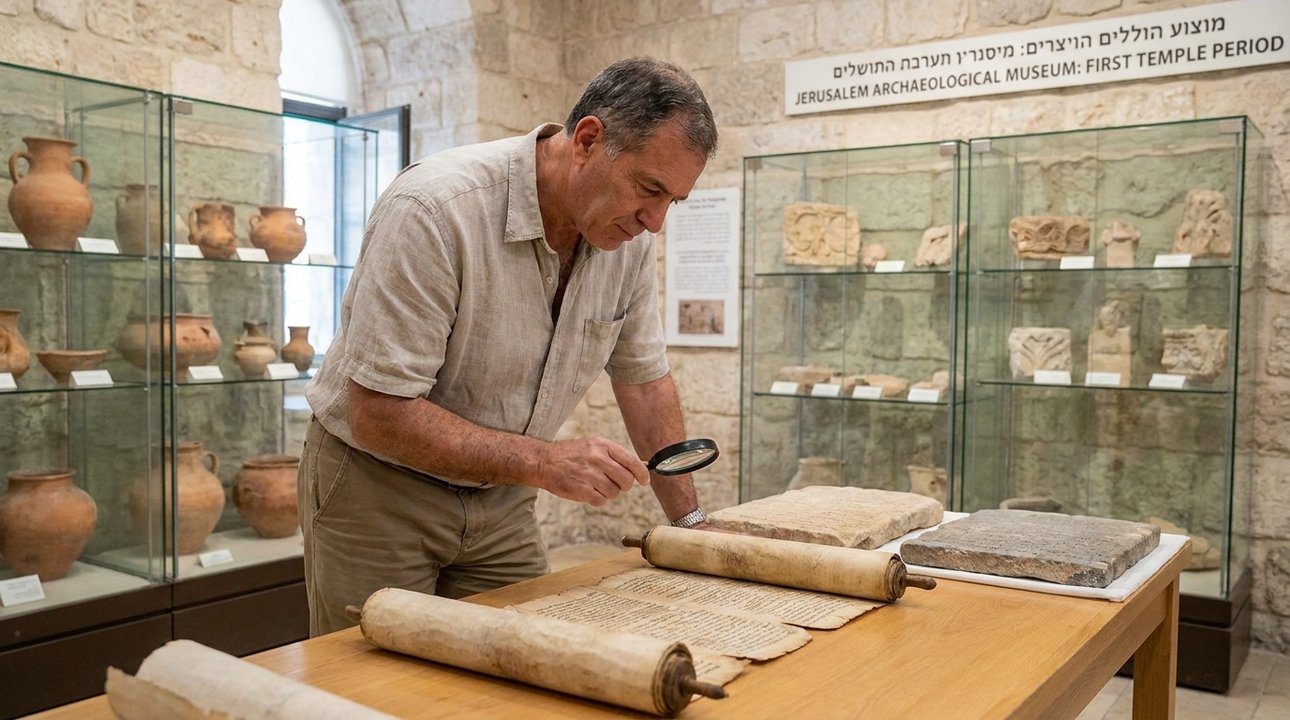
Historical and religious texts provide some clues but lack the precise detail needed to pinpoint an exact location. The texts mention Perez Uzzah but do not offer exact geographical markers.
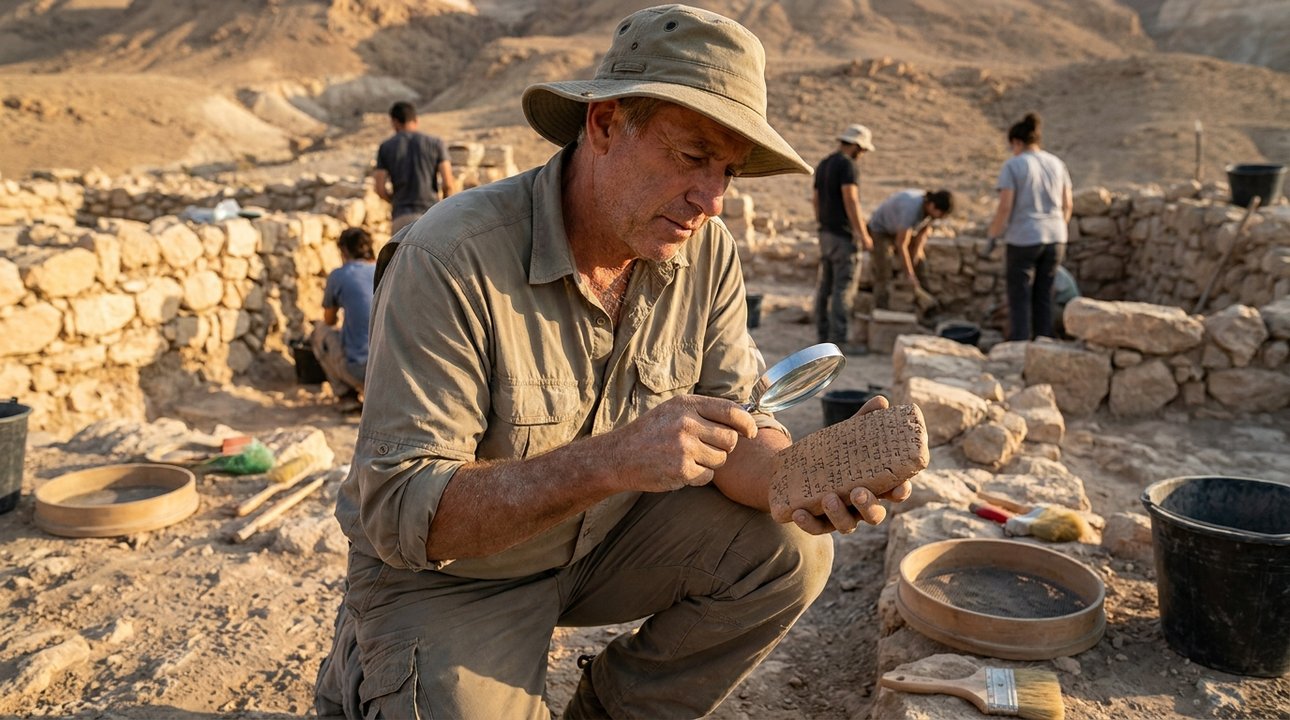
This ambiguity adds a layer of mystery and reflects the challenges in connecting historical stories with archaeological evidence. It highlights the ongoing quest to bridge historical narratives with tangible archaeological findings, enriching our understanding of history.
The Importance of Perez Uzzah
Perez Uzzah’s story is a reminder of the significance associated with the Ark of the Covenant. In Jewish tradition, it underscores the importance of following commands with exactness.
The narrative emphasizes the need for precise obedience. The event at Perez Uzzah illustrates the gravity of handling important objects and respecting their significance.
It serves as a lesson on the need for humility and adherence to guidelines, ensuring that traditions are honored properly. This account continues to influence how important objects are approached in cultural contexts today.
The incident served as a pivotal moment for David, leading to a renewed approach toward transporting the Ark. David’s later actions demonstrated a more reverent and careful handling of important objects.
David organized a grand procession, with celebrations, to honor the Ark’s journey. This event shaped how leaders engaged with cultural symbols and rituals, influencing practices.
It underscored the importance of following prescribed methods in cultural observances, impacting future generations. David’s experience at Perez Uzzah became a lesson in leadership and the handling of important duties.
Lessons from the Story of Perez Uzzah
The account underscores themes of obedience and the consequences of human actions in cultural contexts. Uzzah’s actions and their outcome highlight these themes vividly.
This passage illustrates how even well-intentioned actions can have severe consequences when they conflict with established instructions. Uzzah’s fate serves as a cautionary tale about the need for humility and reverence.
It invites reflection on how we approach traditions and responsibilities, urging careful adherence to guidelines, and recognizing the importance of respect in observance. Such accounts continue to shape the practice and understanding of duties.
from the Western Wall to Masada.
The dramatic turn of events emphasizes the belief in a responsive relationship with established rules. The immediate consequence faced by Uzzah serves as a profound example of this belief.
This episode illustrates the immediacy with which rules were enforced, reflecting the seriousness of observance. For those studying historical texts, it offers insights into early cultural life and the evolving understanding of significance.
It illustrates how perceptions of significance and interaction have developed through time, shaping practices and beliefs. The account of Perez Uzzah continues to be a point of reflection for those exploring the dynamics of tradition.
Perez Uzzah in Religious Thought
The story of Perez Uzzah has been discussed in various Jewish commentaries, highlighting different aspects of the event. Rashi and other commentators often explore the strictness of rules.
Some commentaries focus on the perceived strictness of rules, while others emphasize the need for communal respect towards ordinances. This diversity in interpretation enriches the understanding of the text’s implications, offering varied perspectives on its lessons.
These discussions often bring out deeper themes, such as the impact of leadership decisions on society. The actions of Uzzah and the subsequent reaction highlight the weight of leadership choices.
The account illustrates the influence leaders have on practices and communal observance. It serves as a thread connecting past lessons with present practices.
It reminds us how historical events influence current observances, shaping how traditions are interpreted and practiced today, ensuring continuity. The story of Perez Uzzah continues to be a point of reflection for those exploring the dynamics of tradition.

Perez Uzzah Today
In modern times, Perez Uzzah continues to resonate as a symbol of respect for traditions. The account reminds us of the importance of reverence in practices.
The passage describes how Uzzah was struck down for touching the Ark of the Covenant, highlighting the seriousness with which important objects were regarded. While the exact location remains uncertain, the story is recounted to emphasize symbolic teachings.
It reflects the continuing dialogue between tradition and historical understanding, encouraging reflection on how we honor our heritage.
Ancient stories like that of Perez Uzzah invite us to consider how they can guide modern spiritual practices. Reflecting on this account, we are reminded of the ongoing need to balance tradition with contemporary faith experiences.
It encourages a thoughtful approach to religious observance, ensuring that we maintain a deep respect for the sacred while navigating the complexities of modern life.
This account is a reminder of the intertwining of history, culture, and tradition in forming shared history. The story of Uzzah is often revisited to understand how ancient events continue to influence modern thought. The incident at Perez Uzzah emphasizes the importance of respecting traditions. Its legacy highlights the evolving interpretation of ancient stories in contemporary life. It shows how interpretations can shift, reflecting changes in cultural understanding over time. This ongoing dialogue between past and present enriches our appreciation of heritage and its relevance today.
Location and Significance
