
Exploring the Historical Pool of Siloam
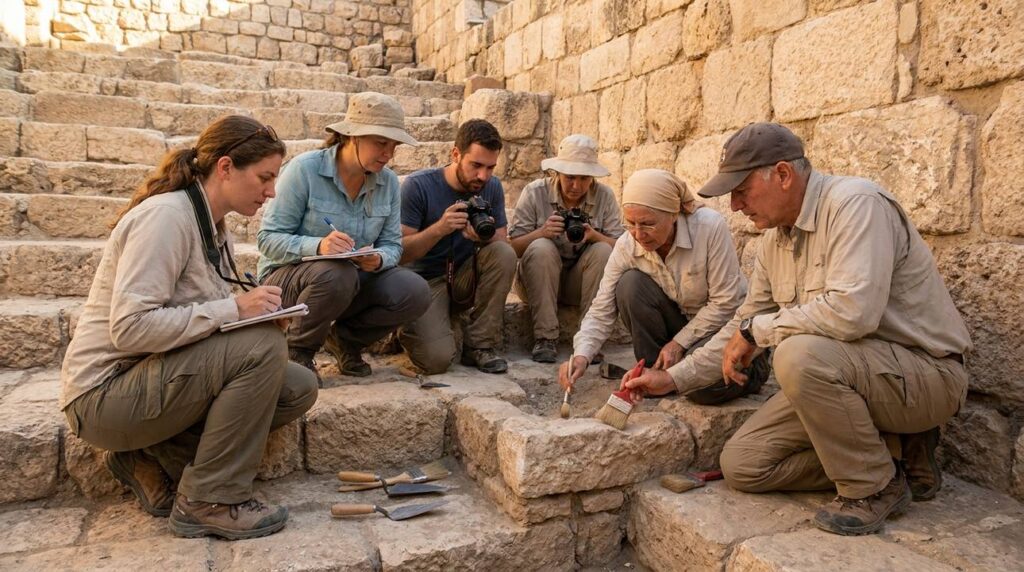

The Pool of Siloam, situated in Jerusalem, is steeped in history, mentioned as part of efforts to secure the city’s water supply. In this article, we delve into its map and uncover the stories and significance beneath its waters. Its strategic importance makes it a captivating subject for those interested in Israel’s history, showing the ingenuity of its builders.
What Is the Pool of Siloam?
An ancient water feature in Jerusalem, the Pool of Siloam is associated with efforts to secure the city’s water supply. This initiative was part of a broader strategy to fortify Jerusalem against external threats.
Located in what is now the City of David, it was a crucial component of Jerusalem’s water system, channeling water from the Gihon Spring through a remarkable feat of 8th-century BCE engineering.
from the Western Wall to Masada.
Construction of this water source highlights its significance in the city’s infrastructure. The Gihon Spring, as one of the few perennial water sources in the region, made it essential for Jerusalem’s survival.
This engineering marvel not only provided water but also symbolized the resourcefulness of the Judean people, ensuring their ability to withstand sieges and maintain their way of life.
Historical and Geographical Context
Created as part of a water project to secure the city’s water, this strategic move was crucial during the Assyrian siege led by Sennacherib, showcasing foresight and leadership.
The Siloam Tunnel, which transported water from the Gihon Spring, is a remarkable engineering achievement, stretching over 1,750 feet and demonstrating the ingenuity of the Judean people in protecting their city during times of siege.
The tunnel’s construction highlights its importance in historical narratives. This feat involved precise planning and execution, as the tunnel was carved through solid rock.
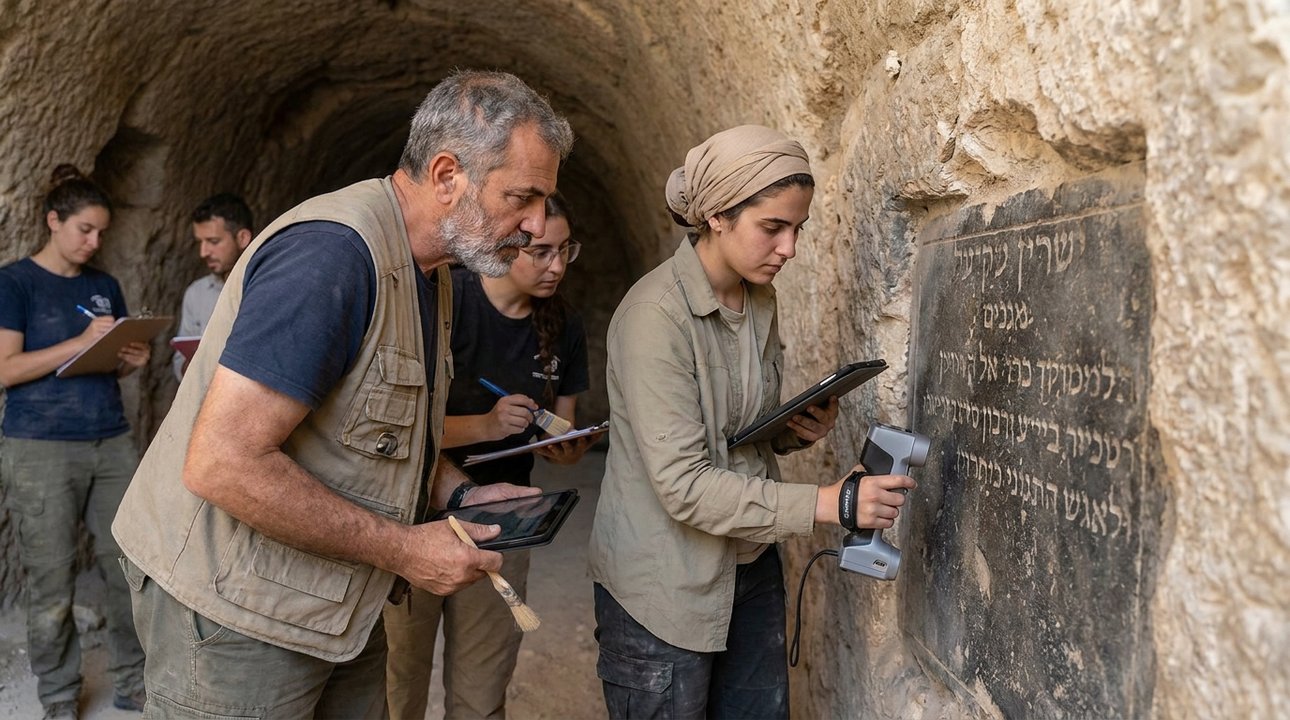
The convergence of the two teams of diggers, as detailed in the Siloam Inscription, further underscores the advanced skills and coordination of the ancient builders, making it one of the most impressive engineering projects of its time.
The Pool of Siloam in Historical Narratives
This water source symbolizes peace and provision. Its gentle flow contrasts with the tumultuous waters of other streams, representing stability and continuity.
Its waters were associated with significance, often seen as a source of purification and renewal.
During the pilgrimage festivals, it played an important role by providing water for a joyous event described in the Mishnah.
The Mishnah, a central text of Jewish oral tradition, highlights its role in these festivities, emphasizing its importance in communal and cultural life.
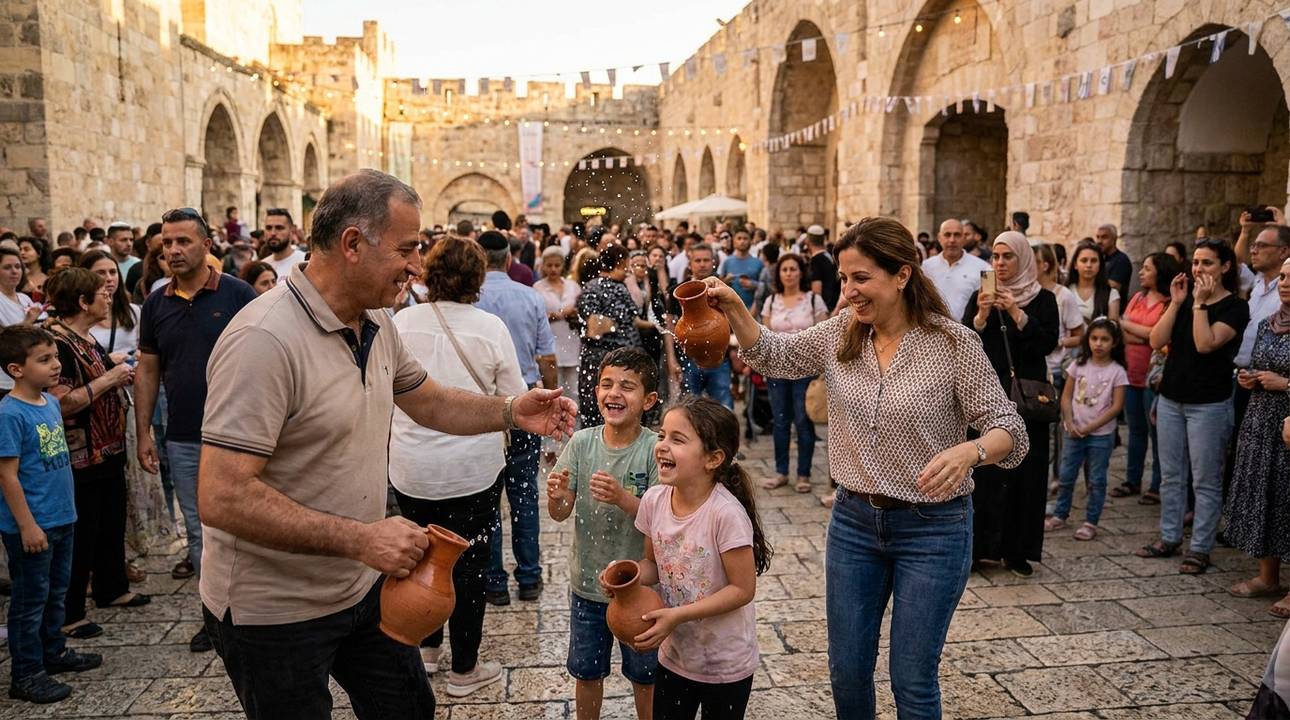
The Water-Drawing Festival, known as Simchat Beit HaShoeva, was a time of great joy and celebration, reflecting the community’s gratitude for the provision of water and the sustenance it provided. This event underscored its practical significance in Jerusalem.
Archaeological Discoveries
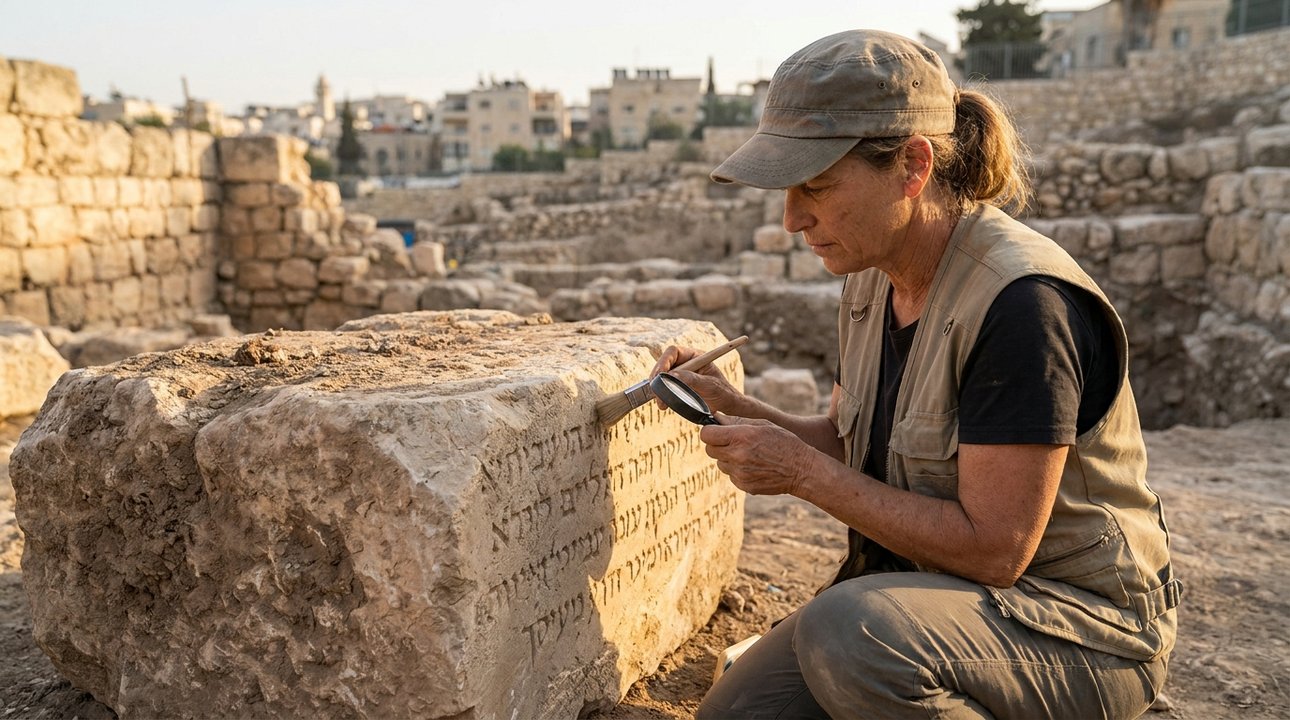
Archaeologists have uncovered sections of the walls, revealing insights into its size and structure, which was large enough to accommodate the many pilgrims visiting Jerusalem. The dimensions suggest it was a significant gathering place, capable of holding large crowds during festivals. The Siloam Inscription, found in the tunnel, describes the completion of this remarkable engineering project, detailing how two teams of diggers met in the middle, a sign of the advanced skills of the ancient builders.
This inscription, written in ancient script, provides a rare glimpse into the language and literacy of the period. It also highlights the communal effort involved in such a massive undertaking.
Its location in the City of David, near the Temple Mount, indicates its importance in the social life of Jerusalem, serving as a vital resource for both daily needs and ceremonial purposes.
The Pool of Siloam’s Role in Festivals
During the Second Temple period, this site was integral to cultural rituals. Its proximity to the Temple made it an essential part of the pilgrimage experience, as described in various Jewish texts.
The Water-Drawing Festival emphasized its importance. This joyous event, described in the Mishnah, involved drawing water to be poured on the altar, symbolizing abundance.
It thus became a focal point for communal celebration and renewal, deeply embedded in tradition.
from the Western Wall to Masada.
The festival, known as Simchat Beit HaShoeva, was marked by music, dance, and the illumination of Jerusalem with torches, creating a atmosphere of joy and thanksgiving. This event highlighted its role not only as a physical resource but also as a spiritual symbol of renewal and hope, reflecting the community’s connection to their faith and heritage.
Visiting the Site Today
Although excavation continues, portions of this historic site are open to visitors. These remains provide a glimpse into the cultural life of Jerusalem. It is tied to events such as the construction of a tunnel to bring water into the city. This site, a sign of ancient engineering, offers insights into the daily lives of those who once thrived in this historic city.
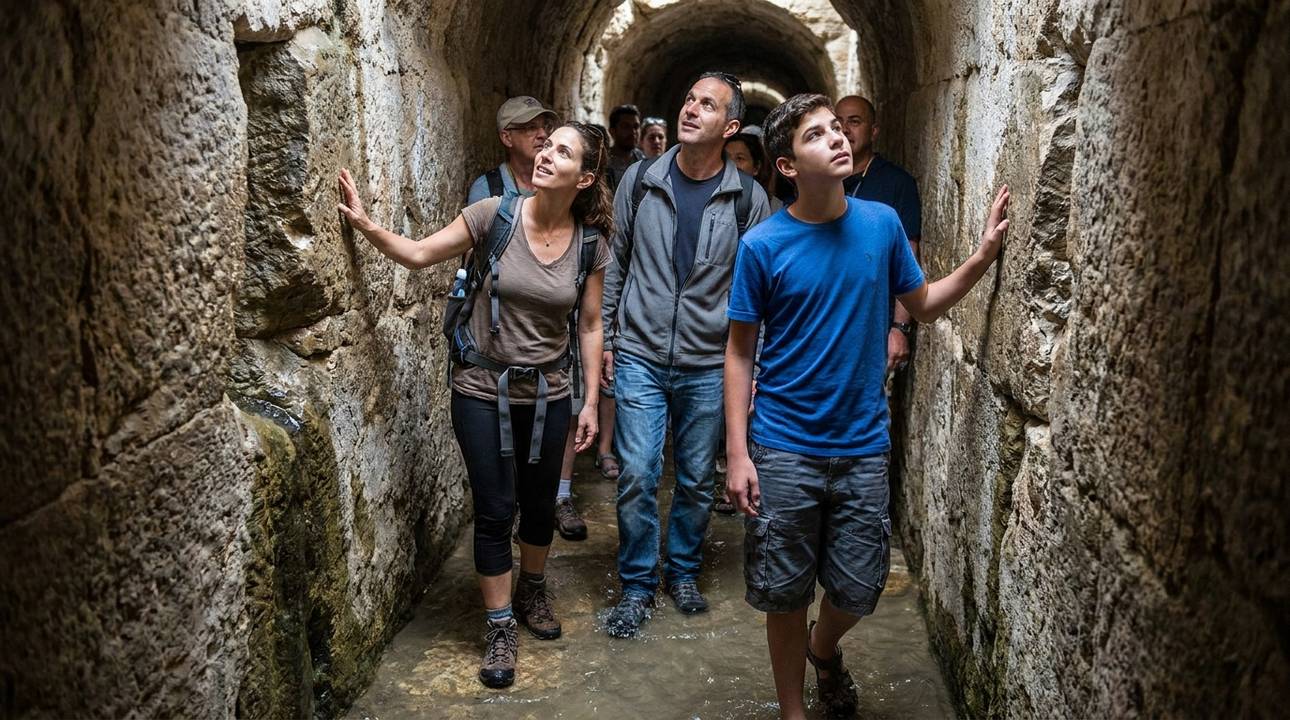
Visitors can walk through the remnants of Hezekiah’s Tunnel, experiencing firsthand the ingenuity and determination of the ancient Judeans. Its location in the City of David, near other significant archaeological sites, makes it a key destination for those interested in exploring the history and cultural heritage of Jerusalem, providing a tangible connection to the past.
Cultural and Spiritual Symbolism
Symbolizing healing and continuity in traditions, this site echoes in culture as a sign of historical continuity. It is associated with events where it served as a vital water source during sieges. This enduring symbol of survival is still remembered by those who visit Jerusalem, reminding them of resilience.
Connecting to Israel’s Heritage
Offering a profound connection to Israel’s past, it provides insight into the heritage and perseverance of the Jewish people. Archaeological findings, such as ancient coins and inscriptions, reveal its significance during the Second Temple period. As a gathering place for pilgrims, it played a central role in religious festivals, reflecting the enduring spirit and cultural richness of Jerusalem, a city of deep historical layers.
Its role in the Water-Drawing Festival, as described in the Mishnah, further underscores its importance in the cultural and social life of the time.
These festivals were not only opportunities for reflection but also for community bonding, highlighting its multifaceted role in the life of Jerusalem, bridging the sacred and the everyday.
Conclusion
More than an archaeological site, it reflects historical narratives and a deep cultural legacy that is still remembered as a connection to Israel’s history. Its mention in texts highlights its enduring presence in heritage. As a place of historical impact, it offers a unique glimpse into the lives of those who lived in Jerusalem, serving as a link between past and present for visitors and scholars alike, enriching our understanding of traditions.
Archaeological findings, such as pottery shards and ancient coins, provide tangible links to the past, showing the daily lives and economic activities of its users. These discoveries make it a site of profound historical interest, drawing visitors who seek to connect with the mix of Jerusalem’s history and its role in the broader narrative of the Jewish people.
Understanding the Pool of Siloam
