
Ramah in the Bible: Ancient Significance
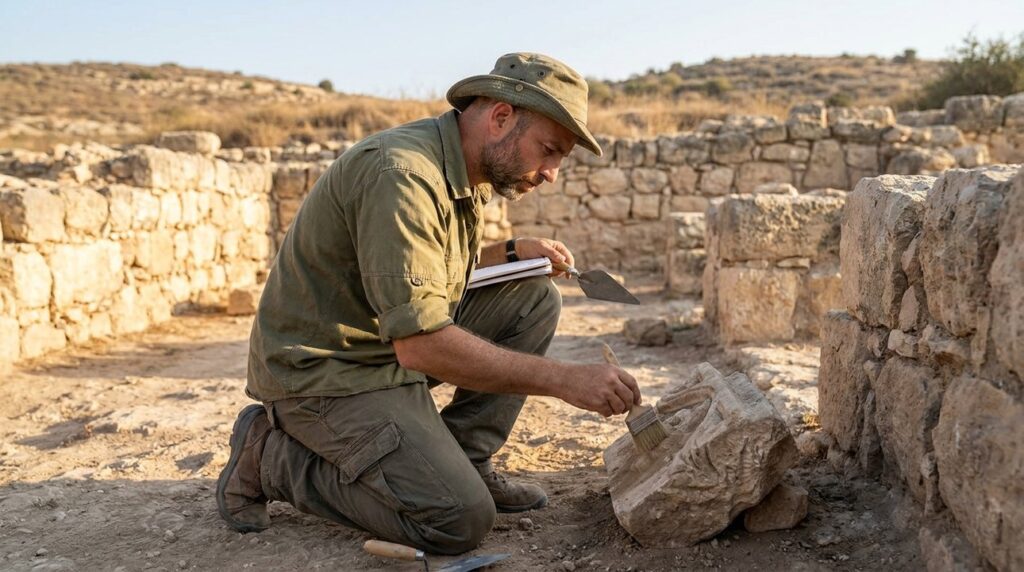

Ramah is a notable location, known for its geographical and cultural significance. Situated in the territory of Benjamin, it was strategically important during the time of the Judges and the monarchy.
Ramah served as a gathering place and was central to many events that shaped Israel’s history. It is also noted as the residence of Samuel, who judged Israel and built an altar there.
Ramah is mentioned in historical texts as a place of mourning, symbolizing sorrow.
This association later became linked with the exile of the Israelites, highlighting Ramah’s ongoing role in themes of loss and hope. Its importance is both historical and deeply interwoven with emotional narratives.
from the Western Wall to Masada.
The image of Rachel weeping in Ramah is a powerful symbol in literature, emphasizing the town’s cultural importance as a place of mourning and eventual hope.
Ramah’s connection to the Jewish people’s emotional story offers a message of resilience during times of displacement and exile.
What Is the Location of Ramah?
Ramah is mentioned several times in the Bible, with its name meaning ‘height’ or ‘high place.’ While there are multiple places with this name, the most significant one is in the territory of Benjamin, near Gibeah and Mizpah.
Its elevated position made it a strategic site for gatherings and key events, central to the region’s network of towns. The exact location is debated, but it is often identified with an area just north of Jerusalem.
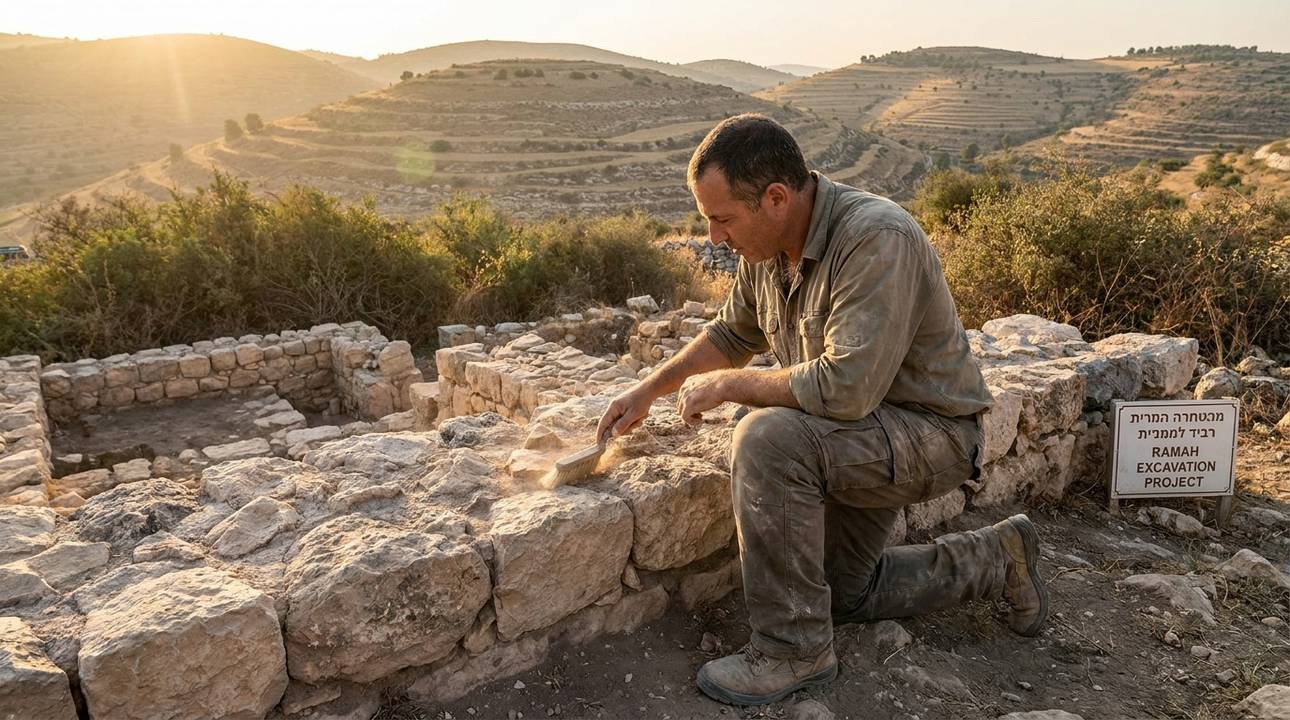
Ramah in the Book of Samuel
Ramah is famously associated with Samuel. It was here that he lived and judged Israel, and where he established a school of prophets. During Samuel’s time, Ramah was a cultural center, playing a crucial role in guiding the nation. This is evident in stories where Saul’s messengers are overcome by the spirit at Ramah, highlighting its significance.
Ramah’s role as a cultural center is underscored by its association with the school of prophets, which was key to Israel’s development. Samuel’s leadership and the nurturing of future prophets in Ramah emphasize its importance as a place of inspiration. This legacy is remembered by those studying the narratives and understanding Israel’s heritage.
This underscores its significance as a place of leadership and development. The presence of the school of prophets in Ramah underlines its role as an educational hub.
The town’s association with Samuel’s leadership and the nurturing of future prophets cements its place in the narrative as a center of inspiration and authority.
Ramah’s role as a center of education is further highlighted by its association with Samuel, who was pivotal in guiding Israel. His leadership and the establishment of the school of prophets in Ramah highlight its importance as a place of learning and growth. This legacy is remembered by those studying Israel’s heritage.
Ramah: A Site of Mourning
Ramah is linked to a poignant moment of mourning. Rachel is described as weeping for her children, a metaphor for Israel’s exile. This captures the deep emotional ties to Ramah, reflecting themes of loss and hope.
The imagery resonates in literature, emphasizing the town’s cultural weight as a symbol of mourning and eventual redemption.
In the context of exile, Rachel’s weeping in Ramah is a powerful image referenced in Jewish traditions and teachings. It serves as a reminder of the sorrow experienced during displacement and the enduring hope for return.
Ramah’s significance in the Jewish narrative offers a message of hope.
Archaeological Insights
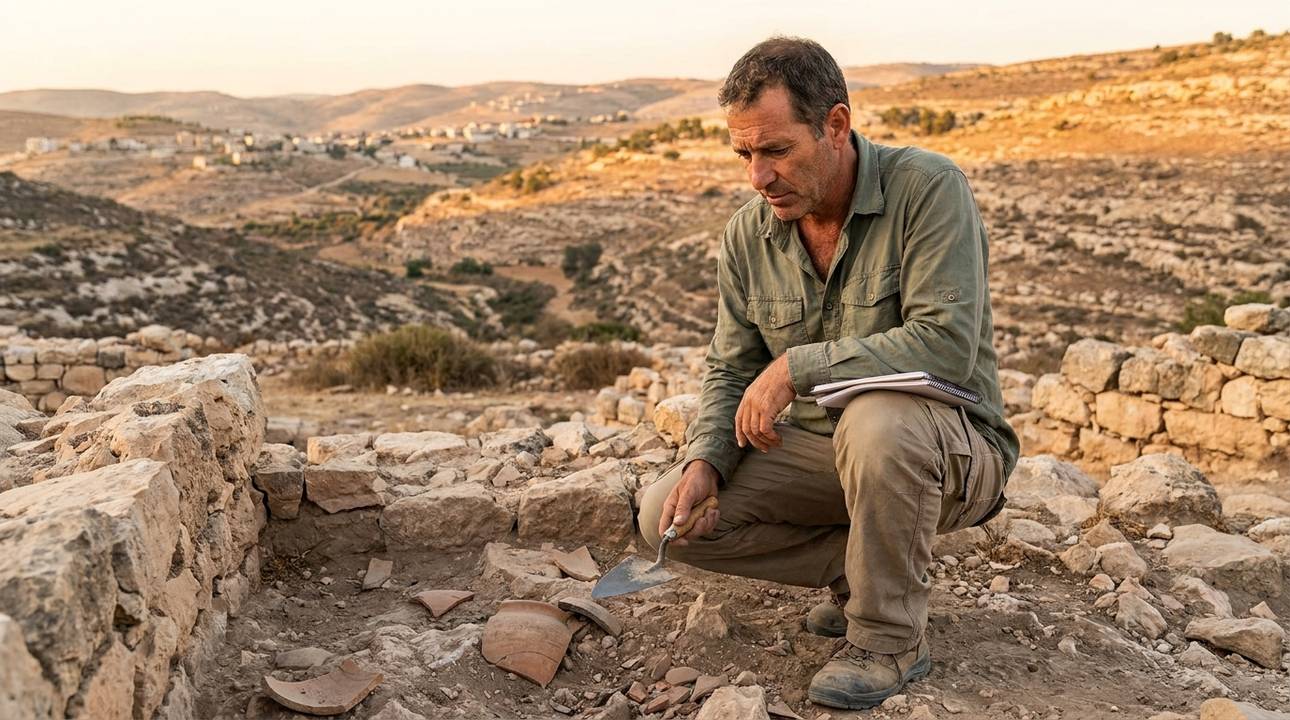
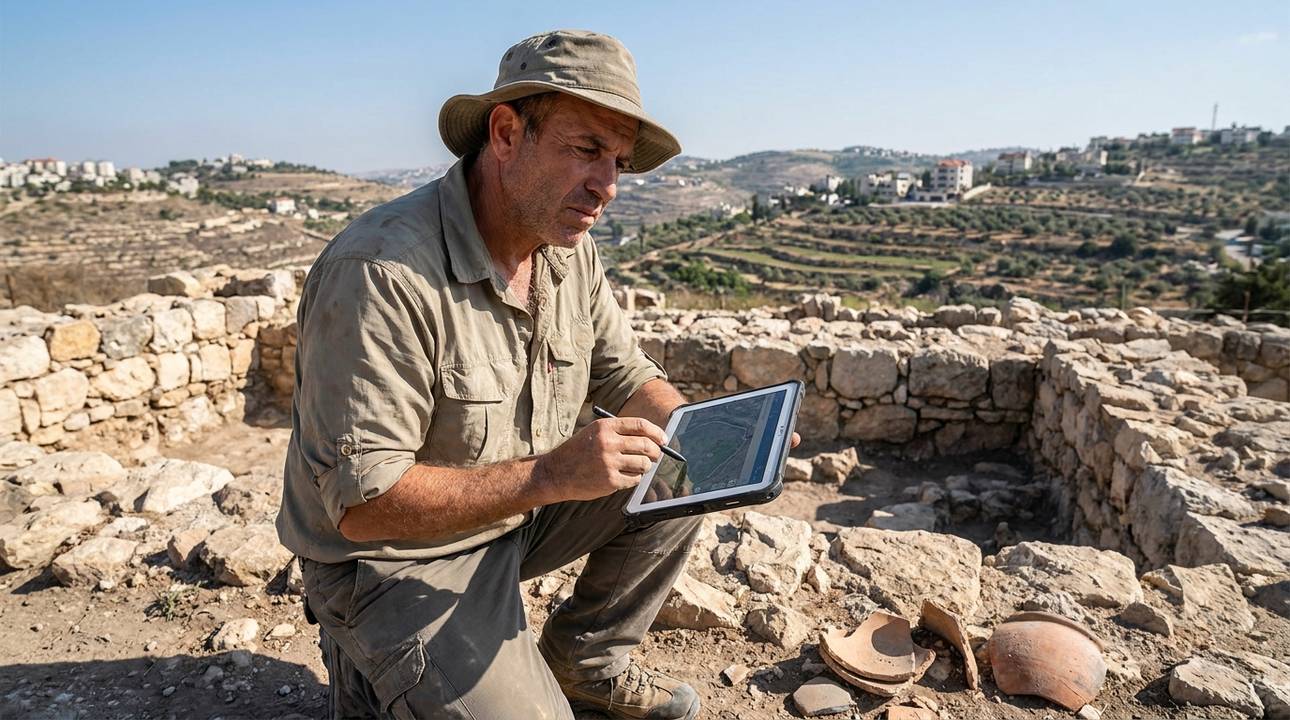
Archaeologists have long been interested in Ramah’s role and location, seeking to uncover its history. Findings include remains and artifacts that provide insights into the life and customs of the time, such as pottery and tools. These discoveries help piece together historical narratives and affirm Ramah’s importance in historical contexts, offering a glimpse into the daily lives of its inhabitants.
Archaeological work continues in the area, adding layers to our understanding of Ramah’s role in history. Excavations have revealed structures that suggest a significant settlement, possibly linked to historical narratives.
These findings contribute to a deeper appreciation of Ramah’s place in the cultural and historical landscape of Israel, enhancing our knowledge of its past.
Ramah in Historical Prophecy
Prophecy in Ramah extends beyond Samuel’s era, influencing later texts and offering a vision of hope for the future. The town is mentioned in visions of return and restoration for Israel, where the promise of future hope is given.
This passage speaks of Rachel weeping for her children, symbolizing the sorrow of exile and the hope for redemption, reflecting enduring themes of renewal and promise.
Its role in prophecy highlights enduring themes of renewal and divine promise, emphasizing the belief in restoration and redemption. Ramah’s mention in prophetic texts underscores its spiritual significance, offering a vision of hope amidst despair.
This duality is reflected in its recurring presence in prophetic literature, making it a powerful symbol of faith and perseverance for those who study its legacy.
from the Western Wall to Masada.
The symbolic weight of Ramah in historical prophecy underscores its significance. In the context of exile and return, Ramah becomes a place where the past and future intersect, offering a vision of hope amidst despair.
This duality is reflected in its recurring presence in prophetic literature, where it is mentioned among towns affected by invasions, highlighting its historical importance.
Ramah’s role as a symbol of hope and renewal is further emphasized in historical texts, highlighting its strategic and historical importance.
Such references help us appreciate the multifaceted role Ramah played in the world, both as a physical location and a symbol of heritage.
Cultural Role of Ramah
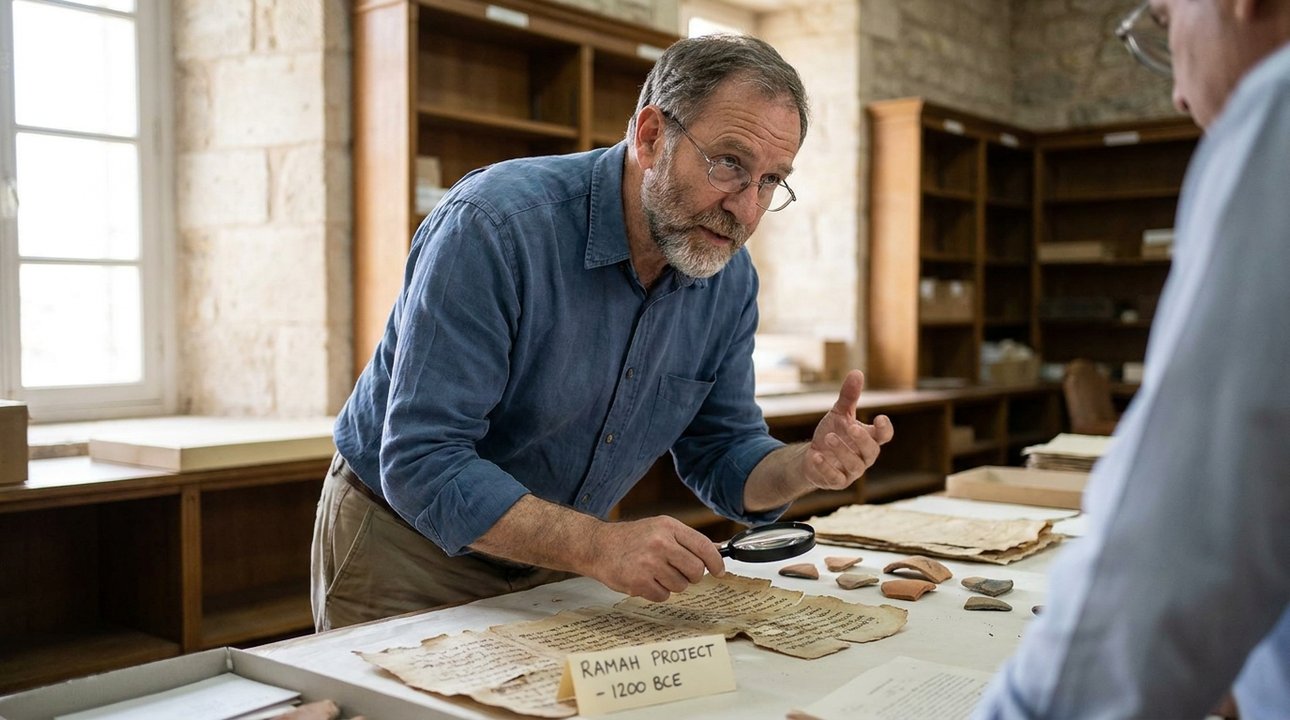
Ramah’s cultural impact extends beyond historical texts. Its legacy is woven into Jewish history as a place of memory and significance.
The site is often linked with Samuel, who was a key figure in shaping Israel’s early monarchy. Narratives within and outside the texts keep the spirit of Ramah alive, from historical accounts to modern commemorations of its past.
Ramah’s mention in prophetic texts and historical narratives highlights its enduring influence on cultural identity. The town’s name continues to evoke themes of continuity in Jewish tradition, serving as a cultural touchstone for generations. Reflecting on the past enriches our understanding of historical contexts and its people, showing the history of Ramah.
It stands as a sign of the enduring influence of historical sites on cultural identity. Ramah’s mention in prophetic texts, where it is listed among towns affected by invasions, reinforces its historical importance. The town’s name continues to evoke themes of continuity in Jewish tradition, serving as a cultural touchstone for generations and a reminder of the legacy of narratives.
Ramah’s cultural impact extends beyond historical texts, weaving its legacy into Jewish history as a place of memory and significance. The site is often linked with Samuel, who was a key figure in shaping Israel’s early monarchy.
Narratives within and outside the texts keep the spirit of Ramah alive, from historical accounts to modern commemorations of its past, highlighting its enduring influence.
What Ramah Represents Today
Today, Ramah is recognized for its historical connotations, often mentioned in the context of significant events in historical texts. While physical remnants may be sparse, its legacy is still remembered by those who study its past. The narratives associated with Ramah are preserved in teachings and historical studies, ensuring that its story remains alive in shared history.
Ramah’s influence extends beyond its physical presence, as it is referenced in prophetic texts, where it is listed among the towns affected by invasions. This highlights its importance in the broader narrative of Israel’s history.
The historical narratives associated with Ramah serve as a reminder of the enduring impact of sites on cultural identity, offering a vision of hope and continuity.
Reflecting on the past enriches our understanding of historical contexts and its people. Ramah’s mention in texts reflects its strategic and historical importance. Such references help us appreciate the multifaceted role Ramah played in the world, both as a physical location and a symbol of heritage, showing the cultural identity of Israel.
Ramah’s history is further highlighted in historical texts, where it is listed among towns affected by invasions. This reference underscores its importance in the broader narrative of Israel’s history and its role as a symbol of continuity. The town’s name continues to evoke themes of continuity and cultural identity, serving as a touchstone for generations.
Ramah in Historical Context
