
Uncovering the history of the Ulai Canal


The Ulai Canal is a key geographical feature mentioned in ancient literature. It played a crucial role in ancient Mesopotamia, serving as a significant location in various narratives.
Also known as the Eulaeus, this waterway was located near the ancient city of Susa, a major city in the Elamite and Persian empires. Its strategic position made it a focal point for trade and military activities during the reigns of Persian kings.
This article delves into the wide-ranging historical contexts of the Ulai Canal, exploring its impact and relevance across different eras and cultures. Its strategic location made it a focal point for trade and military campaigns, influencing the rise and fall of empires.
In ancient texts, this waterway is often associated with the prosperity of the region, serving as a lifeline for agriculture and commerce. Its mention highlights its importance not only as a physical landmark but also as a symbol of historical transitions.
from the Western Wall to Masada.
What Is the Ulai Canal?
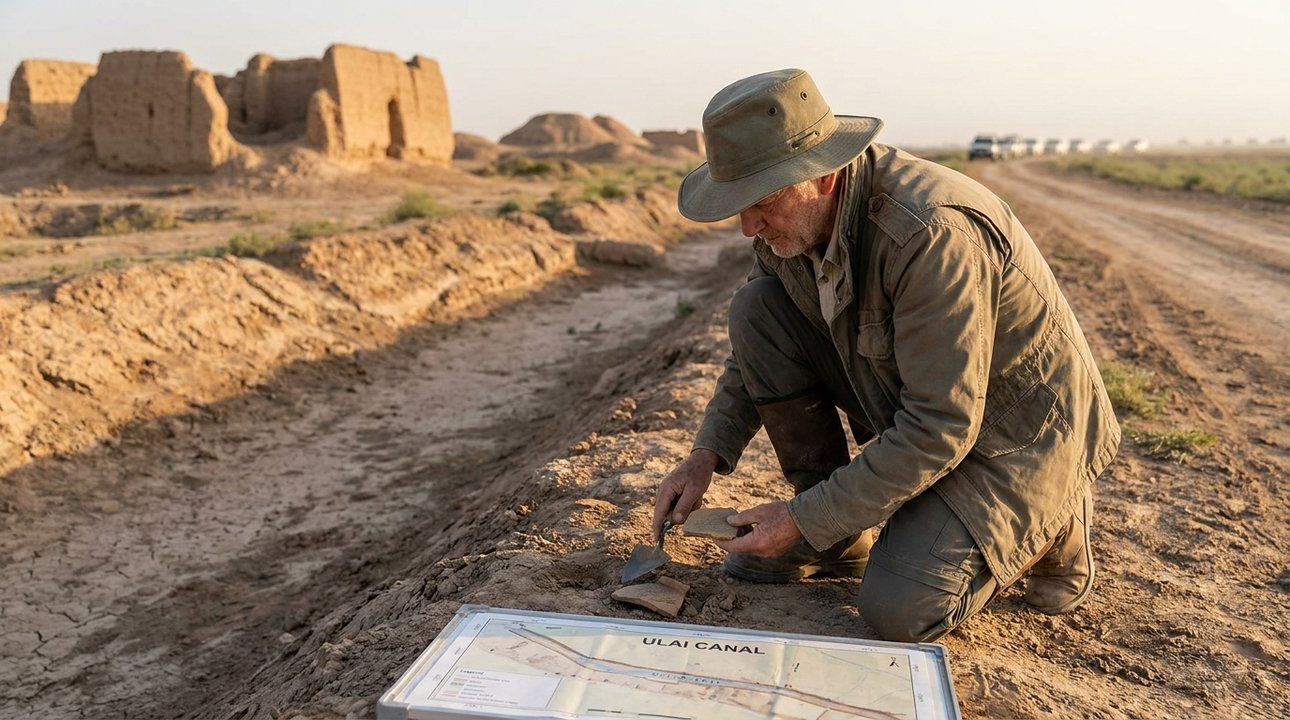
The Ulai Canal is located in what is present-day Iran. Historically part of the Elamite region, this canal was central to several historical events.
Situated near the ancient city of Susa, it bordered the royal citadel. Its position made it a strategic site for trade and military activities during the reigns of Persian kings.
References to this canal highlight its significance in historical contexts, drawing attention to the interplay between geography and historical events. As a vital waterway, it enabled transportation and trade, shaping the history of its surroundings.
The Ulai Canal in Historical Texts
In historical texts, the Ulai Canal is associated with significant events in the ancient world.
This canal served as a backdrop for various historical narratives, symbolizing the shifting powers in the ancient world. Such references underscore the importance of real-world geography in historical interpretations. The canal becomes a conduit for understanding the past-the physical setting enhancing the message conveyed.
Moreover, these texts provide an intriguing glimpse into how waterways like the Ulai were perceived, blending physical reality with historical context.
Historical Role and Importance
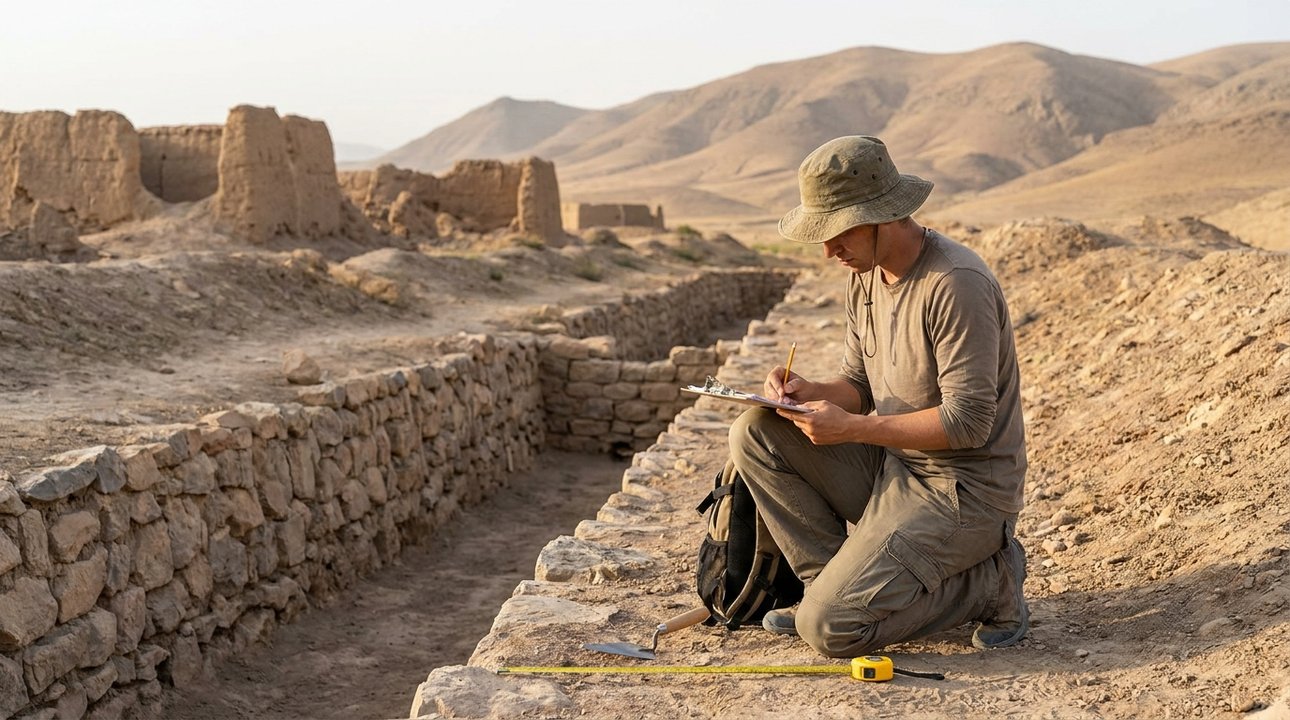
Beyond ancient narratives, the Ulai Canal played a significant role in ancient Elam and Persia. Its waters supported agriculture, trade, and facilitated military campaigns-contributing to the region’s prosperity. It was crucial for irrigation, enabling the growth of crops that sustained large populations.
As a crucial artery, this waterway linked various cities, including Susa-a prominent capital of the Elamite empire known for its cultural and political influence. Susa was a center of power from around 4000 BCE, and the canal helped maintain its status by ensuring a steady supply of resources.
The canal’s strategic importance is underscored by its role in facilitating the movement of goods and troops, making it a vital component of the region’s infrastructure. Historical records from the Persian Empire highlight its use in military campaigns, illustrating its value in both peace and war.
By supporting agriculture and trade, this canal contributed to the economic stability and growth of the region. Its presence in ancient texts and archaeological evidence underscores its significance as a lifeline for the communities it served, shaping the course of history in Mesopotamia.
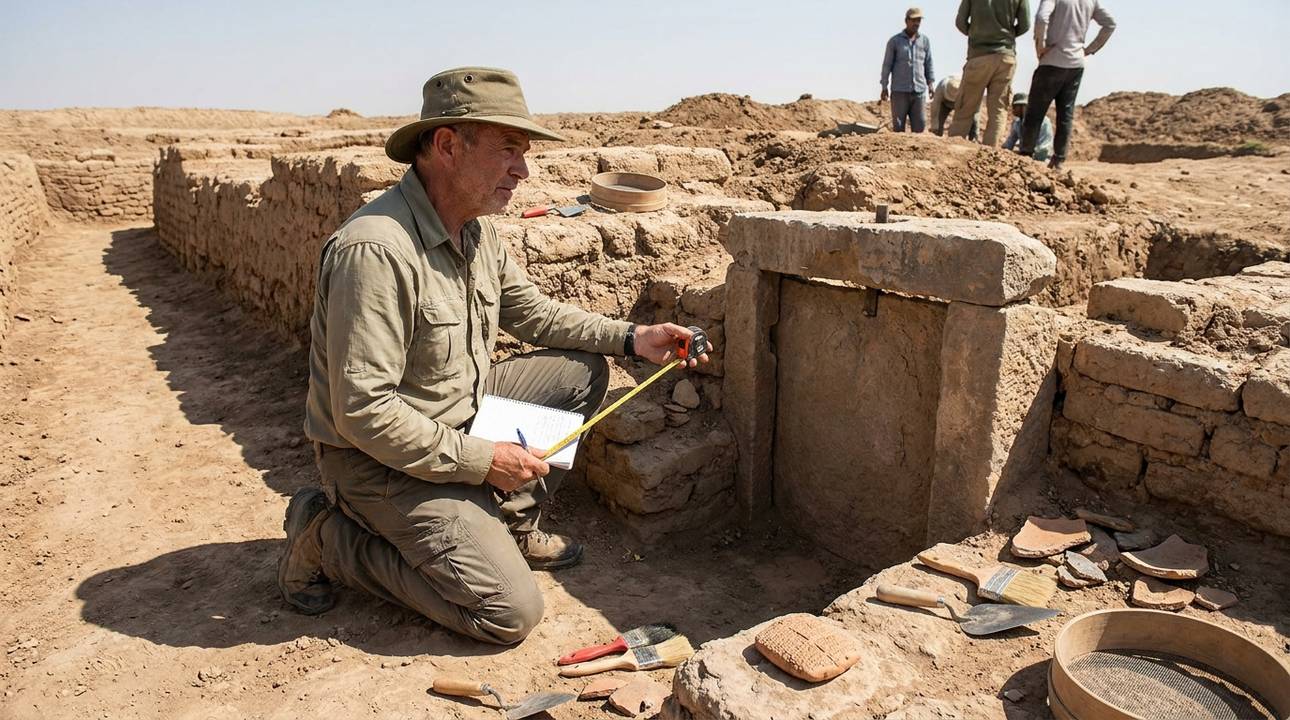
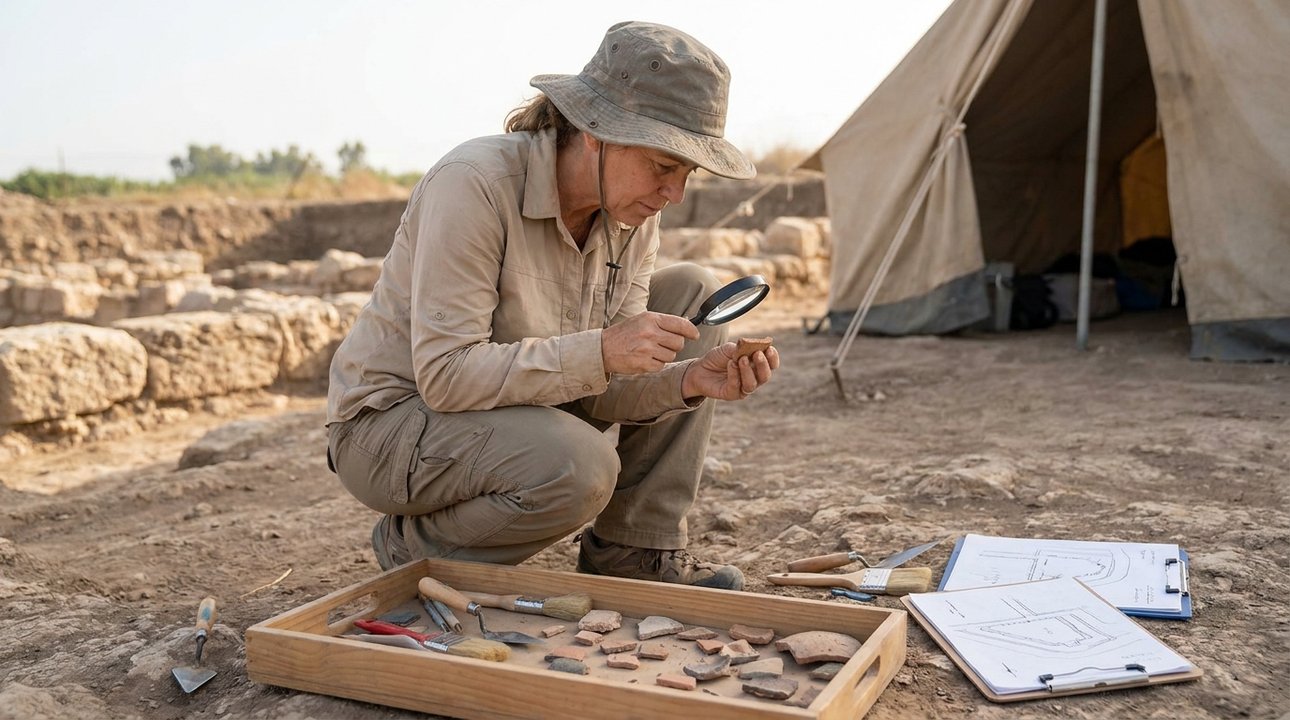
The Ulai Canal’s history is reinforced by archaeological evidence demonstrating its use as a vital infrastructure component. Excavations have uncovered remnants of the canal’s banks and ancient tools used in its maintenance, indicating its importance in daily life. Artifacts such as pottery shards and irrigation tools found along its banks provide tangible links to the past, illustrating how the canal supported agriculture and trade. These discoveries help historians reconstruct the daily lives of those who depended on it for sustenance and economic activity.
Understanding the canal’s role in history helps elucidate its presence, showing the life and times of ancient Mesopotamia. This understanding also sheds light on the strategic decisions made by leaders who relied on the canal for military and economic purposes. The canal’s strategic importance is highlighted by its role in facilitating the movement of troops and goods, making it a critical asset for rulers seeking to expand their influence. Its presence in the region underscores the interconnectedness of geography, politics, and culture in shaping historical narratives.
Archaeological Discoveries
Recent archaeological excavations near Susa have provided valuable insights into the Ulai Canal’s construction and usage. Discoveries include remnants of ancient irrigation systems and artifacts from neighboring settlements. These findings reveal the advanced engineering techniques employed by the Elamites.
Such evidence helps historians piece together the canal’s role in supporting ancient populations and its interactions with urban centers. The construction methods were advanced for the time, indicating well-planned engineering that accommodated the region’s climatic conditions.
The canal’s engineering marvels are evident in the sophisticated irrigation systems that supported agriculture in the arid climate of the region. These systems allowed for the efficient distribution of water, ensuring the fertility of the land and the prosperity of the communities that relied on it. By analyzing these archaeological discoveries, we gain a deeper understanding of the technological advancements and societal structures that enabled the Elamites to thrive. The Ulai Canal stands as a sign of the ingenuity and adaptability of ancient societies, reflecting their ability to adapt to their environment.
Through these discoveries, scholars gain a better understanding of how the Ulai Canal sustained life and facilitated trade in Elam and Persia. Its construction likely involved coordinated efforts across various communities, reflecting a high degree of organization.
The artifacts found, such as tools and pottery, provide a glimpse into the daily lives of those who lived along the canal. This archaeological evidence helps reconstruct the social and economic dynamics of the region, illustrating the canal’s integral role in the development of ancient societies.
The canal’s construction techniques reveal a sophisticated understanding of engineering and hydrology, enabling it to support large-scale agriculture and trade. This level of organization suggests that the canal was a central feature of the region’s infrastructure, facilitating communication and commerce across vast distances. By considering these artifacts and construction methods, historians can better understand the technological advancements and societal structures that allowed ancient communities to thrive. The Ulai Canal stands as a sign of human ingenuity and the enduring impact of infrastructure on civilization.
from the Western Wall to Masada.
Ulai Canal in Ancient Culture
The Ulai Canal not only served practical purposes but also held cultural role. As a landmark, it influenced local traditions and was featured in art and folklore, embodying the life force of the region. Historical texts suggest that it was a site for communal gatherings and possibly religious ceremonies. Cultural artifacts from near the canal hint at festivals and rituals that may have been performed to honor or utilize its waters. These artifacts, such as pottery and inscriptions, provide glimpses into the social life and spiritual practices of the communities it connected.
The canal’s influence on local traditions is evident in the stories and legends that have been passed down through generations. These narratives often highlight its role as a source of sustenance and inspiration, reflecting its central place in the community’s identity.
By analyzing these cultural artifacts and historical records, we can better understand how the Ulai Canal shaped the social and spiritual landscape of the region. Its enduring presence in folklore and art underscores its significance as more than just a physical feature, but as a symbol of life and continuity.
Through storytelling and narrative, the canal’s presence is felt in the spiritual and social fabric of the communities it connected. The interplay between its utilitarian role and cultural role exemplifies how geographic features shaped early civilizations. The Ulai Canal’s influence extended into the arts, with its image appearing in local crafts and stories that have been passed down through generations. Artifacts such as pottery and carvings found near the canal often depict scenes of daily life, trade, and religious practices, illustrating its integral role in the community.
This cultural legacy highlights the canal’s role as more than just a waterway, but as a vital part of the community’s identity. Historical records from the region, such as those from the Persian Empire, indicate that the canal was a site for festivals and gatherings, possibly linked to agricultural cycles and cultural observances. The canal’s presence in these narratives underscores its significance as a connector of people and ideas, fostering a shared cultural heritage that persisted even as political powers shifted. Its legacy is a sign of the adaptability of the communities it served.

Why Study the Ulai Canal Today?
Studying the Ulai Canal offers insights into the interconnectedness of geography and culture in historical contexts. It illustrates how essential water routes impacted travel, trade, and life. For example, this canal facilitated trade between Elam and the broader Mesopotamian region, enhancing economic ties.
Exploring its contributions deepens our understanding of ancient empires like the Elamites, who thrived around 2700 BCE. The Ulai Canal’s historical footprint provides a foundation for exploring themes of adaptation in challenging environments.
The canal’s role in connecting diverse regions highlights its importance as a conduit for cultural exchange and innovation. Historical records suggest that it enabled the movement of goods, people, and ideas, fostering a exchange that enriched the societies it touched. This interconnectedness is reflected in the archaeological finds from the area, which include diverse artifacts that speak to the cultural and economic interactions facilitated by the canal. The Ulai Canal’s legacy is one of connectivity and cooperation, illustrating the power of geography to shape human history.
As students of history, recognizing these links helps us appreciate the blend of human effort present in our shared past. The Ulai Canal is a sign of the profound influence of geography on historical narratives. This understanding enriches our perception of how ancient societies viewed their world, integrating natural features into their cultural frameworks. The canal’s presence in texts underscores its significance beyond mere utility, reflecting a deep cultural resonance.
The canal’s role illustrates how geography and historical events intersected in the ancient world. Examining these connections allows us to gain a deeper understanding of how geography influenced narratives, shaping the way communities interpreted their environment and history. The Ulai Canal serves as a reminder of the intricate relationship between land and belief.
Understanding the Ulai Canal
