
Discovering the history of Derbe
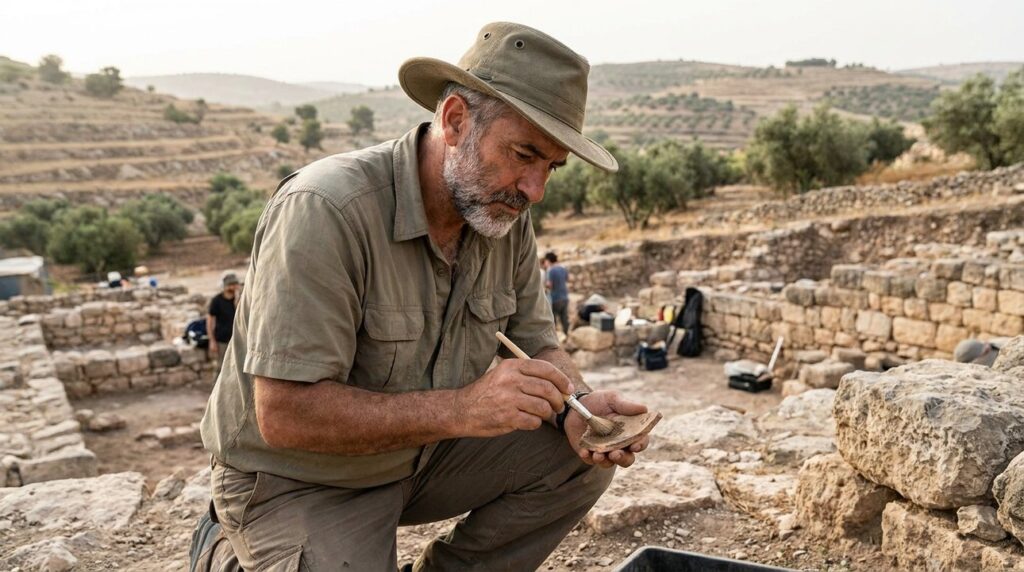

Derbe, an ancient city mentioned in historical texts, holds a unique place in early Christian history. Known for being a stop on the journeys of Paul and Barnabas, it was a significant point of interaction in spreading the Christian message. Paul and Barnabas made many disciples there.
In this article, we explore the historical context of Derbe, uncovering its role and importance as a crossroads of ancient culture and faith.
Located in the region of Lycaonia, part of Asia Minor, now modern-day Turkey, Derbe was a mix of cultures, including Roman, Greek, and local Anatolian influences. This cultural blend made it an ideal location for the spread of new ideas. Its strategic position along ancient trade routes further facilitated its role as a hub of cultural and religious exchange.
from the Western Wall to Masada.
What Was Derbe in Historical Times?
Derbe, an ancient city in what is now modern-day Turkey, is frequently mentioned in historical accounts as one of the locations visited by Paul on his missionary journeys. This illustrates how Derbe played a crucial role in the establishment and spread of early Christianity in that region.
As a city on the edge of the Roman Empire, Derbe was a key point of cultural exchange and trade. Its strategic location made it a meeting place for different peoples and ideas, fostering an environment where new teachings could be shared. For instance, the teachings of Paul and Barnabas found fertile ground here. This aspect of Derbe as a hub for interaction contributed significantly to its historical and cultural relevance, where many disciples were made.
Part of the Roman province of Galatia, the city was known for its diverse population, including Greeks, Romans, and native Anatolians. This diversity made it an ideal place for the spread of new ideas and philosophies, including early Christian teachings. Derbe’s role as a cultural crossroads was not only significant for religious movements but also for the exchange of goods and knowledge, enhancing its importance in the region.
The Role of Derbe in Paul’s Journeys
Derbe is notably linked to the missionary works of Paul. According to historical accounts, Paul visited Derbe during his missionary endeavors, along with Barnabas and later Silas. Its mention in historical texts reinforces its role as a strategic point during these travels. The city’s position in the landscape allowed it to be a place where early Christians could safely gather and teachings could spread. Records show that Derbe was the last city in the province before risking potential persecution, marking it as both a safe haven and a point of departure for those spreading Christian doctrine.
In their journey, Paul and Barnabas found success in converting many in Derbe to Christianity, highlighting the city’s openness to new religious ideas and involvement in the early spread of the Christian gospel. This success in converting inhabitants played a crucial part in expanding the reach of Christianity into broader regions.
Derbe’s strategic location along trade routes made it an ideal place for the dissemination of new ideas, including religious teachings. The openness of its people to these new ideas facilitated the spread of Christianity. The work of Paul and Barnabas in Derbe is a sign of its significance in the early Christian narrative and its role as a center for religious and cultural exchange.
Derbe’s Cultural and Historical Context
Derbe’s location in Galatia, a region of Asia Minor, positioned it as a significant city both culturally and geographically. The area was known for its unique interplay of Roman, Greek, and native Anatolian cultures. This cultural diversity characterized much of the region’s historical period, making it a center for trade and exchange. Eventually absorbed into the Roman Empire, the city underwent changes, including architectural advancements and a stronger political presence.
The Roman influence in Derbe is evident from archaeological finds, such as coins and inscriptions from the reign of Emperor Augustus. These artifacts indicate its integration into the Roman political and economic systems. The Roman roads that passed through Derbe facilitated trade and movement, further enhancing its role as a cultural and commercial hub in the region.
These cultural intersections made Derbe a mix of traditions and innovations, contributing to its reputation as a place where different ideas could flourish. Located in the region of Lycaonia, Derbe was a crossroads of ancient trade routes, enhancing its role as a hub of diverse cultural exchange. This diverse environment was a supportive backdrop for the new teachings of Christianity to take root.
As a cultural and commercial hub, Derbe was an ideal location for the spread of new religious ideas. The success of Paul and Barnabas highlights the city’s openness to new teachings and its role in the early Christian movement. Derbe’s strategic location and cultural diversity made it a key player in the exchange of ideas and the spread of Christianity in the region.
Archaeological Insights into Derbe
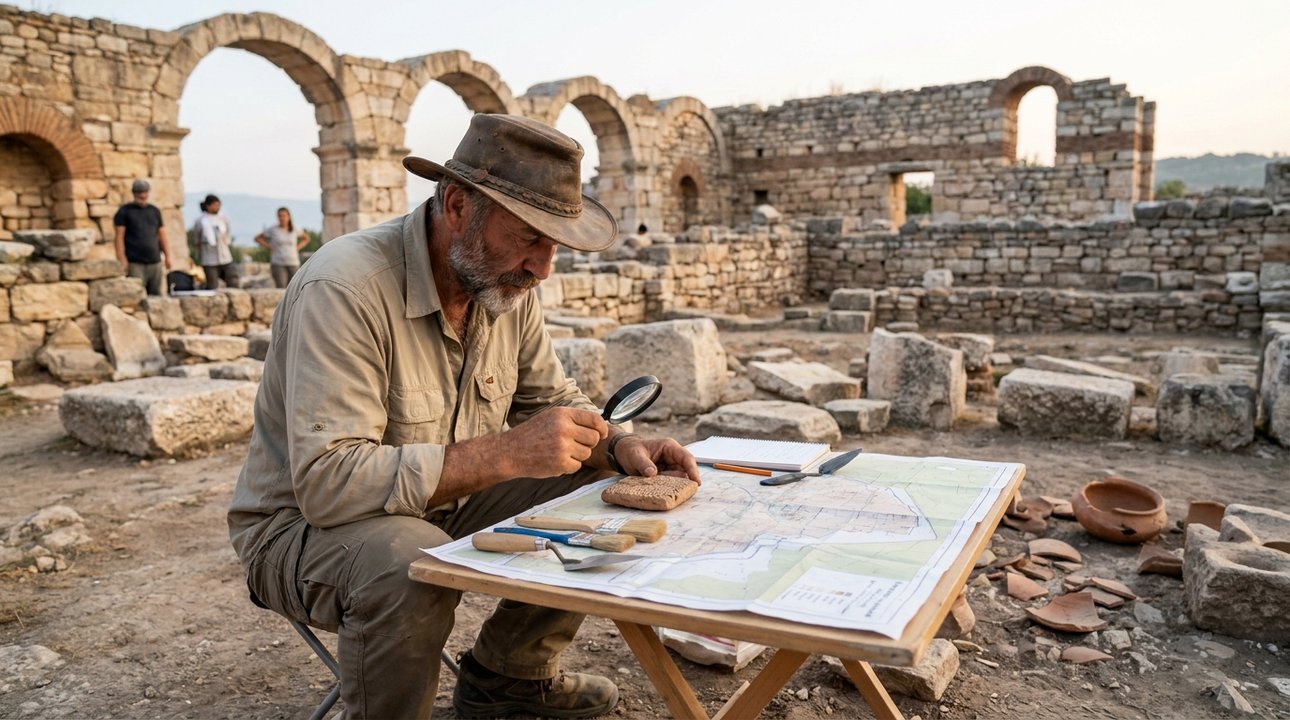
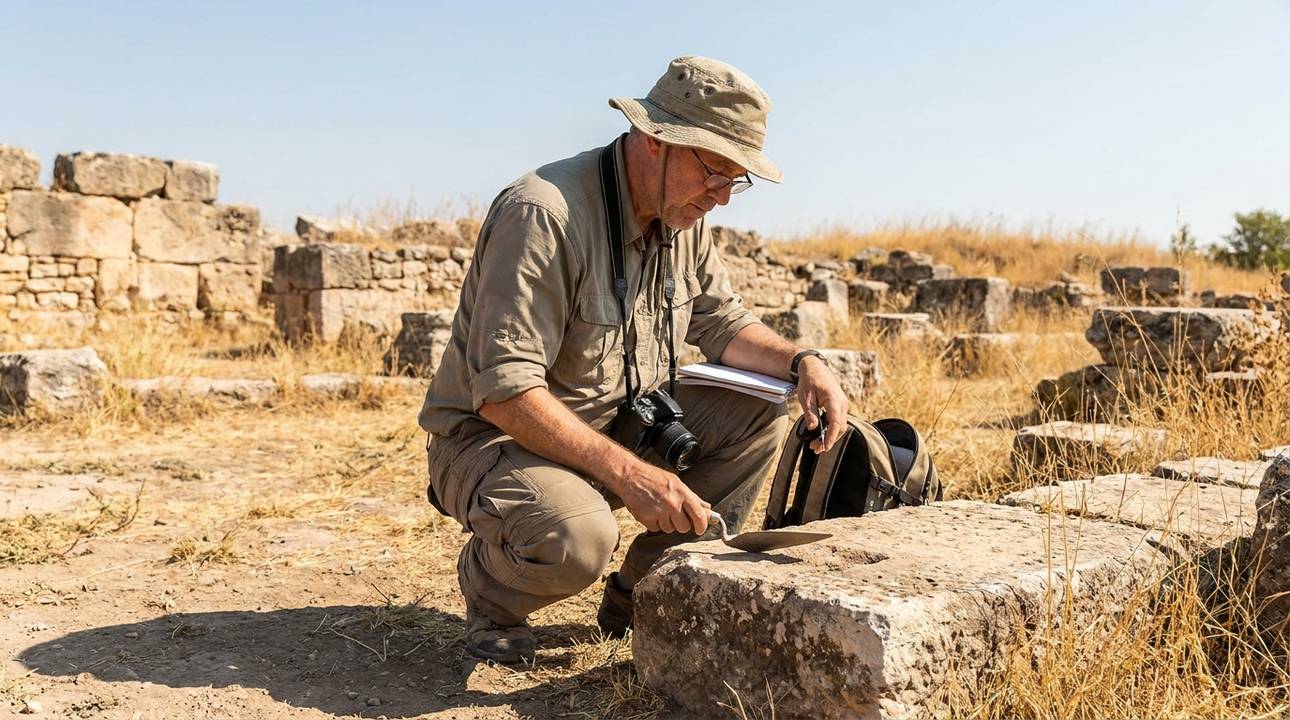
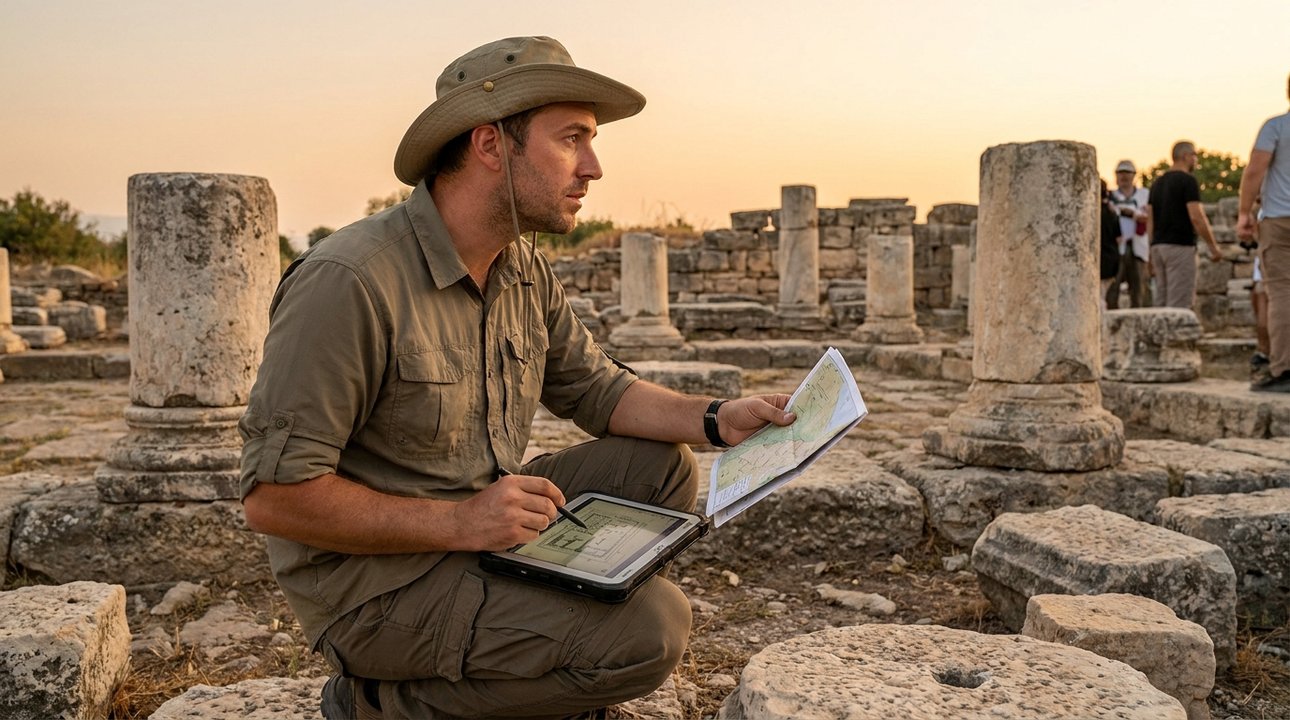
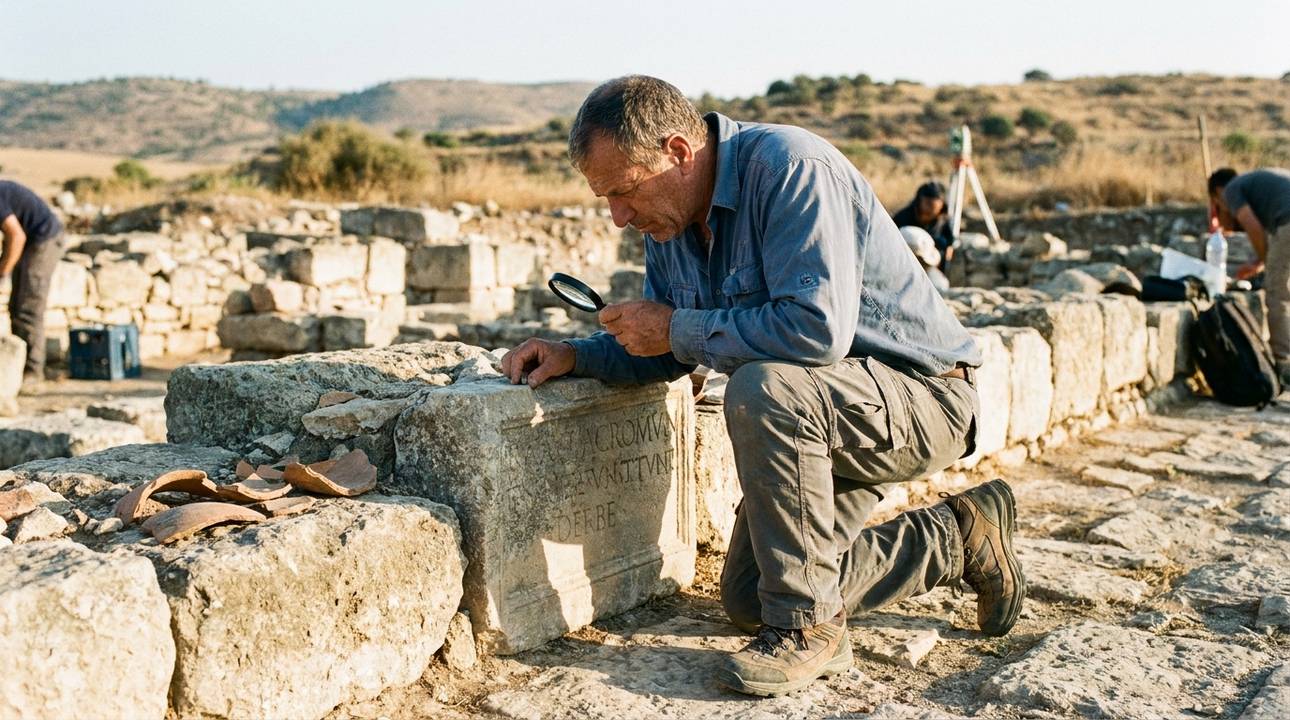
The archaeology of Derbe provides valuable insights into its past. Excavations have revealed artifacts from different periods, illustrating its diverse cultural heritage. Pottery, inscriptions, and remnants of ancient structures offer glimpses into the life and times of a city that bridged various civilizations. Notably, coins from the reign of Emperor Augustus have been found, indicating Derbe’s integration into the Roman Empire.
These archaeological finds reveal the layers of history that Derbe has witnessed, from its early days as a local settlement to its role as a Roman city. The artifacts uncovered tell stories of trade, cultural exchange, and the everyday lives of its inhabitants. The presence of Roman coins and inscriptions highlights its importance within the empire and its connection to broader historical events.
from the Western Wall to Masada.
These finds not only attest to Derbe’s bustling activity but also to its role as a significant link in the chain of ancient trade and communication. Part of the Roman province of Galatia, it was strategically positioned along the trade routes that connected the East and West. Efforts are ongoing to uncover more of Derbe’s historical layers, promising a deeper understanding of its place in history.
Situated along these trade routes, Derbe was a vital point for merchants and travelers, facilitating the exchange of goods and ideas. This strategic position contributed to its economic prosperity and cultural richness. As archaeologists continue their work, each discovery adds a new piece to the puzzle of Derbe’s history, revealing its role in the broader narrative of history.
Derbe in the Present Day
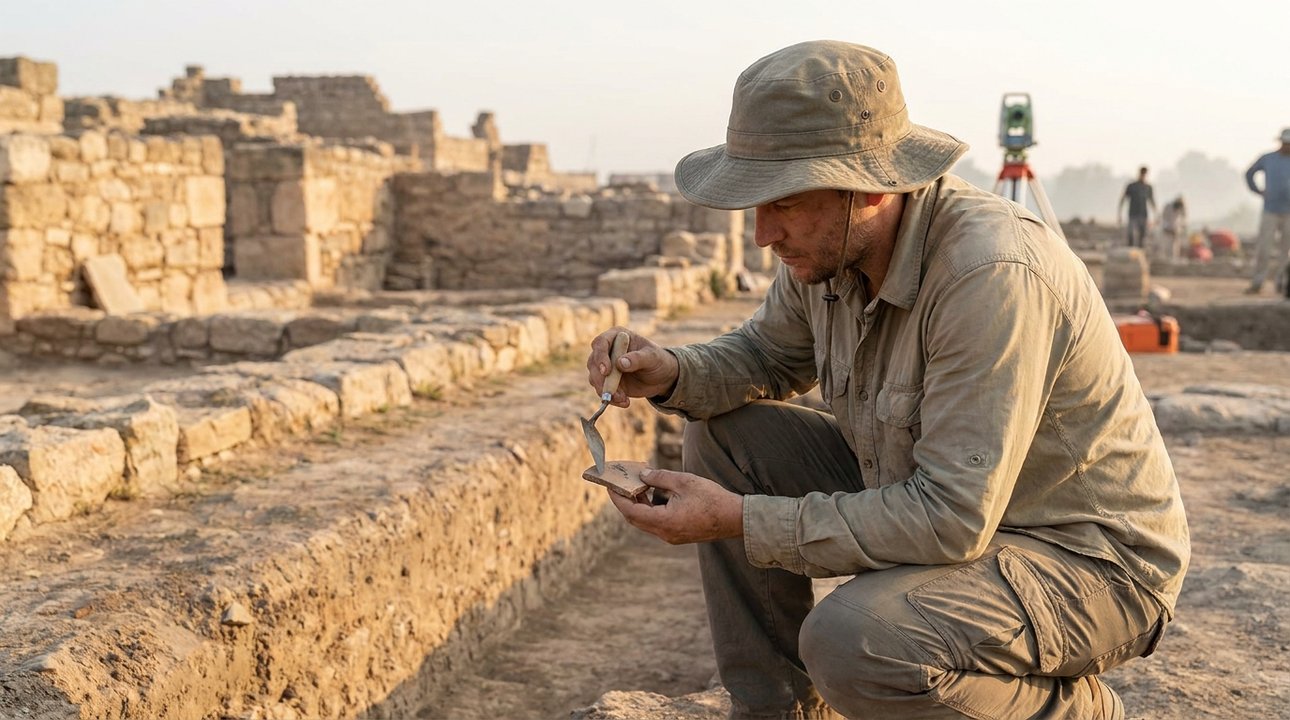
Today, the site of ancient Derbe is located near the modern village of Ekinozu in Turkey. Although much of it is yet to be fully excavated, the area remains an important marker of the historical world. Derbe’s history continues as scholars and archaeologists seek to learn more about its past and its influence on early Christianity. The site offers a unique opportunity to explore the intersection of history, culture, and faith.
The ongoing archaeological efforts aim to uncover more about Derbe’s role in the spread of early Christianity. The discoveries made here contribute to a deeper understanding of the historical context of the region. As researchers continue their work, each new find adds to the mix of Derbe’s history, showing its cultural and religious significance.
While tourism is limited, the site’s preservation remains a focus for historical and cultural research. Derbe holds a significant place in history. The legacy of Derbe as a vital location endures, remembered for its remarkable contributions to the spread of early Christianity. It was here that Paul and Barnabas preached successfully, marking it as a key location in their missionary journeys.
Efforts to preserve and study Derbe continue, with archaeologists and historians working to uncover more about its past. The site’s significance in the early Christian movement makes it an important focus for research. As more discoveries are made, they add to our understanding of Derbe’s role in the spread of Christianity and its place in the broader historical context of the region.
Engagement with Derbe’s History
Lev Haolam connects people with the heritage of Israel through curated gift boxes. These boxes introduce recipients to the flavors and stories of Israel, reflecting the spirit of places like Derbe. Products crafted by local artisans offer a tangible link to the past and support present-day communities.
Through these gift boxes, you can experience the cultural heritage of Israel and its historical sites. The products included are not just items; they are stories and traditions passed down through generations. By supporting these artisans, you help to preserve the cultural legacy of Israel and ensure that the stories of places like Derbe continue to be told.
Lev Haolam aims to support small Israeli businesses while fostering appreciation of Israel’s cultural legacy. By engaging with these products, you sustain local producers and bring the stories and traditions of Israel into your home. Each subscription box may include a curated selection of artisan foods, handcrafted goods, cosmetics, or cultural items.
Each purchase supports local artisans and reflects the spirit of the region. By choosing Lev Haolam, you join a community that values tradition and history, connecting us to the past.
Historical Context
