
Exploring the Historical Context of Iturea
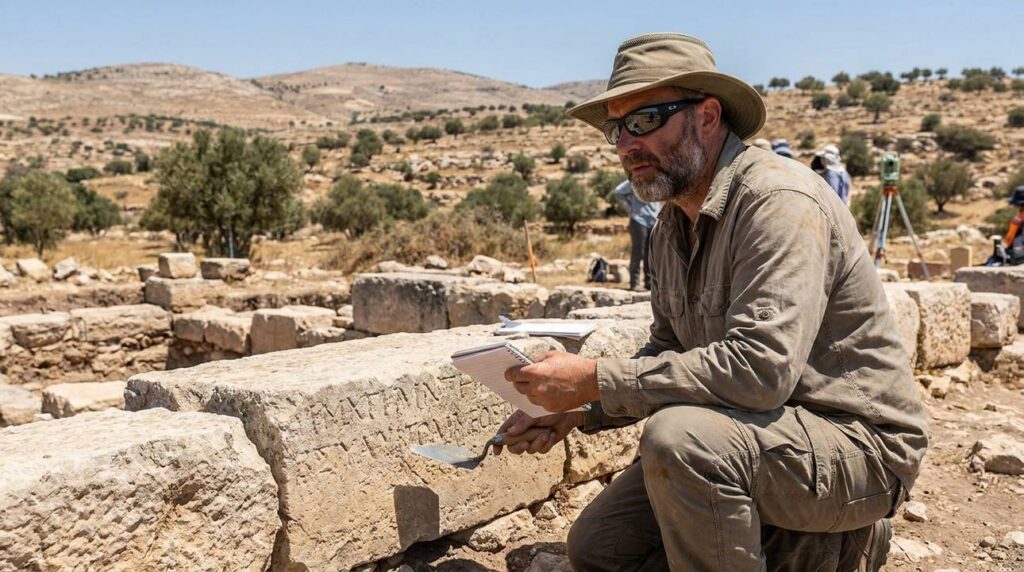

Iturea is an ancient region referenced in historical texts, noted for its historical and geographical significance.
Situated to the north of Israel, Iturea is mentioned alongside areas like Trachonitis, as found in historical records.
This article delves into the historical context and importance of Iturea, providing insights into its place within historical narratives.
The region’s strategic location made it a vital part of ancient trade routes, connecting various cultures.
Its mention in historical texts highlights its significance in the historical landscape of the time.
Understanding Iturea’s role enhances our comprehension of the broader historical narratives of the ancient Near East.
from the Western Wall to Masada.
Where Was Iturea Located?
Iturea was historically located in the northern part of present-day Israel, extending into southern Syria and Lebanon.
It bordered Galilee and included parts of Mount Hermon, a region known for its diverse cultural influences.
Over time, its borders shifted due to political changes, reflecting the dynamic nature of ancient territorial boundaries.
Understanding Iturea’s location provides insight into its strategic importance, as it served as a crossroads for various cultures and trade routes. This position allowed Iturea to influence regional politics and economics, making it a key player in the ancient world.
What Is the Origin of the Name Iturea?
The name ‘Iturea’ likely derives from a semi-nomadic tribe believed to be of Arab descent.
This tribe’s influence in the area was significant, especially between the first and second centuries BCE.
Their presence marked an era of consolidation, as they established control over key areas and engaged in trade and cultural exchanges.
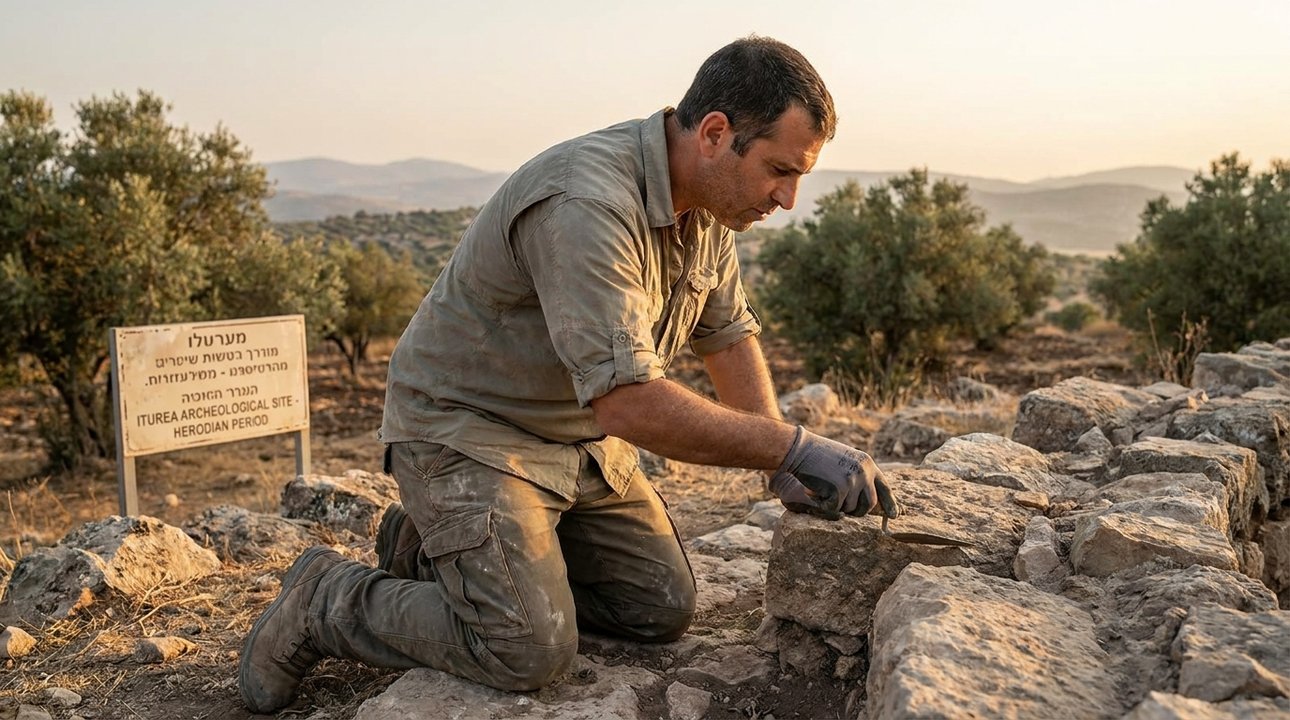
This understanding helps unravel the meaning of Iturea in the historical context, where it is often associated with the territories governed by Philip.
Their impact on the area is reflected in historical accounts, which highlight their role in shaping the socio-political landscape.
Their legacy is an integral part of the history of the ancient Near East.
How Is Iturea Described in the Bible?
Iturea appears in historical records, where it is mentioned as part of the tetrarchy of Philip, the son of Herod the Great.
This reference situates Iturea within the wider political map of the time, highlighting its role in Herodian governance.
The mention underscores the diverse cultural backdrop during the era, providing context to the political environment.
The inclusion of Iturea in historical records reflects its importance in the socio-political landscape of the period.
Iturea’s position within the tetrarchy illustrates the complexities of governance and the significance of regional control.
This context enriches our understanding of the historical setting of the narrative.
The tetrarchy system, established by Herod the Great, divided his kingdom among his sons, with Philip governing Iturea and nearby regions.
This political structure was crucial for maintaining stability and order in the area.
Iturea’s inclusion in this system underscores its importance in the broader political and cultural landscape of the time.
The tetrarchy allowed for localized governance, which was essential in managing the diverse populations within the kingdom.
Philip’s rule over Iturea highlights the region’s significance in the context of Herodian politics, where maintaining control over key areas was vital.
This system illustrates the complexities of governance during the period.
What Was the Significance of Iturea?
Iturea’s significance lies in its geographic and political position. Situated as a junction between major cultural and trade routes, it connected the Levant with the broader Mediterranean world. This strategic location made Iturea an area for cultural exchanges and trade, enriching the local culture.
Merchants and travelers passed through Iturea, bringing with them goods, ideas, and innovations. The region’s role as a hub of exchange highlights its importance in the ancient world. Iturea’s strategic position facilitated the flow of cultural and economic influences, shaping its history.
Iturea played a crucial role in shaping local alliances.
The tribe was known to form strategic partnerships with neighboring territories, essential for maintaining their autonomy.
These alliances allowed them to navigate the complex political landscape of the time, balancing power dynamics with larger empires.
The political dynamics of Iturea also played a part in the larger geopolitical landscape, impacting power struggles between major empires.
Their ability to form alliances and negotiate with powerful neighbors underscored their diplomatic acumen.
This strategic positioning highlights Iturea’s significance in ancient geopolitics.
Who Were the Ituraeans?
The tribe was skilled in hunting and warfare, noted for their archery, a highly valued skill in ancient battles.
Historical accounts, such as those by Josephus, highlight their prowess in combat and their reputation as formidable opponents.
Their expertise in archery made them sought after as mercenaries by other regions.
Understanding their martial skills provides context to their historical impact and their role in ancient military campaigns. Their reputation extended beyond their own lands, reflecting their influence in the broader geopolitical landscape. Their legacy is a sign of their importance in the history of ancient warfare.
Their martial skills were respected across different cultures, often depicted in Roman art and literature as formidable opponents.
Their reputation was not only due to their skill but also their strategic acumen in warfare, which allowed them to adapt to various combat situations.
This adaptability made them valuable assets in the military campaigns of the time.
Their expertise in archery and guerrilla tactics was particularly noted, as described by historians such as Josephus. Their ability to navigate challenging terrains and employ effective strategies contributed to their success in battle. Their martial prowess is a sign of their legacy in the annals of military history.
Archaeological Insights into Iturea
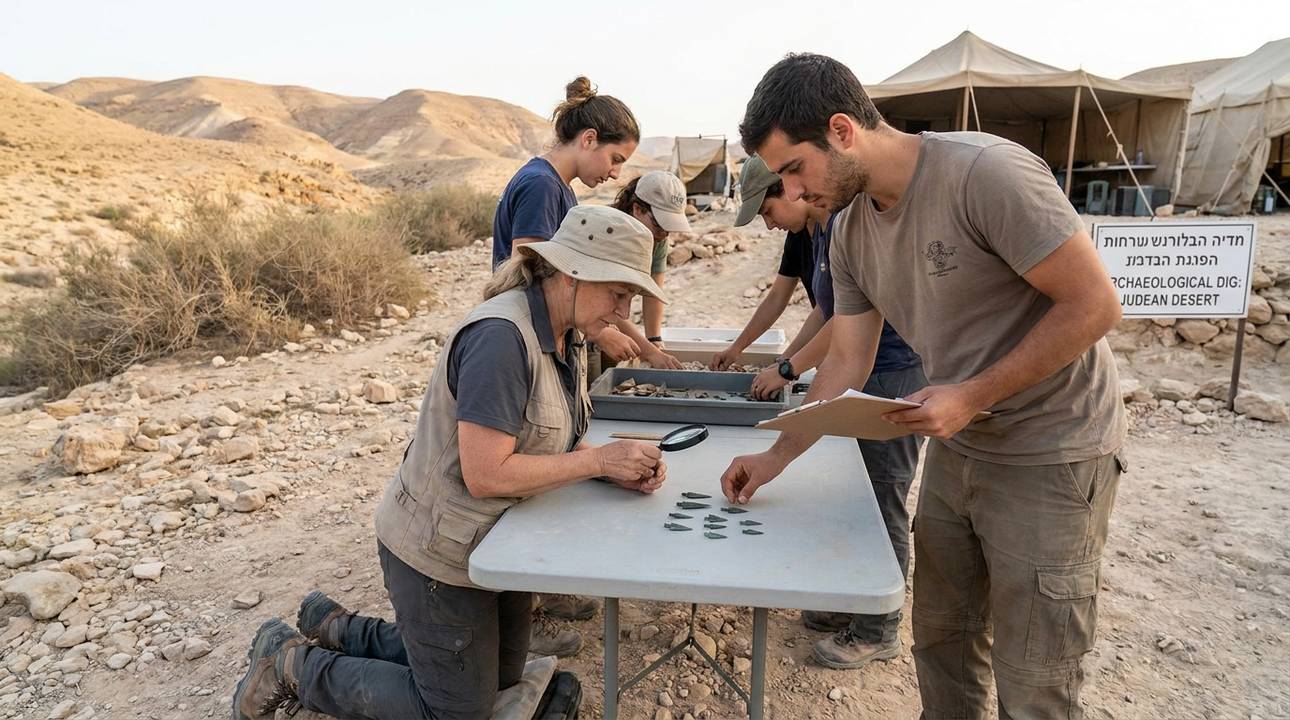
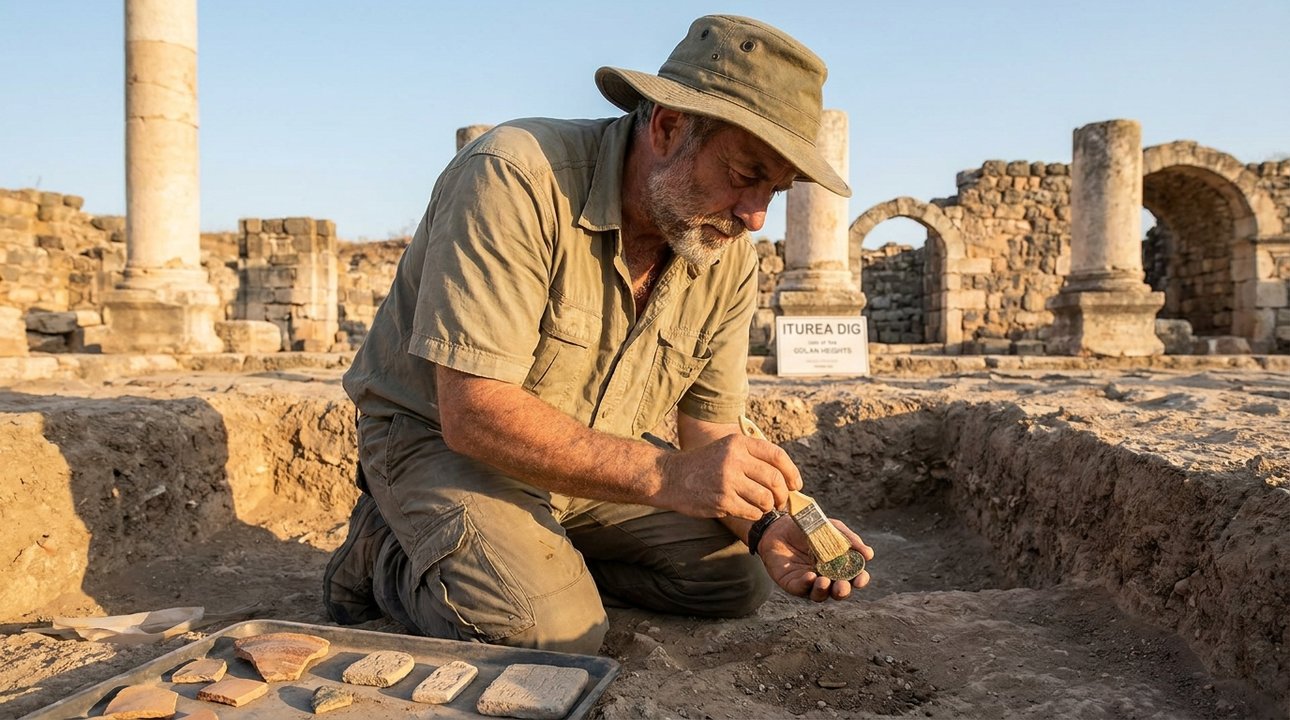
While specific archaeological sites in Iturea remain limited, some findings shed light on the Ituraean lifestyle. Excavations have uncovered artifacts that suggest a blend of local and Roman influences.
These include pottery, tools, and remnants of structures that reflect a society that was both self-sufficient and open to external influences. These discoveries help piece together everyday life in the region.
from the Western Wall to Masada.
Artifacts from Iturea offer insight into its historical landscape, revealing how the community lived, worked, and interacted with their environment.
These findings suggest a society engaged in agriculture and trade, contributing to the area’s economy.
Such discoveries are invaluable for historians seeking to understand the socio-economic dynamics of ancient Iturea.
The artifacts also indicate a society that was culturally rich, with influences from neighboring regions.
This cultural exchange is evident in the pottery, tools, and other items unearthed, reflecting a blend of traditions.
The study of these artifacts provides a deeper understanding of Iturea’s place in the ancient world.
Cultural Impact of Iturea in Historical Times
In the historical context, Iturea served as a mix of cultural influences. The region, mentioned in historical texts, was strategically located, allowing for the convergence of Greek, Roman, and local customs. This cultural blend was not just superficial but deeply embedded in the daily lives of its inhabitants. Such a fusion left a lasting imprint on the area, influencing everything from art to language and social customs.
The influence of Greek culture can be seen in the architecture and coinage found in the area, while Roman customs were evident in governance and military practices. This unique blend of cultures enriched the regional identity, making Iturea a significant cultural hub.
The lasting impact of these diverse influences is still studied by historians today, who seek to understand how such interactions shaped the broader historical landscape of the region.
Iturea in Modern Understanding
Today’s understanding of Iturea draws on a combination of historical analysis.
Modern scholars continue to explore its role in ancient geopolitics, examining how its strategic location influenced regional power dynamics.
These studies illuminate broader historical narratives of the ancient Near East, providing context to the rise and fall of empires.
The ongoing research into Iturea’s history helps clarify its historical footprint and its interactions with neighboring regions.
By examining archaeological findings and historical texts, scholars piece together a more comprehensive picture of Iturea’s past.
This research contributes to the broader study of ancient societies and their development.
Ongoing research helps clarify Iturea’s historical footprint, revealing how its interactions with neighboring regions shaped its development.
By examining archaeological findings and historical texts, scholars piece together a more comprehensive picture of Iturea’s past.
This research not only enhances our understanding of Iturea but also contributes to the broader study of ancient societies.
The study of Iturea provides insights into the complexities of ancient geopolitics and cultural exchanges.
Iturea’s strategic location and historical interactions highlight its role in shaping regional dynamics.
This research enriches our comprehension of the historical narratives of the ancient Near East.
Reflections on Iturea’s Legacy
The legacy of Iturea lies in its ability to connect various cultures and peoples. Its strategic location facilitated the exchange of ideas, goods, and traditions, contributing to a culture. They managed to maintain their identity while integrating aspects of the cultures around them, showcasing their adaptability.
Iturea’s story is one of adaptation and resilience in a dynamic period, reflecting the complexities of cultural interactions. The area’s history is a sign of the legacy of the tribe and their impact on the ancient world. Their ability to navigate cultural exchanges highlights the significance of Iturea in historical narratives.
The region’s historical complexities contribute to its lasting cultural role. Iturea remains a fascinating chapter in history, showing the interactions between different cultures. These interactions had a profound impact on the development of the region, shaping its cultural and historical legacy.
Today, historians and archaeologists continue to explore Iturea’s legacy, uncovering new aspects of its past. Their work sheds light on the region’s role in history and its influence on subsequent cultural developments. Iturea’s story is a sign of the enduring impact of cultural exchanges in shaping historical narratives.

Conclusion: the Importance of Iturea
Iturea’s significance is not limited to its mentions in ancient texts. It was important in connecting ancient societies, showing the interactions between diverse cultures. For instance, Iturea’s strategic location facilitated trade and cultural exchanges between the Levant and the Mediterranean. Studying Iturea helps us understand the regional dynamics during historical times, providing a window into the socio-political landscape of the era.
This region continues to captivate scholars and history enthusiasts, who explore its impact on ancient geopolitics. The study of Iturea sheds light on how ancient peoples navigated complex political landscapes, balancing autonomy with external influences. Iturea’s legacy is a sign of its enduring importance in the historical narrative of the Near East.
Understanding Iturea
