The history of Topheth in Historical Context


Topheth is a name tied to practices and sites in historical contexts. It is associated with the Valley of Hinnom, infamous for practices such as child sacrifice, which were condemned by the prophets. Reforms were noted for defiling Topheth to prevent such practices, highlighting its cultural role in reform narratives. These actions marked a turning point in religious practices.
The Valley of Hinnom, with its grim associations, became a symbol of retribution and moral failure. This transformation in name and meaning underscores the profound impact of the site on cultural memory, serving as a lasting reminder of the consequences of turning away from moral directives.
from the Western Wall to Masada.

What Is Topheth According to the Bible?
Topheth is mentioned as a site located in the Valley of Hinnom, south of historical Jerusalem. Historically, it is associated with certain rites and activities considered as transgressions.
The name appears in texts often linked with the infamous practice of child sacrifice. It is important to understand these references as they provide context to the social and religious fabric of ancient Judean society.
Reforms were pivotal in addressing these practices.
Actions to defile Topheth were part of broader religious reforms aimed at eradicating idolatry and restoring proper worship.
These reforms were significant in shaping the religious landscape of Judah, marking a decisive move away from practices that were seen as abhorrent in historical narratives.
The text highlights the grave societal and religious practices associated with this site. The valley itself, known as Gehinnom, became synonymous with judgment and consequence in later teachings.
This association is further explored in historical texts, where similar practices were condemned by the prophets.
The Valley of Hinnom, located southwest of Jerusalem, became a symbol of retribution. Its grim history is echoed in warnings that the valley would be called the ‘Valley of Slaughter’ due to the atrocities committed there.
This transformation of the valley’s name reflects the profound moral and ethical lessons drawn from its history, serving as a cautionary tale against idolatry and disobedience to moral laws.

The Etymology and Meaning of Topheth
The origin of the word ‘Topheth’ is often debated among scholars. Some suggest it means ‘place of burning,’ relating to its usage for fiery sacrifices. The term is tied linguistically to practices forbidden in Jewish law, serving as a warning against idolatrous actions.
This association provides insight into the cultural and religious boundaries set within historical narratives, illustrating the importance of adhering to moral commandments. The etymology underscores the site’s negative connotations.
The imagery of Topheth as a prepared place of burning reinforces its etymological roots and its symbolic role in teachings.
This linguistic connection helps explain the site’s enduring presence in discourse as a cautionary emblem against disobedience and moral decay.
Understanding the etymology of Topheth helps unpack its portrayal. The term is derived from a root meaning ‘to burn,’ aligning with its association with fiery sacrifices.
It is not merely a specific location but a powerful symbol of actions against moral command, emphasizing its role as a site of judgment.
The site and its implications are extensively discussed, emphasizing its negative connotations and the profound impact on shared history, serving as a warning against idolatry. Reforms included defiling Topheth to prevent child sacrifices, demonstrating the site’s significance in religious reform and the struggle against idolatrous practices.
Historical and Archaeological Context of Topheth
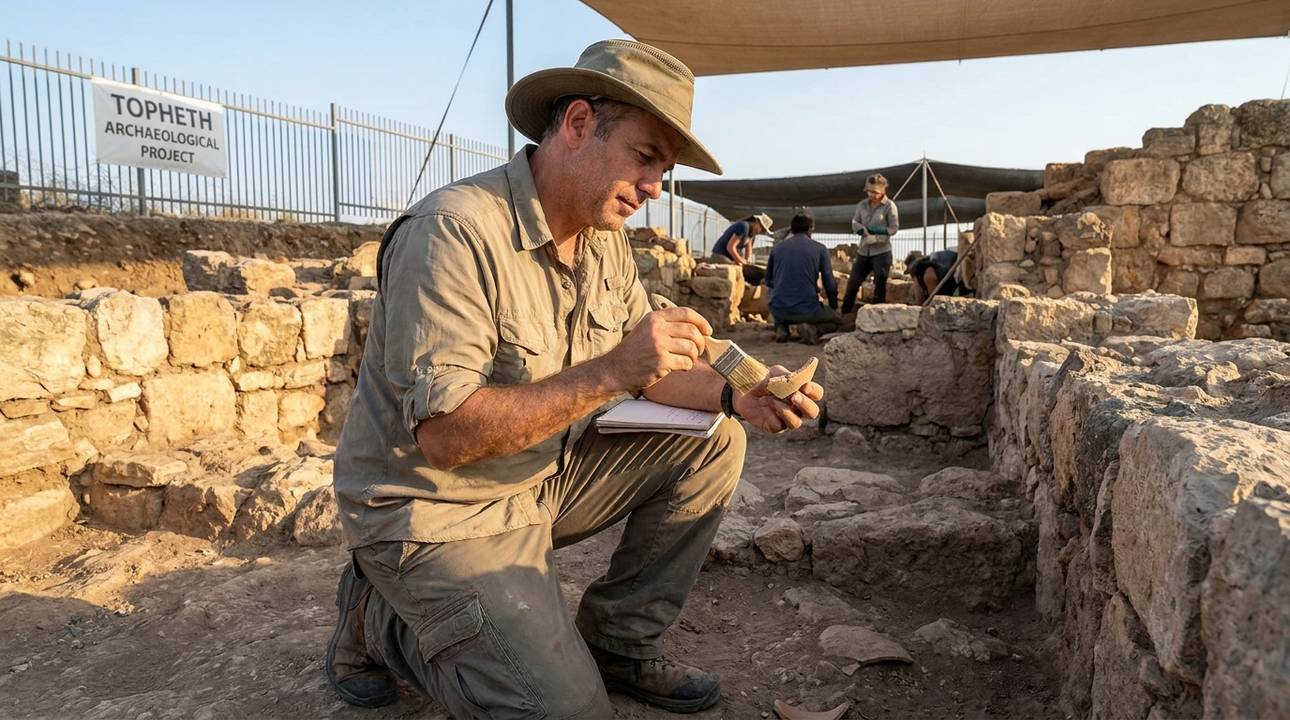
Topheth’s history extends beyond religious texts. Archaeologists have identified locations believed to be representative of Topheth in various ancient Near Eastern sites. Although direct evidence at the primary Valley of Hinnom site is limited, significant archaeological findings elsewhere provide context. These findings offer a window into the rituals and civilizations of the period. Excavations in Carthage and other Phoenician sites have unearthed similar sacrificial practices.
These archaeological discoveries, such as those in Carthage, reveal the widespread nature of sacrificial practices in the ancient world. The findings include urns containing the cremated remains of children, aligning with historical descriptions and providing a tangible link to the past.
Such evidence enriches our understanding of the cultural and religious dynamics of the time.
The cultural practices depicted were common in the ancient Near East, not unique to Judah alone. The worship of deities like Molech, associated with child sacrifice, was prevalent in neighboring cultures.
This wider historical perspective helps convey the regional influences that ancient Judah navigated, leading to condemnations.
These archaeological insights are critical in understanding the complexities of the area’s historical practices and beliefs, offering a broader context for narratives.
For example, historical texts explicitly prohibit giving children to Molech, highlighting the tension between local customs and moral commandments.
The narrative often reflects a struggle to maintain cultural and religious identity amidst external influences, which is evident in the repeated warnings against adopting neighboring practices.
from the Western Wall to Masada.
Topheth’s Role in Prophetic Literature
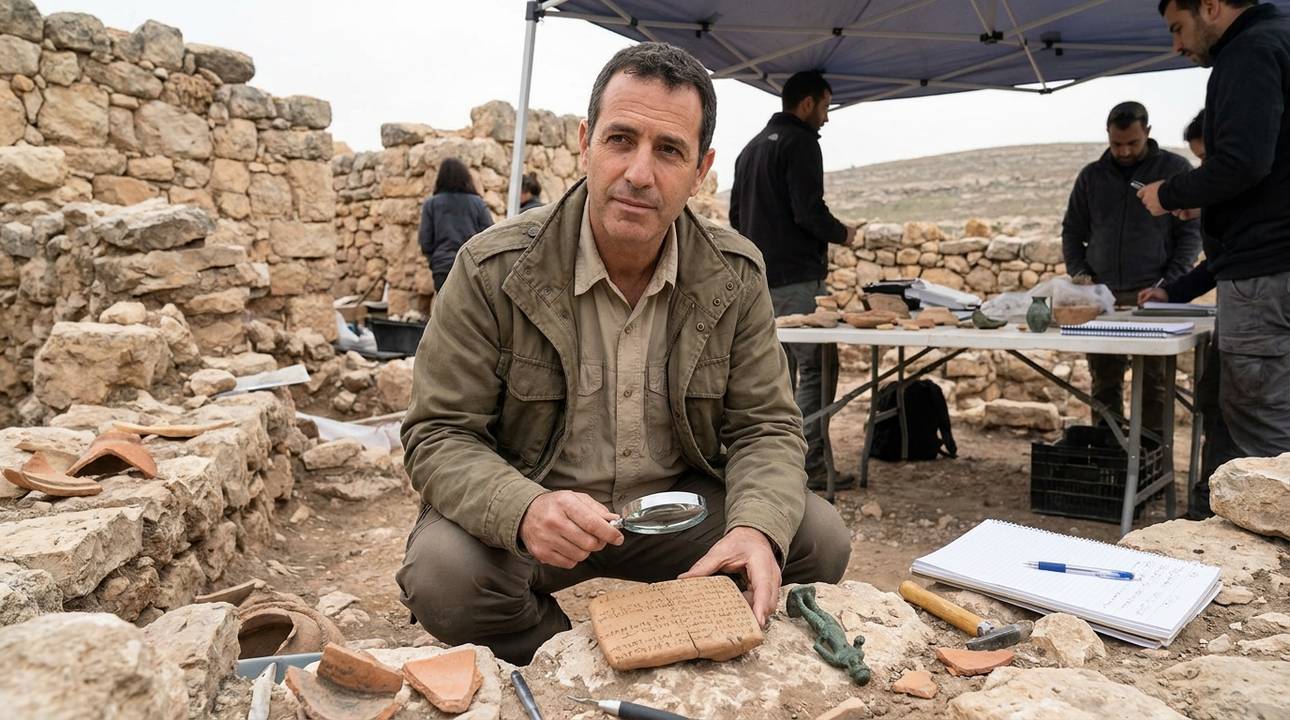
Topheth features prominently in the messages of prophets. It is often used as a metaphorical warning, illustrating the consequences of forsaking directives. Prophets warned of the spiritual consequences of such transgressions.
These messages became embedded in thought, reflecting not only religious devotion but societal lessons on morality and leadership. Topheth is emphasized as a symbol of judgment.
The imagery of Topheth as a place of burning prepared for a king serves as a stark reminder of the fate awaiting those who defy authority.
This powerful symbolism underscores the importance of adhering to principles and the dire consequences of moral and spiritual failings.
Prophets leveraged Topheth as a symbolic tool to highlight moral failings and the need for societal reform. It acts as a recurring theme in discussions on justice and retribution, emphasizing the consequences of turning away from laws. The impact of these prophecies remained influential in future teachings, shaping the societal context and moral discourse.
The prophet compares the breaking of a potter’s vessel to the destruction awaiting those who forsake commandments, using Topheth as a backdrop. This vivid imagery underscores the severity of the consequences and the need for repentance and reform.
Such messages were intended to guide the people back to a path of righteousness and adherence to laws.

Modern Interpretations of Topheth
Today, scholars reflect on Topheth as a subject of religious and ethical studies. Its historical narratives provide insight into the development of early Judean societies. The transition from a physical place to a symbolic reference in teaching illustrates its lasting influence.
This evolution helps modern readers connect with ancient practices within a broader historical and ethical context. By examining archaeological findings and texts, scholars uncover layers of meaning that resonate with contemporary ethical discussions.
The study of Topheth offers valuable lessons on the complexities of maintaining cultural identity amidst external influences.
As scholars continue to explore its historical and ethical implications, Topheth serves as a powerful reminder of the enduring nature of cultural and religious identity, bridging the gap between ancient practices and modern ethical considerations.
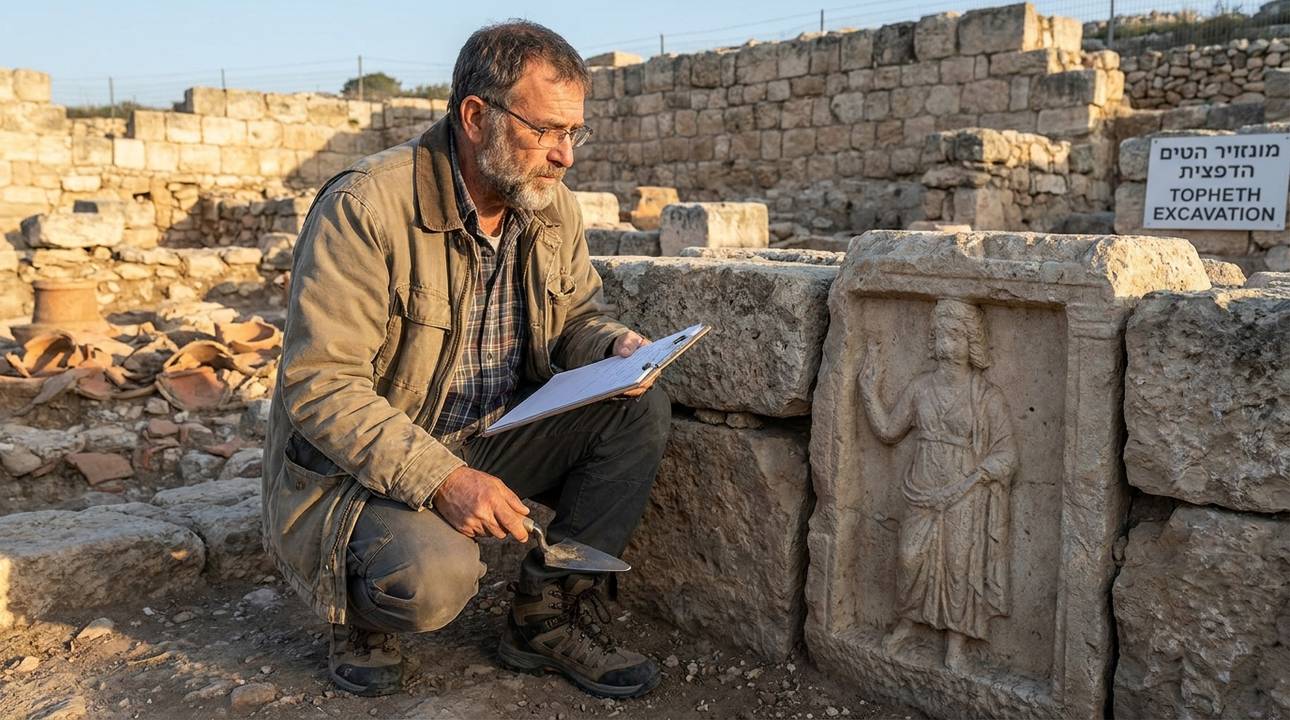
Understanding Topheth offers modern scholars a framework through which to study ancient religions’ moral and ethical landscapes. The site is often linked with the Valley of Hinnom, where archaeological findings provide insights into ancient practices.
The site’s impact resonates through historical critique and literary analysis, revealing how ancient narratives were constructed. Its role in shaping ancient perceptions highlights the enduring dialogue between past and present, offering a lens through which to view historical religious practices.
Cultural Legacy of Topheth in Jewish Tradition
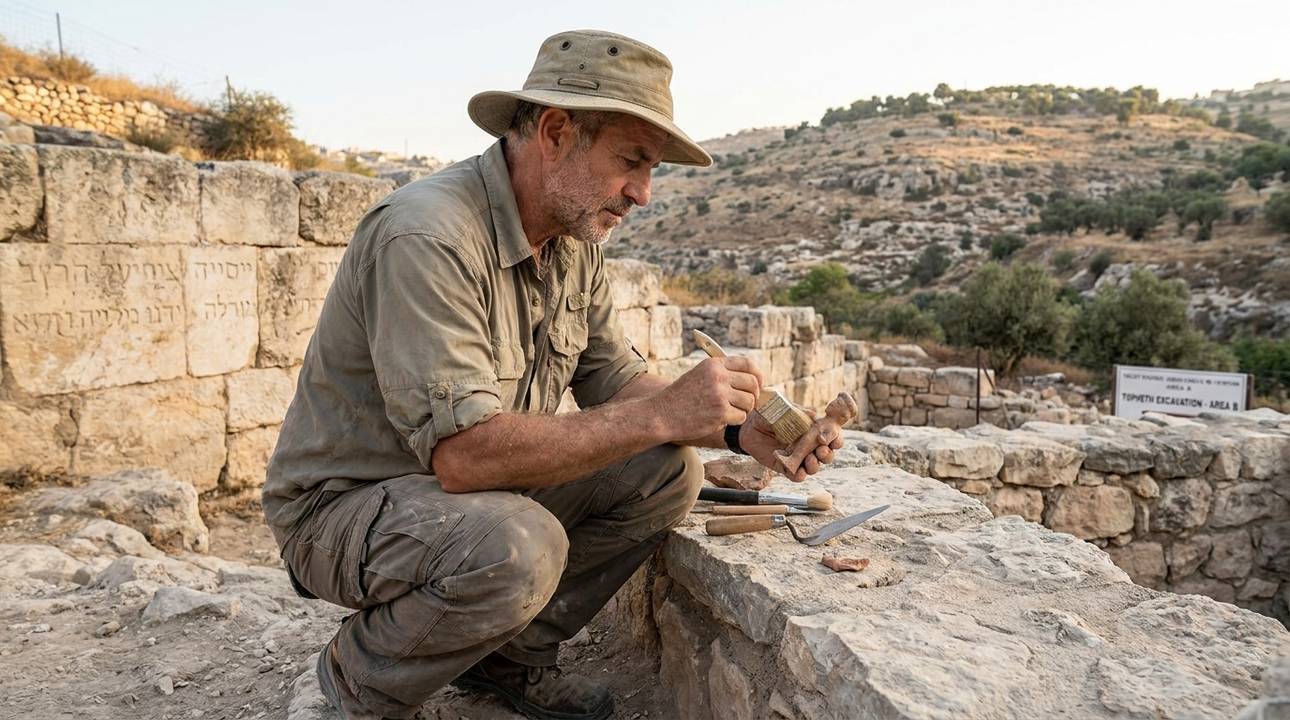
In Jewish tradition, Topheth has become a cultural marker, symbolizing transgression and justice. It is often referenced in rabbinic literature as a metaphor for punishment and moral failure.
It serves as a narrative caution, woven into descriptions of historical challenges faced by the Jewish community. This legacy supports an understanding of cultural adaptation within the faith, illustrating how past lessons inform present values and beliefs.
Talmudic discussions often use Topheth to exemplify consequences of moral lapses.
Despite its harsh origins, the legacy of Topheth contributes to a deeper understanding of collective identity. It symbolizes the struggle against practices that were seen as morally and religiously corrupt. It helps contextualize the dynamic relationship between history and faith in the Jewish narrative, showing how ancient challenges continue to influence modern identity. This reflection is still remembered scholarly examination across various fields, showing its vast significance in cultural and religious studies.
Topheth’s story is a reminder of the resilience required to uphold one’s values amidst external pressures. The lessons drawn from its history continue to resonate, showing the enduring nature of cultural and religious identity. As scholars delve deeper into its historical and ethical implications, Topheth remains a potent symbol of the ongoing dialogue between past and present.
Understanding Topheth